Aquamarine
Gemstone
Jewelry
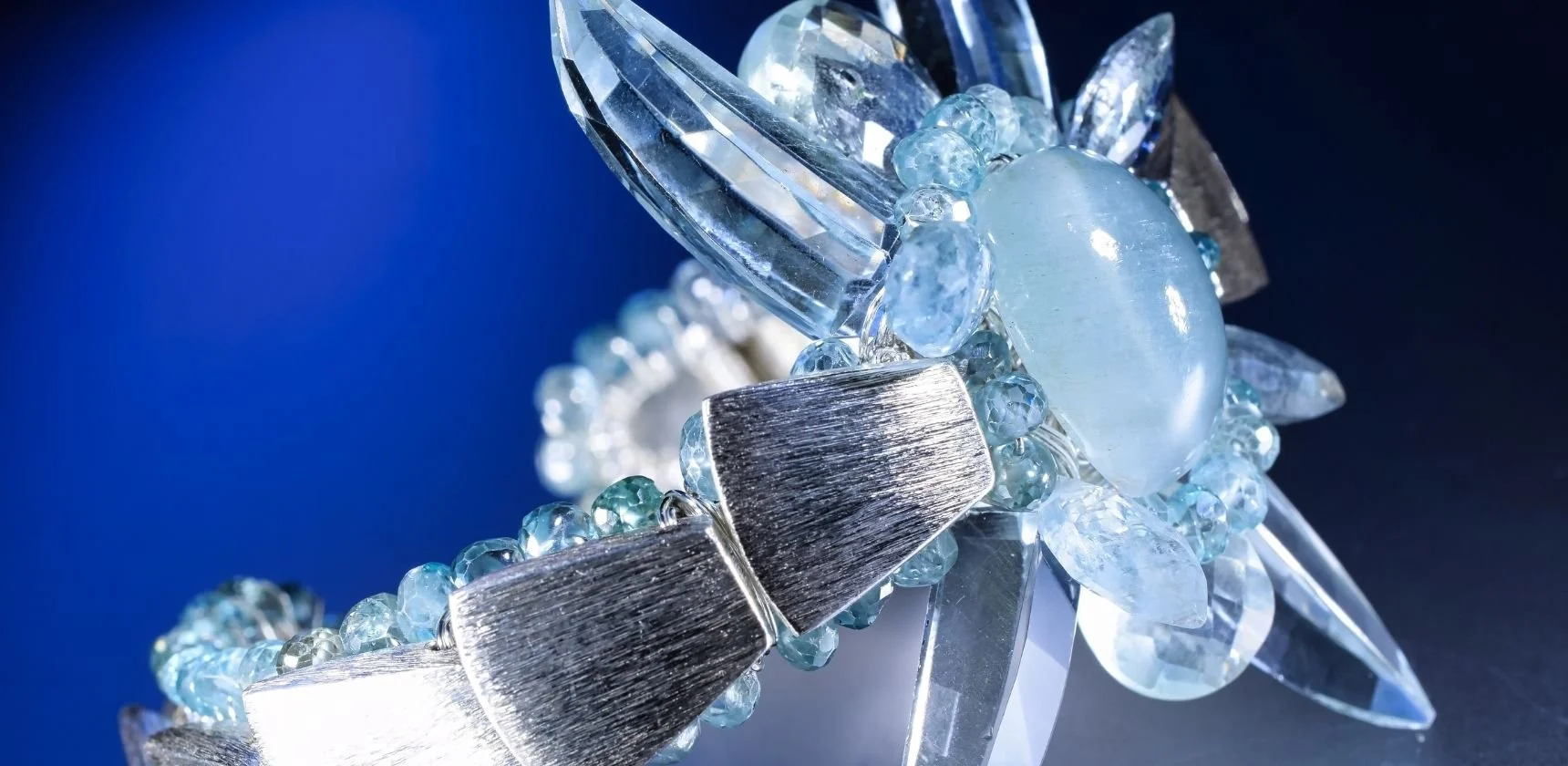
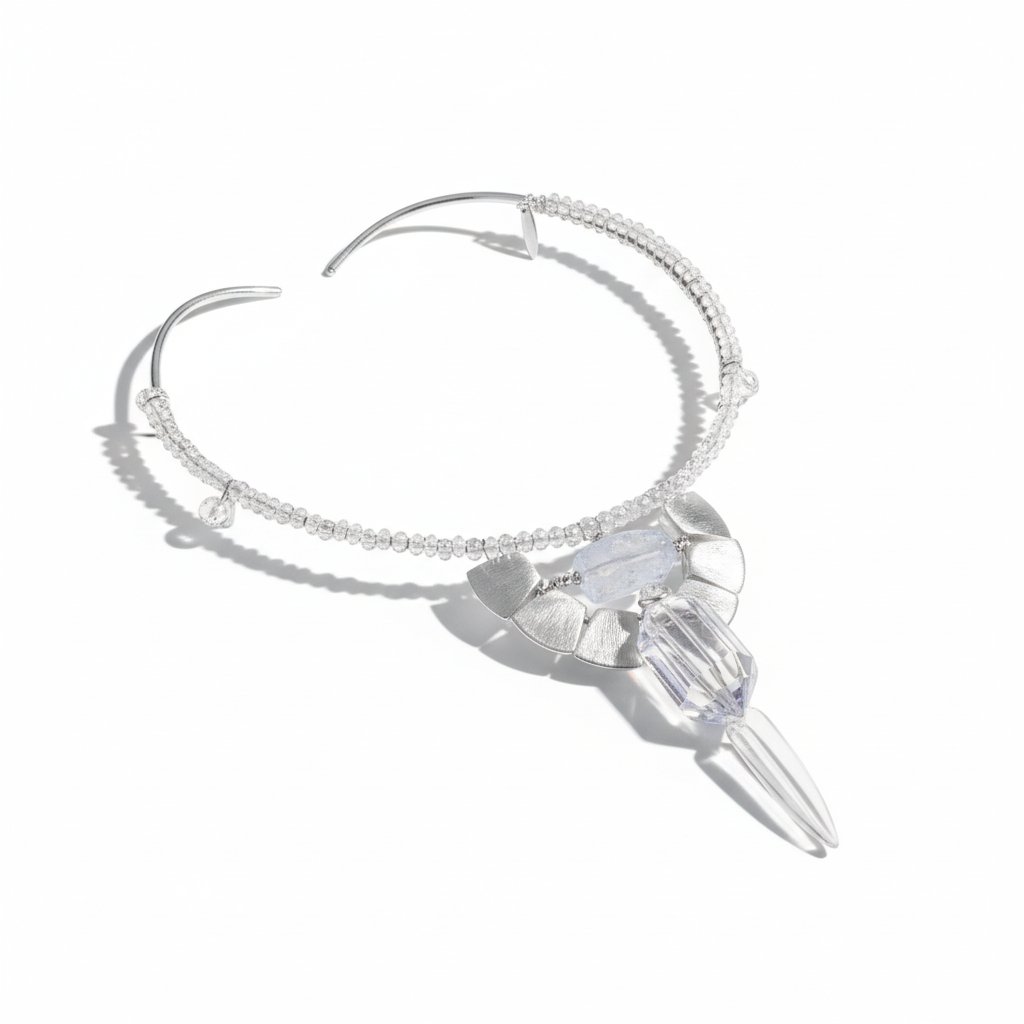
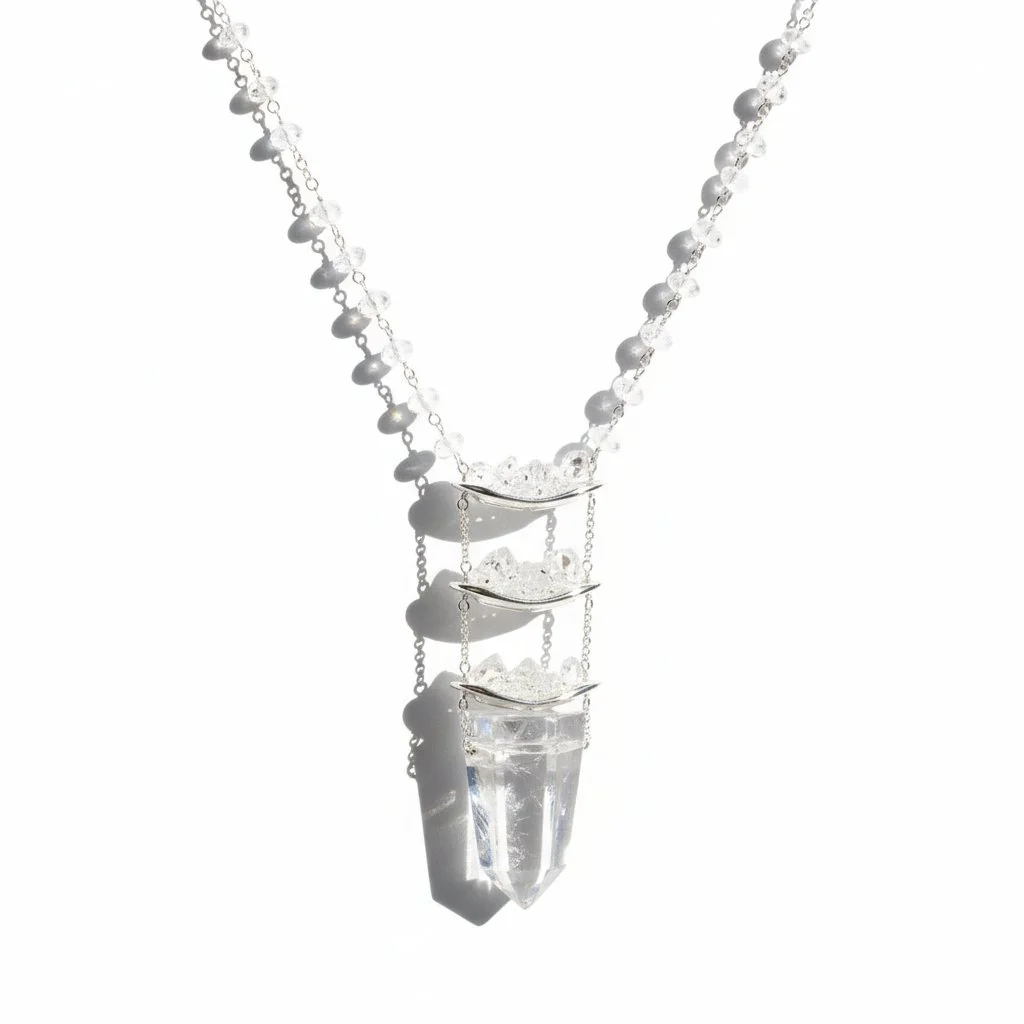
Andrea Li Handcrafted Aquamarine Jewelry
Andrea Li designs one-of-a-kind aquamarine jewelry by hand in her Denver studio, working in 14k gold, gold-filled, and sterling silver. Every piece is built once. When it sells, it's gone. If you've always reached past the obvious choices, aquamarine found you for a reason.
Who Does Aquamarine Flatter?
Short answer: everyone. Aquamarine's cool blue-green reads differently against every skin tone — and that's the point.
Fair & Light
Aquamarine's cool tones create a striking, almost porcelain contrast. Lighter stones with high clarity work beautifully — they catch light without overpowering.
Medium & Olive
This is where aquamarine really sings. The blue-green pulls warmth from olive and golden undertones, creating a balanced, luminous effect.
Warm & Golden
Deep aquamarine against warm skin creates a rich, jewel-toned contrast that reads both sophisticated and bold. Pair with gold for maximum warmth.
Deep & Rich
Aquamarine glows against deep skin tones — the stone appears more vivid, more saturated. This is the combination that stops people mid-sentence.
When to Give Aquamarine
Aquamarine is March's birthstone — but the best reason to give it is rarely a birthday.
March Birthday
The traditional choice, but with an edge — a one-of-a-kind aquamarine piece says "I know you" in a way a generic birthstone pendant never could.
Anniversary (19th Year)
Aquamarine is the traditional 19th anniversary stone. At Mohs 7.5–8, it's one of the few colored gemstones durable enough to wear every day for the next 19 years.
"Something Blue" for a Bride
Natural, not novelty. Aquamarine's cool clarity photographs beautifully in every lighting condition — ceremony, reception, golden hour. Explore wedding jewelry →
Just Because
The most meaningful gifts have no occasion. A handcrafted aquamarine piece from a one-woman studio carries a story the recipient gets to tell — who made it, where it came from, and why there's only one.
Milestone Moment
Graduation, promotion, a personal achievement worth marking. Aquamarine symbolizes courage and clarity — a stone for someone stepping into something new.
Aquamarine vs. Similar Stones
Three stones, three personalities. Here's how to know which one is yours.
| Property | Aquamarine | Morganite | Blue Topaz |
|---|---|---|---|
| Color | Cool blue-green | Warm pink-peach | Vivid blue |
| Mineral Family | Beryl (same as emerald) | Beryl | Topaz (silicate) |
| Hardness | 7.5–8 Mohs | 7.5–8 Mohs | 8 Mohs |
| Daily Wear? | Excellent | Good | Excellent |
| Price Range | Moderate–high | Moderate | Affordable |
| Best For | The person who wants cool, calm presence | The person drawn to warmth and romance | The person who wants saturated color on a budget |
| Personality | Quiet power | Soft glow | Bold clarity |
All three stones pair beautifully with 14k gold. Aquamarine and blue topaz lean contemporary in sterling silver; morganite warms up in rose gold.
How to Wear Aquamarine
Aquamarine doesn't fight for attention. It earns it. Here's how to let it work.
Solo Statement
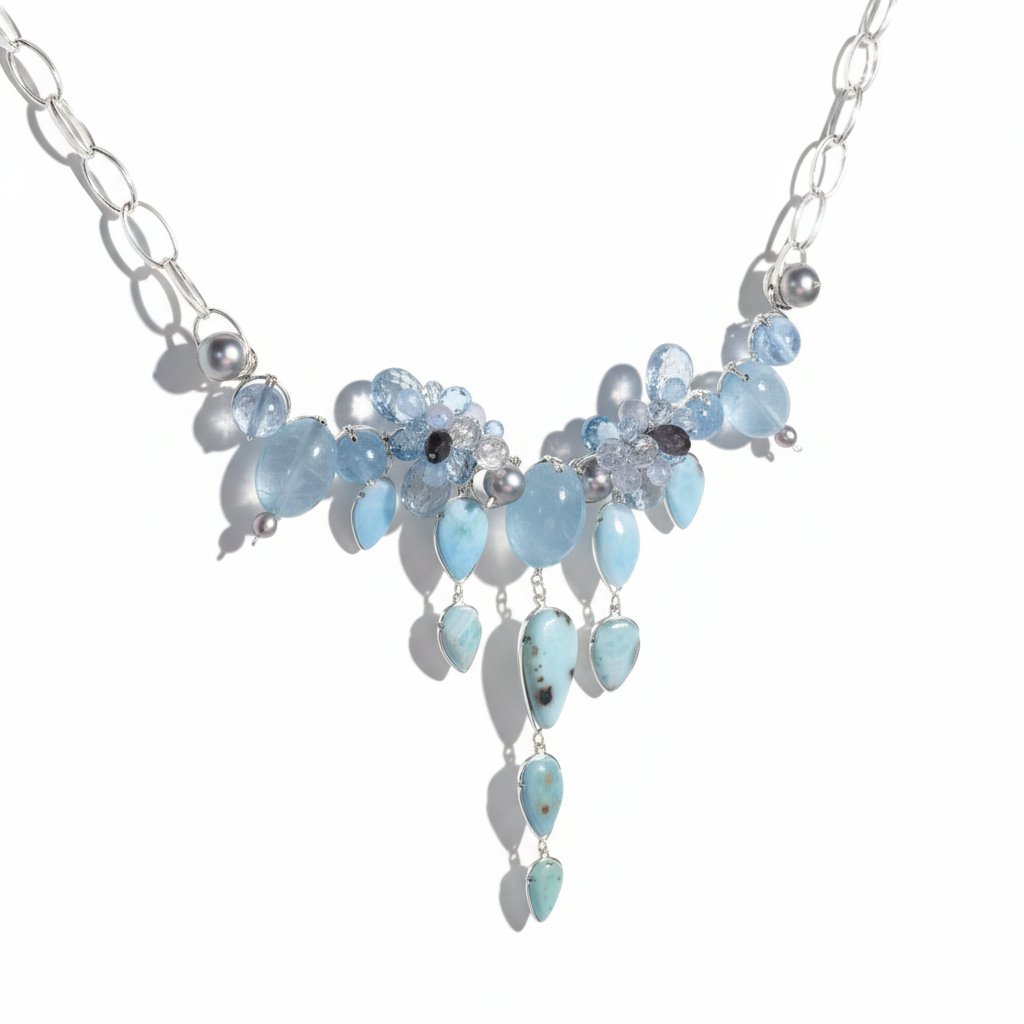
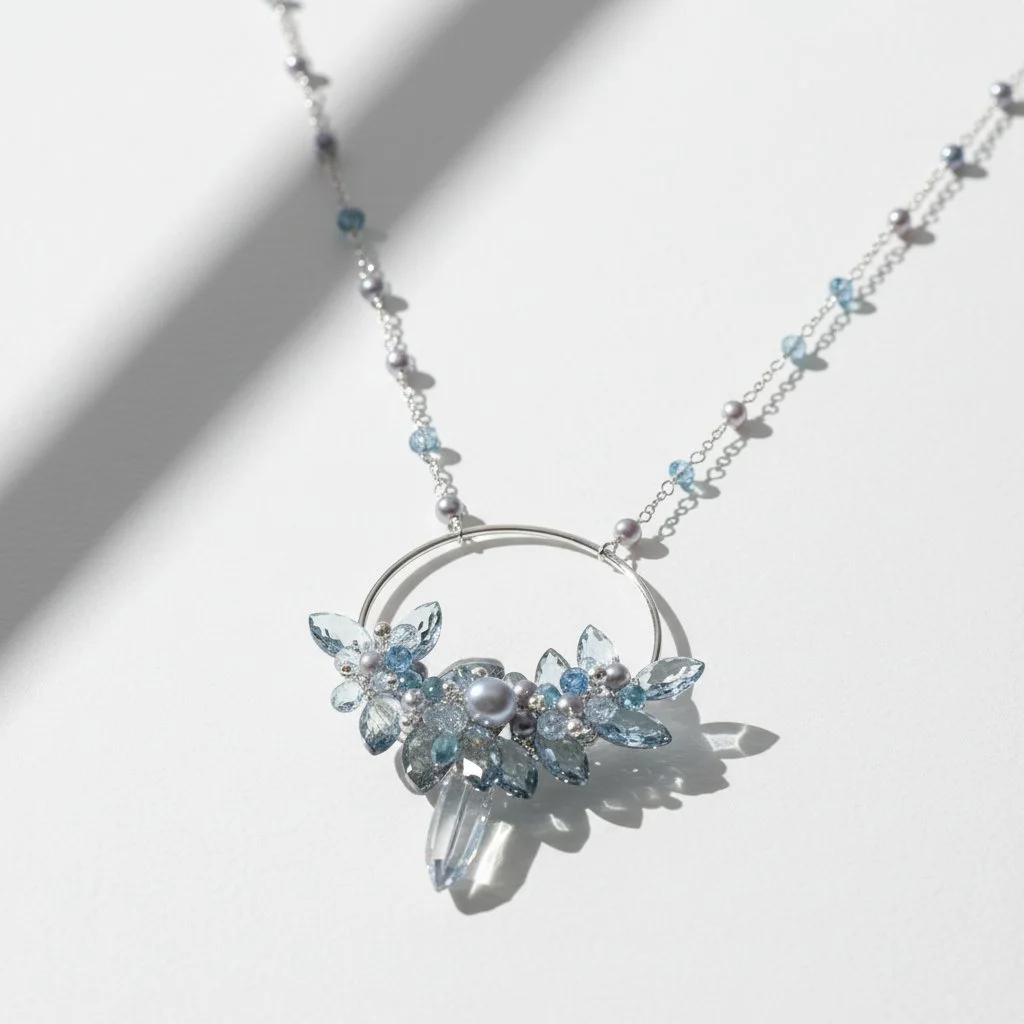
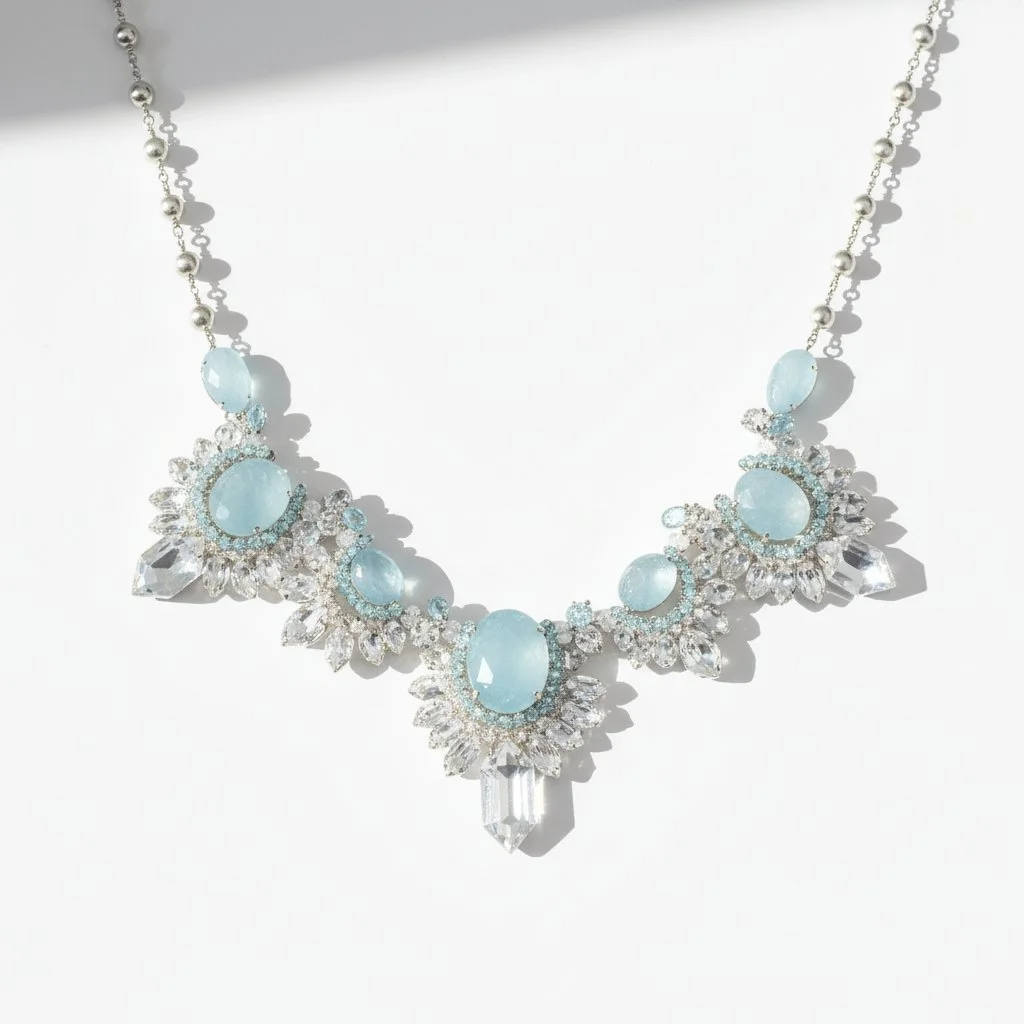
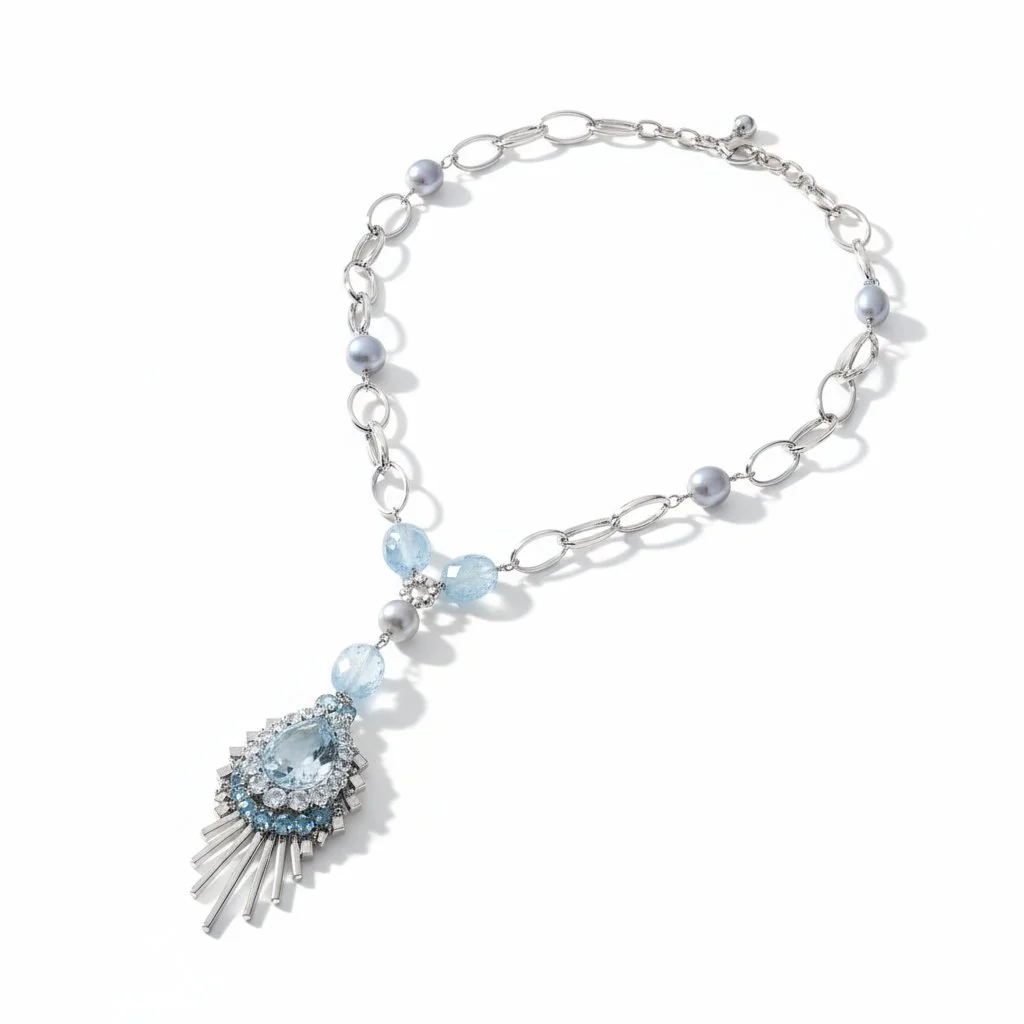
One sculptural aquamarine necklace, nothing else competing at the neckline. Let the stone carry the conversation. This is how Andrea Li's pieces are designed to be worn — as the only thing anyone notices.
Best with: V-neck, off-shoulder, open collarLayered Cool Tones
Aquamarine layers beautifully with green amethyst, moonstone, and labradorite — stones that share its cool, luminous energy without competing for dominance.
Best with: Neutral palette, minimal metalsWarm Metal Contrast
Pair aquamarine with 14k gold for a warm-cool tension that feels intentional. The gold brings out the stone's depth; the stone keeps the gold from reading too traditional.
Best with: Earth tones, ivory, warm neutralsAll Black + One Stone
The simplest formula that never fails. Aquamarine against all-black is electric — the stone becomes the entire focal point. No styling rules required.
Best with: Black dress, turtleneck, blazer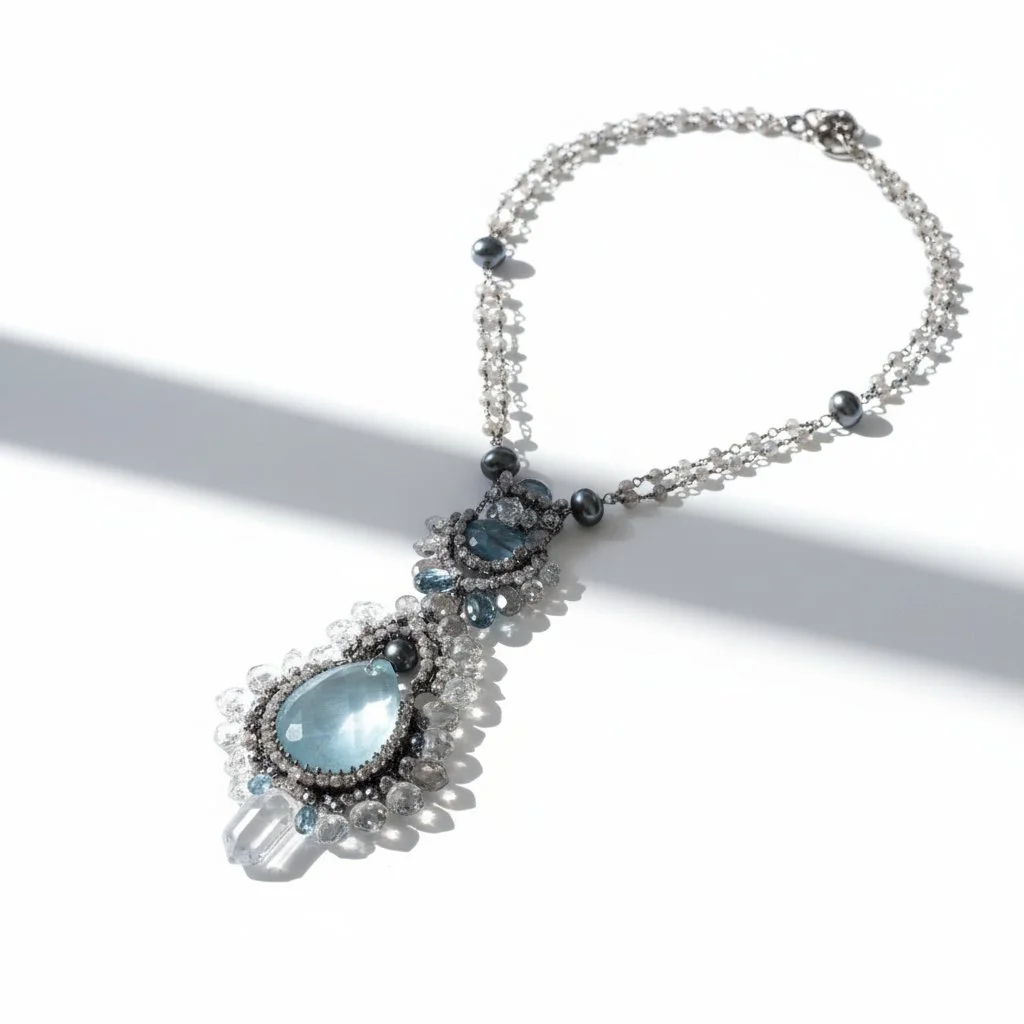


Aquamarine Gemstone Guide
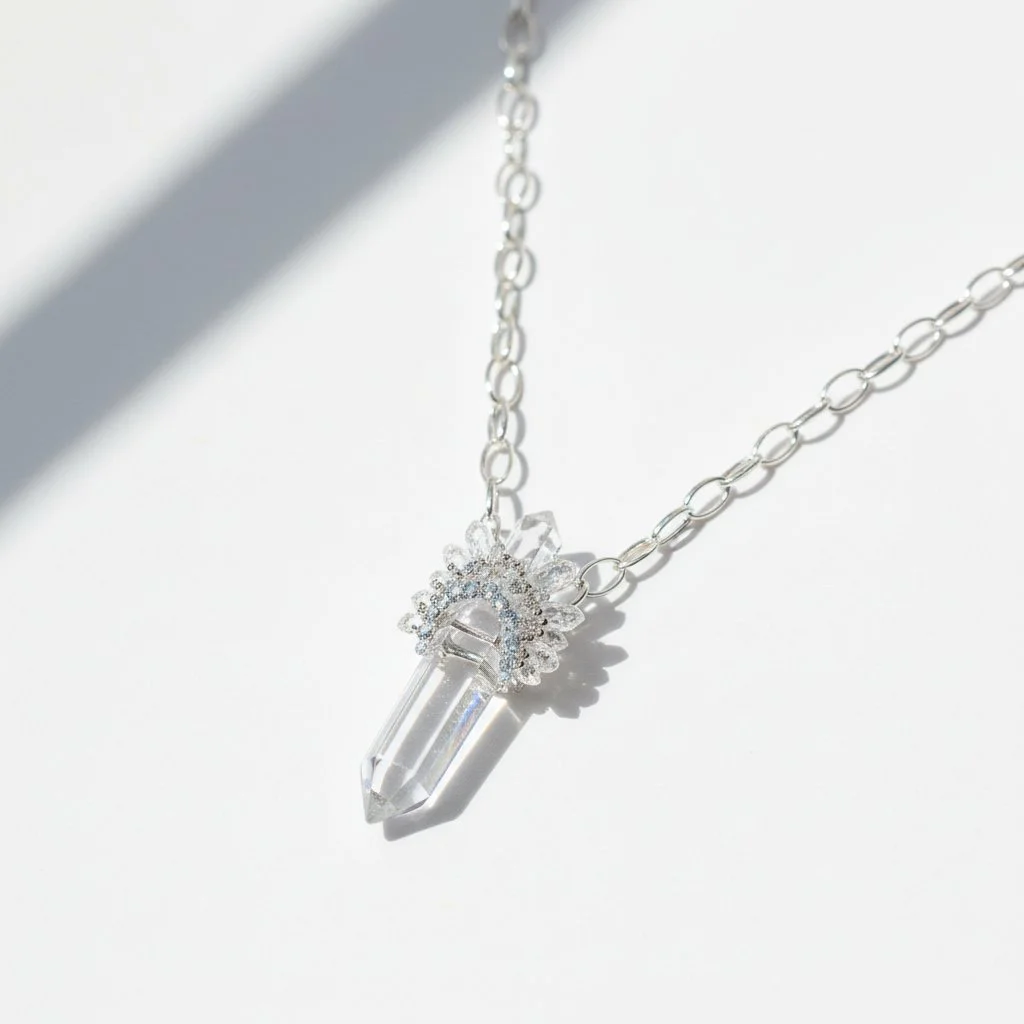
Aquamarine is the blue-to-green variety of beryl, the same mineral family as emerald, prized for its crystal-clear clarity and oceanic color range. Named from the Latin "aqua marina" (seawater), each stone captures that translucent, light-catching quality that makes it unmistakable among gemstones.
Inside this guide:
How aquamarine forms and where it's mined
Natural color variations from pale sky blue to deep teal
Historical significance and symbolic meaning
Durability facts and wearability for daily jewelry
Care essentials and styling tips
Whether you're drawn to aquamarine's calming color or considering it for an engagement ring alternative, this guide gives you the knowledge to select and wear aquamarine jewelry with confidence.

Explore Truly Unique Aquamarine Jewelry
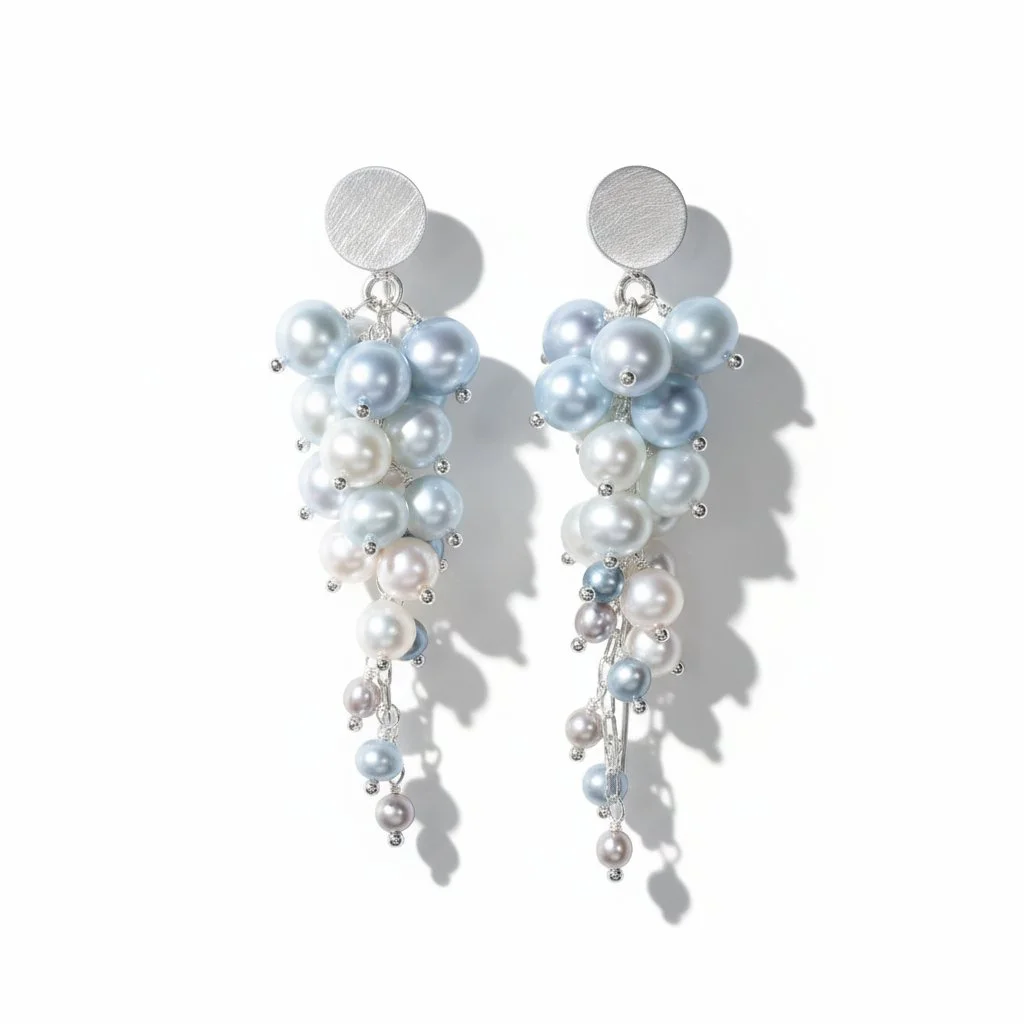
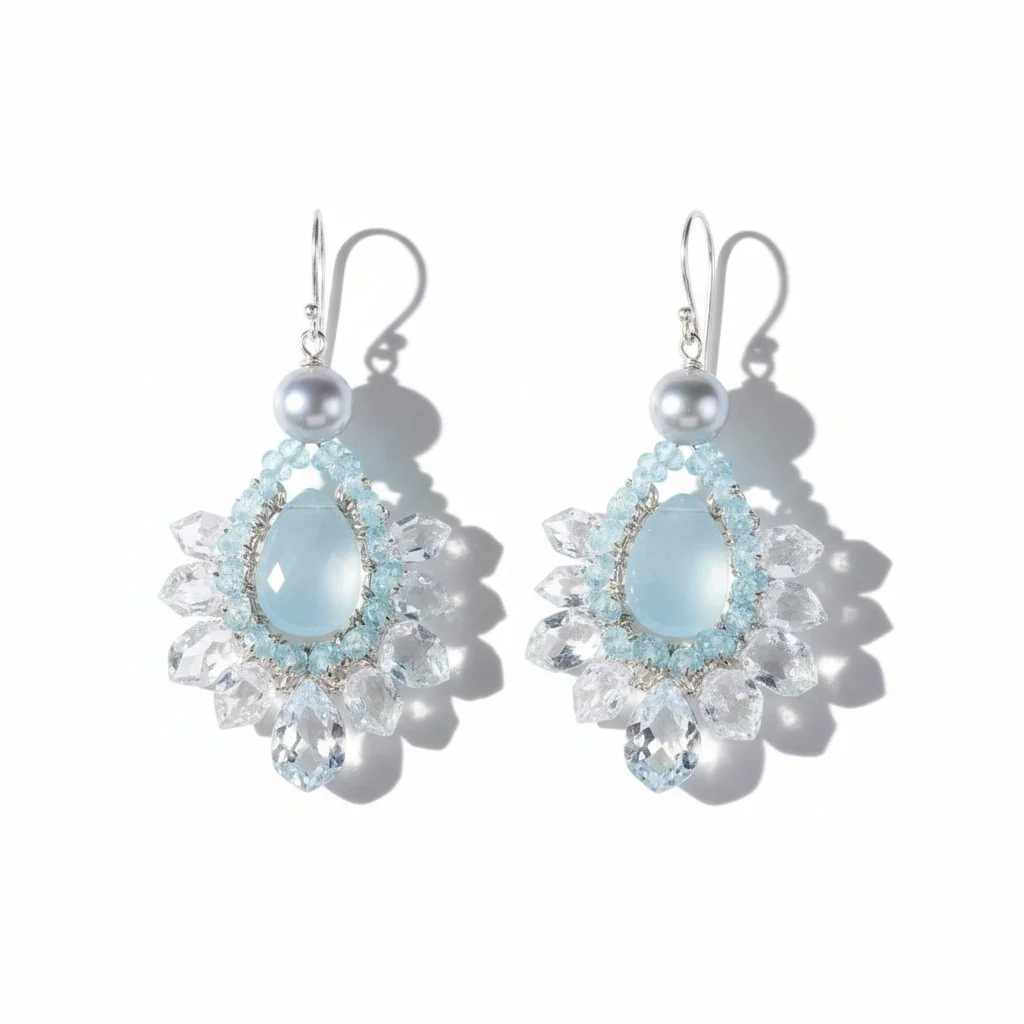
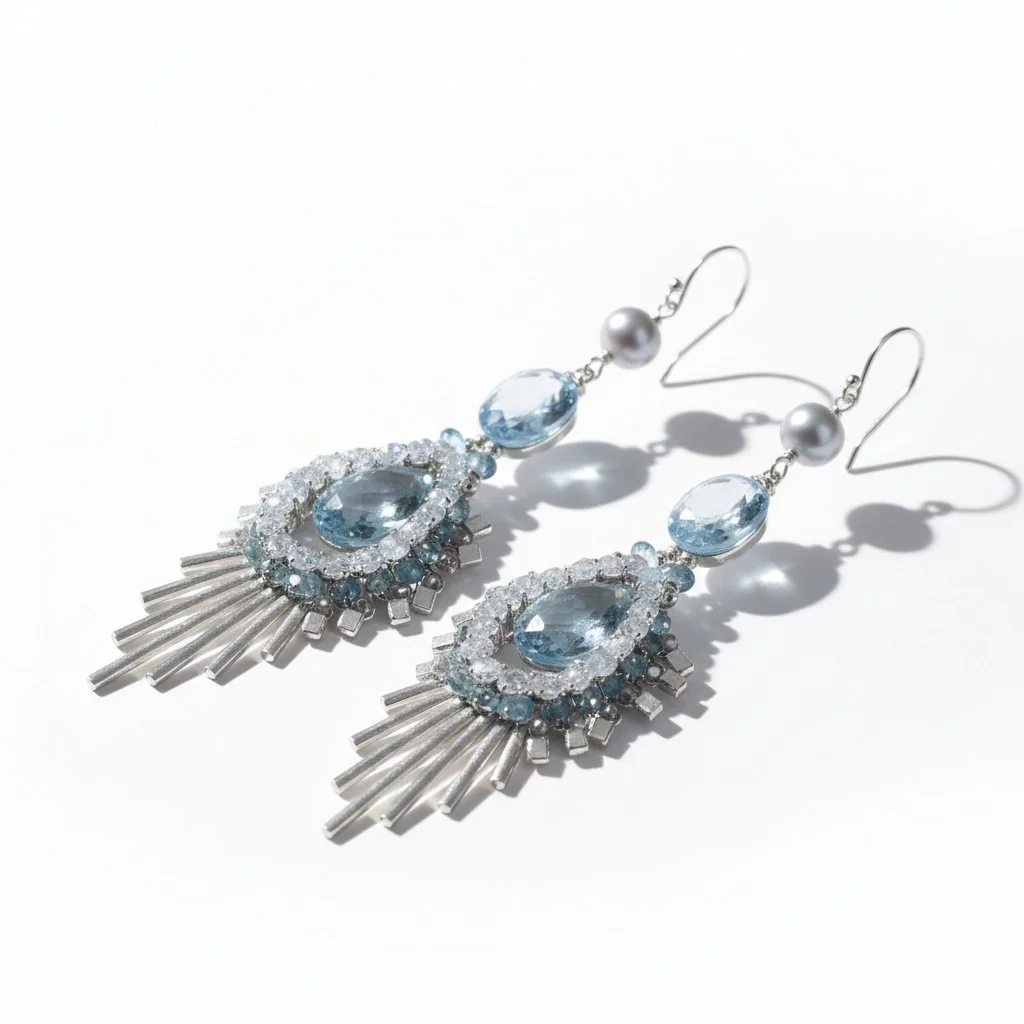
With One-Of-A-Kind Aquamarine and Pearl Jewelry
Showcase Your Signature Style Today!


-
Aquamarine, a stunning variety of the mineral beryl, is cherished for its captivating blue-green hue. Its name, derived from the Latin aqua (water) and mare (sea), beautifully reflects its resemblance to the tranquil shades of ocean waters.
Known for its calming and protective qualities, aquamarine has long been a favorite for jewelry like necklaces, bracelets, and earrings. The gemstone’s near-transparent clarity often gives it a mesmerizing, shimmering effect, as if sunlight were dancing on the water’s surface.
-
Aquamarine is valued based on several important factors, each contributing to its overall worth and appeal:
Color: Deep blue aquamarines command the highest prices. Although paler hues are still admired, stones with rich, saturated tones are rarer and more valuable.
Clarity: Most aquamarines have excellent clarity. Stones that are free from internal flaws or inclusions are considered more valuable, as their transparency enhances the gem’s natural brilliance.
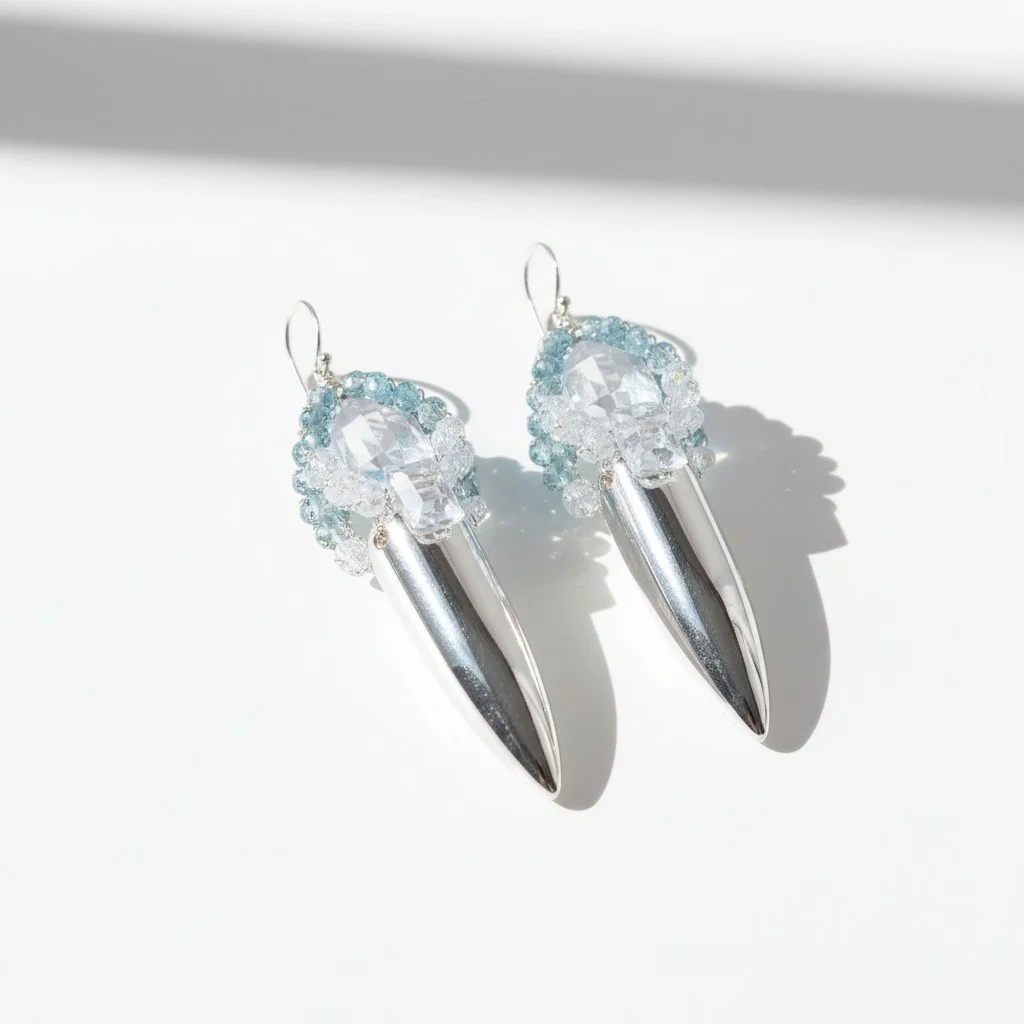
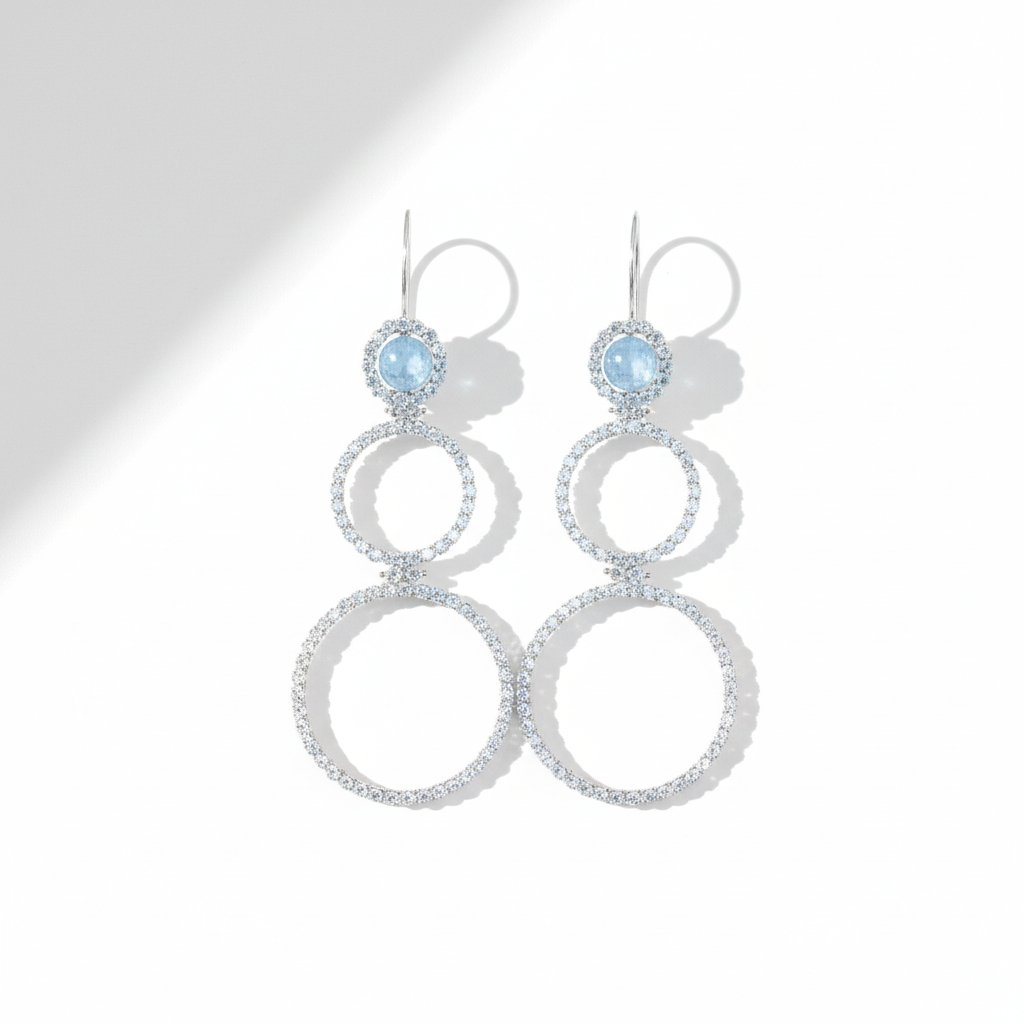
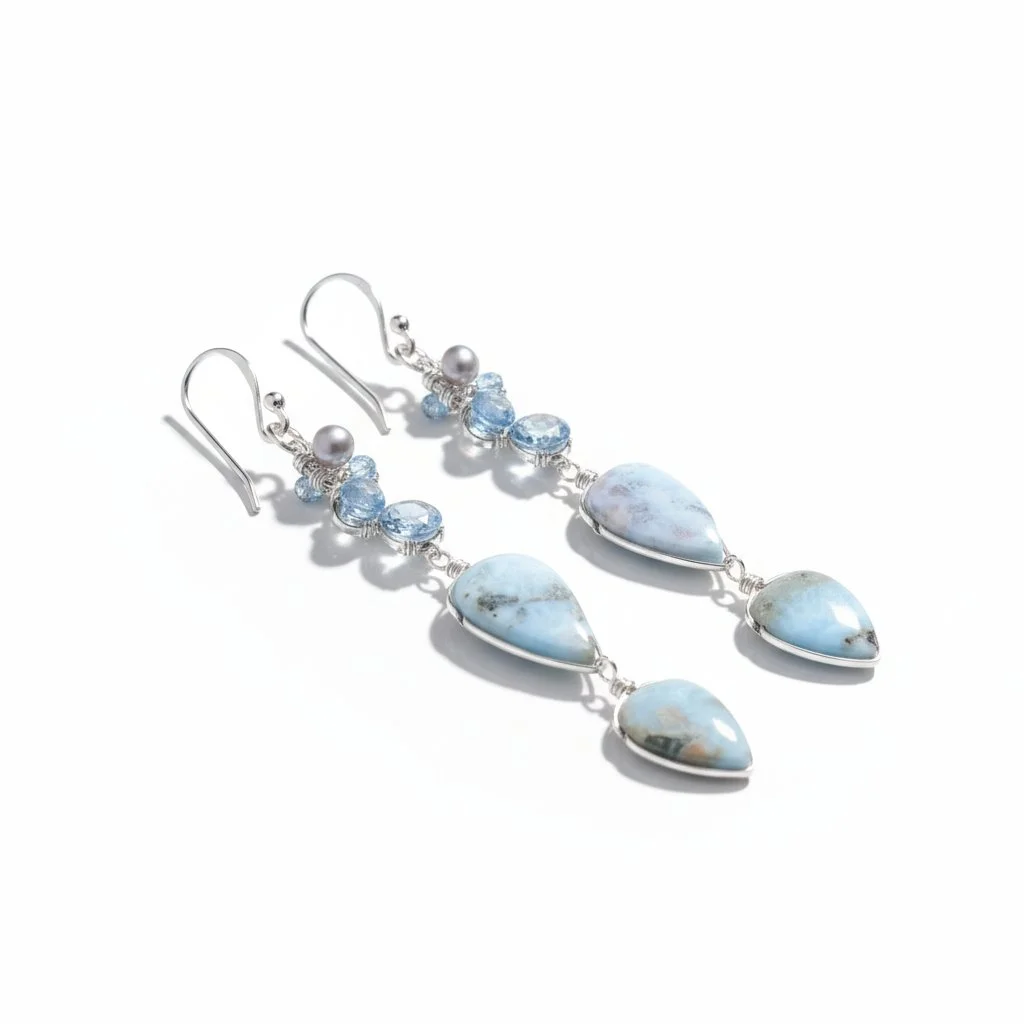
Cut: A well-executed cut can significantly elevate the beauty of an aquamarine. Lapidaries often choose cuts like oval, emerald, or pear to maximize the stone's brilliance. For example, aquamarine drop earrings with expertly cut stones offer a dazzling display of light and color.
Carat Weight: Larger aquamarines typically command higher prices, but it’s the balance between color, clarity, and size that truly defines the stone’s value. Whether you're investing in a statement aquamarine necklace or a more delicate aquamarine bracelet, size alone doesn't determine value—quality is key.
-
Yes, many aquamarines undergo heat treatment to enhance their color, turning naturally greenish or yellowish stones into the desirable blue shades. This process is quite common in the gemstone industry and widely accepted.
It’s important to note that treatment does not diminish the stone's durability or beauty, so whether your aquamarine hoop earrings are treated or untreated, they will retain their natural charm. If you prefer untreated stones, however, make sure to verify their authenticity with a trusted jeweler.
-
There are a few ways to confirm if your aquamarine is genuine.
Inspect the stone for clarity and color—real aquamarines usually have a subtle blue hue and a transparent, clean appearance.
Avoid stones that seem overly vibrant, as that could indicate synthetic materials.
Perform a scratch test; aquamarine ranks between 7.5-8 on the Mohs hardness scale, making it resistant to scratches from most materials.
When in doubt, consult a certified gemologist who can verify the authenticity of your aquamarine jewelry, whether it's a necklace, bracelet, or earrings.
-
Keeping your aquamarine jewelry in pristine condition is simple with proper care:
Cleaning: Use warm, soapy water and a soft brush to gently clean your aquamarine necklace or earrings. Harsh chemicals should be avoided, as they may damage the stone’s delicate surface.
Storing: To prevent scratches, store your aquamarine jewelry separately from harder stones like diamonds. Soft pouches or lined jewelry boxes work well for storing aquamarine and pearl earrings or your favorite aquamarine bracelet.
Protection: Avoid prolonged exposure to high heat or direct sunlight, which can cause your aquamarine jewelry to fade over time. Always remove your pieces before engaging in activities that could expose them to harsh conditions.
-
The color of aquamarine can range from pale blue to a vibrant blue-green, depending on the amount of iron present in the stone.
Lighter shades are more common, but darker, more intense colors are rarer and, therefore, more valuable.
This natural color variation makes each aquamarine necklace or bracelet unique, offering a spectrum of hues that appeal to different tastes.
Whether you prefer a soft, sky-blue aquamarine or a bold, deep blue-green, there’s a shade for everyone.
-
When a gemstone is labeled "AAA-quality," it signifies the highest possible grade in terms of color, clarity, and cut.
AAA-quality aquamarines have no visible inclusions, display a rich blue color, and are expertly cut to maximize their brilliance.
Choosing AAA-quality aquamarine drop earrings or an aquamarine bracelet means you’re investing in a piece that showcases the finest qualities of this exquisite gemstone.
-
Aquamarine jewelry is available in a variety of timeless and trendy designs, making it a versatile choice for any occasion:
Classic: Single-stone aquamarine necklaces in simple gold or silver settings are perfect for adding a touch of elegance to your everyday look.
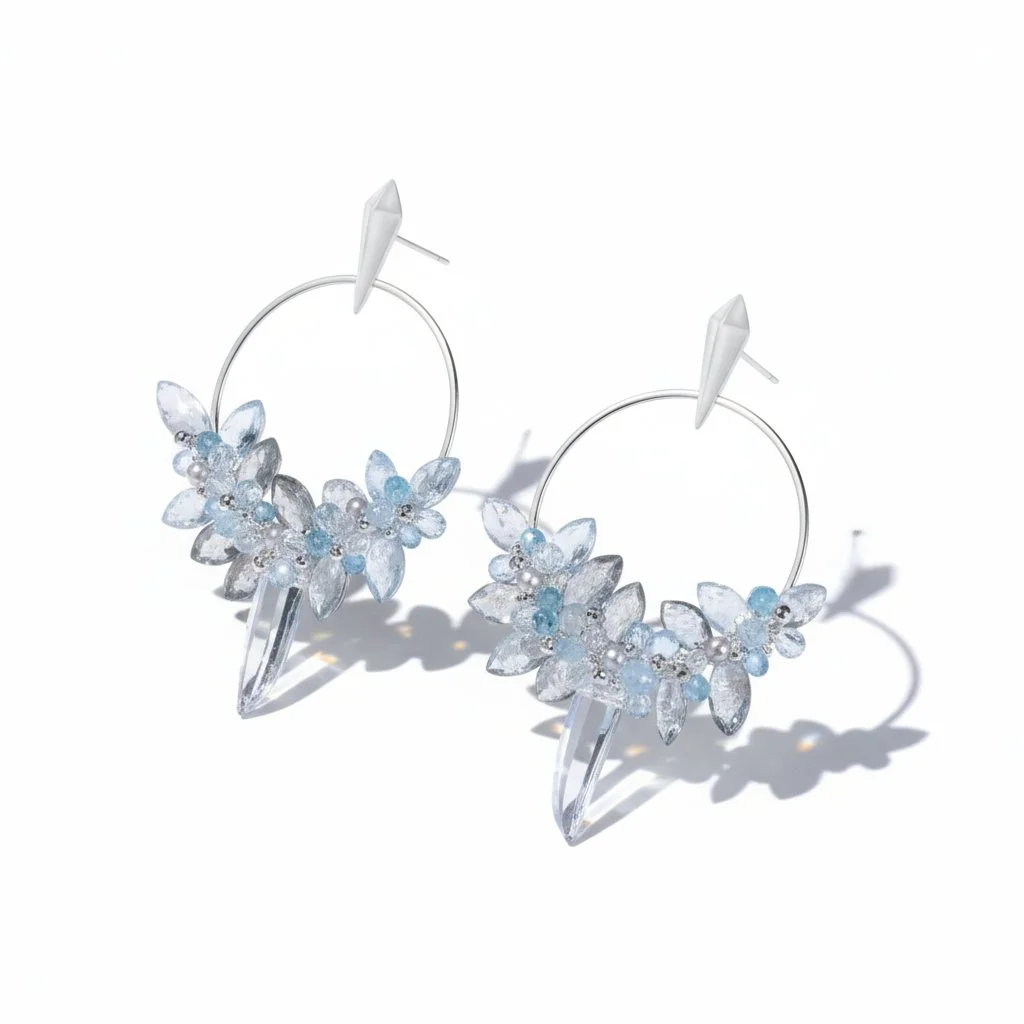
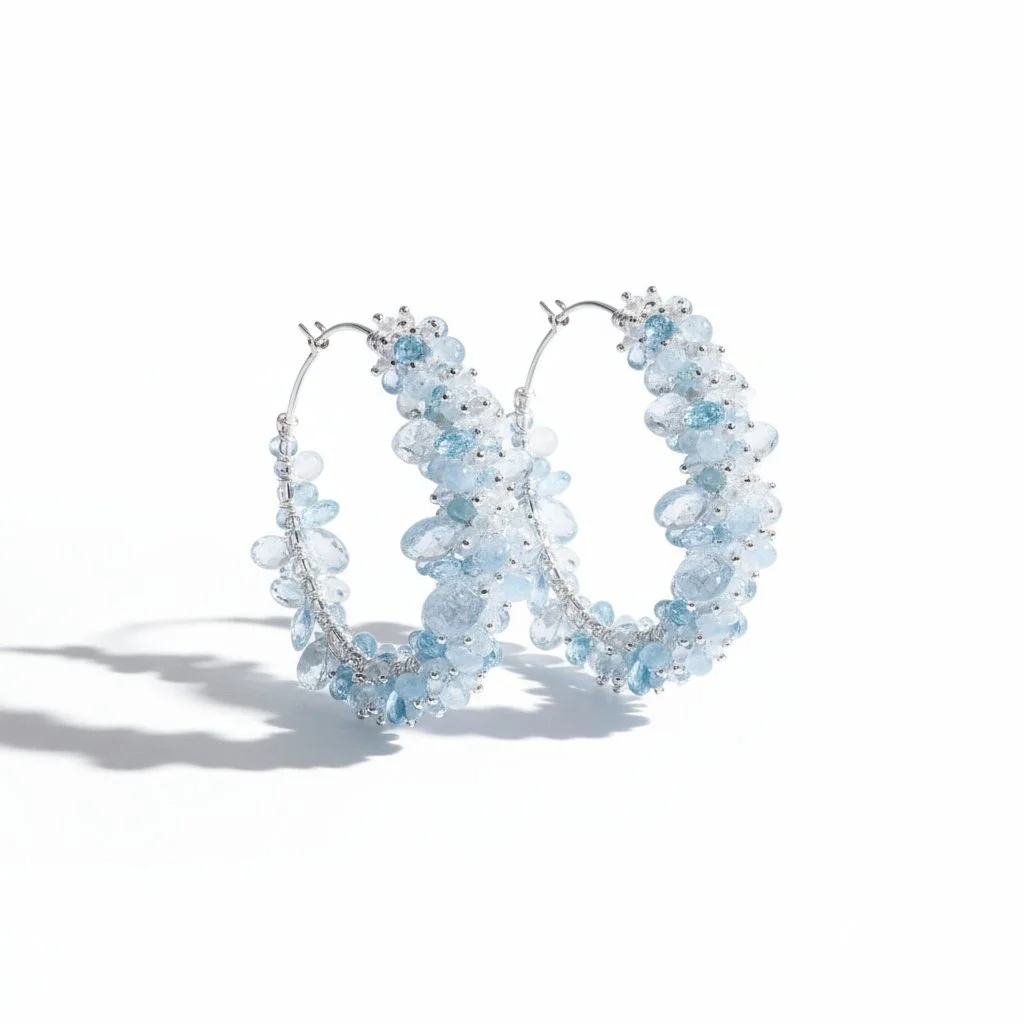
Trending: Aquamarine and pearl earrings offer a striking combination of soft blue tones and lustrous pearls, creating a visual contrast that’s both chic and modern. Additionally, aquamarine hoop earrings are gaining popularity for their sleek, contemporary appeal.
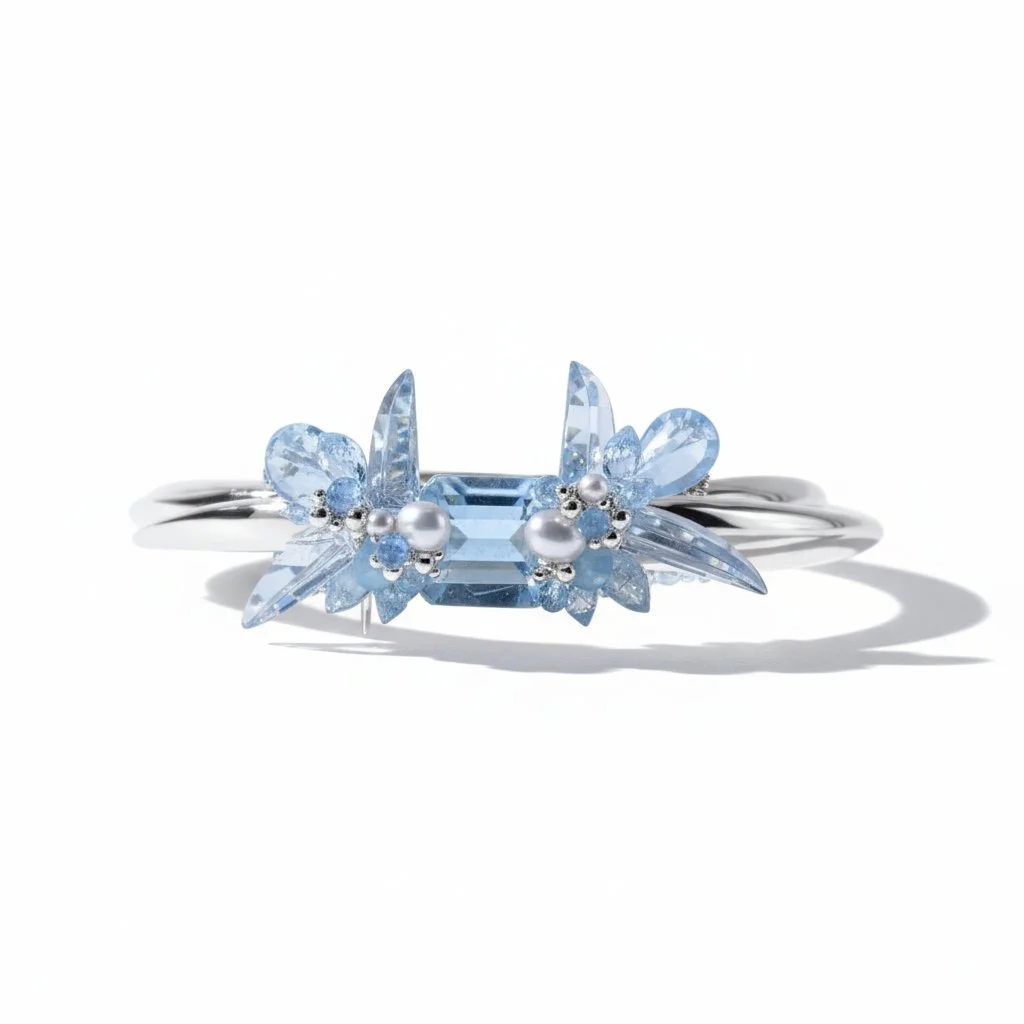
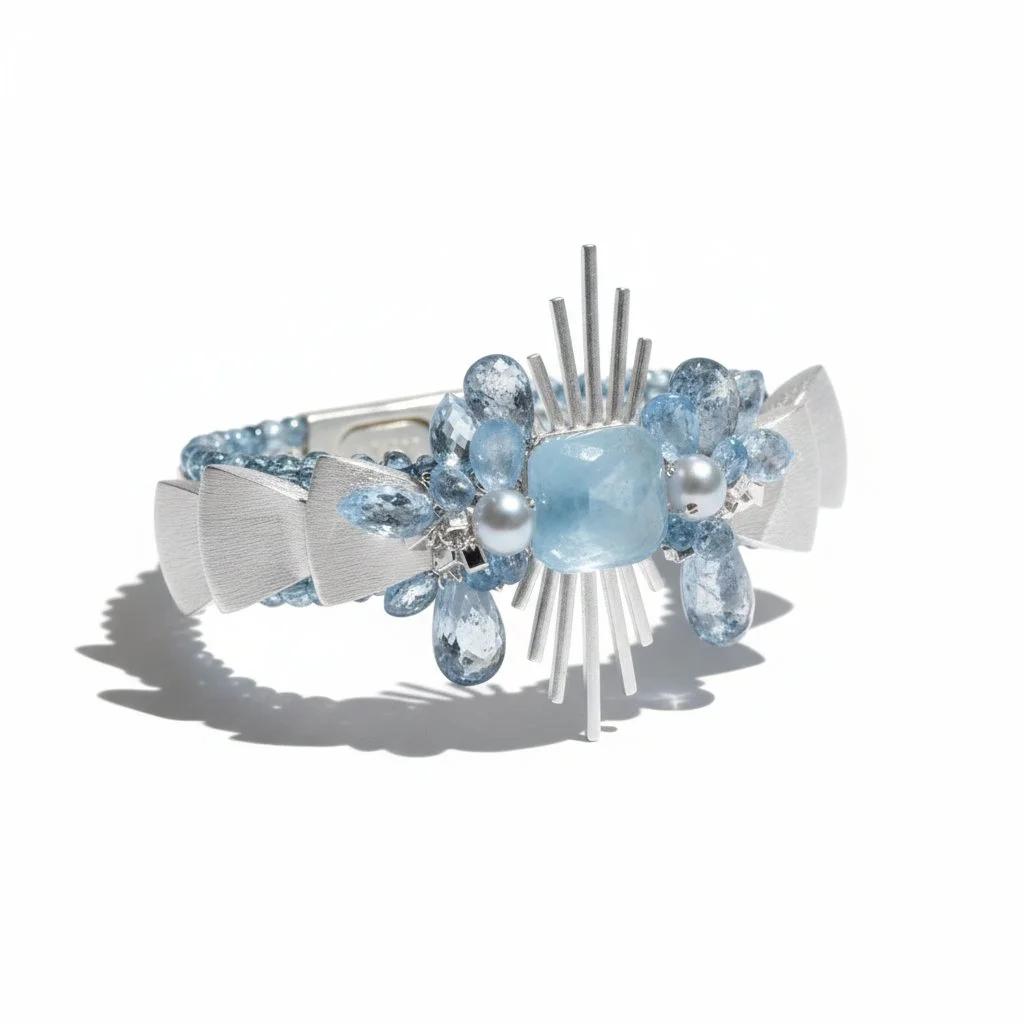
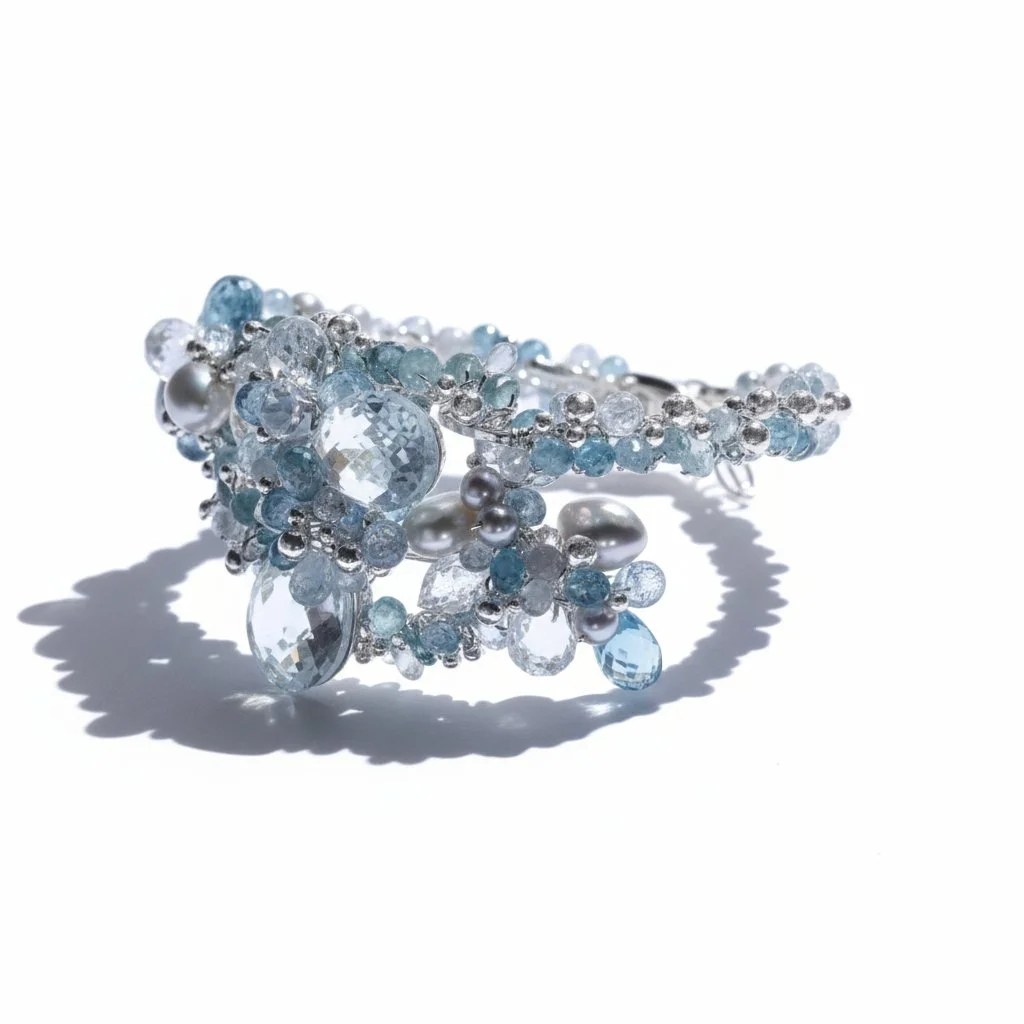
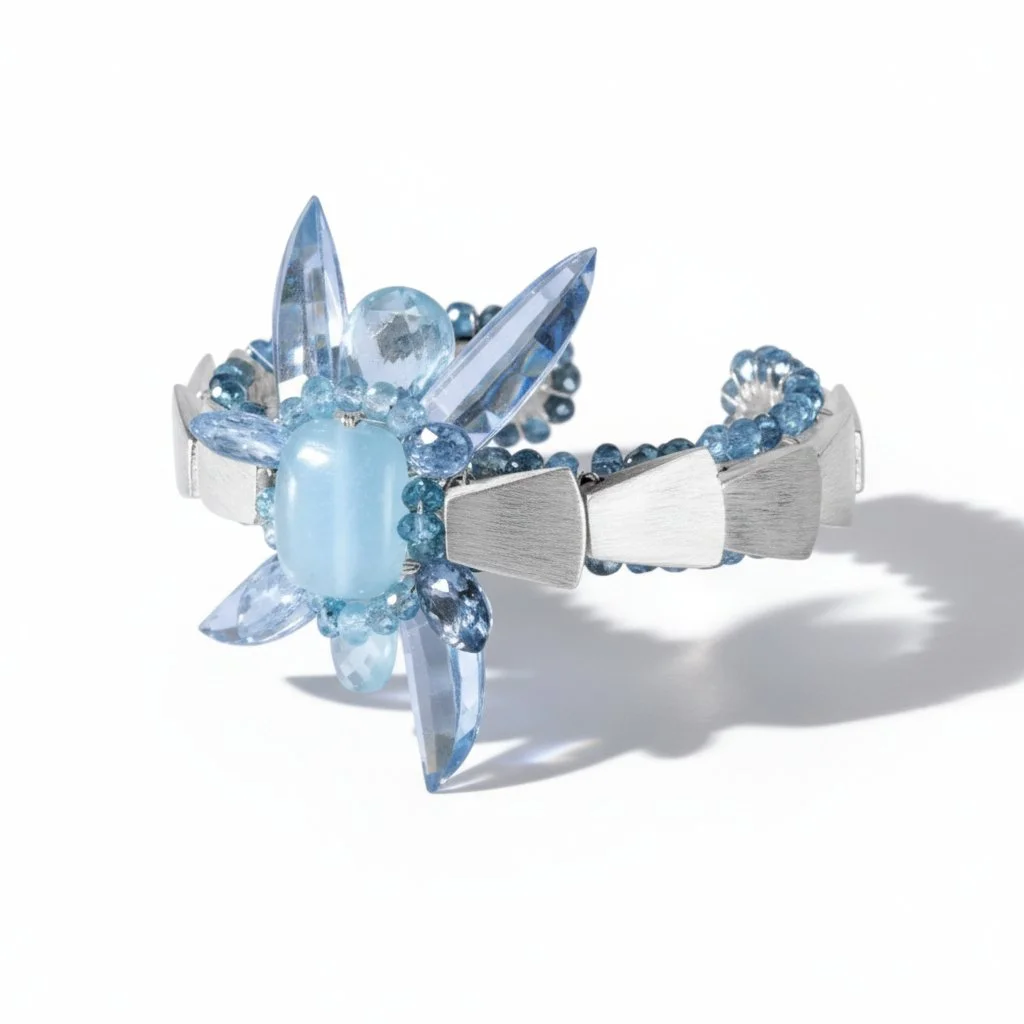
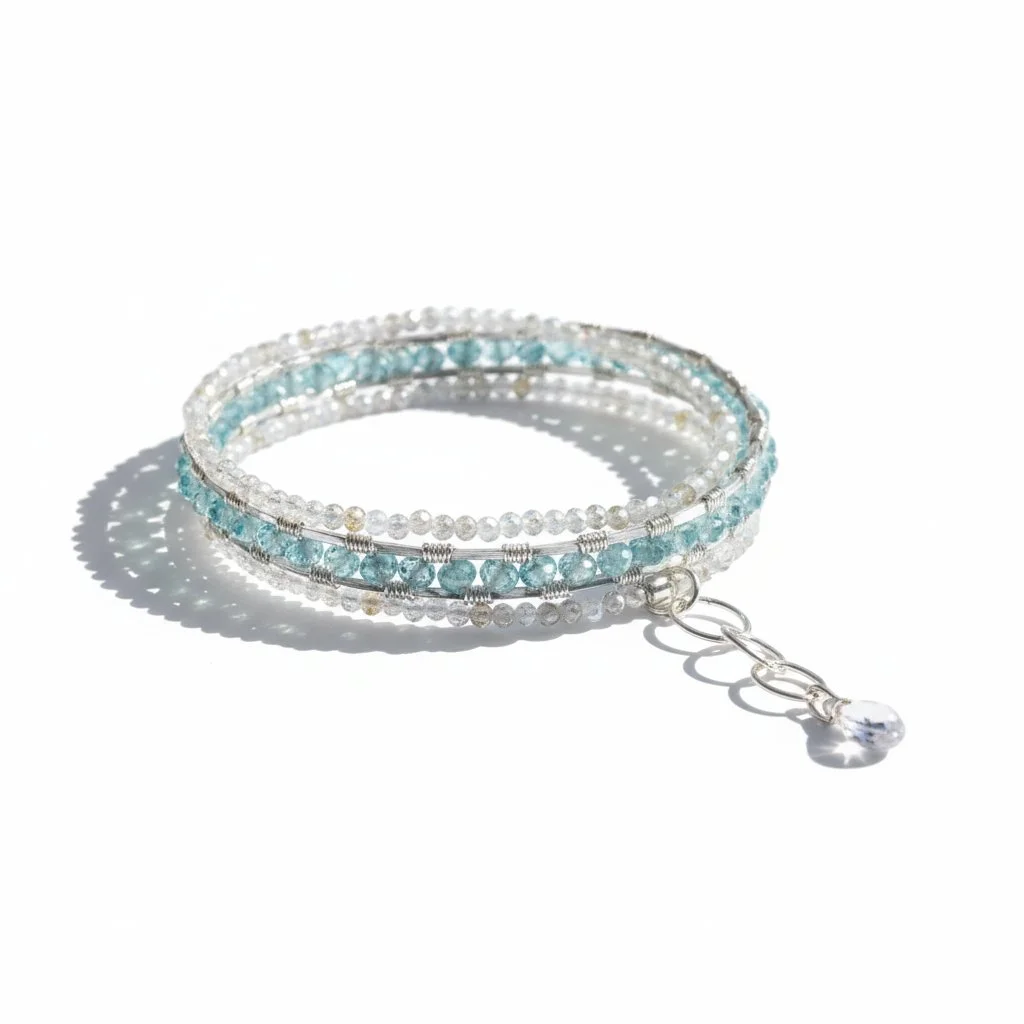
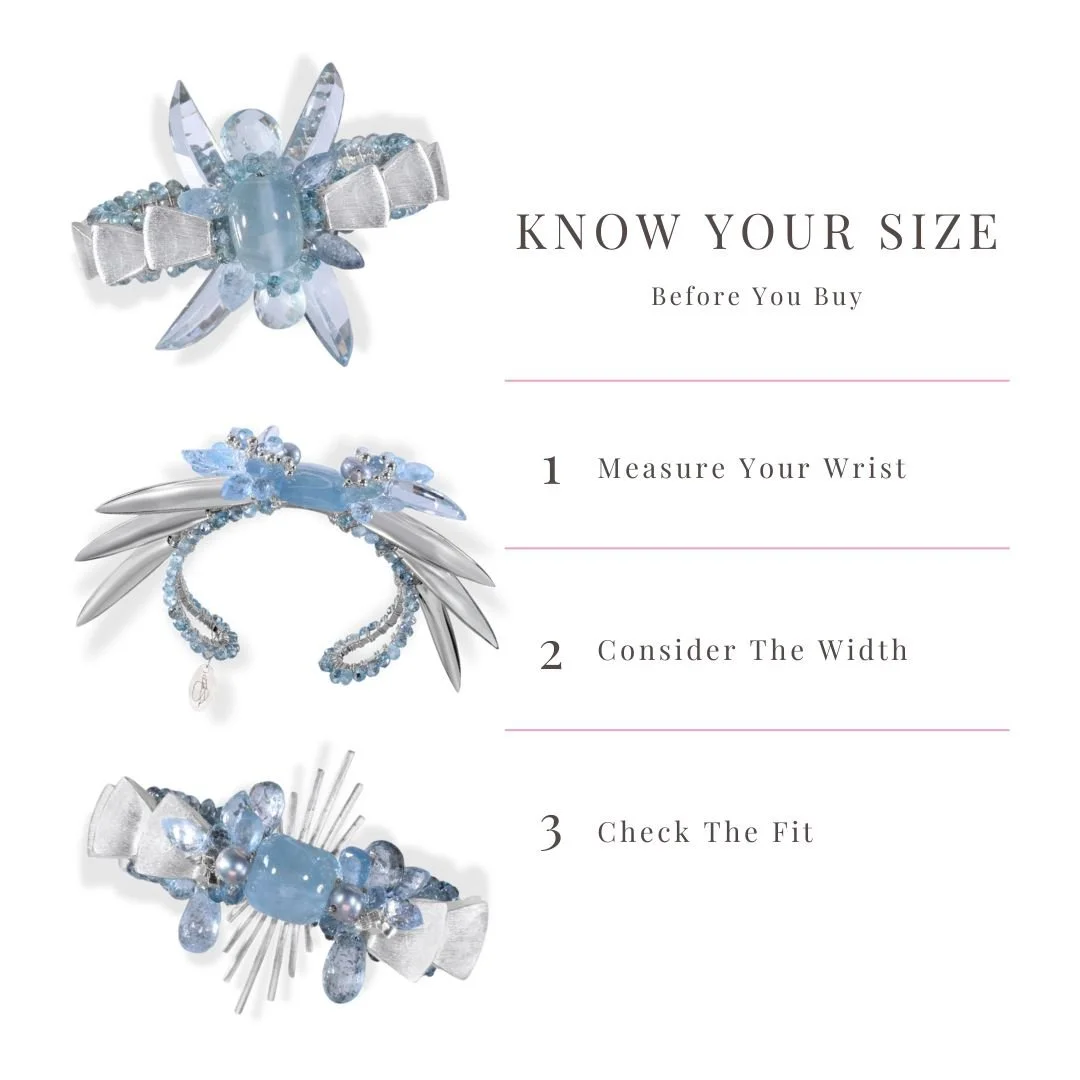
Statement Pieces: For those who love bold jewelry, an aquamarine bracelet—whether in cuff form or paired with other gemstones—can make a dramatic statement. These pieces are perfect for turning heads and adding a splash of color to your ensemble.