Unique Handmade Gemstone JewelryOne of a Kind, Built by Hand in Denver
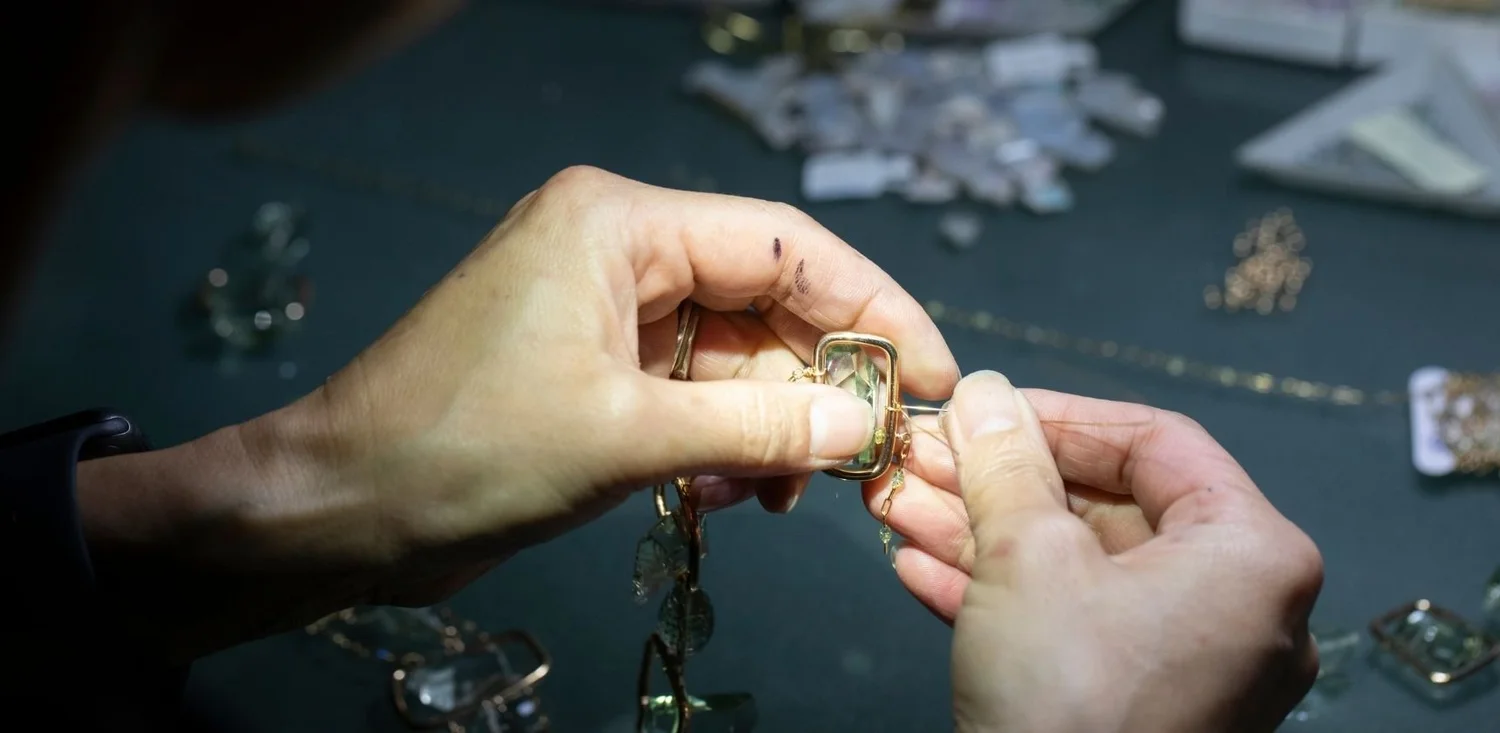
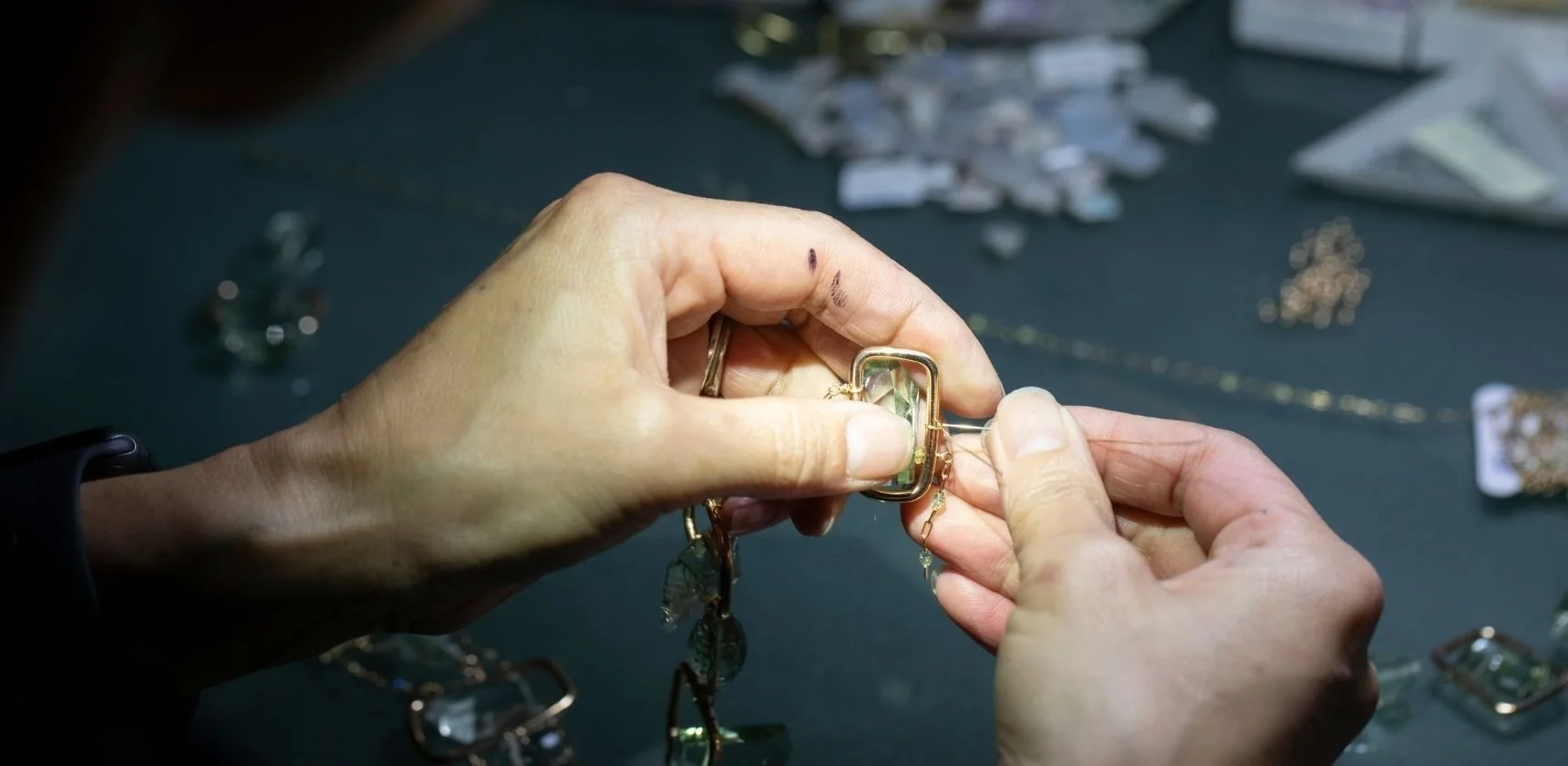
Andrea Li Designs makes handmade gemstone jewelry in Denver, Colorado.
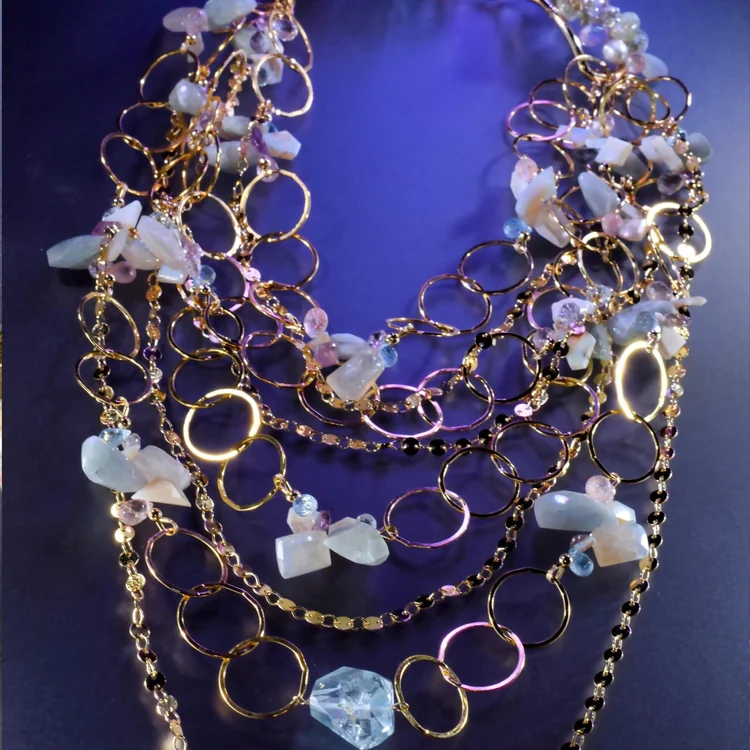
Each piece is handcrafted in 14k gold-filled, 14k gold, and sterling silver with genuine gemstones sourced primarily from the Tucson Gem Show. Andrea draws on every technique available, fabrication, wire work, casting, and assembly, unified into designs where no single element is recognizable in the final piece. Every design is one of a kind. When a piece sells, it's gone.
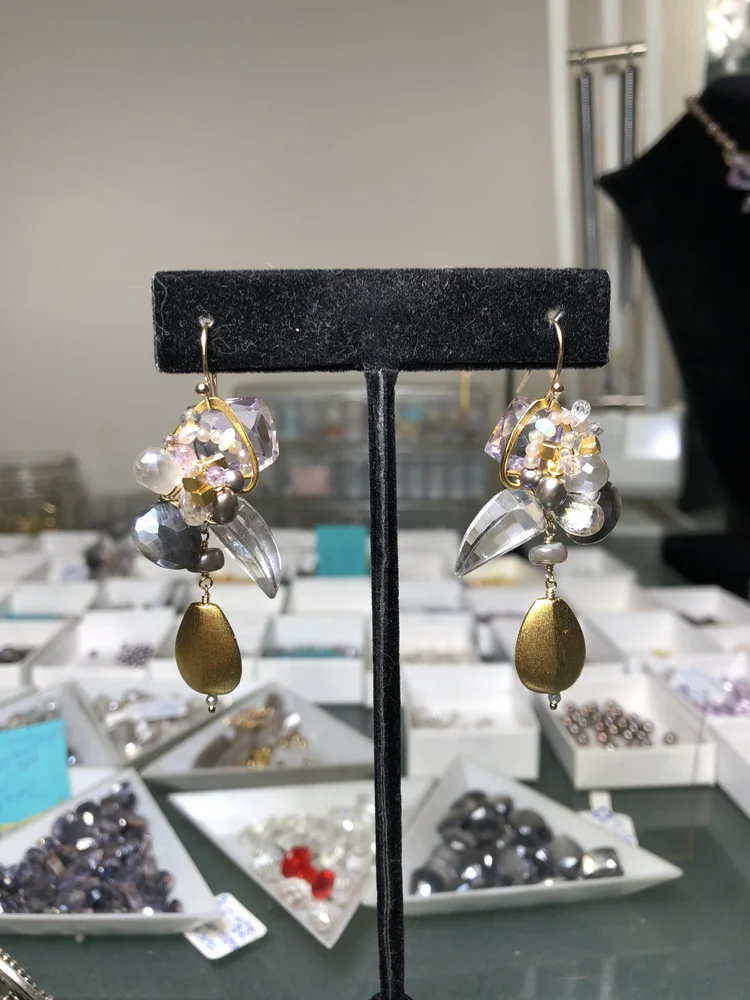
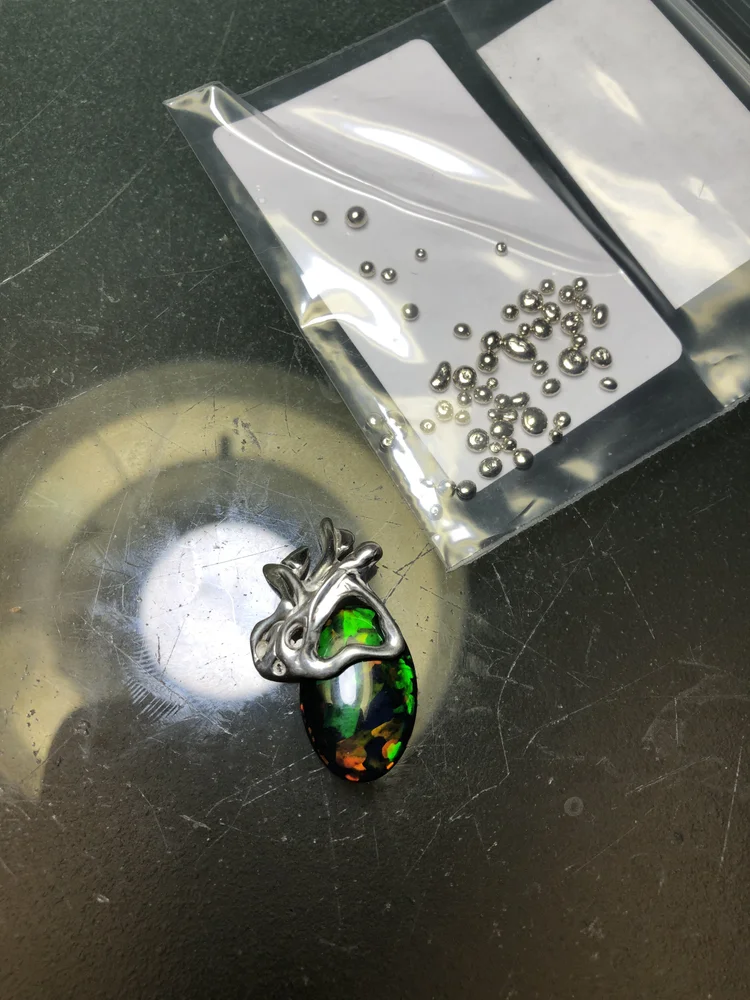
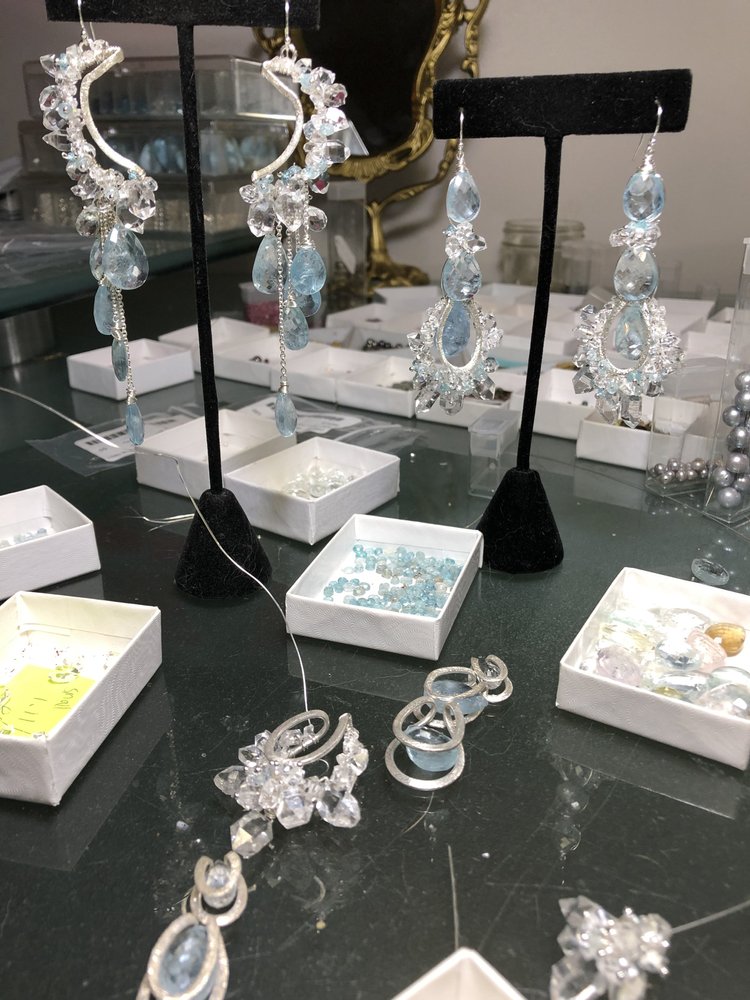
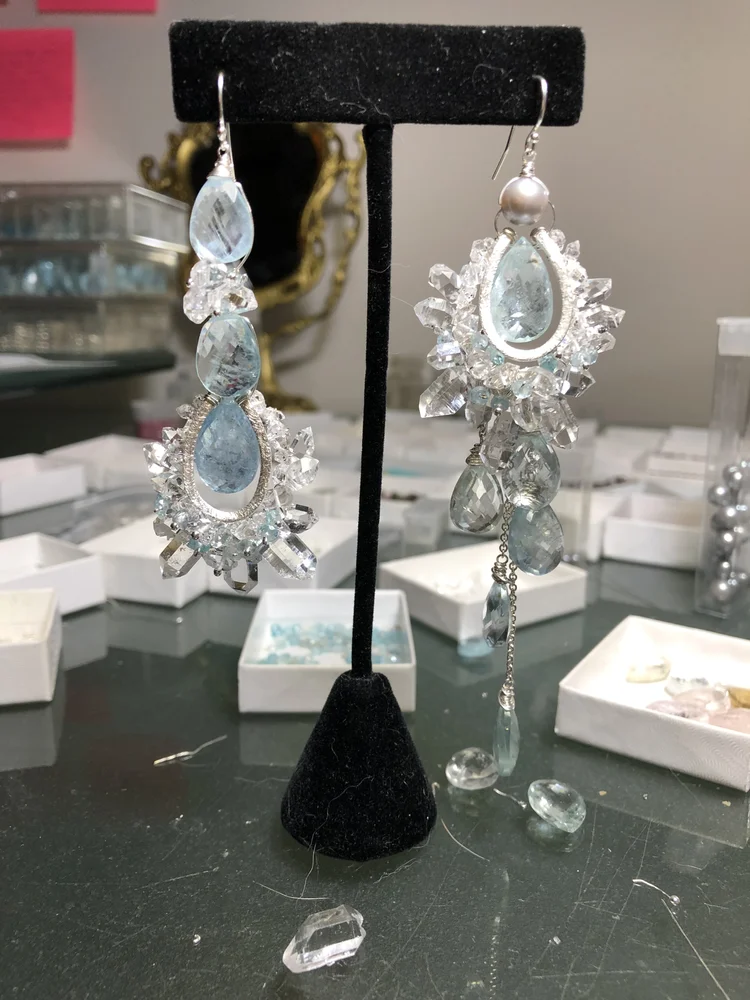
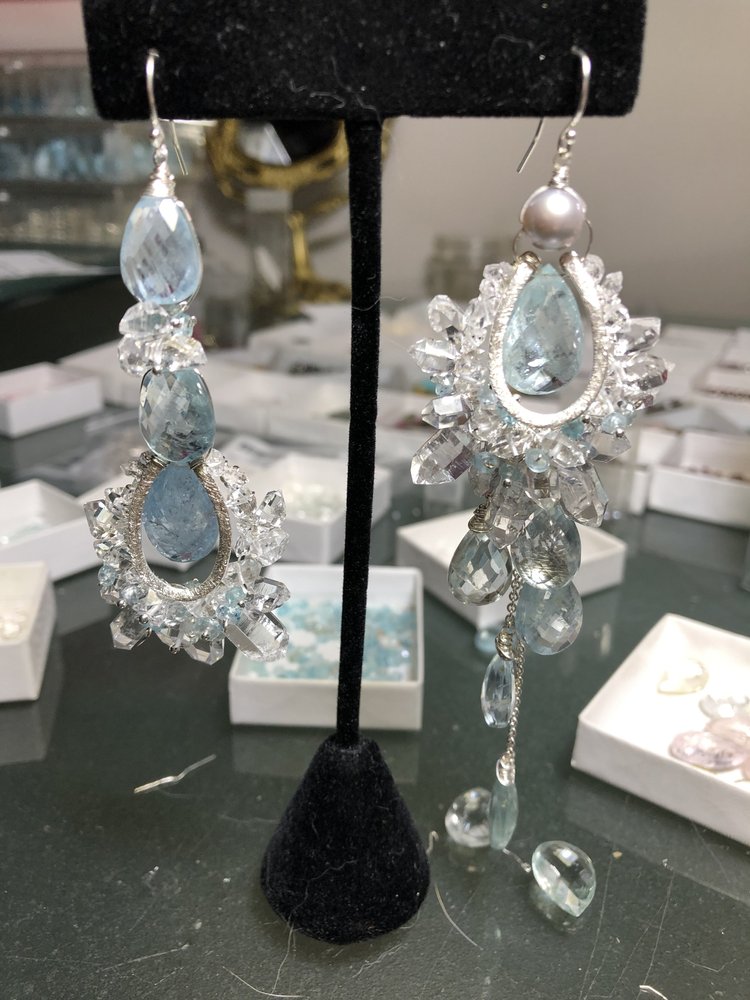
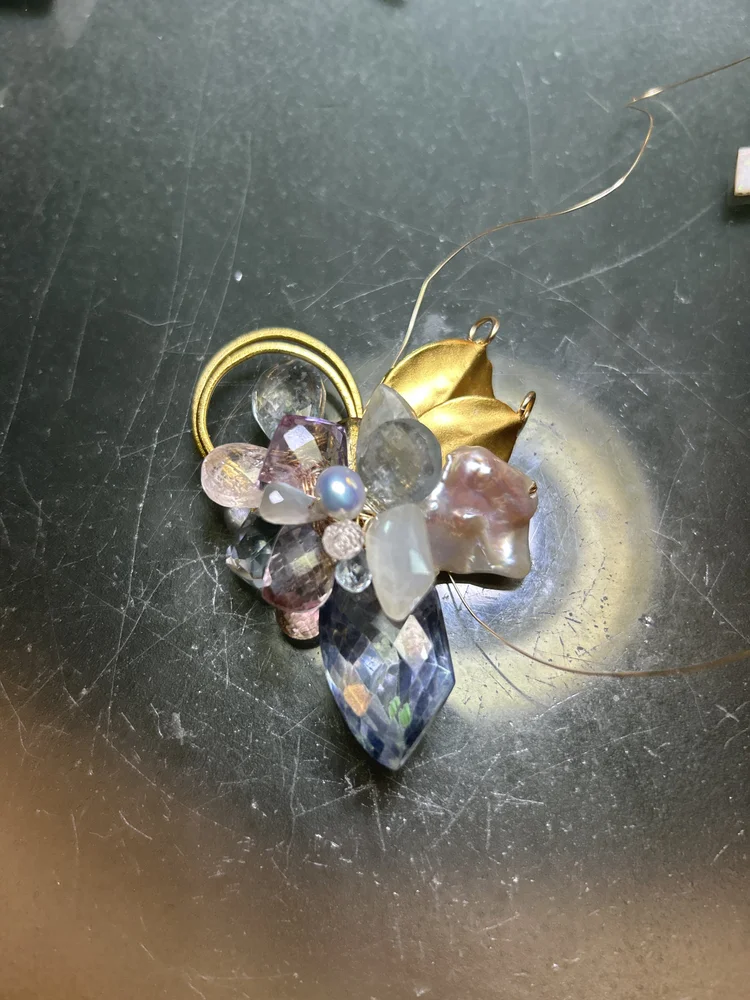
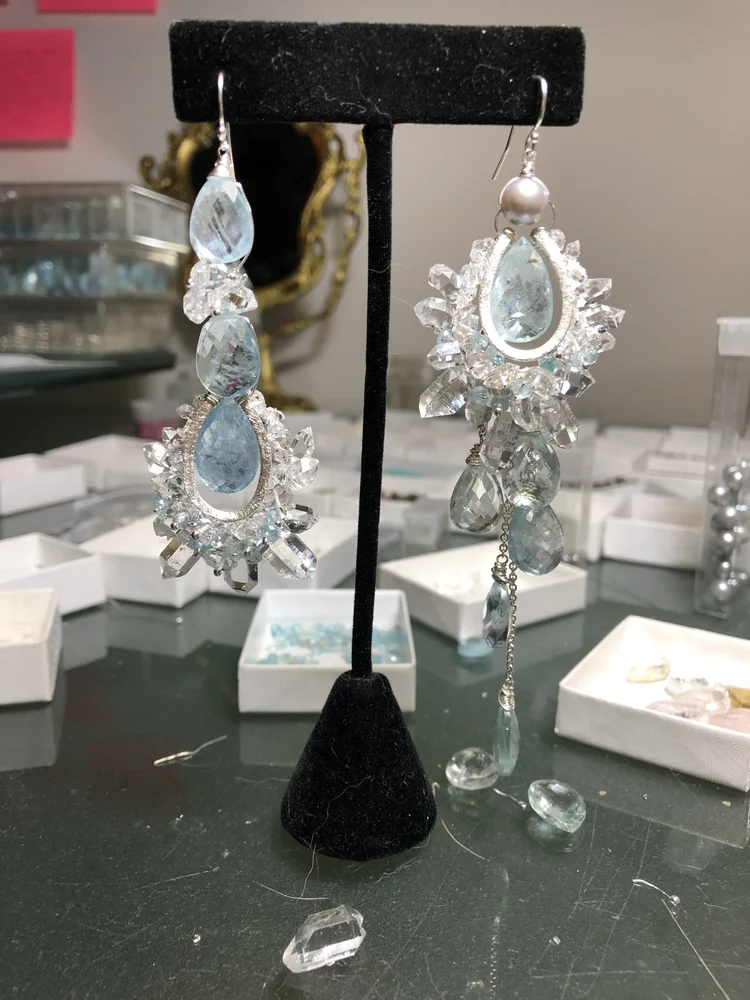
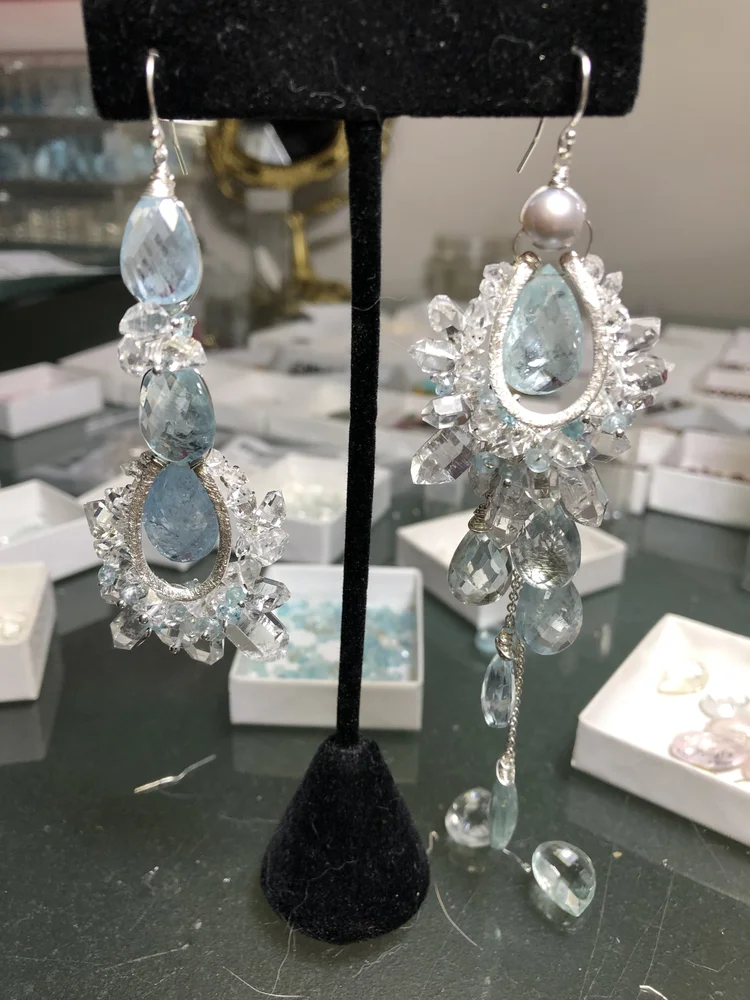
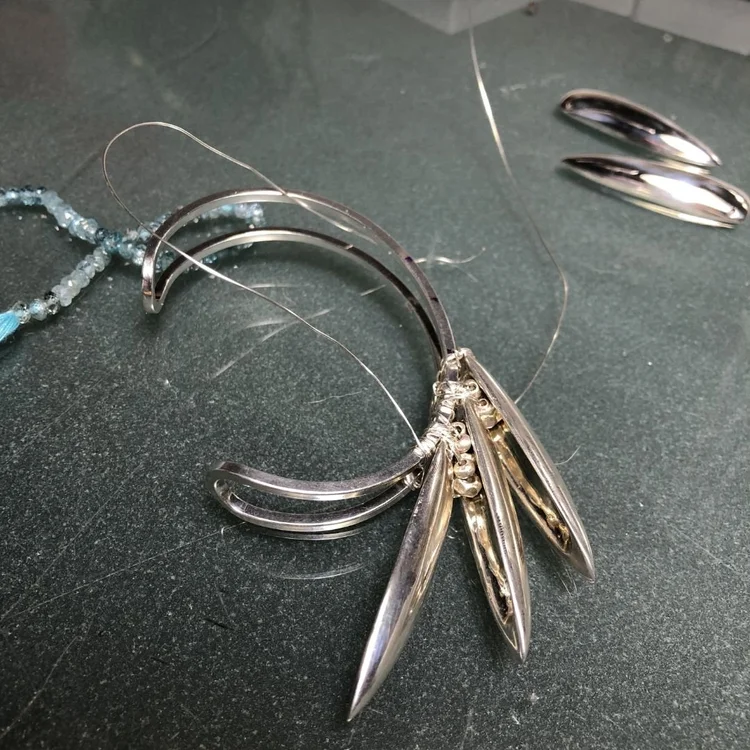
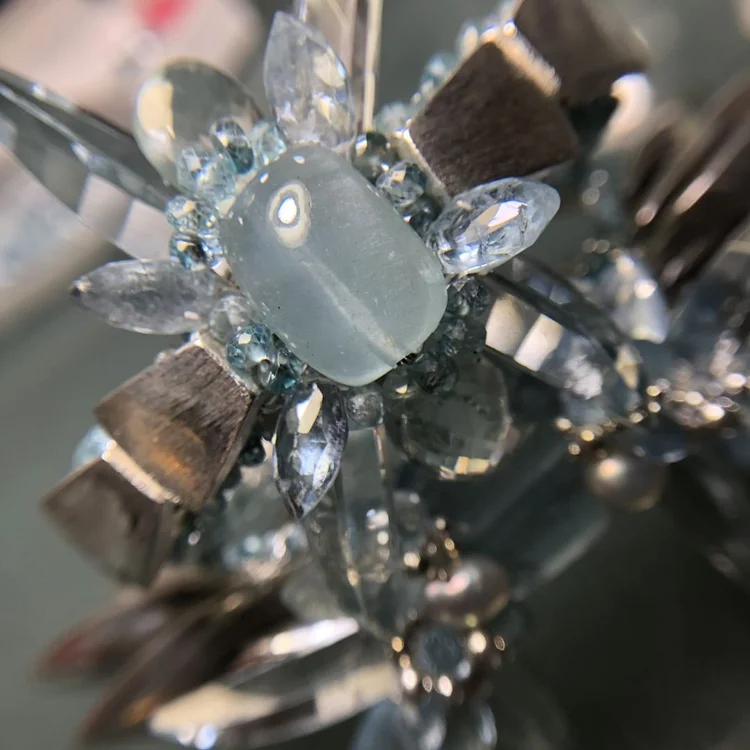
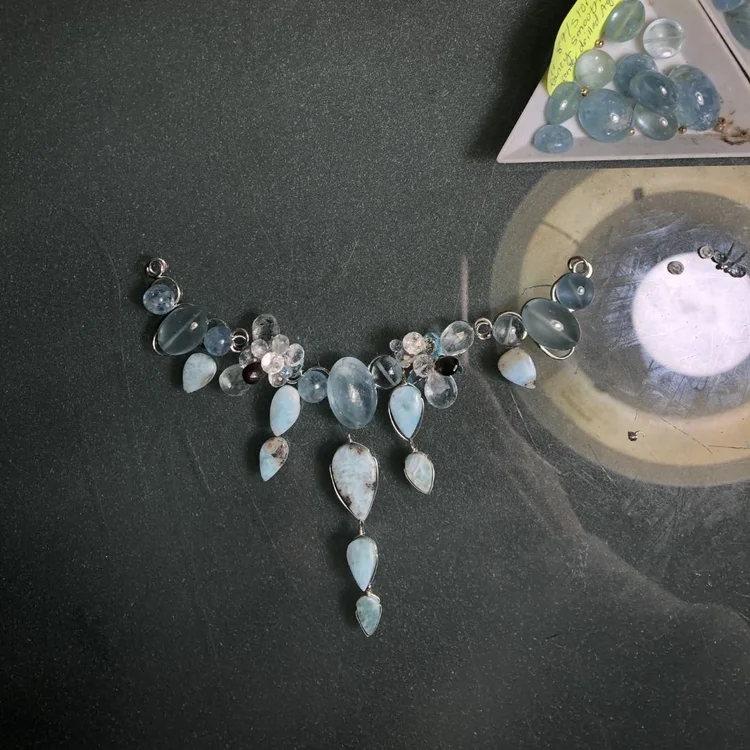
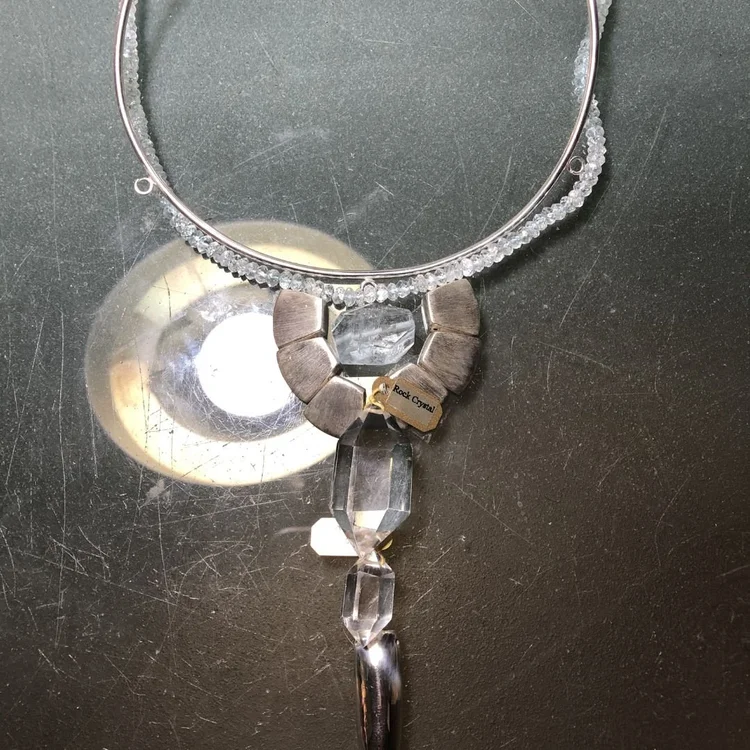
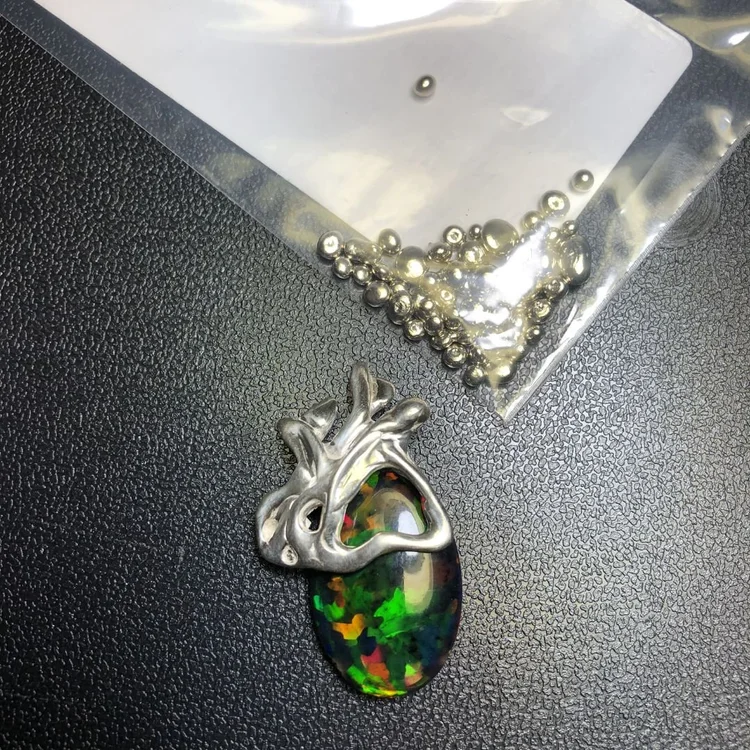
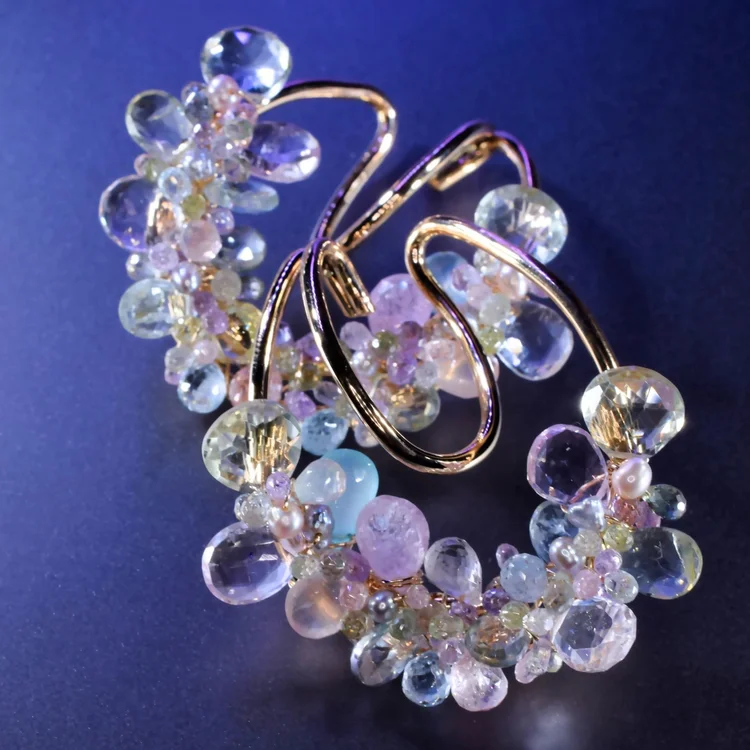
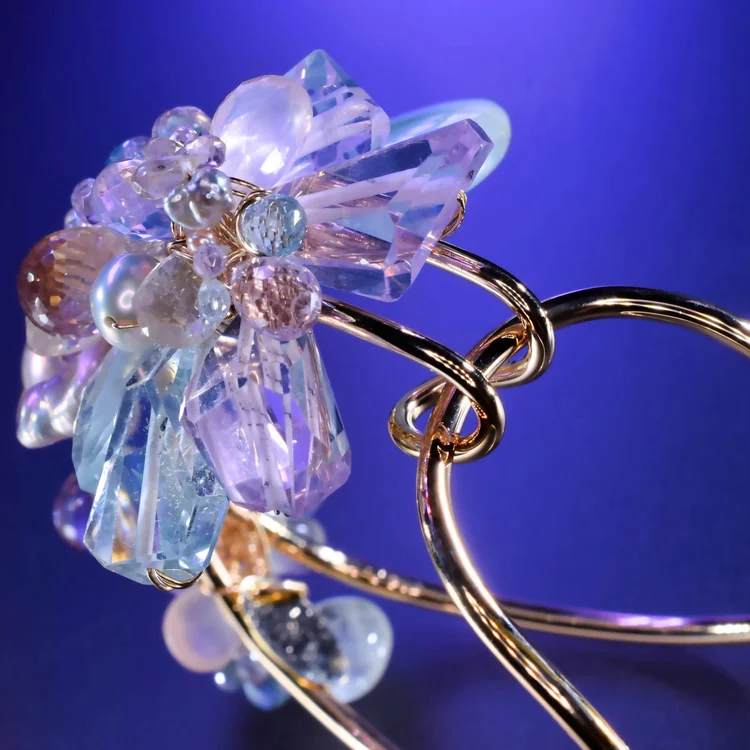
Handmade gets used loosely in the jewelry world. For Andrea Li, it means something specific: she selects each gemstone by hand, designs around that stone's individual character, and builds the piece at her bench using the full range of jewelry techniques. Stock chains become unrecognizable texture. Cast elements created by dripping hot wax into water become organic architecture. Gemstone clusters are built by hand-reaming individual stones with a diamond drill bit to enlarge the hole, threading them onto wire, then sculpting and layering the clusters for three-dimensional depth. The configuration of all these elements is what makes every piece unrepeatable.
"It's like a chess game," Andrea says. "I always have to be three moves ahead. I make little adjustments while I'm designing to manipulate the design to go where I want it to, five moves down."
What Handmade Actually Means
In the jewelry world, “handmade” can mean almost anything. A pendant snapped onto a stock chain. A pre-cut stone dropped into a pre-made setting. Components assembled in minutes and listed as artisan work. That’s not what handmade means in Andrea Li’s studio.
Every piece Andrea creates draws on the full range of jewelry techniques, not one method, but all of them, unified into a single design. Here’s what that looks like at the bench:
01 Fabrication
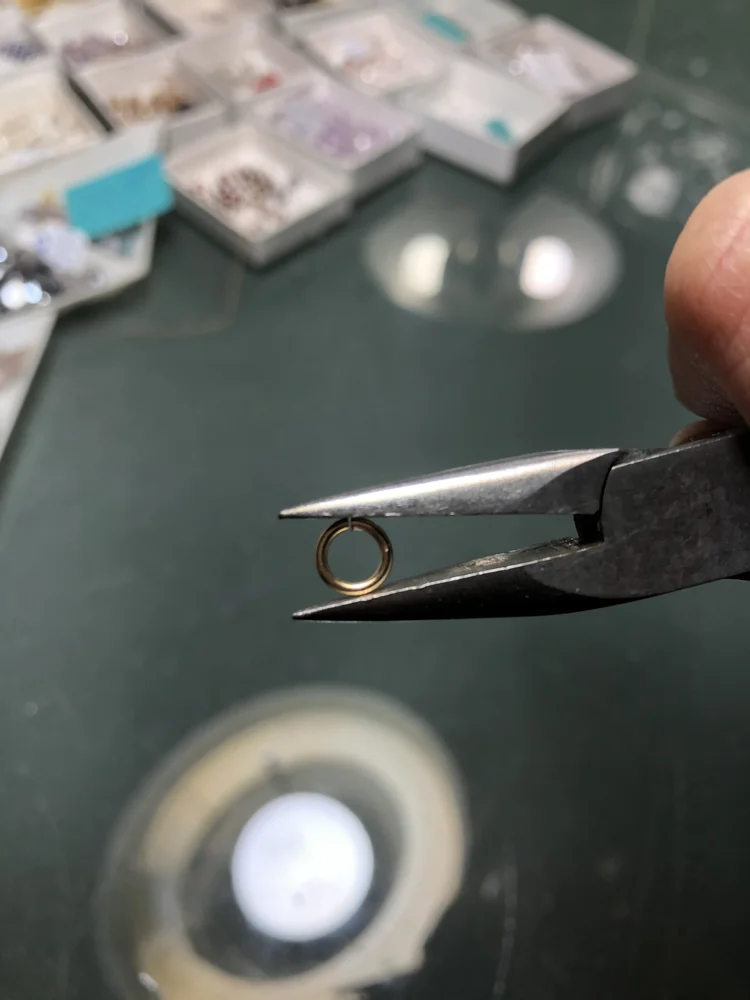
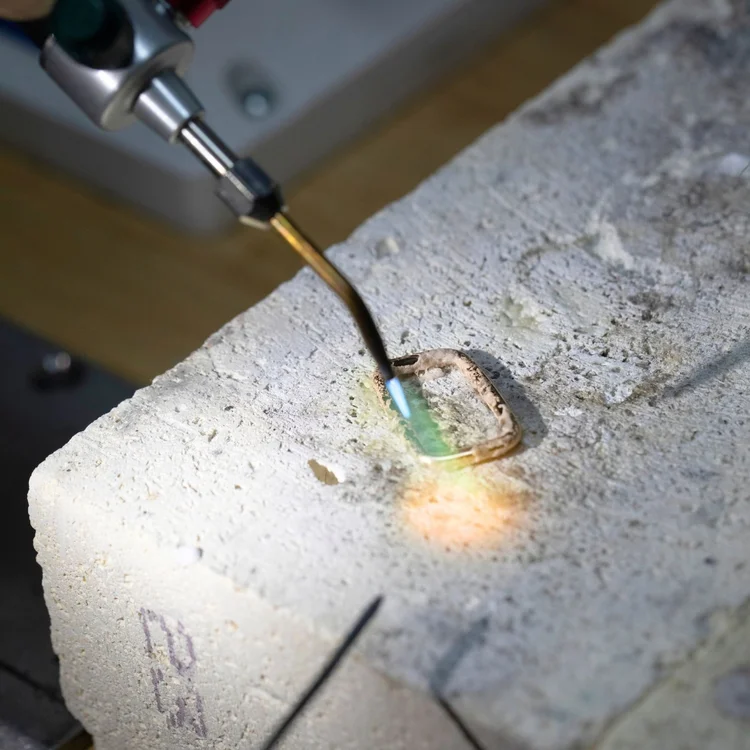
Raw sheet metal and wire are cut, soldered, shaped, and finished by hand. This is the structural foundation of every piece: the skeleton that everything else builds on.
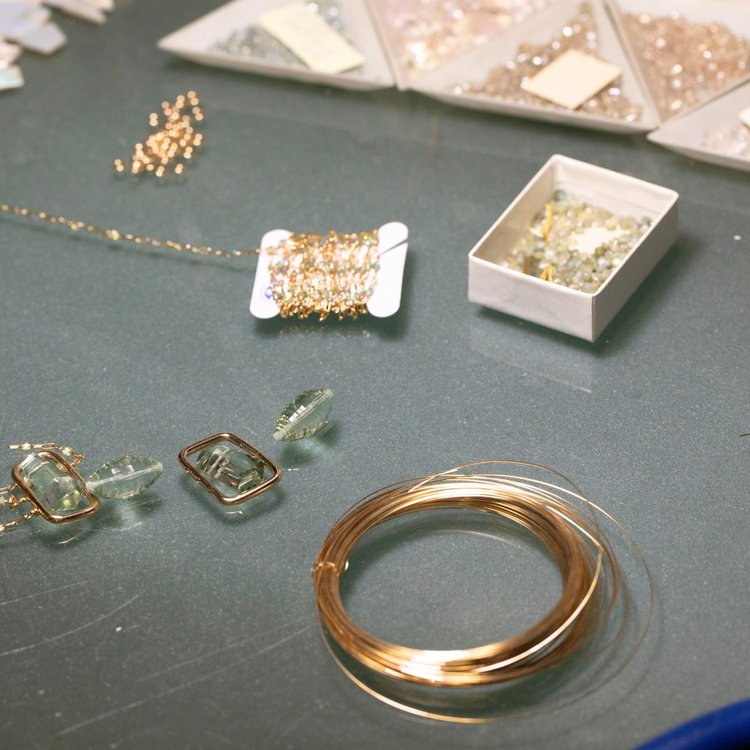
02 Wire Work
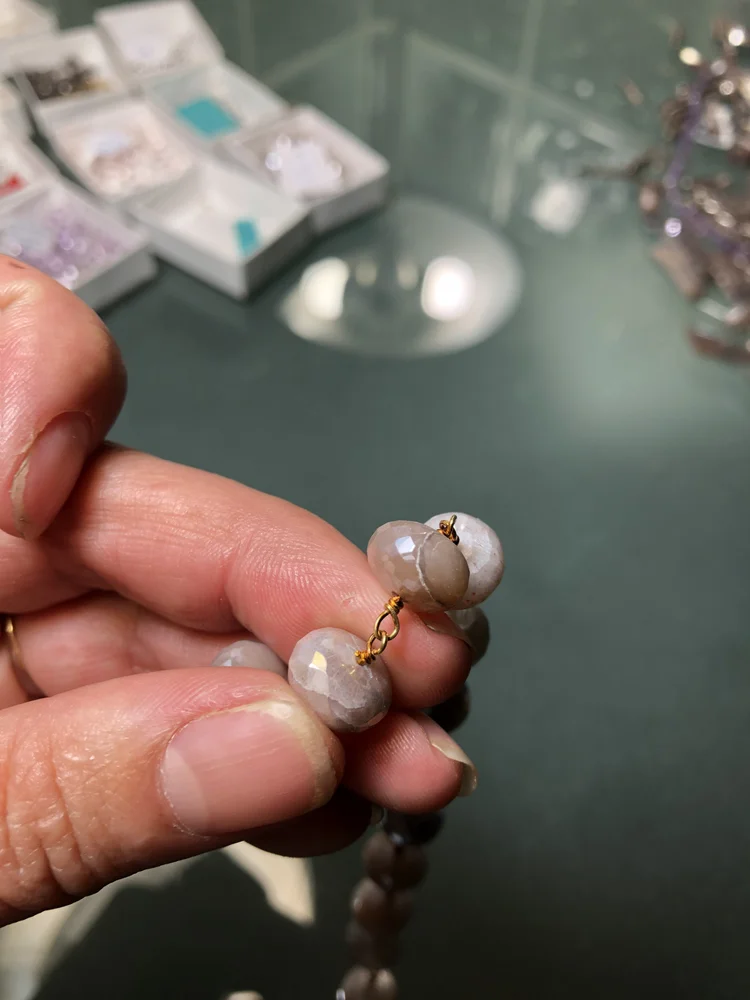
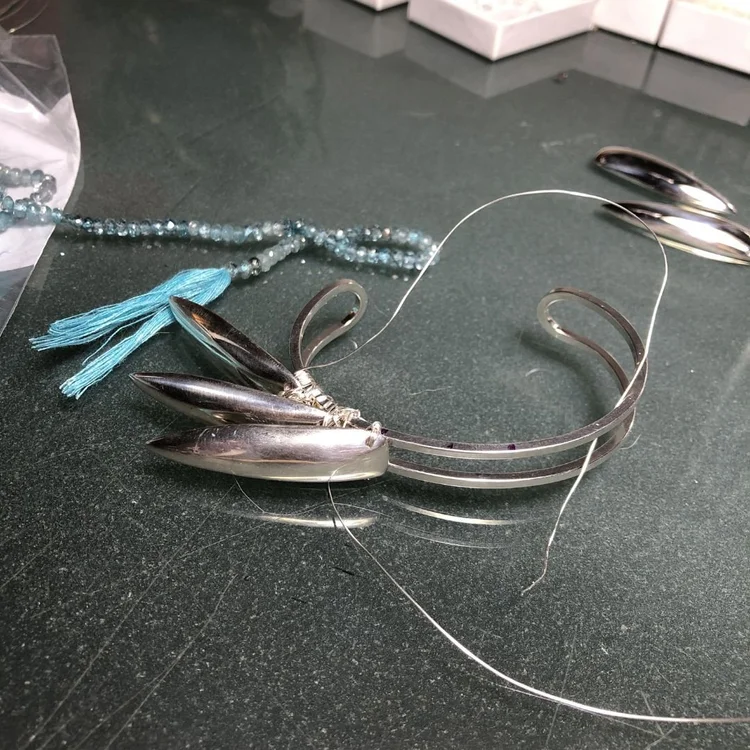
Wire is formed, wrapped, and woven to create connections between elements and add structural detail. This is what holds gemstone clusters in place and creates the organic movement within each design.
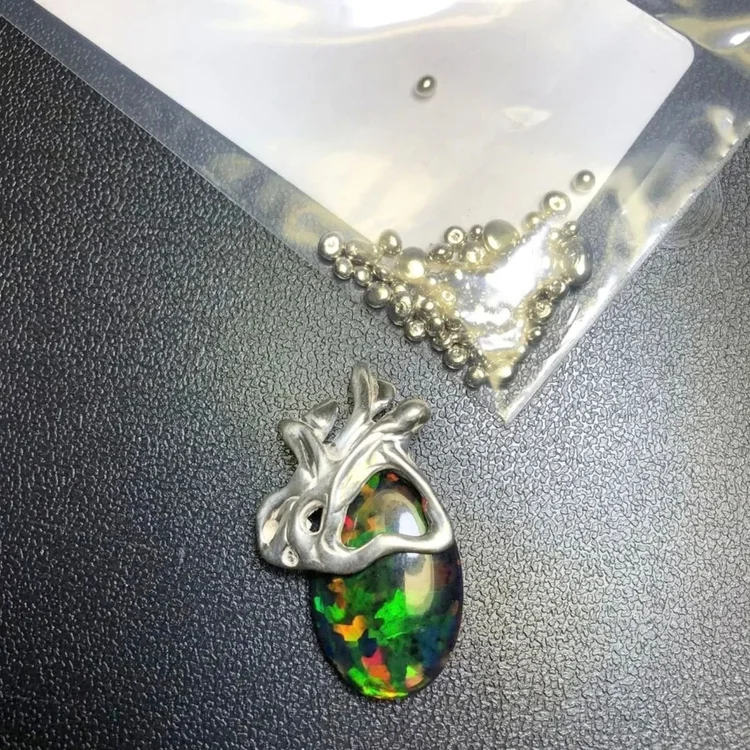
03 Casting
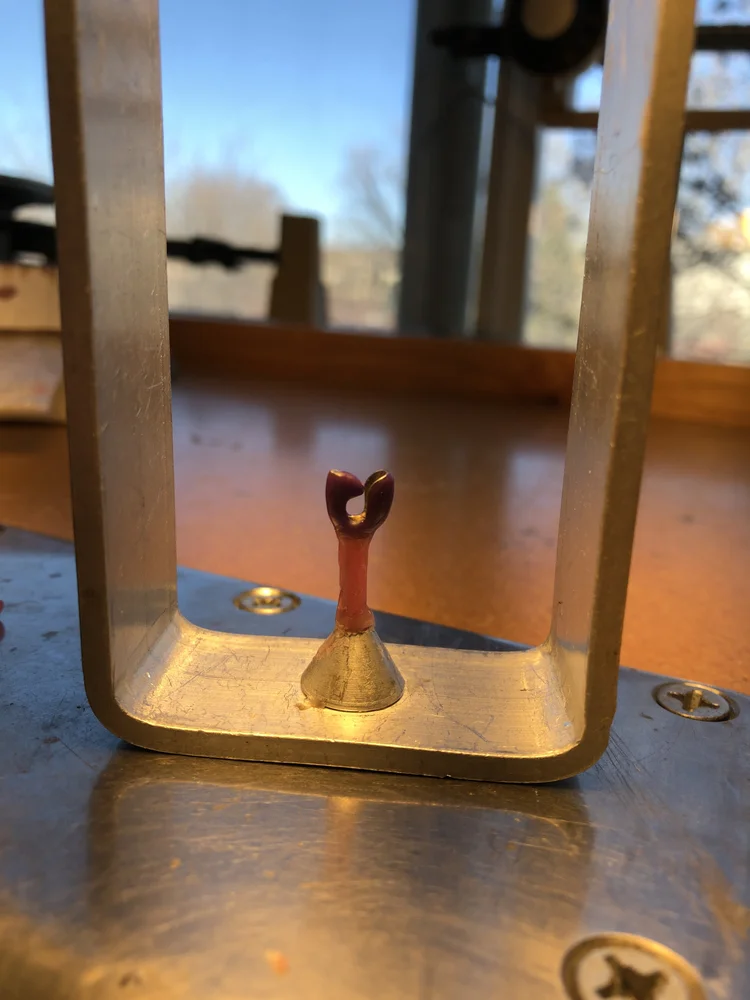
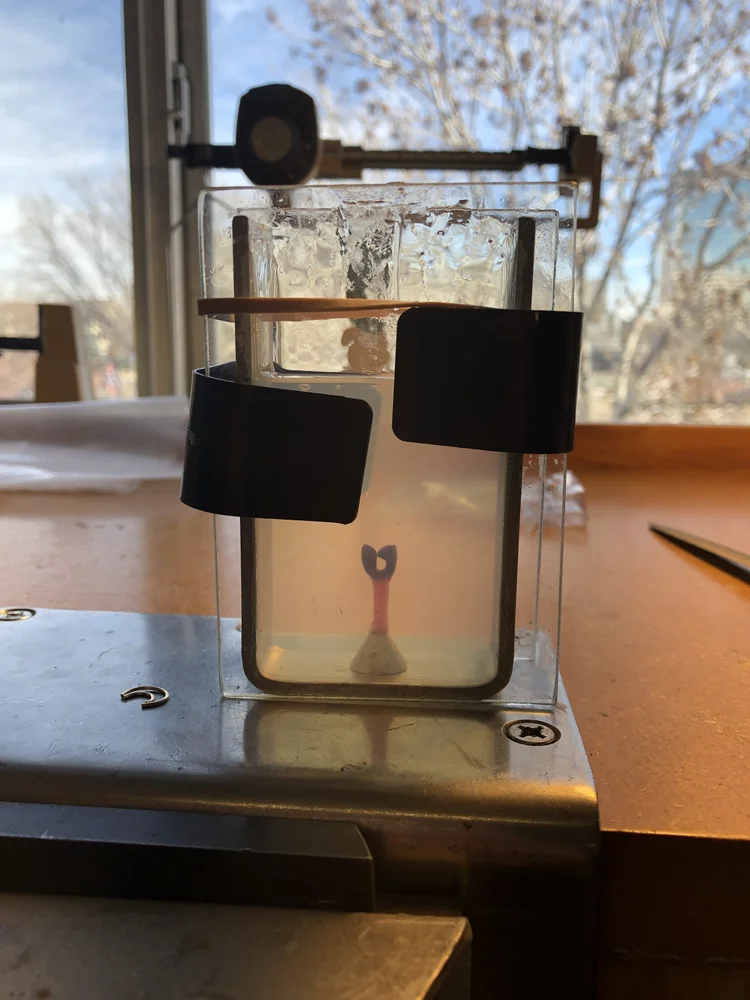
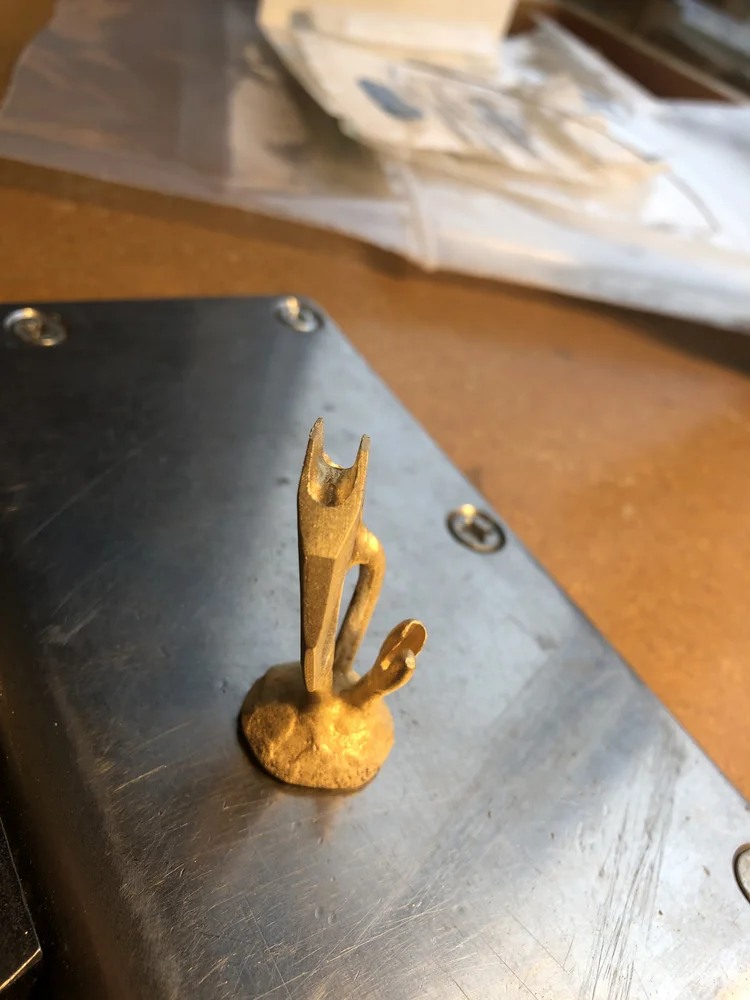
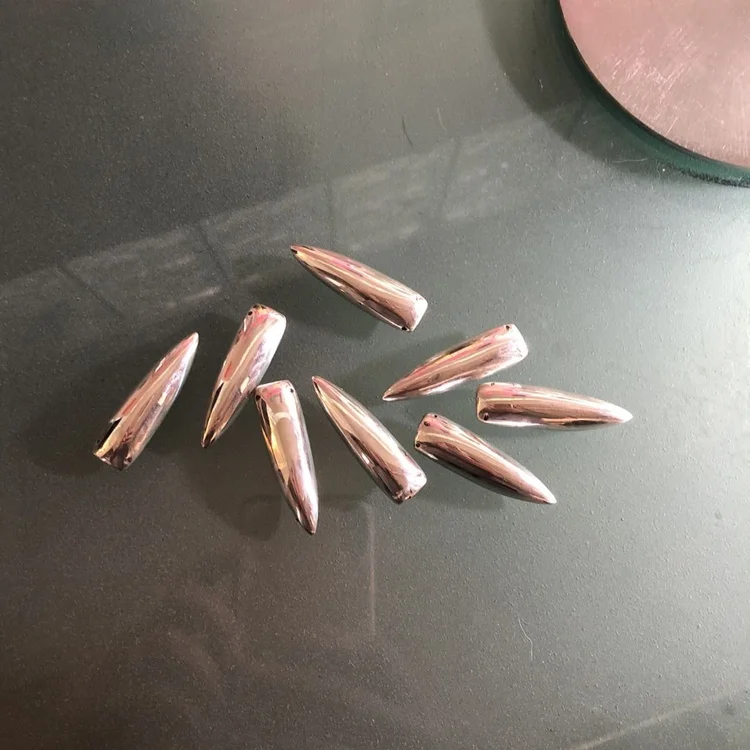
Andrea creates cast elements by dripping hot wax into water: the organic shapes that form as the wax cools become architectural components woven into the larger design. These aren’t mass-produced castings. They’re one-off forms that can never be exactly replicated.
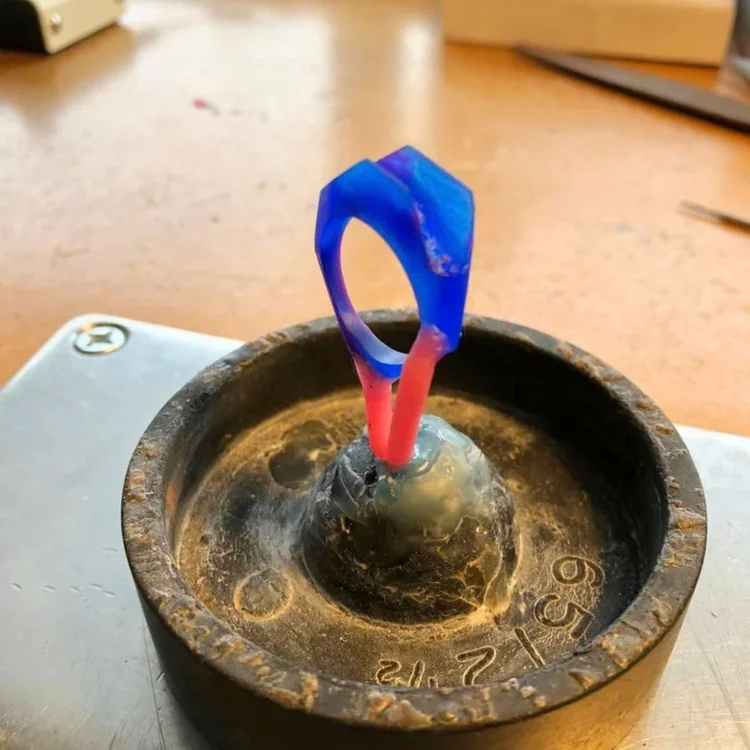
04 Wax Carving
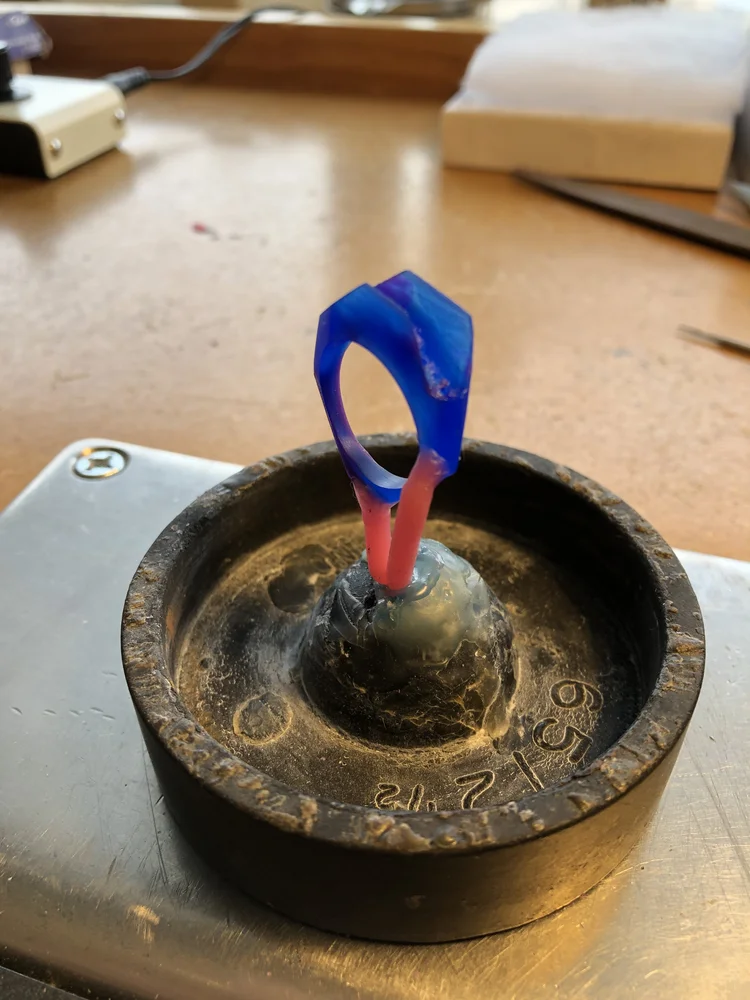
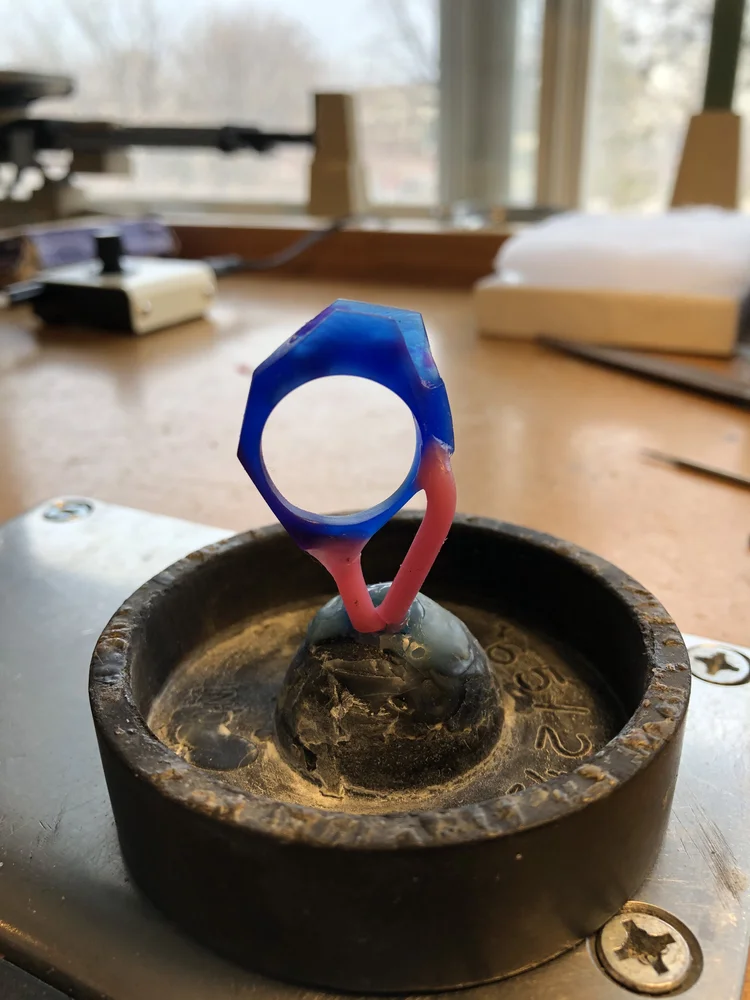
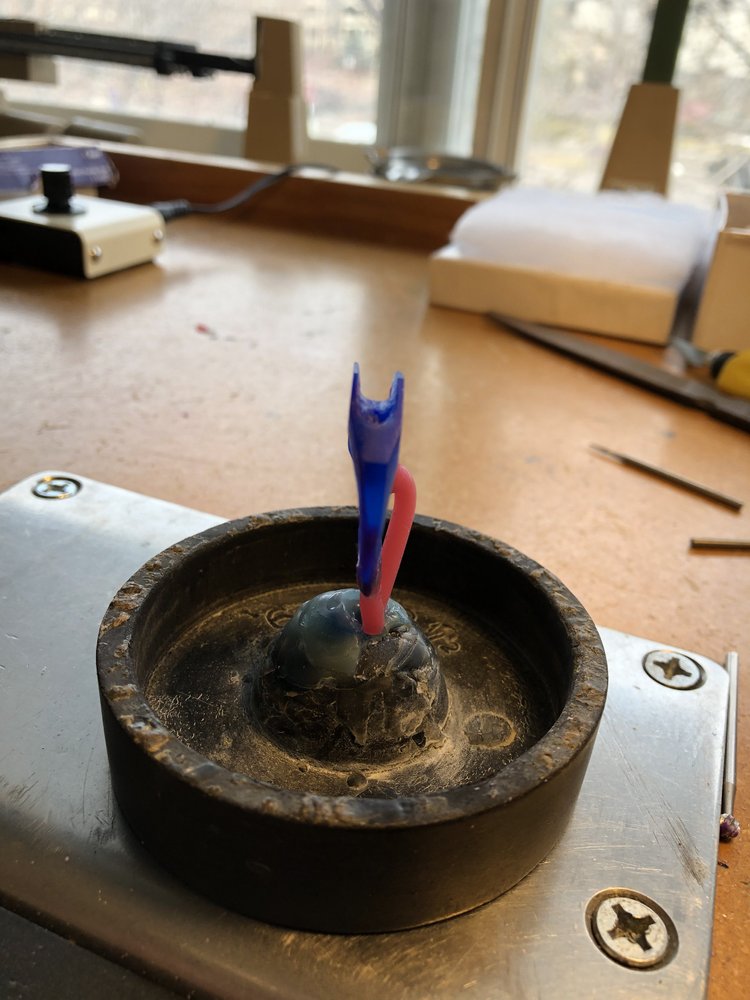
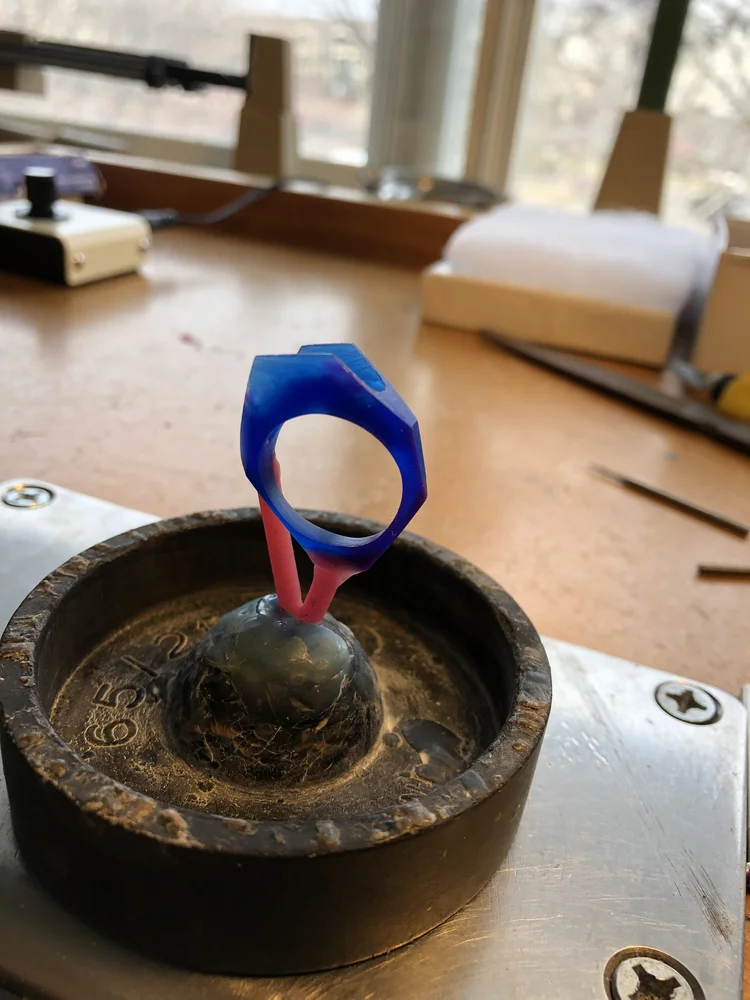
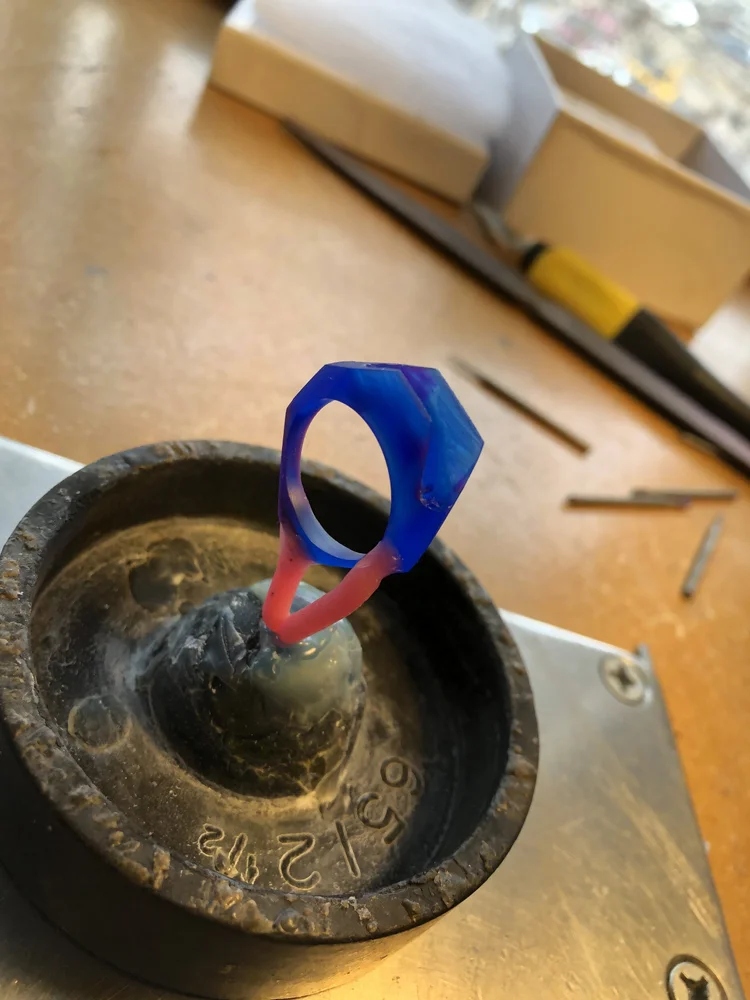
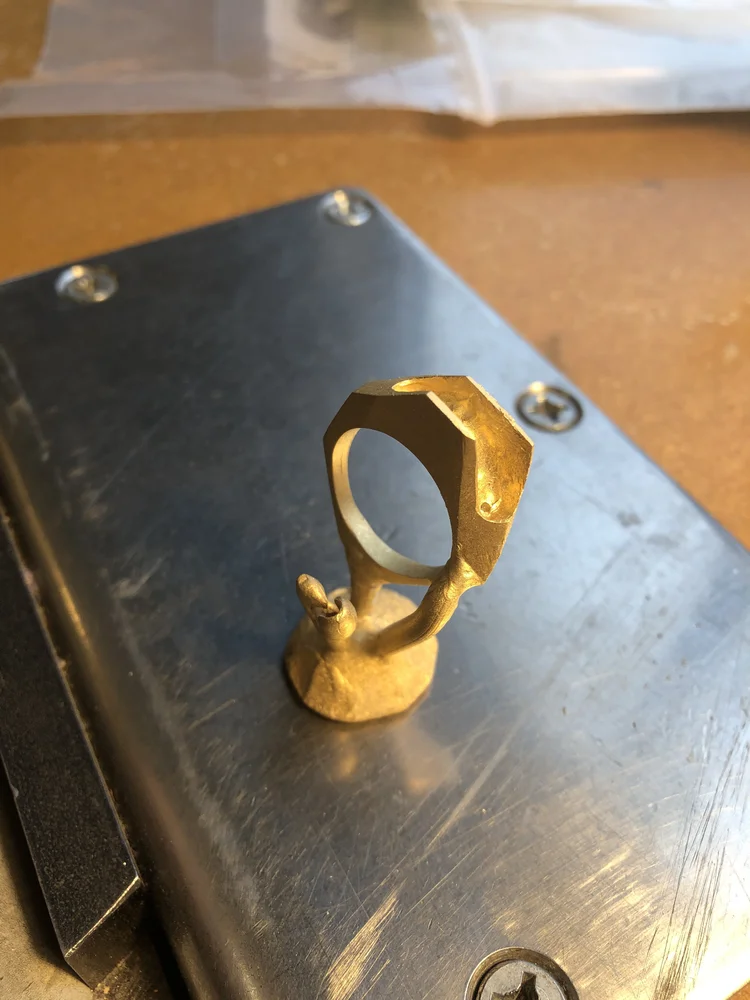
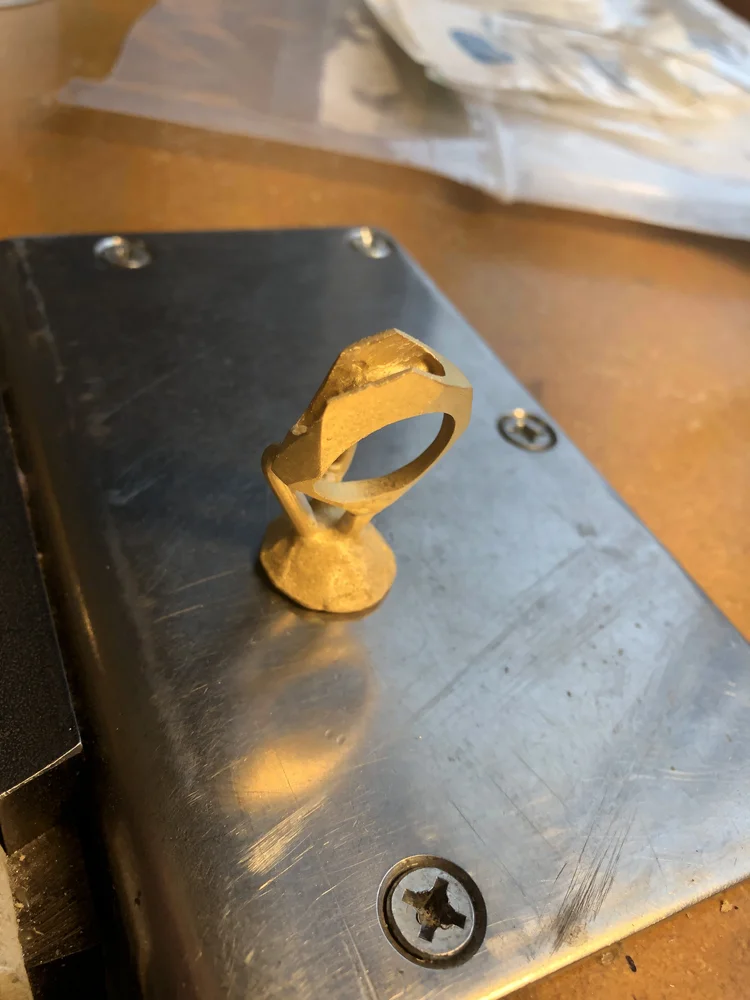
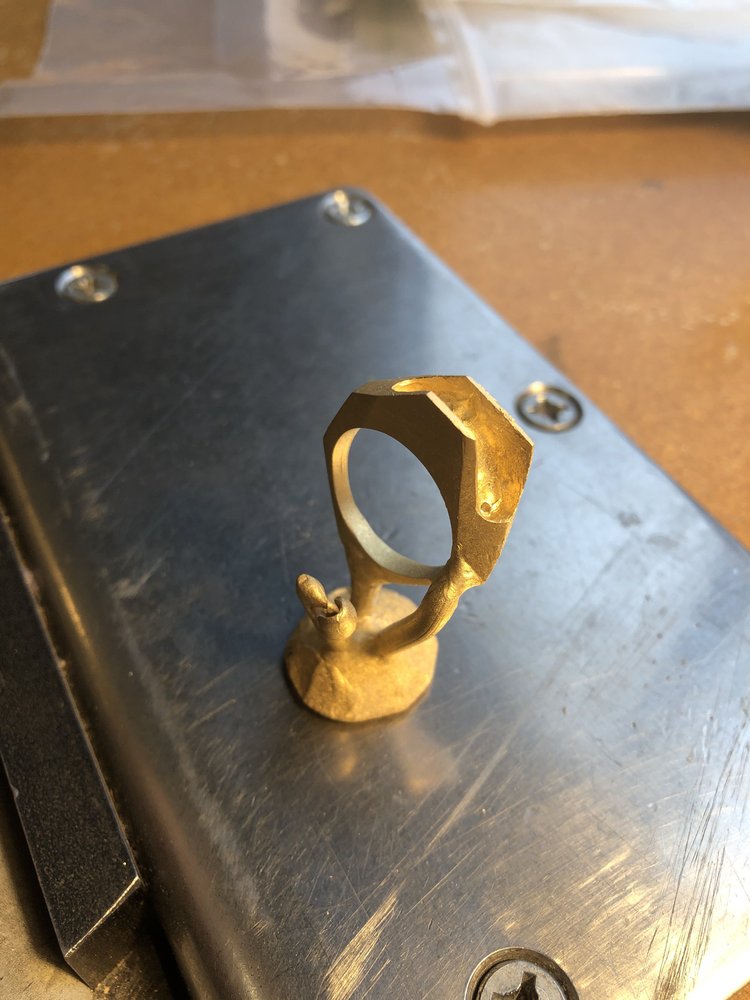
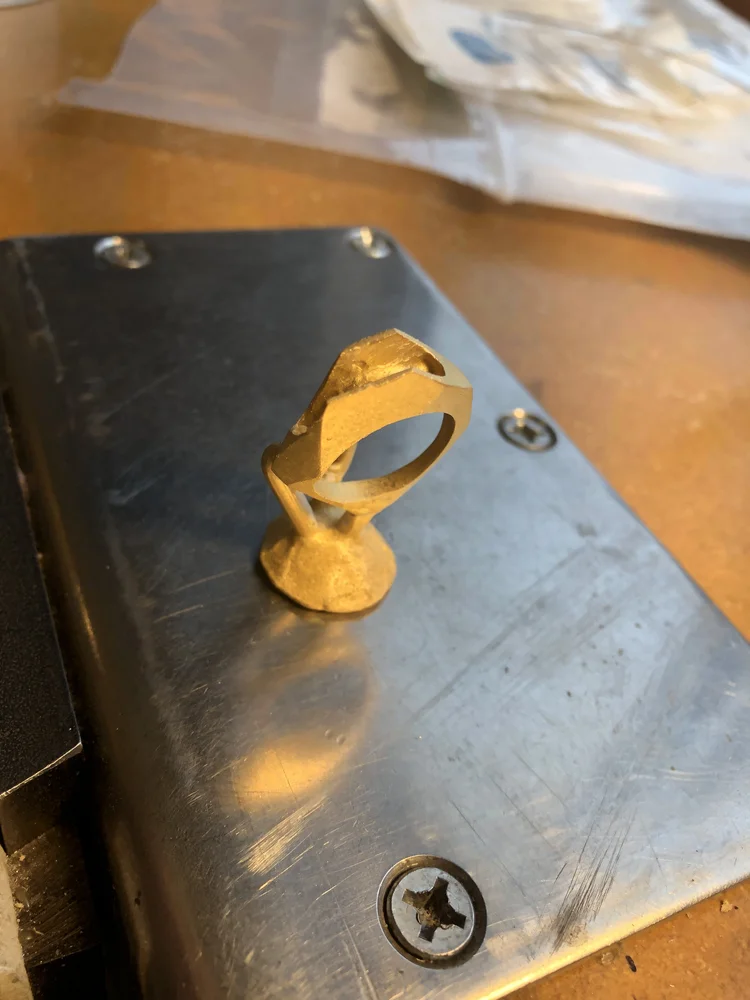
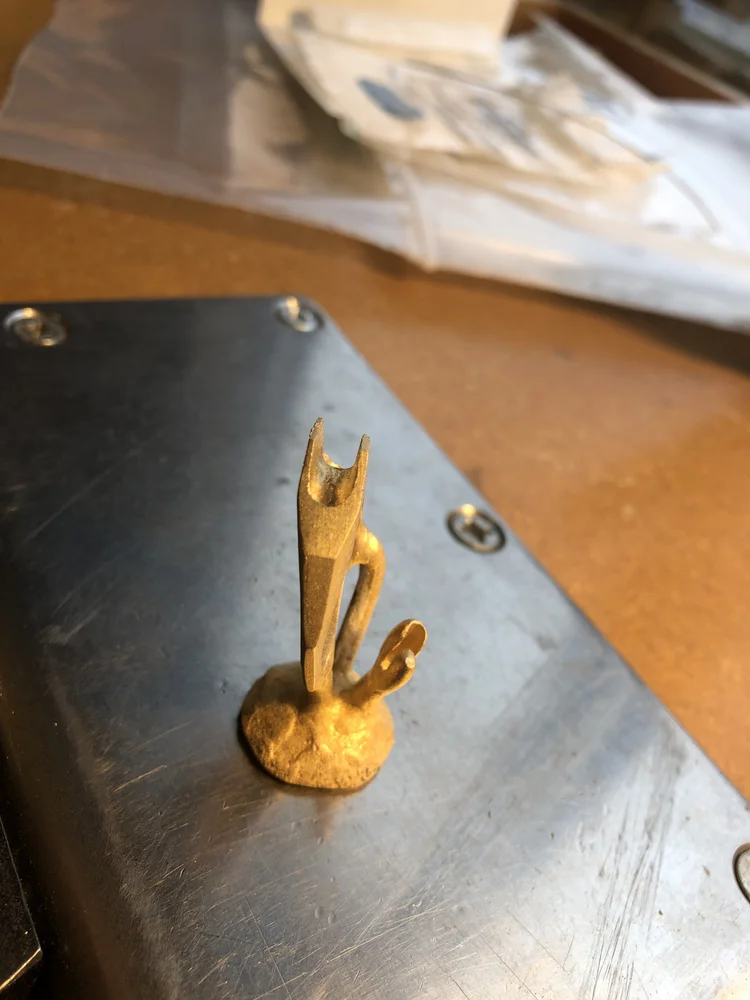
Andrea also does intentional wax carving from wax ring tubes to create custom ring bands that are far from traditional that emphasize clean lines, organic shapes and functional simplicity. These designs are one-of-a-kind bespoke work made for one specific person, never to be repeated.
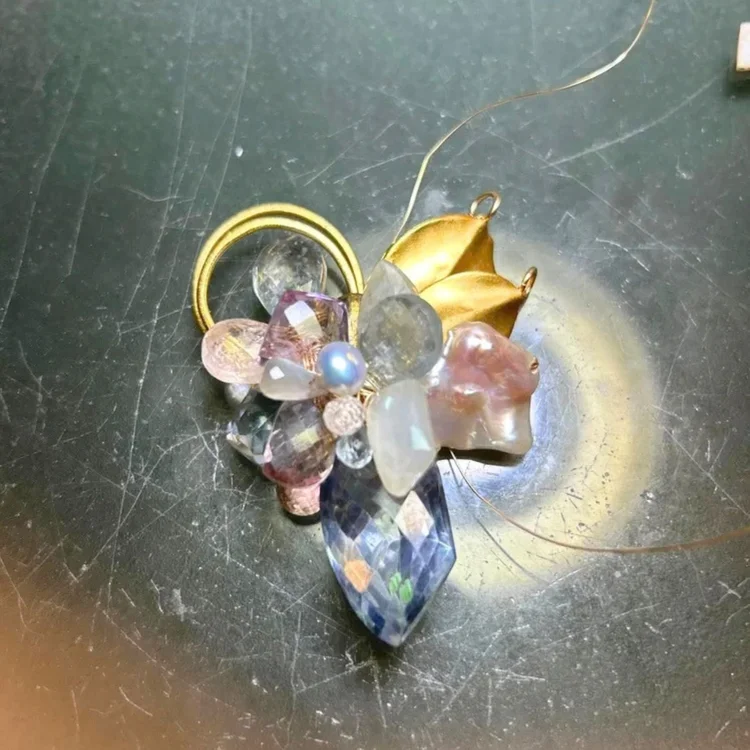
05 Gemstone Clustering
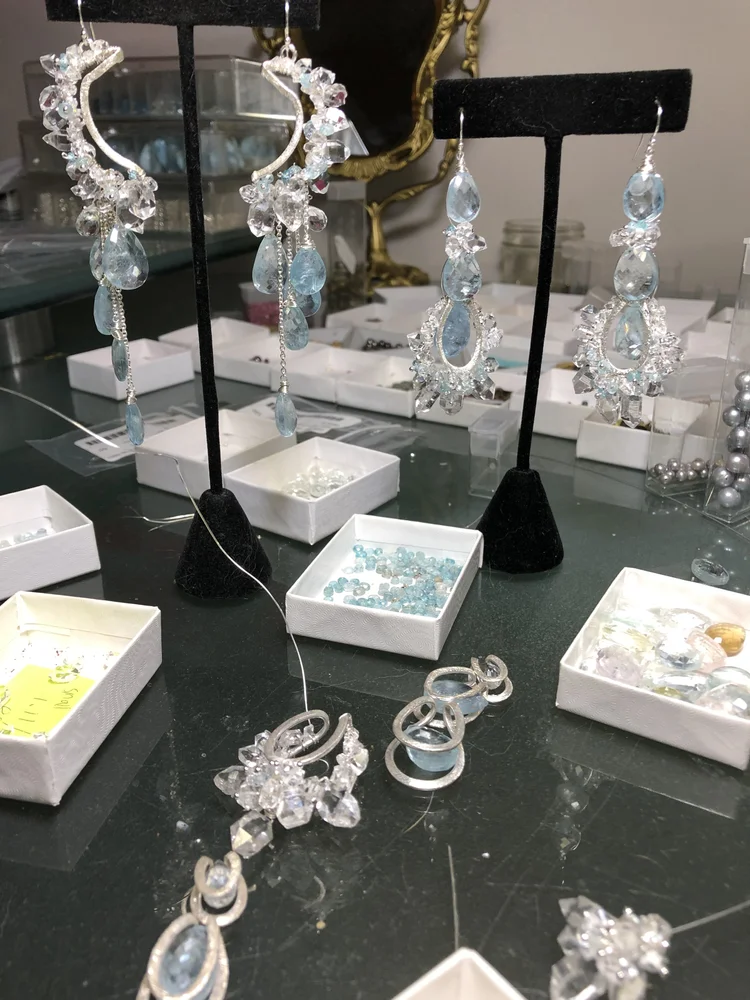
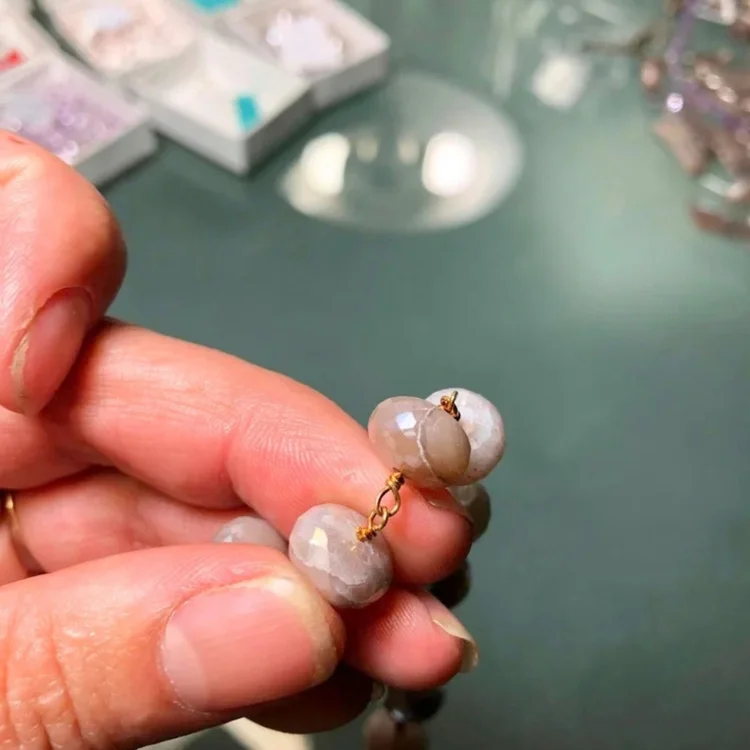
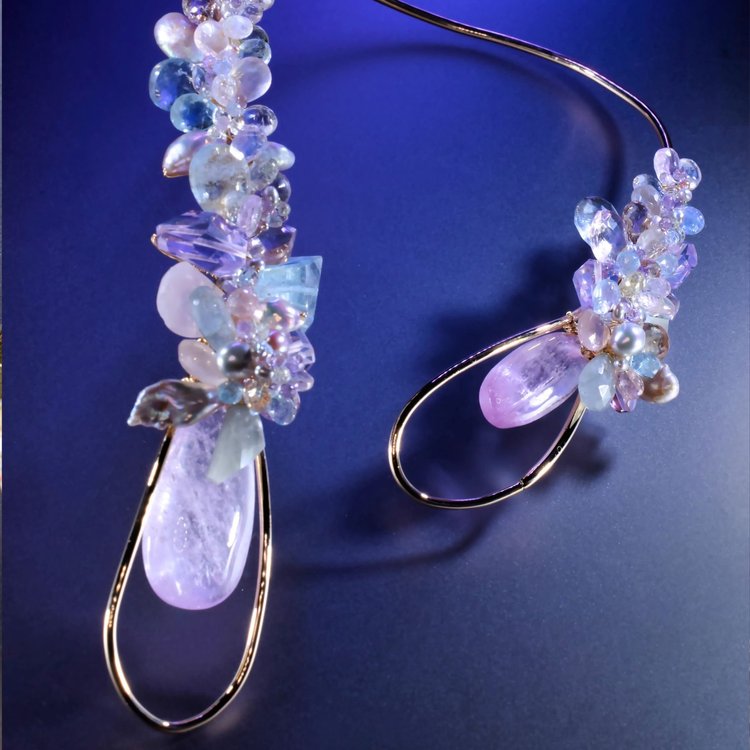
Individual gemstones are hand-reamed with a diamond drill bit to enlarge the hole, threaded onto wire, then sculpted and layered into three-dimensional clusters. This is the most time-intensive part of the process: hours of work building depth and dimension one stone at a time.
06 Chain & Assembly
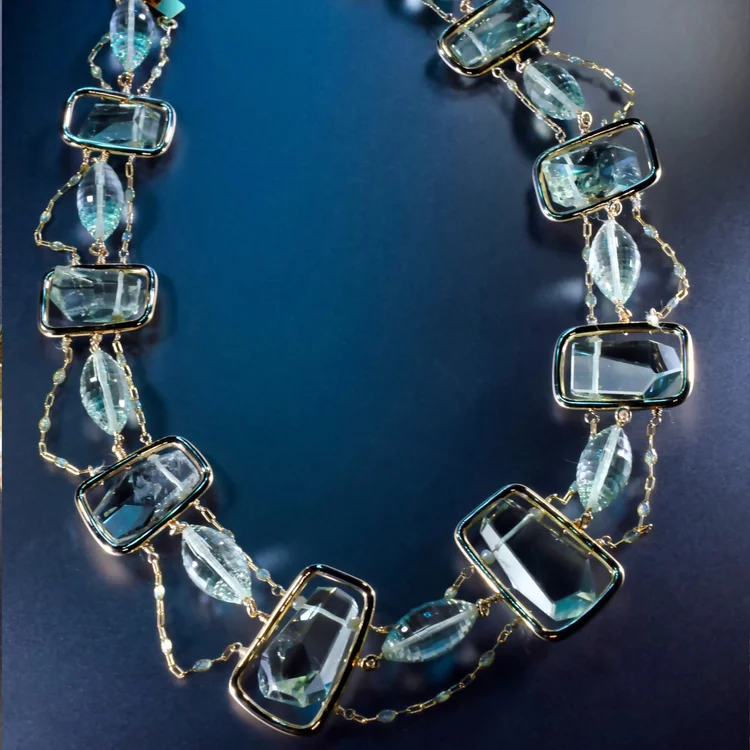
Carefully selected chains are layered for texture and balance, integrated so deeply into the design that they become unrecognizable as anything “stock.” Every element (fabricated, cast, wired, chained) is unified into a cohesive piece where no single component stands apart.
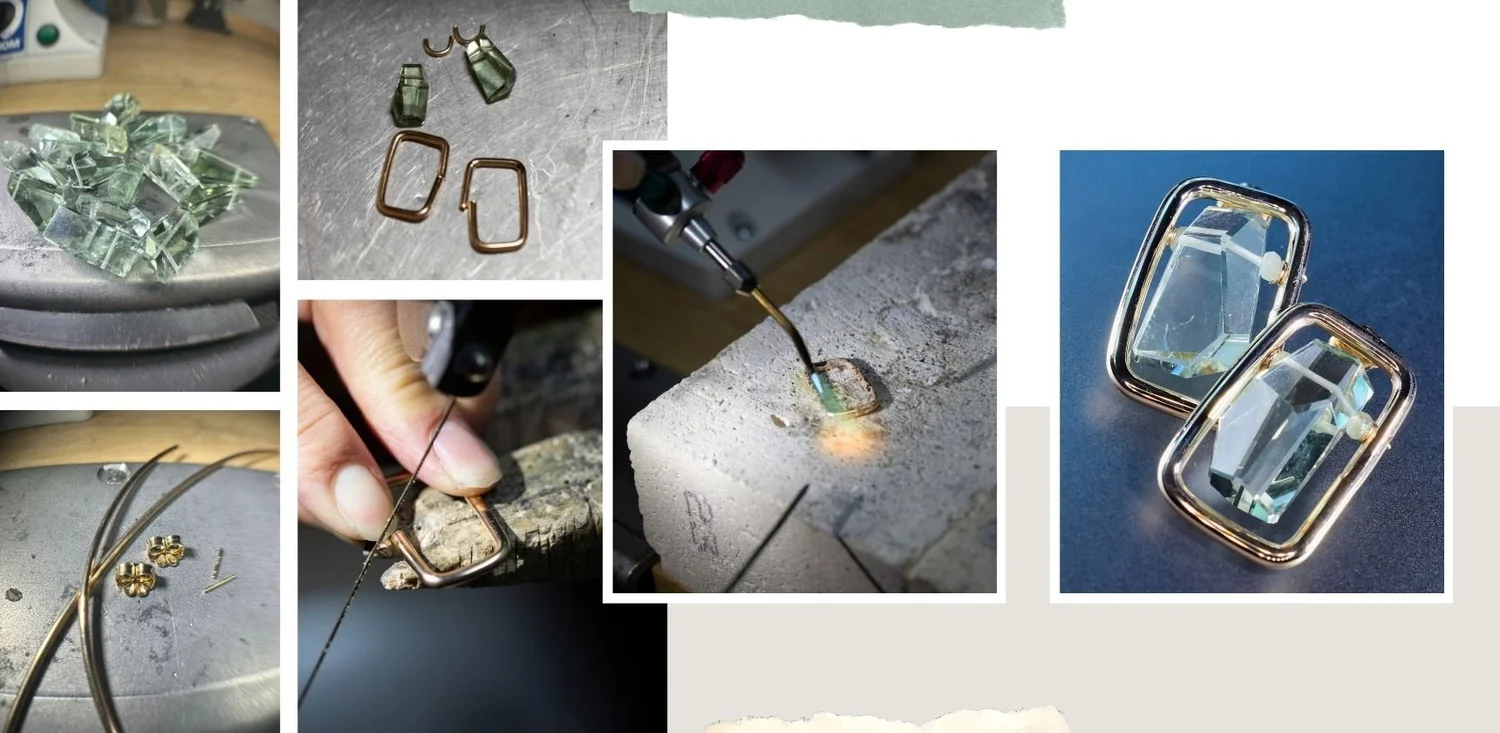
The result is jewelry where the process is invisible but the presence is unmistakable. You can’t look at a finished piece and see where the fabrication ends and the wire work begins. That’s the point.
“It’s always kind of nerve-wracking when you spend hours and hours on these incredibly intricate gemstone clusters, not knowing exactly how it’s going to ultimately play out. Knowing that you’re always kind of taking a risk.”
How Andrea Li Sources Gemstones
Every piece starts with the stone, not a sketch, not a concept, not a trend report. The stone.
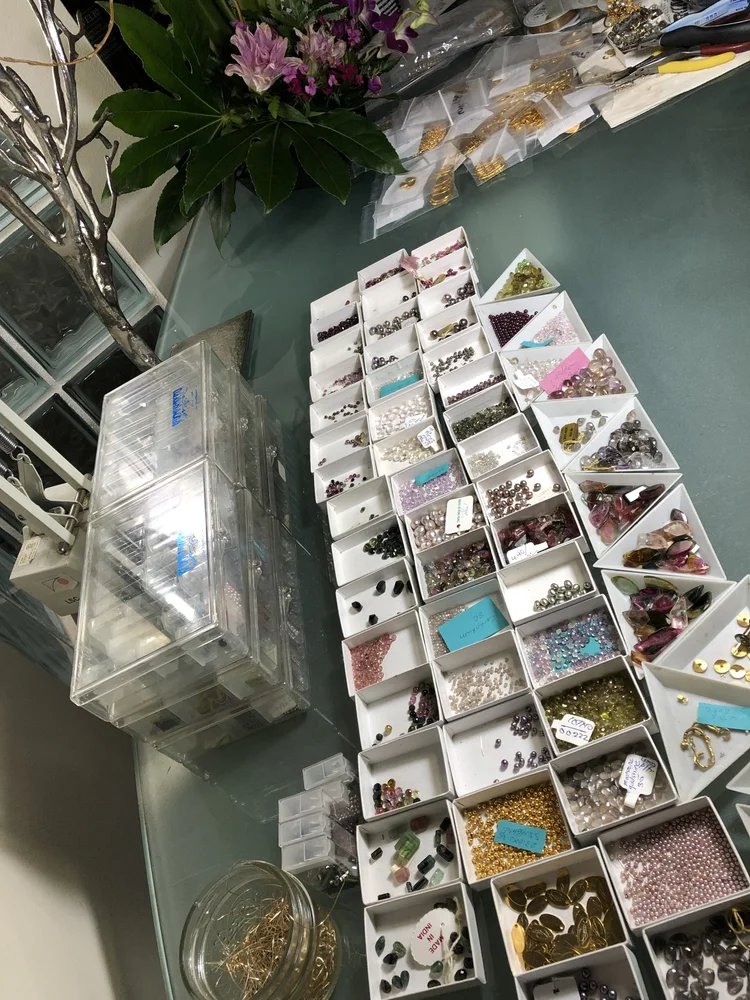
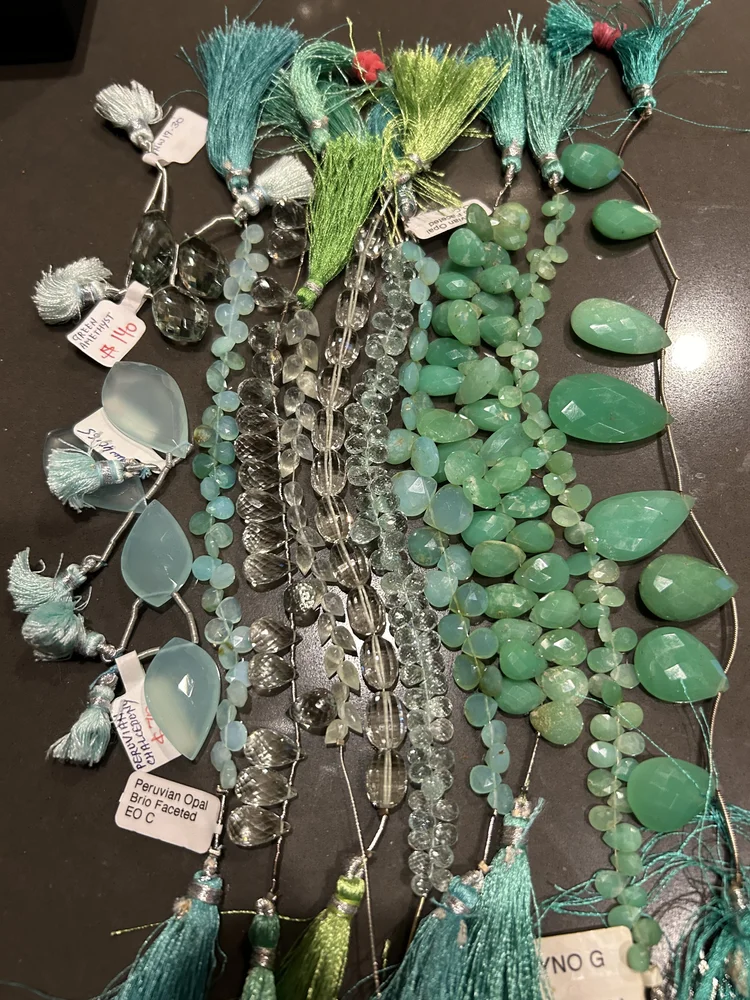
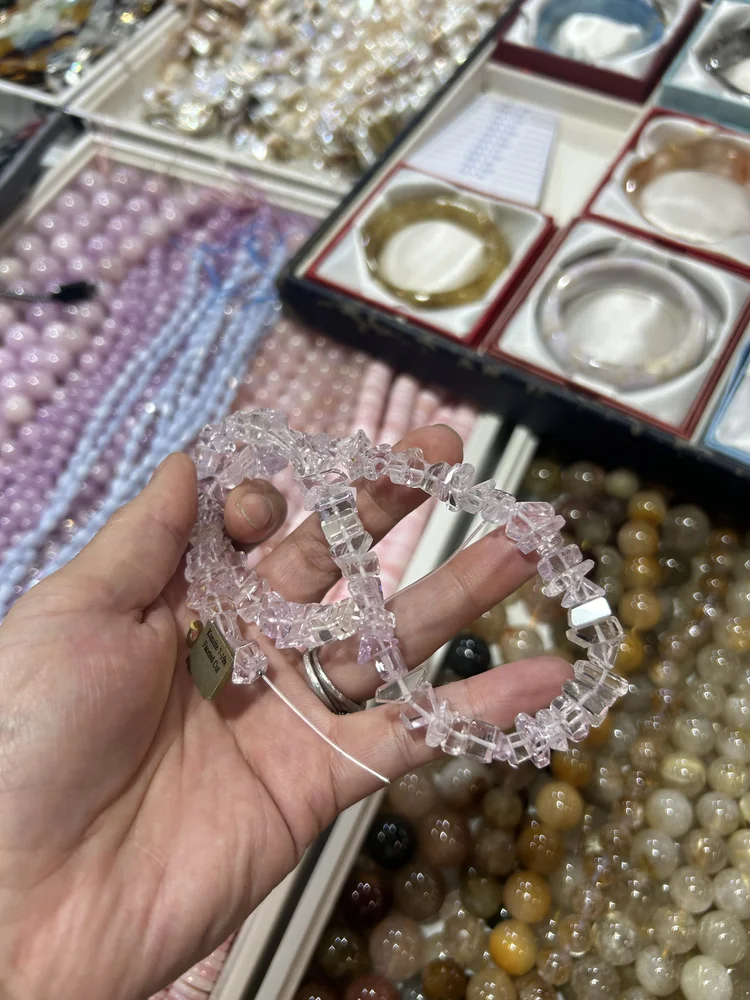
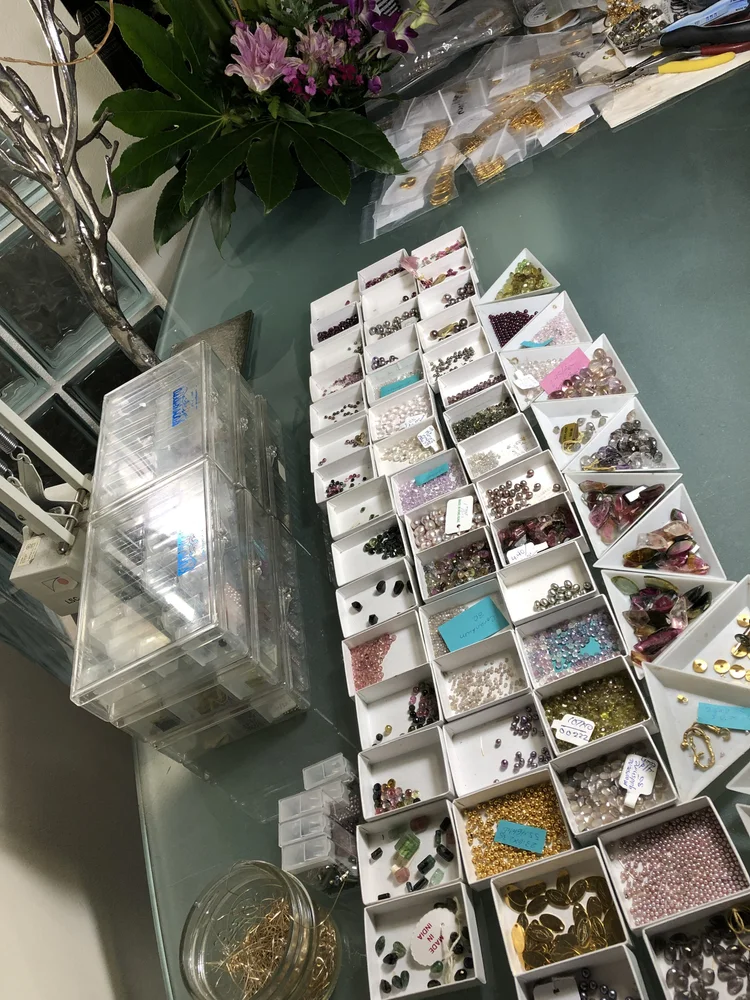
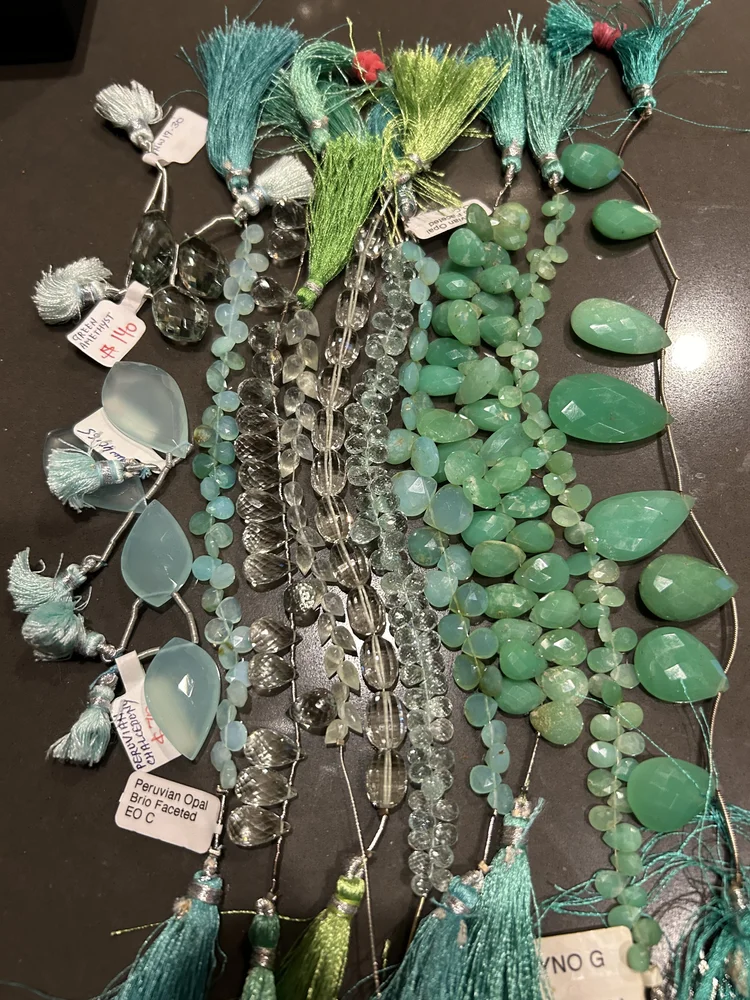
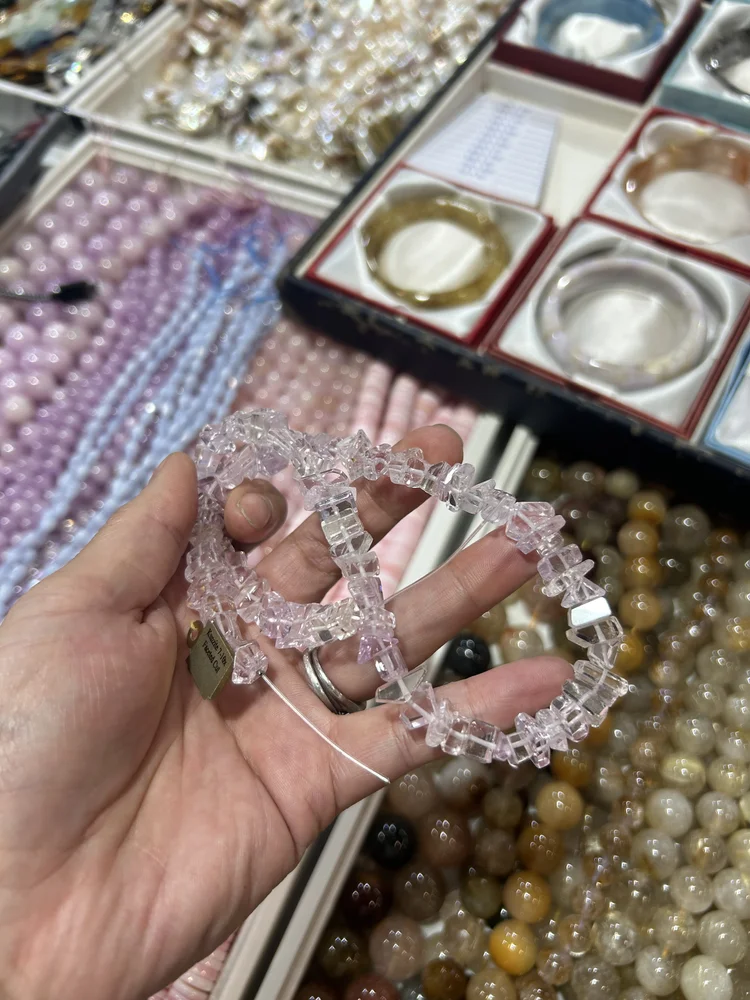
Andrea sources gemstones primarily from the Tucson Gem Show, one of the largest gem and mineral events in the world. She spends days walking the show, selecting individual stones by hand for their color, clarity, internal landscape, and the way they catch light. She’s not buying in bulk. She’s choosing specific stones that will become the heart of specific designs.
“Shopping for beads is probably one of my favorite things about what I do. It’s the genesis of creativity for me. I’ll probably buy at least ten different shapes per collection, and then ten different colors, but all colors based off of the center stone.”
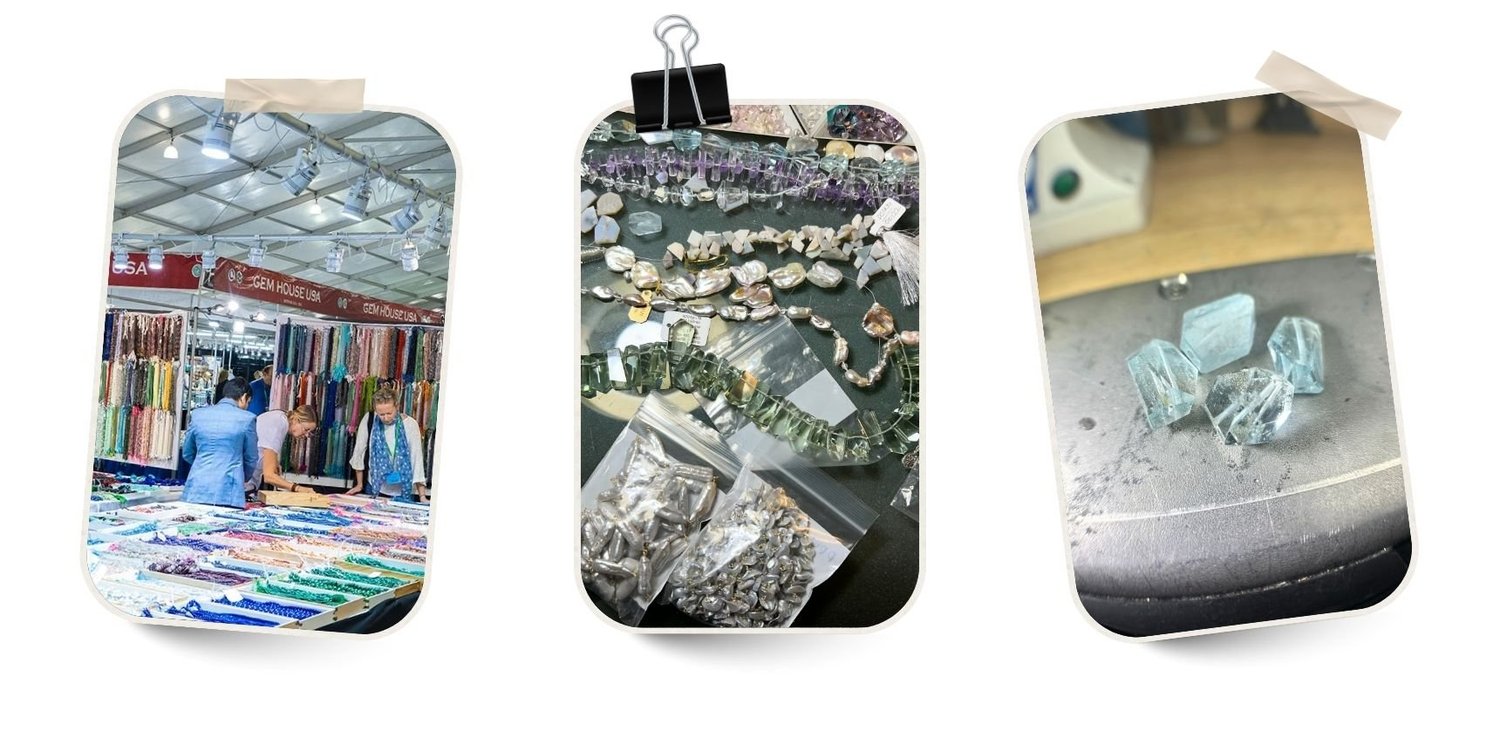
“Mother Nature knows color theory like no one else. It’s almost cheating, really. I actually think that the stones’ flaws contribute to their beauty greatly.”
The design follows the stone’s character. A green amethyst with unusual internal light demands a different setting than a labradorite that only flashes blue at certain angles. A tourmaline with two colors in a single stone needs a design that lets both colors show. This is why no two pieces look alike: the stone won’t allow it.
Andrea has learned that the more variance of shape in a gemstone cluster, the more interesting and dimensional the final piece becomes. She looks for stones that complement each other in color or texture, pulling gemstones that share shades or tones of the same color palette anchored by the center stone.
This stone-first approach is the reason Andrea can’t reproduce a sold piece, even when someone asks. The gemstone that made it was unique. The design was built for that stone’s specific character. Making it “again” would be a different piece pretending to be the same one.
The Collections
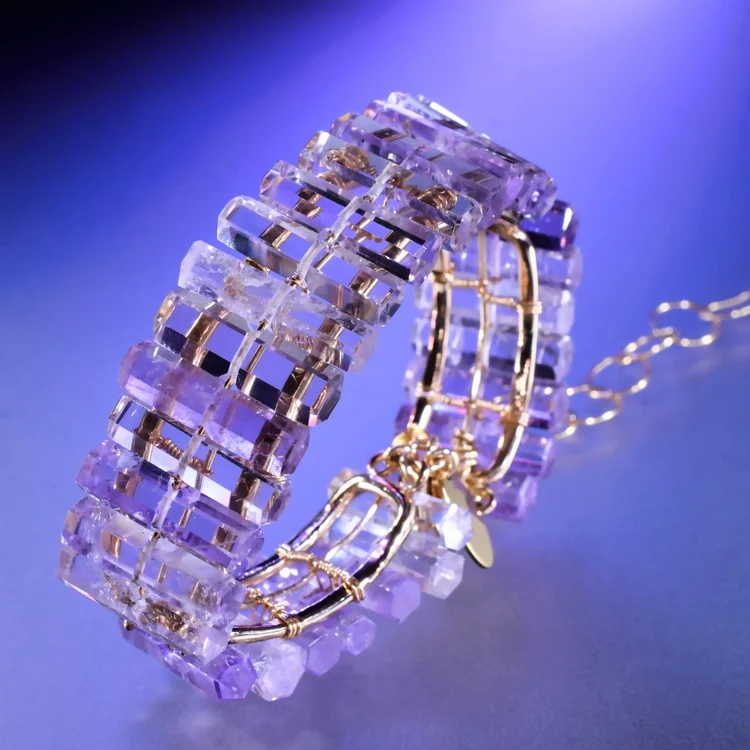
Every gemstone Andrea works with has its own character, and every collection reflects that. Browse by the stone that draws you in: each piece is one of a kind, handcrafted in her Denver studio.
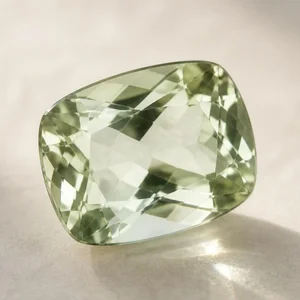
Green Amethyst (Prasiolite)
A luminous sage green that shifts with the light. Rare, understated, and unlike any other green gemstone.
ExploreLabradorite
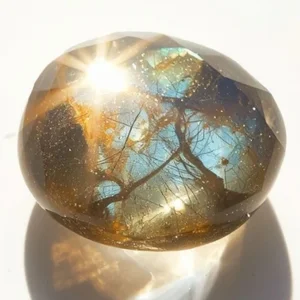
Dark until the angle shifts: then electric blue, gold, or violet. The stone that rewards a second look.
ExploreAquamarine
Cool, clear, composed. A calm authority in pale blue that never needs to raise its voice.
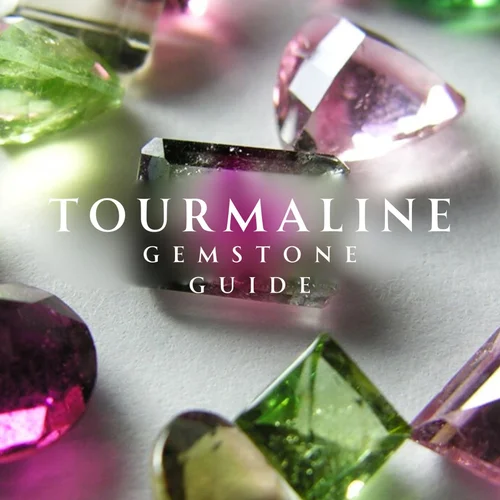
ExploreTourmaline
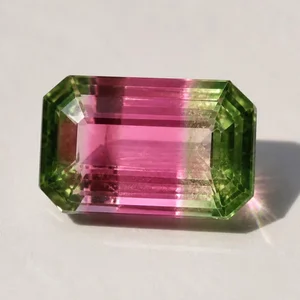
The widest color vocabulary in the gemstone world. From watermelon pink to deep forest green.
ExplorePearls: Reimagined
Luminous freshwater and baroque pearls set in architectural designs that feel both timeless and subversive.
ExploreVintage: Reborn
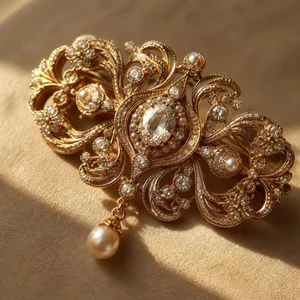
Real antique jewelry deconstructed and reassembled into new one-of-a-kind designs. Two histories in one piece.
ExploreAmethyst
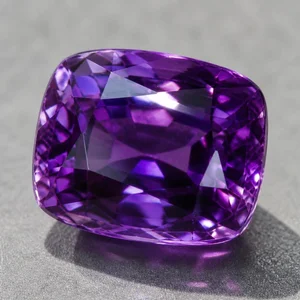
From pastel lilac to saturated violet. The purple gemstone that’s been making statements since ancient royalty.
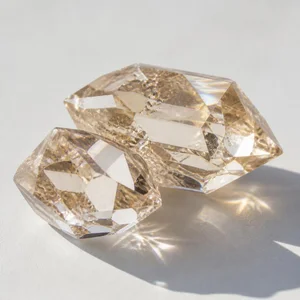
ExploreHerkimer Diamond
Not a diamond: something wilder. Double-terminated quartz with the fire and the raw energy of the earth.
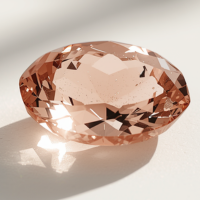
ExploreMorganite
Blush pink with warmth that flatters every skin tone. Soft power, not soft design.
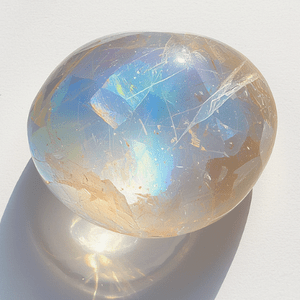
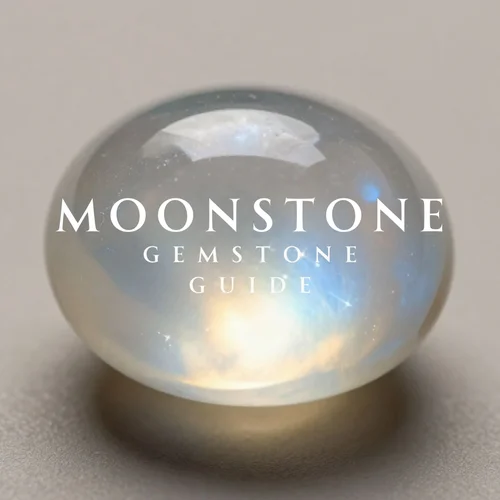
ExploreMoonstone
A living shimmer that glows from within. The most ethereal stone in the studio.
Explore


What Makes Andrea Li Different
There are three tiers of “handmade” jewelry in the market. Understanding where Andrea Li sits explains why the work looks, feels, and lasts the way it does.
- 01
Marketplace Handmade
Pre-made settings + pre-cut stones + stock chains. Assembled in minutes. Available from hundreds of sellers. “Handmade” means hand-assembled.
- 02
Production Studio
Original designs cast from molds and reproduced in batches. Higher quality materials, but the same design exists in dozens or hundreds of copies.
- 03
Andrea Li
Every technique (fabrication, wire work, casting, assembly) unified into a single design. Built around a specific gemstone’s character. One piece exists. When it sells, it’s gone.
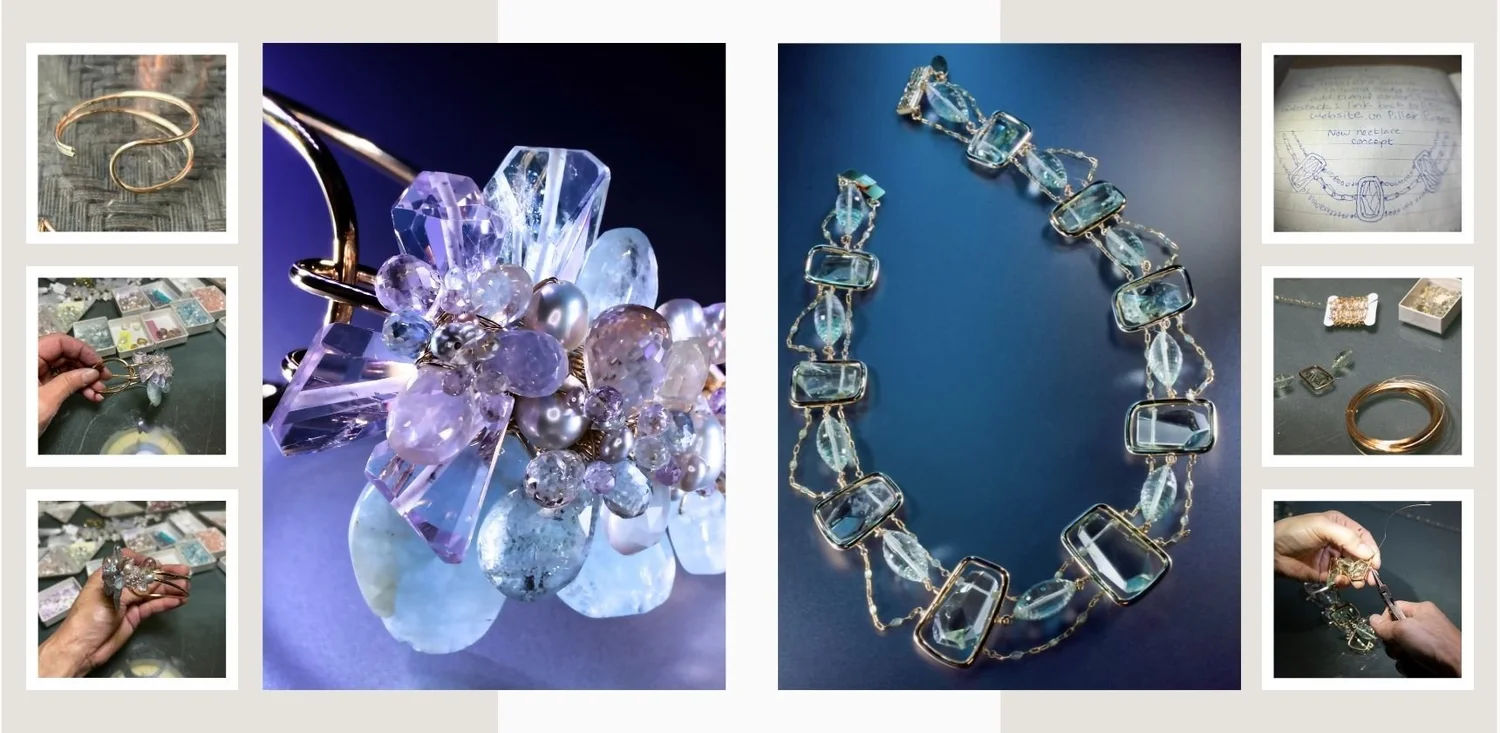
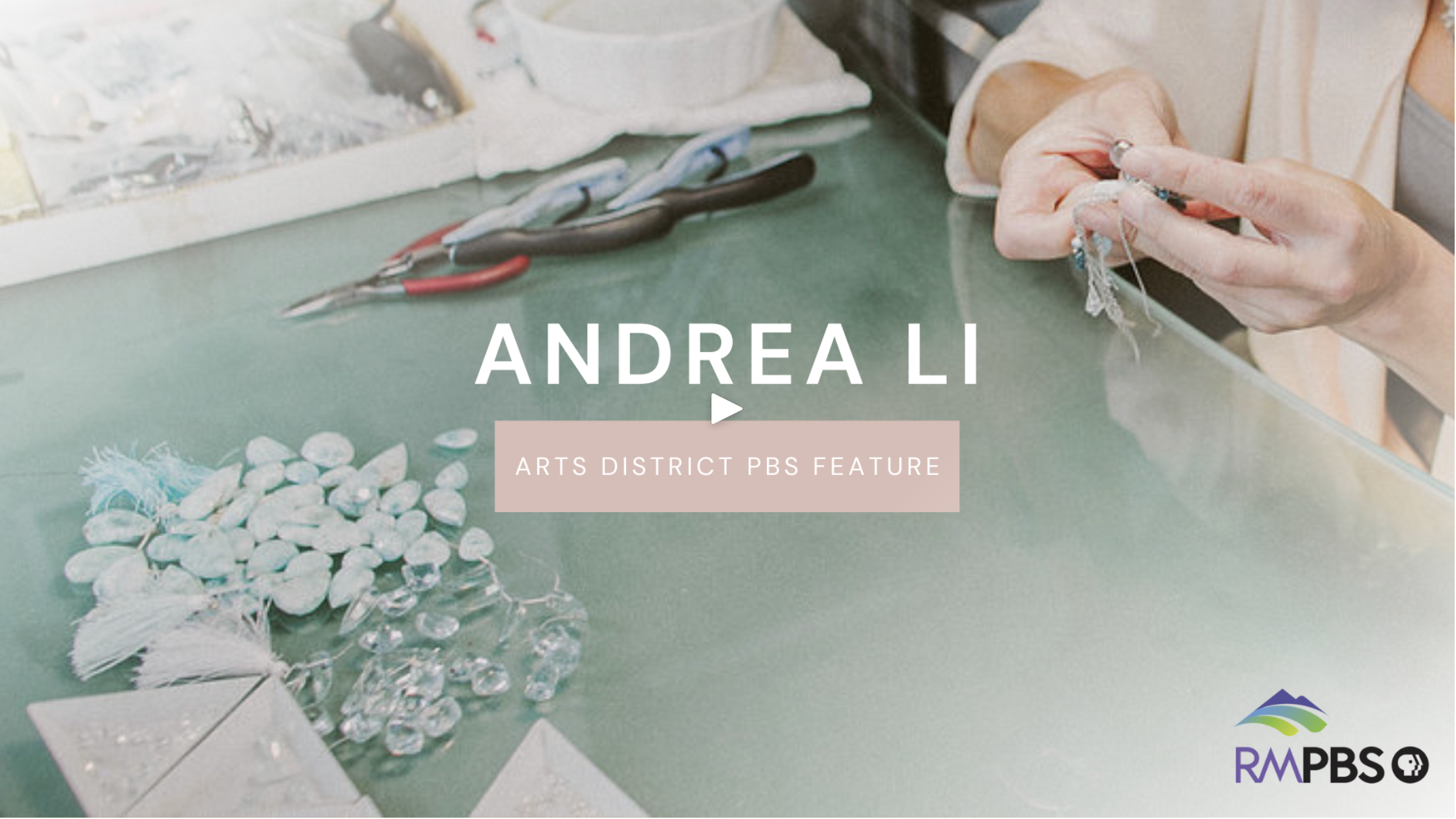
Andrea has been designing one-of-a-kind gemstone jewelry in Denver since 2008. She took classes in casting and metalsmithing, taught herself everything else at the bench, runs a one-woman studio, and personally handles every step from gemstone selection to final finishing. There is no team, no production assistant, no outsourced labor.
“A piece is not finished for me unless I say, ‘Man, that is awesome.’ It just has to be that way for me as a designer. Otherwise it’s an indication that the piece is not done.”
The models who wear Andrea’s pieces for editorial shoots have told her they feel different in her jewelry: that it brings out a confidence in them that’s obvious and visceral. That transformation isn’t accidental. It’s what happens when someone wears something that was made with the kind of intention that mass production can’t replicate.
How to Care for Handmade Gemstone Jewelry
Handmade gemstone jewelry is built to last, but it’s not invincible. A few simple habits will keep your pieces looking the way they did the day they arrived.
Store Separately
Keep each piece in its own soft pouch or compartment. Gemstones can scratch other gemstones and metals when stored together. The pouch your piece arrives in is designed for this: use it.
Put It On Last, Take It Off First
Apply perfume, lotion, hairspray, and sunscreen before putting on your jewelry. Remove your jewelry before swimming, showering, exercising, or sleeping. Chemicals and moisture are the enemies of both metal and stone.
Clean Gently
Use a soft, dry cloth to wipe down your piece after wearing. For deeper cleaning, use a soft toothbrush with warm water and a degreasing dish soap like Dawn. Ultrasonic cleaners are not safe for the stones; also avoid steam cleaners and any commercial jewelry cleaner that contains ammonia: these can damage softer gemstones and the finish on handcrafted metalwork.
Know Your Stones
Different gemstones have different hardness levels. Quartz varieties like amethyst and green amethyst (Mohs 7) are durable for daily wear. Labradorite (Mohs 6–6.5) and moonstone (Mohs 6–6.5) need a bit more care: avoid impacts and store carefully. Pearls are soft (Mohs 2.5–4.5) and should never be exposed to chemicals or rough surfaces.
Gold Filled vs. Solid Gold vs. Sterling Silver
14k solid gold won’t tarnish. Gold filled has a thick layer of gold bonded to a base metal: it’s durable and won’t rub off with normal wear, but avoid prolonged moisture exposure. Sterling silver will tarnish naturally over time; a Sunshine polishing cloth on the metal parts restores the shine. Oxidized silver is the exception: do not polish it. All three metals are built to last when cared for.
Repairs Happen
Handmade jewelry is repairable: that’s one of its advantages over mass-produced pieces. If a clasp loosens, a stone shifts, or a wire needs adjustment, Andrea Li handles repairs on her own pieces. Reach out through the custom shop page to start a repair conversation.
Gifts · Handmade & One-of-a-Kind
Looking for a one-of-a-kind jewelry gift?
A hand-selected edit of handmade gemstone jewelry, each piece sculpted by hand in my Denver studio. Browse by who you’re shopping for and find something they’ll keep for years.
Explore the Jewelry Gift GuideFrequently Asked Questions
01Is handmade gemstone jewelry worth the investment?
If you want a piece no one else will ever wear, yes. I would say avant garde sculptural art is a very good definition for what I do. Every piece is one of a kind, built by hand with genuine gemstones and precious metals, and never reproduced, so the piece you own will never be duplicated. It carries the intention and craft of the person who made it, and that is something a machine can't replicate. It is also made to be worn: I stand behind my work, and if anything needs repair, short of obvious abuse, you simply ship it back and I take care of it.
02How do I know if jewelry is really handmade?
Ask the designer to describe their process specifically. Genuine handmade jewelry involves named techniques (fabrication, soldering, wire work, casting, stone setting), not just “hand-assembled.” Look for process photos, behind-the-scenes content, and bench shots that show the work in progress. If a piece is truly one of a kind, the designer should be able to tell you the story of that specific piece: what stone inspired it, what challenges arose, and why it can't be reproduced. I document my process in Studio Stories that show exactly how each piece was made.
03What materials does Andrea Li use?
I work primarily in 14k gold-filled, 14k gold, and sterling silver, with genuine gemstones I choose one at a time, most of them at the Tucson Gem Show. Some collections add copper and 22k or 24k gold vermeil. For runway and avant-garde pieces I have used laser-cut wood and laser-cut, UV-reactive plexiglass. Every material choice serves the design: the stone and concept determine which metals and techniques I use, not the other way around.
04Can I commission a custom piece?
Yes. A commission starts with a conversation, by phone, email, text, or Zoom, about what you are drawn to, what the piece is for, your timeline, and your budget. I source the stones, develop the design, and confirm every detail and the cost with you before I pick up my tools. A simple pair of earrings using materials already in my studio can take three to four weeks; a complex statement necklace with internationally sourced stones may take eight to twelve. You can also bring your own gemstone, or heirloom jewelry to be reimagined into something new.
05How should I care for handmade gemstone jewelry?
Store each piece separately in a soft pouch. Put jewelry on last and take it off first: before perfume, lotion, or exercise. To clean it, use a soft toothbrush with warm water and a degreasing dish soap like Dawn. Ultrasonic cleaners are not safe for the stones. A Sunshine polishing cloth on the metal parts brings back the shine, but never polish oxidized silver. If a piece needs attention, I handle repairs on my own pieces: see repairs and alterations.
06Can I get a piece like one that has sold?
Not an exact copy. Every piece is built once, around a stone I will not have again, so there is no waitlist, no back-in-stock notice, and I do not remake sold pieces, even by request. Sold pieces stay on the site marked Sold Out, so you can see the range. But a sold piece you loved is one of the most common ways a commission begins: I can create something inspired by it that captures its spirit, its color palette, or its design language.
07Where is Andrea Li’s studio?
My studio is in Denver, Colorado, where I have designed and handcrafted one-of-a-kind gemstone jewelry since 2008. Every piece ships FedEx 2-Day, fully insured for its retail value, with a signature required on delivery.