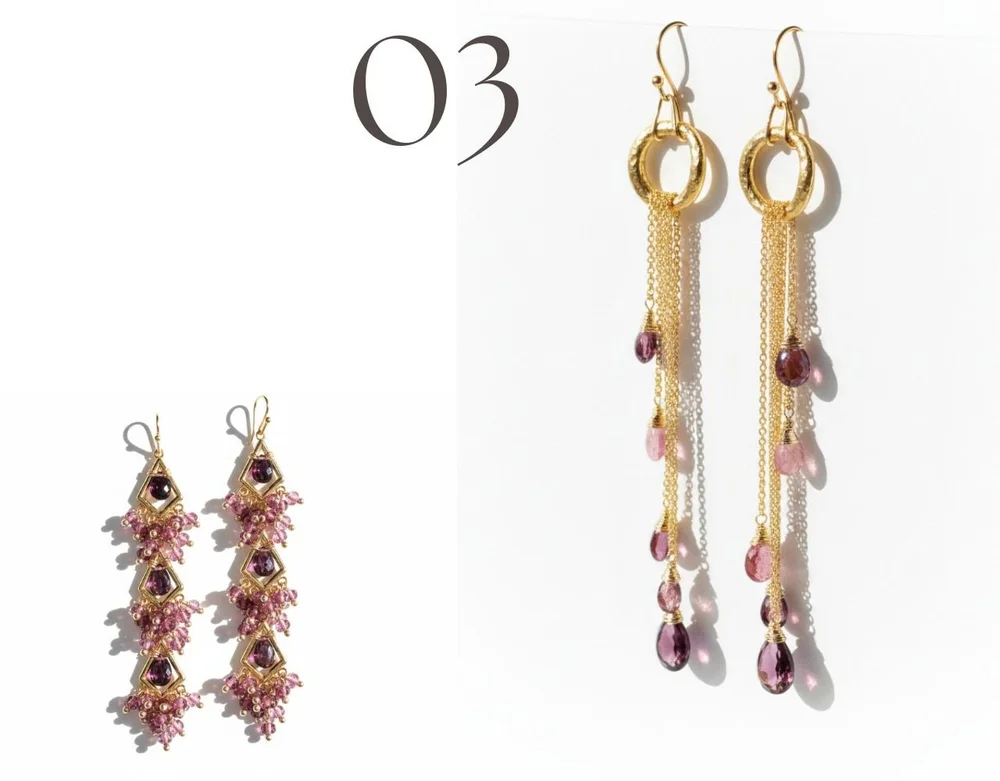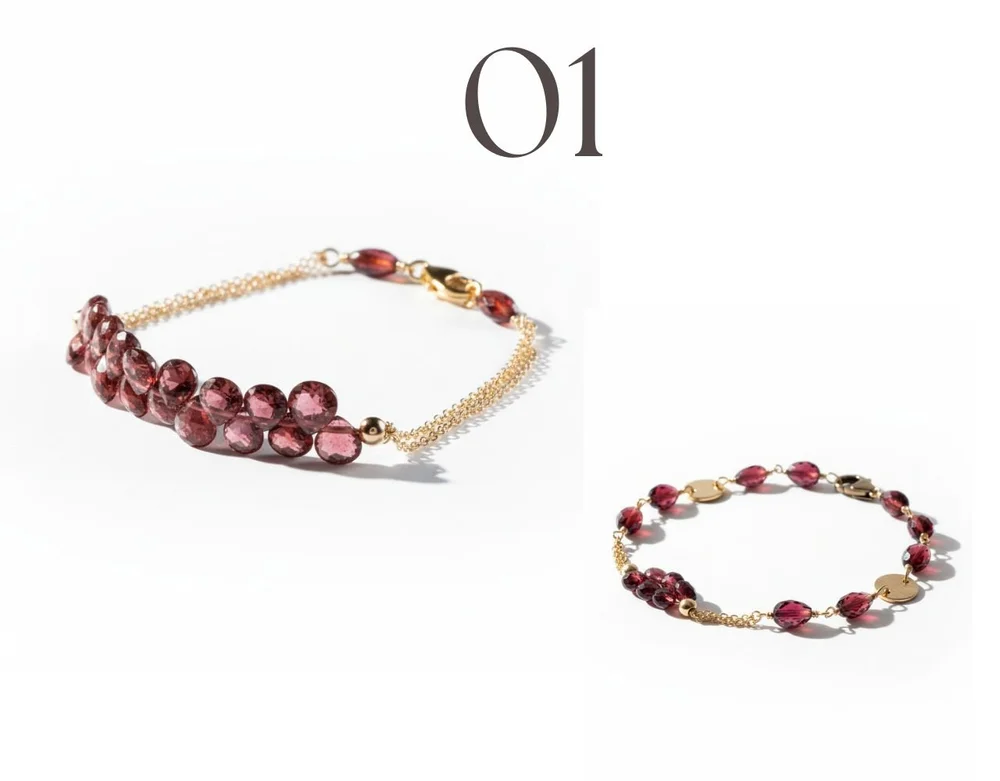
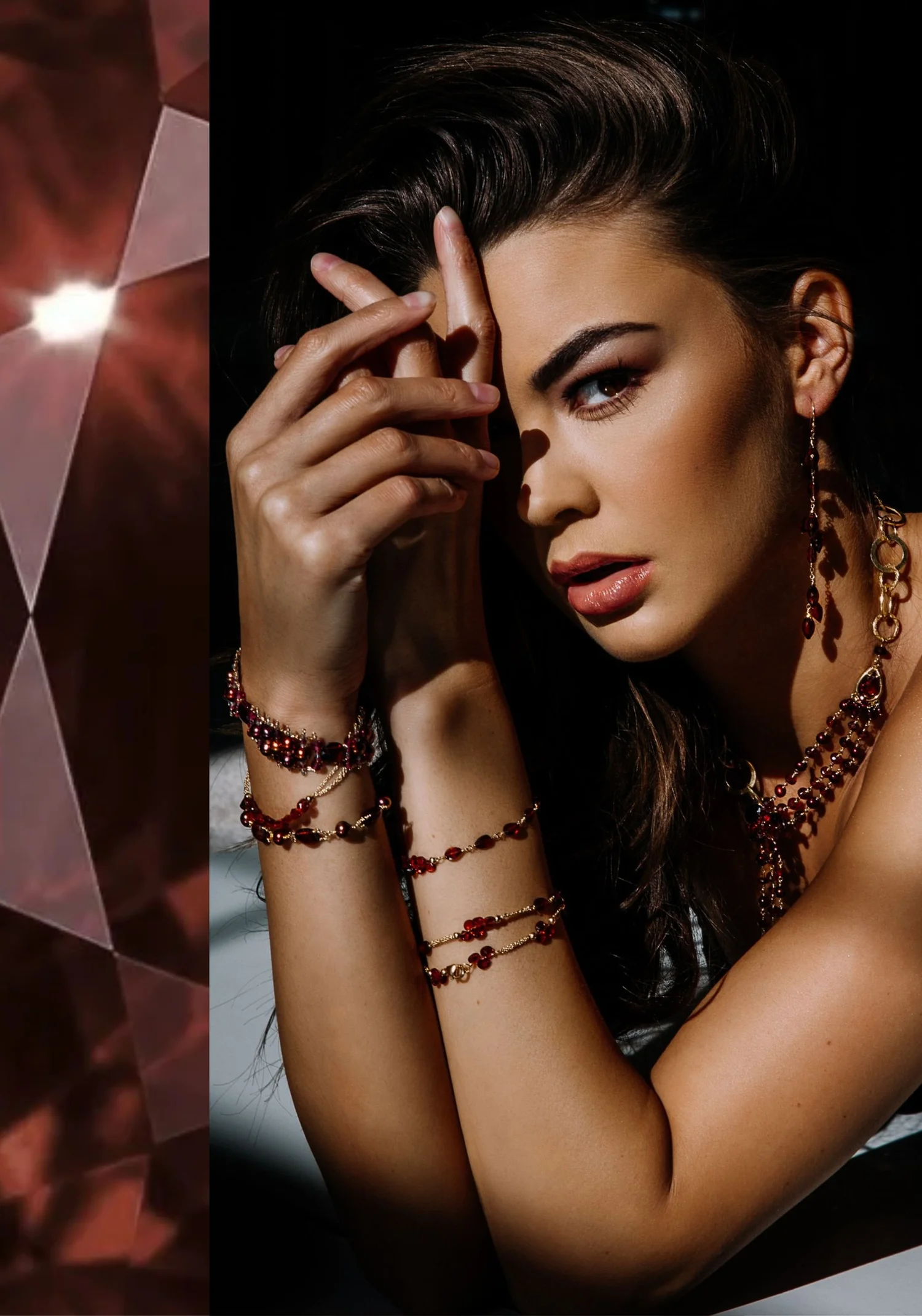
Your Next Favorite Garnet Bracelet
For the Statement Maker to Elevate Your Everyday Style
One of a Kind · Built Once
Shop Garnet BraceletsLIMITED COLLECTIONS
The Guide
A Journey Through Earth's Crimson Treasure
Garnet
Introduction
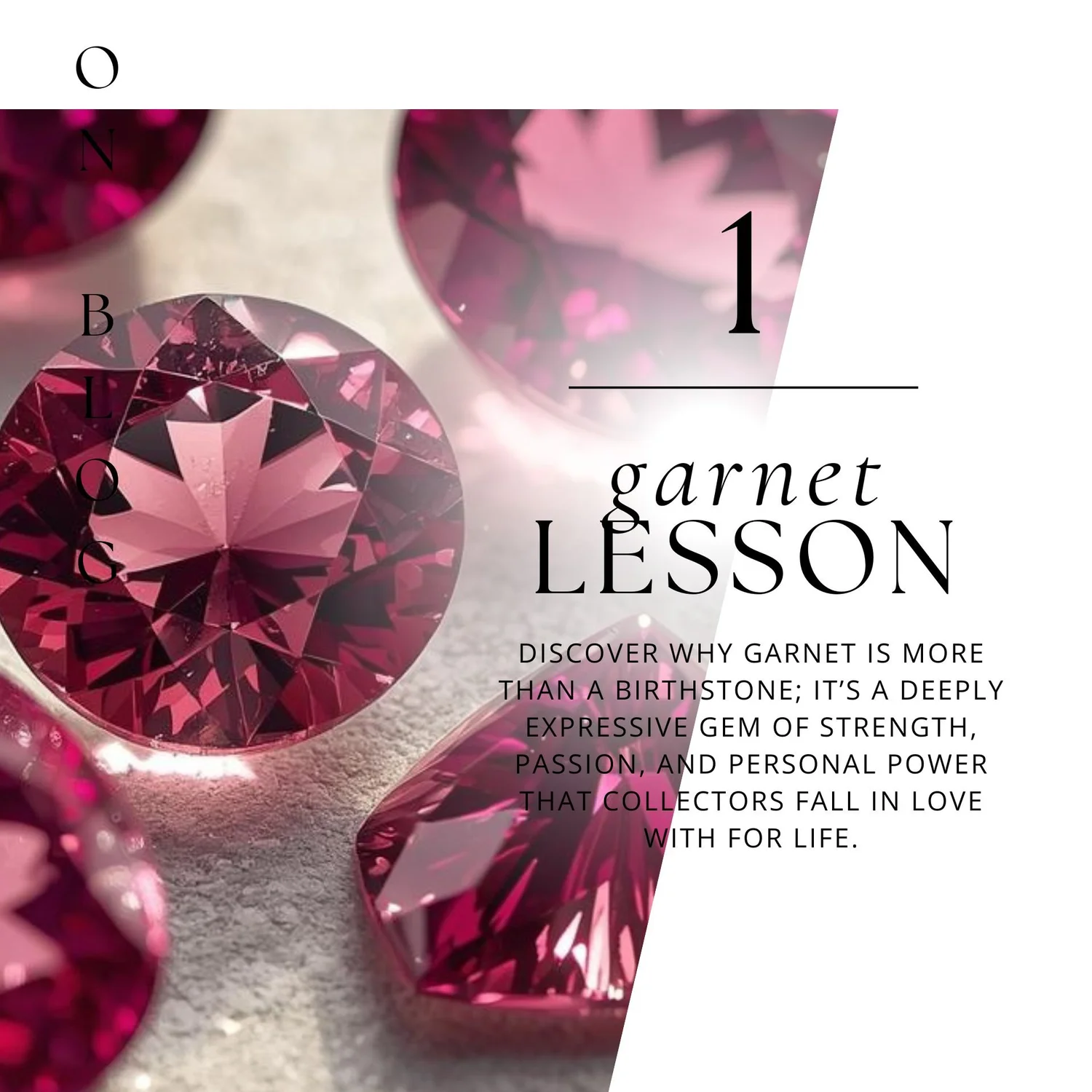
Garnet, derived from the Latin word "granatum" meaning pomegranate, has captivated humanity for millennia with its deep, luminous beauty. This extraordinary gemstone family encompasses a spectrum of colors, though it is most renowned for its rich, wine-red hues.
Treasured by ancient civilizations and modern connoisseurs alike, garnet represents the perfect union of timeless elegance and natural wonder, a gem that carries within it the very essence of the earth.
Specifications
Hardness
6.5–7.5
Mohs Scale
Crystal System
Isometric
Cubic structure
Specific Gravity
3.5–4.3
Varies by variety
Refractive Index
1.72–1.94
High brilliance
Chemical Composition
Silicate Mineral Group
General formula: X₃Y₂(SiO₄)₃ where X can be Ca, Mg, Fe²⁺, or Mn²⁺, and Y can be Al, Fe³⁺, or Cr³⁺
Key Characteristics
Origins
1
The majority of garnets form through metamorphism, when existing rocks are transformed by intense heat and pressure deep within the Earth's crust. Shales and mudstones rich in aluminum often become garnet-bearing schists and gneisses.
2
Some garnets crystallize directly from magma in igneous rocks such as granite and rhyolite. Pyrope garnets, found in kimberlite pipes alongside diamonds, are carried to the surface from depths exceeding 100 kilometers.
3
When hot magma intrudes into limestone or dolomite, it creates a contact zone called a skarn. These environments produce spectacular andradite and grossular garnets, often in brilliant greens and oranges.
400°C+
Formation Temperature
5+ km
Typical Depth
Millions
Years to Form
Symbolism
Throughout history, garnet has been the stone of deep, committed love. Its rich red color mirrors the heart's blood, symbolizing passion that endures through time. Couples exchanged garnet jewelry as pledges of faithfulness and eternal affection.
Warriors and travelers carried garnet as a protective talisman, believing it could shield them from harm and guide them safely home. The stone was thought to illuminate the darkness, both literal and metaphorical.
Traditionally associated with life force and regeneration, garnet is said to represent the spark of creative energy and the courage to pursue one's true path.
Garnet is traditionally called the stone of commitment to purpose, said to inspire love and devotion. It's often gifted to mark new ventures and important milestones.
The garnet is constancy, truth, and faith.
Birthstone & Anniversary
January Birthstone
Traditional and modern
2nd Anniversary
Symbol of commitment
Heritage
3100 BCE–500 CE
Ancient Egyptians prized garnets, adorning pharaohs and mummified remains with the precious stones. The Greeks named it "the stone of faith," while Romans used garnet signet rings to stamp wax seals on important documents. In ancient India, garnet was believed to be the third eye of the god Shiva.
500–1500 CE
During the Middle Ages, garnets were believed to cure depression and protect against bad dreams. Crusaders wore garnet talismans for protection on their journeys. The stone became a favorite of clergy and nobility, appearing in religious artifacts and royal regalia throughout Europe.
1837–1901 CE
The Victorian era saw a revival of garnet's popularity, particularly the deep red Bohemian garnets. Queen Victoria's love of jewelry inspired elaborate garnet pieces, often set in intricate gold filigree. Bohemia (now Czech Republic) became the world's primary source, and "Bohemian garnet" became synonymous with quality.
1901 CE–Present
Today, garnets are sourced worldwide, with significant deposits in Africa, India, Russia, and South America. The discovery of rare color-changing garnets and vibrant green tsavorites has expanded garnet's appeal to contemporary collectors. Modern designers embrace garnet for both classic and avant-garde creations.
Varieties
Almandine
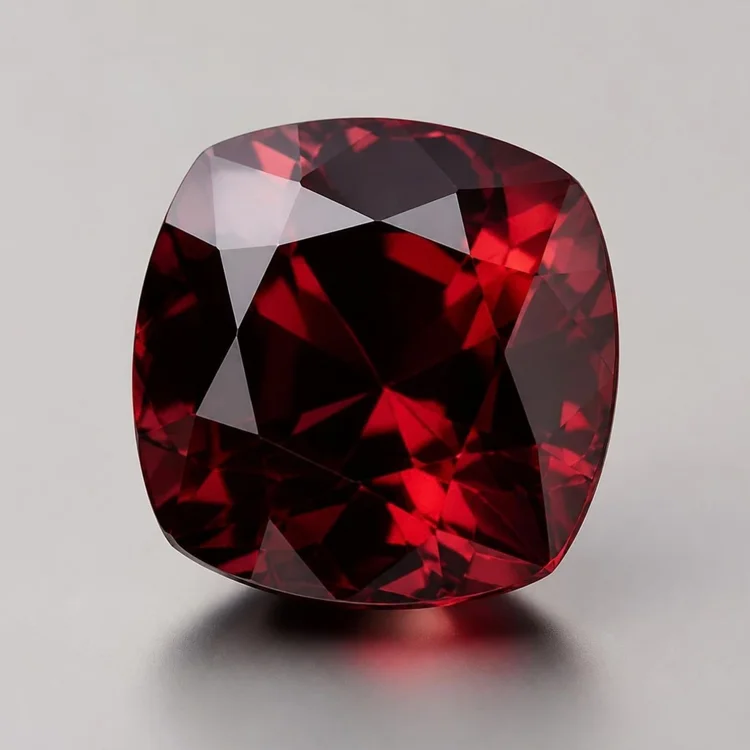
Deep wine red
The most common garnet variety, almandine displays deep wine-red to reddish-brown hues. Its name derives from Alabanda, an ancient city in Turkey. Almandine's rich color and excellent hardness make it ideal for everyday jewelry.
Pyrope
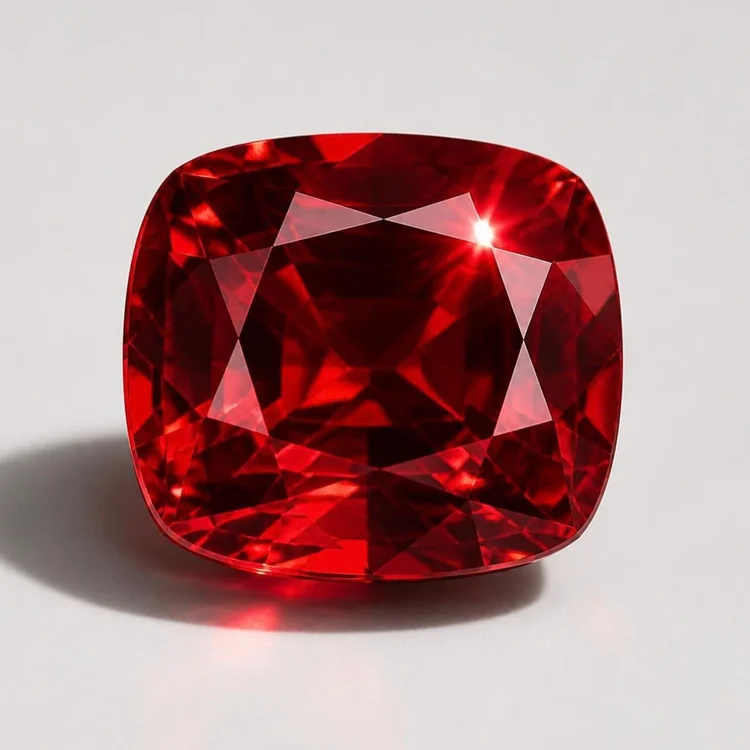
Fiery crimson
From the Greek "pyropos" meaning fiery, pyrope garnets exhibit intense red to purplish-red colors without brown undertones. Historically prized in Bohemian jewelry, pyrope remains a favorite for those seeking the classic garnet look.
Rhodolite
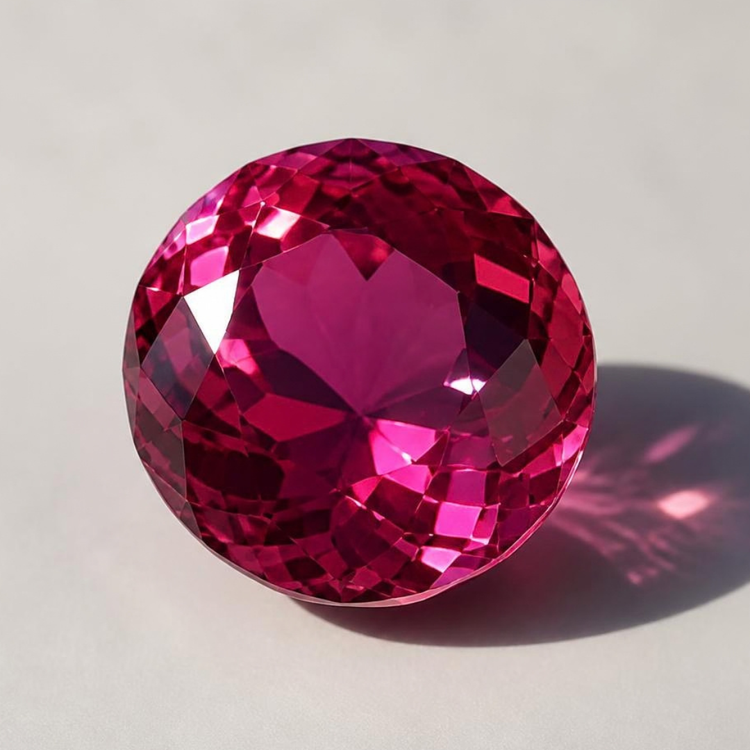
Rose to raspberry
A hybrid of pyrope and almandine, rhodolite displays exquisite rose-pink to raspberry tones. Its lighter, more brilliant color and excellent clarity make it highly sought after for contemporary designs.
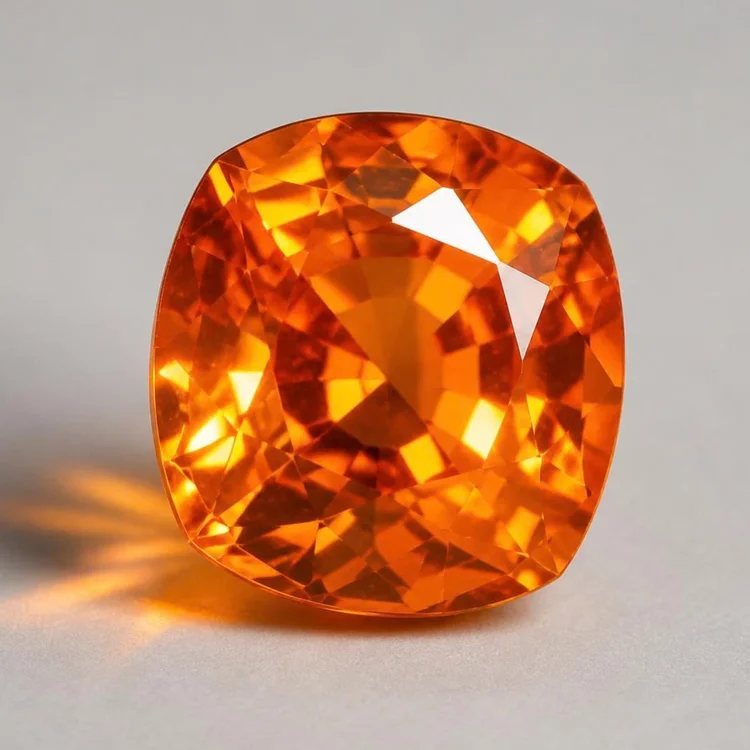
Spessartine
Mandarin orange
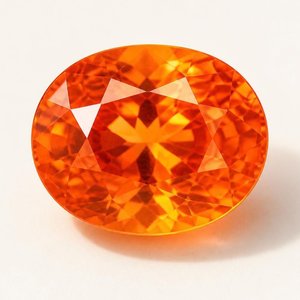
Named after Bavaria's Spessart forest, these garnets range from vibrant orange to reddish-orange. The finest specimens, called "mandarin garnets," display pure orange hues rivaling the rarest colored gems.
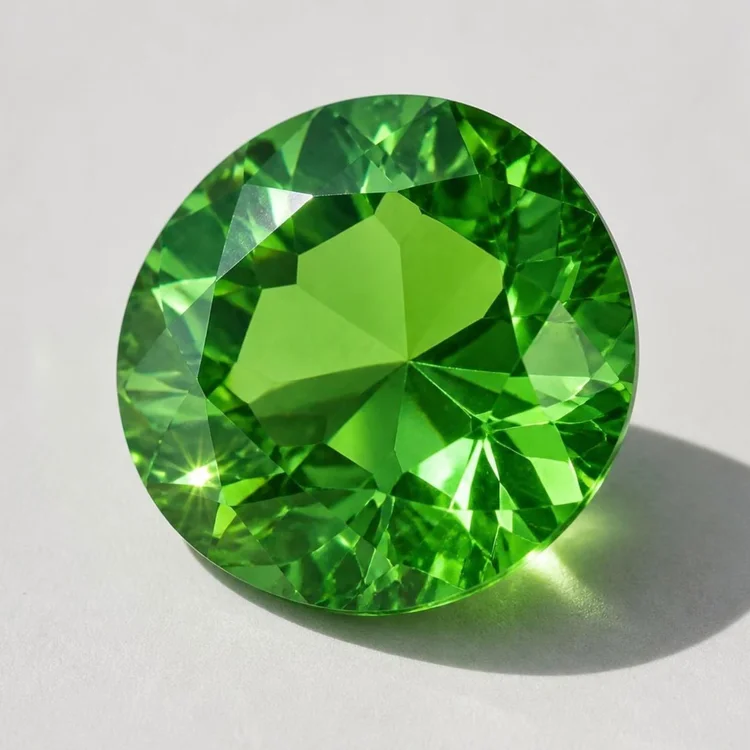
Tsavorite
Vivid green
First found in Tanzania in 1967 and named for Kenya's Tsavo National Park, tsavorite is a green grossular garnet of exceptional brilliance. Its vivid green color, caused by vanadium, rivals emerald at a fraction of the price.
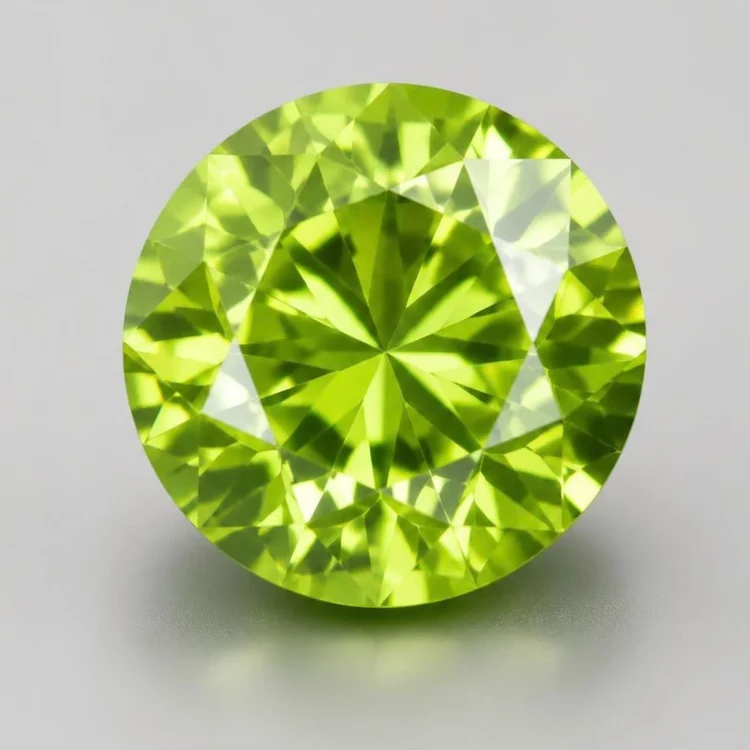
Demantoid
Brilliant yellow-green
Among the rarest and most valuable garnets, demantoid's name means "diamond-like" for its exceptional brilliance. Russian specimens often contain distinctive "horsetail" inclusions of chrysotile fibers, actually increasing their value.
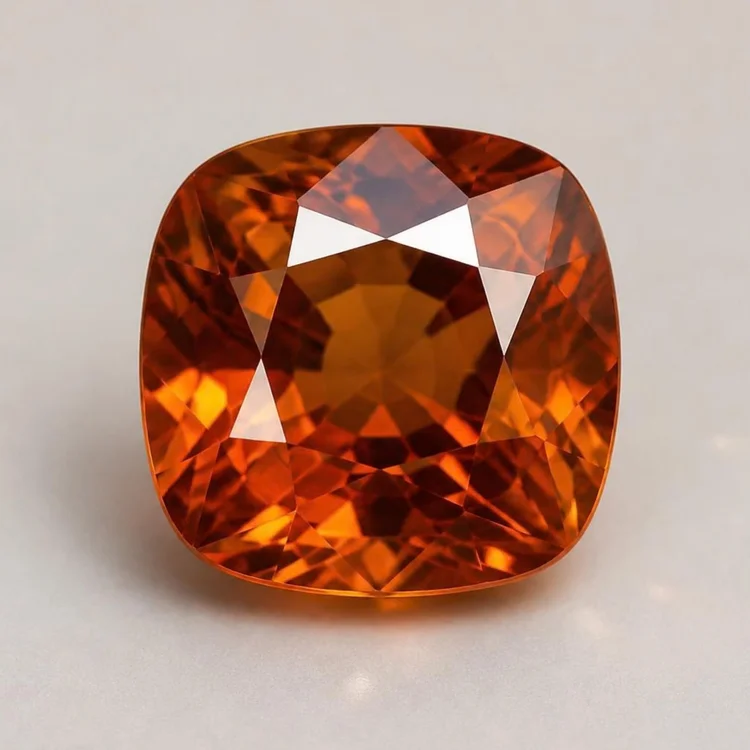
Hessonite
Warm cinnamon
Known as the "cinnamon stone," hessonite displays warm honey-brown to orange-red colors. Prized in ancient times and still valued in Vedic astrology, it offers an affordable alternative to more expensive gems.
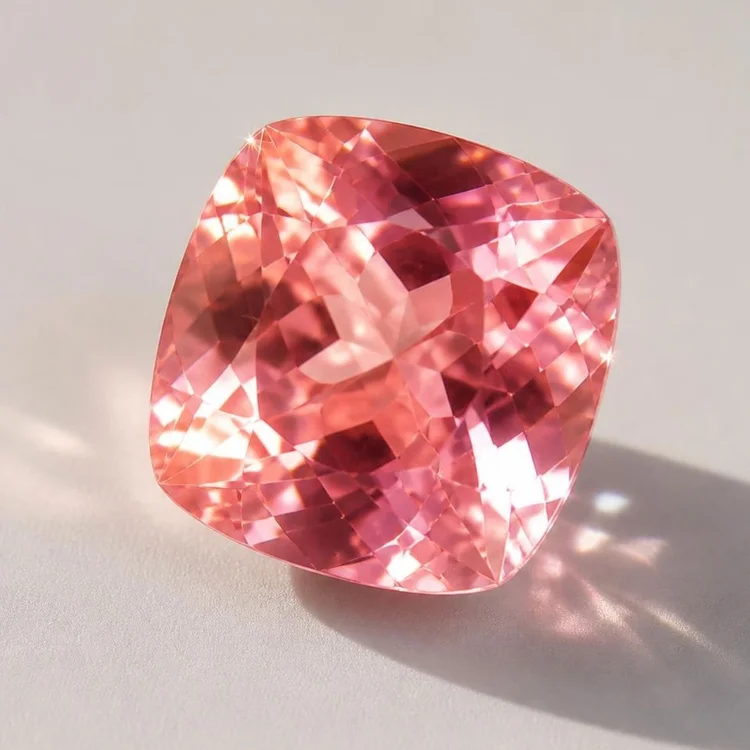
Malaia
Peachy pink
A unique hybrid first found in Tanzania, malaia garnets display peachy-pink to reddish-orange colors that don't fit other classifications. Their warm tones and excellent brilliance make them increasingly popular.

Color-Change
Blue to purple-red
Among the rarest garnets, color-change varieties shift from blue-green in daylight to purple-red under incandescent light. This alexandrite-like effect makes them highly prized by collectors.
Illustrations of each variety, not photographs of specific stones.
Maintenance
Clean your garnet jewelry with a soft toothbrush, warm water, and a degreasing dish soap like Dawn. Rinse thoroughly and dry with a lint-free cloth. Skip the ultrasonic cleaner: it is not safe for stones. A Sunshine polishing cloth brightens the metal parts.
Store garnet pieces separately from harder gems like diamonds and sapphires that may scratch them. Use individual soft pouches or lined compartments. Keep away from direct sunlight and extreme temperature changes.
Remove garnet jewelry before engaging in physical activities, gardening, or household cleaning. While reasonably durable, garnets can chip or scratch with impact. Avoid exposure to harsh chemicals and abrasives.
Have your garnet jewelry inspected annually by a professional jeweler. They can check settings, prongs, and clasps for wear and perform professional cleaning to restore brilliance.
Quick Care Checklist
Color Theory
Deep red evokes intense emotion, romantic love, and creative fire
Rich hues inspire self-assurance, courage, and leadership
Earthy tones promote stability, security, and connection
The deep, saturated colors of garnet are psychologically associated with warmth, comfort, and security, and with feelings of belonging and acceptance.
Red tones signal power and status across cultures. Garnet jewelry communicates sophistication, taste, and attention to quality. It suggests the wearer values tradition while embracing personal expression.
With its range of colors from classic red to rare green, garnet offers versatile self-expression. Choosing a particular garnet variety reflects individual personality, from bold and dramatic to subtle and refined.
Fashion
Daytime
Delicate studs or a simple pendant pair beautifully with cashmere, silk blouses, or tailored blazers
Evening
Statement cocktail rings or chandelier earrings complement formal attire and little black dresses
Autumn & Winter
Deep red garnets complement rich fabrics, jewel tones, and holiday celebrations
Spring & Summer
Lighter rhodolite or green tsavorite adds unexpected elegance to seasonal palettes
Yellow Gold
Warm, classic elegance
Rose Gold
Romantic, modern
White Gold
Cool, contemporary
Curated Collection
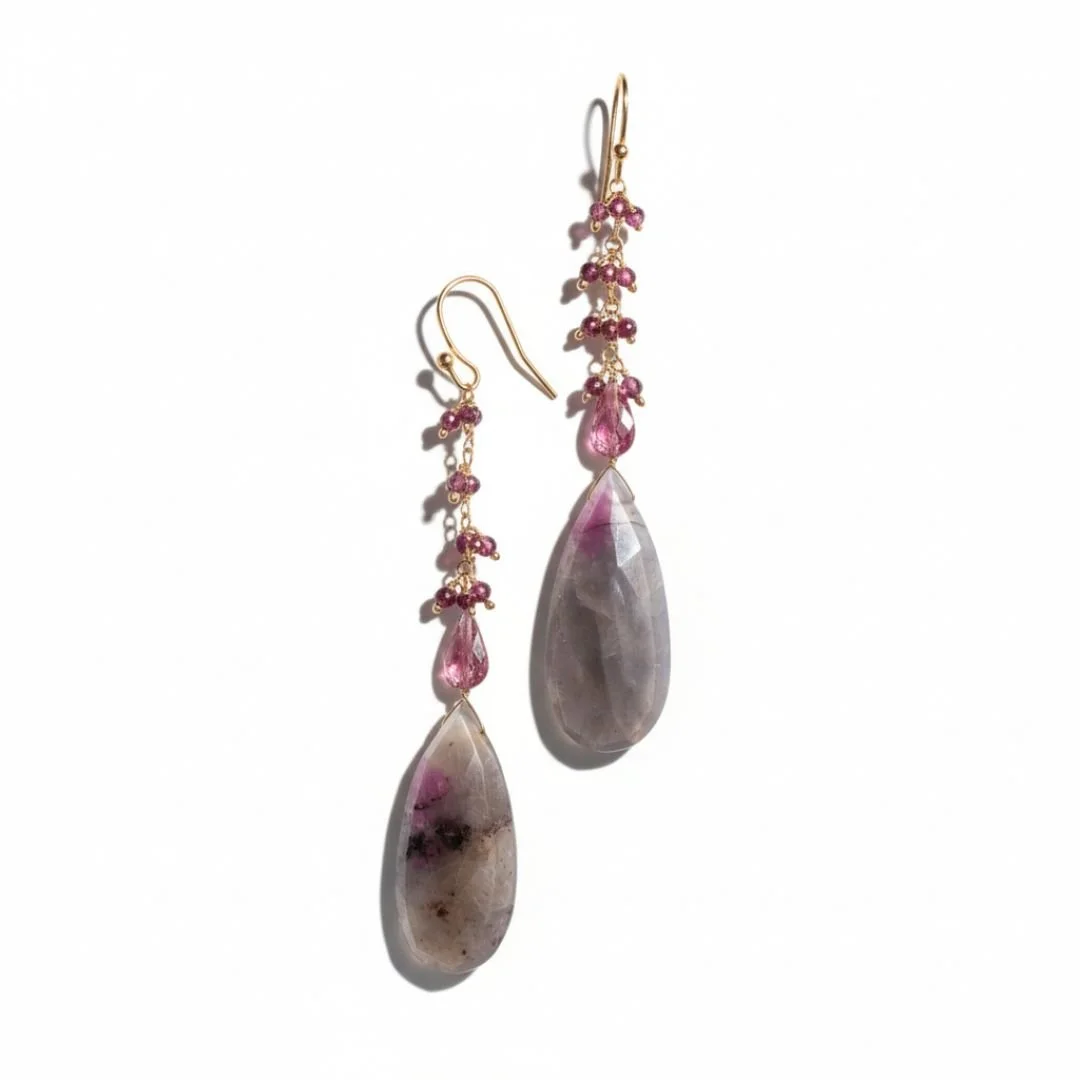
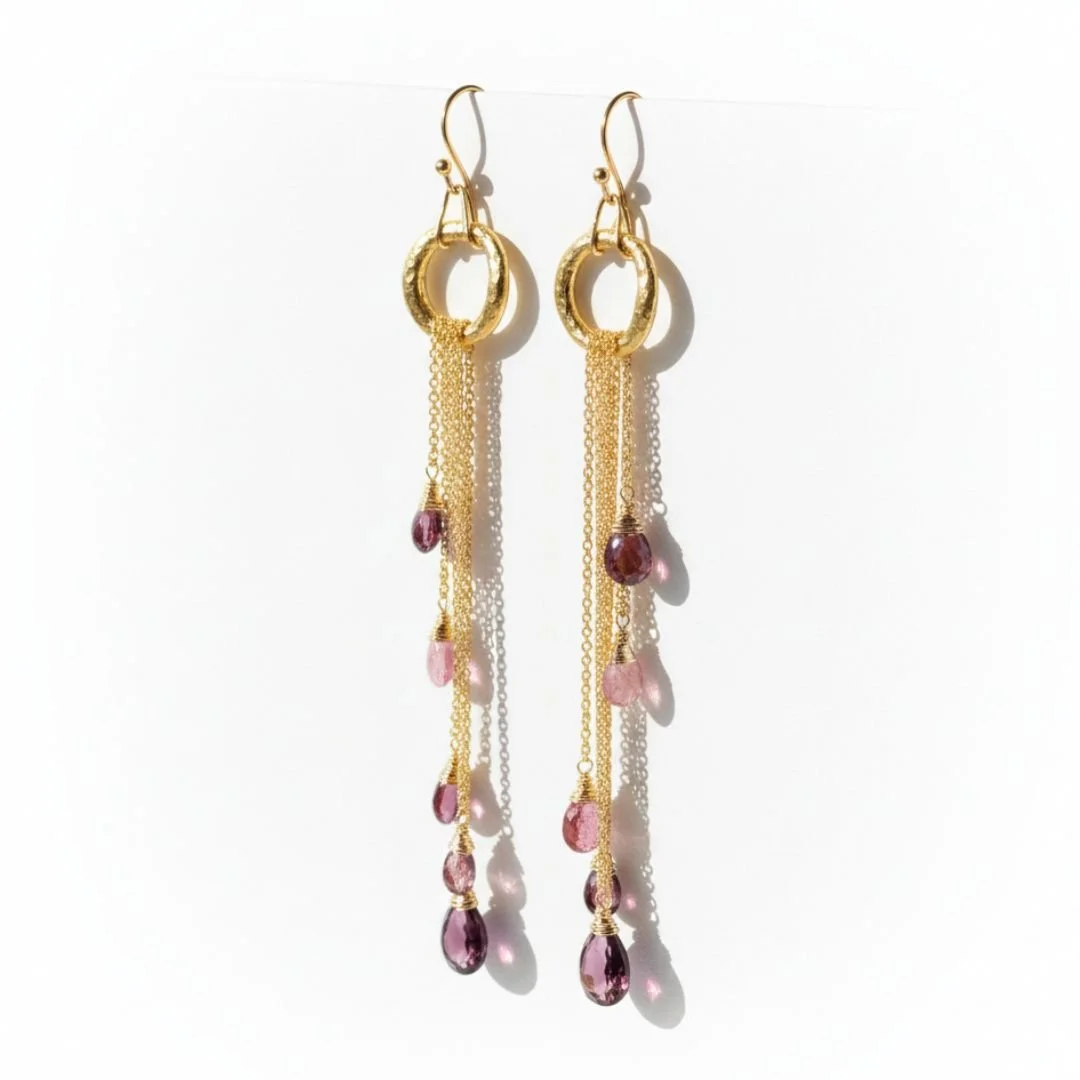
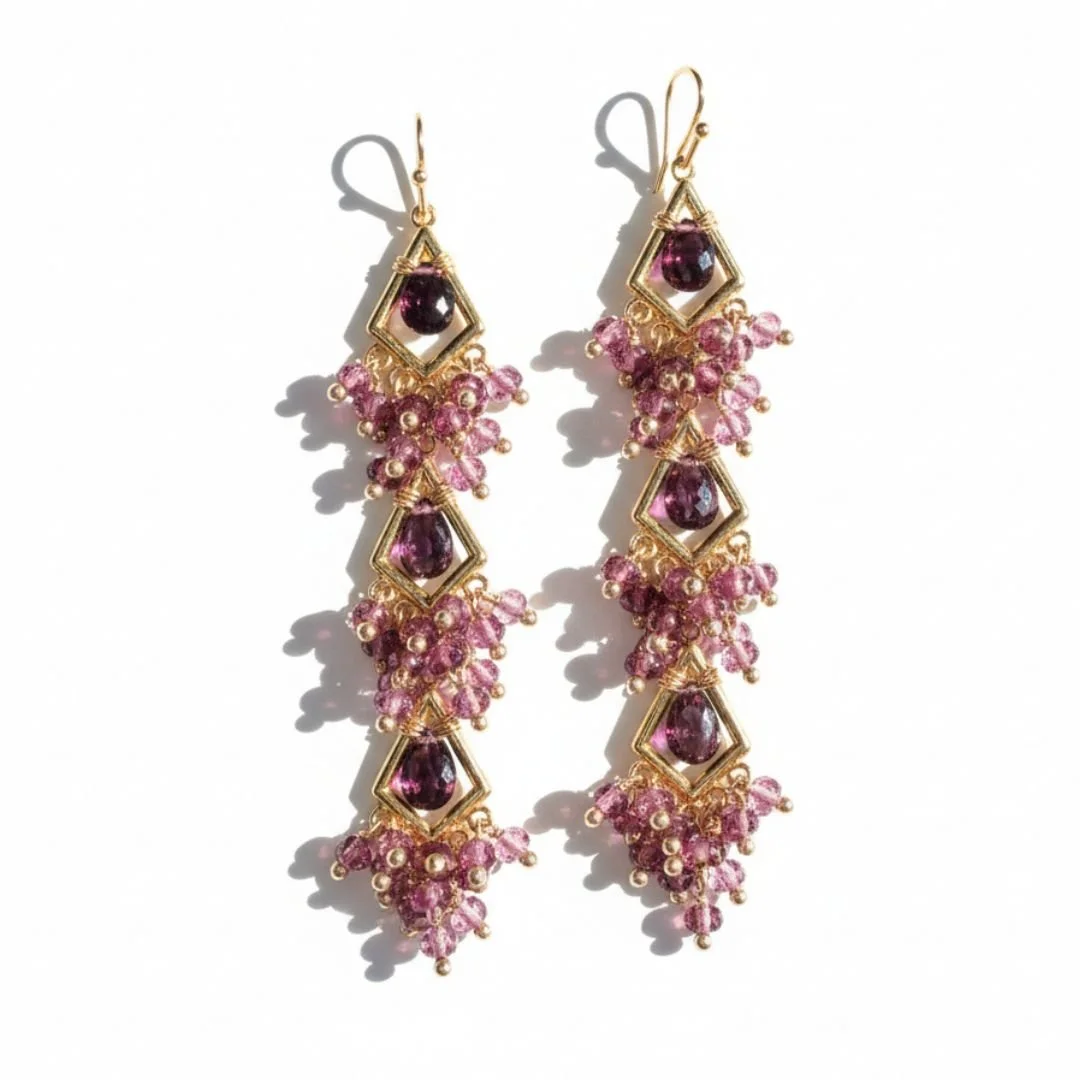
The Garnet Guide
Celebrating earth's timeless treasure
The Lookbook

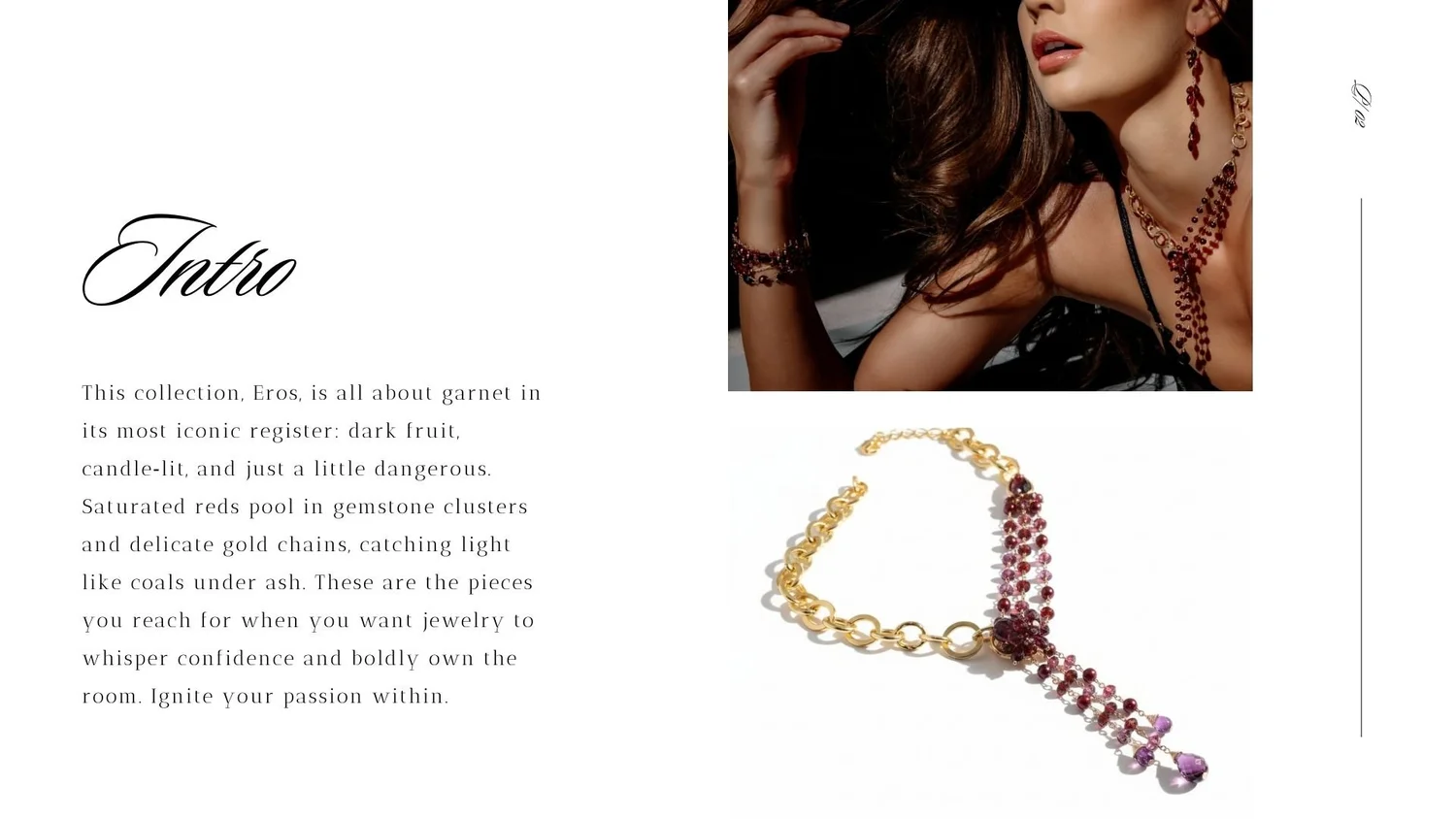
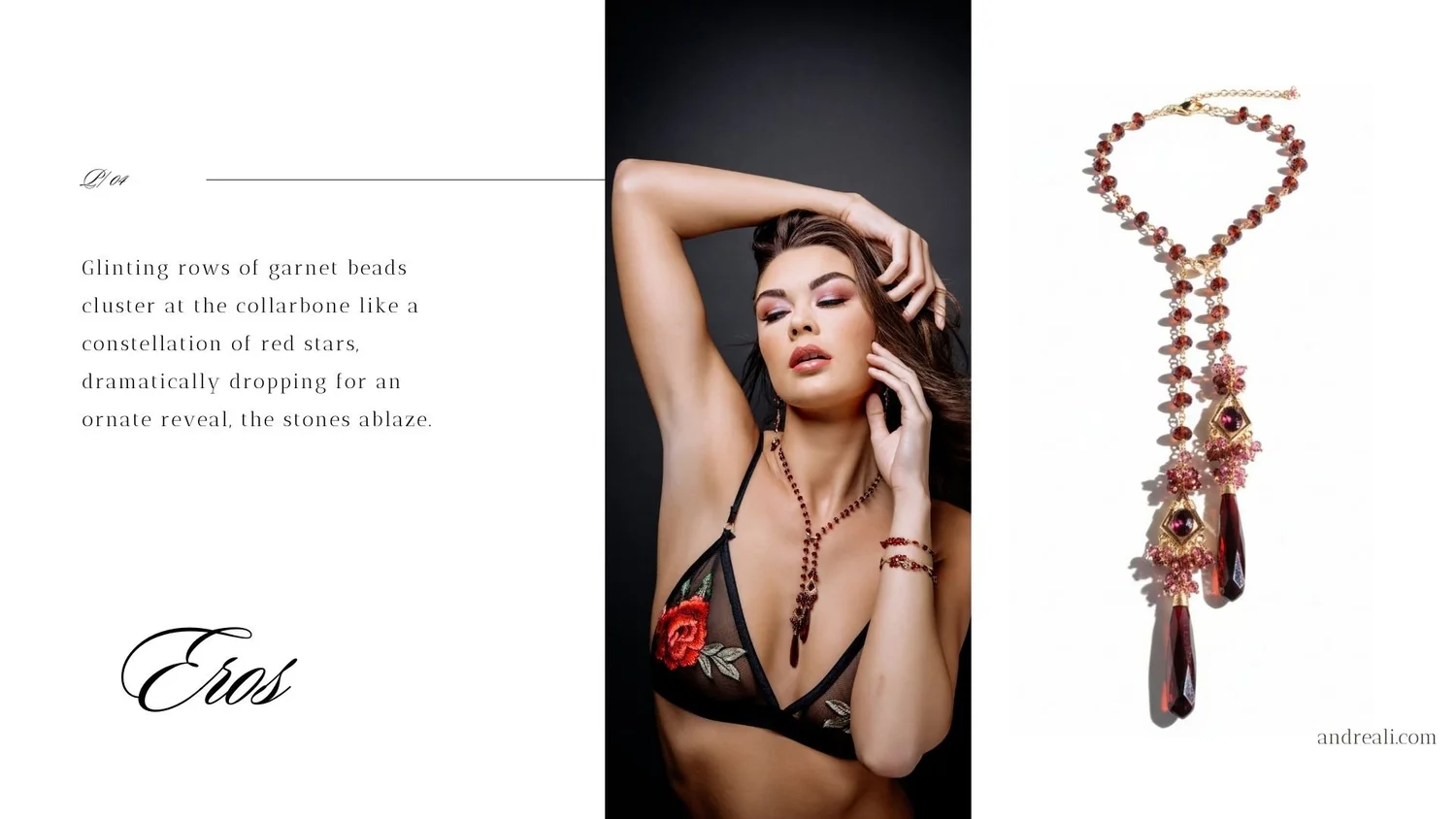
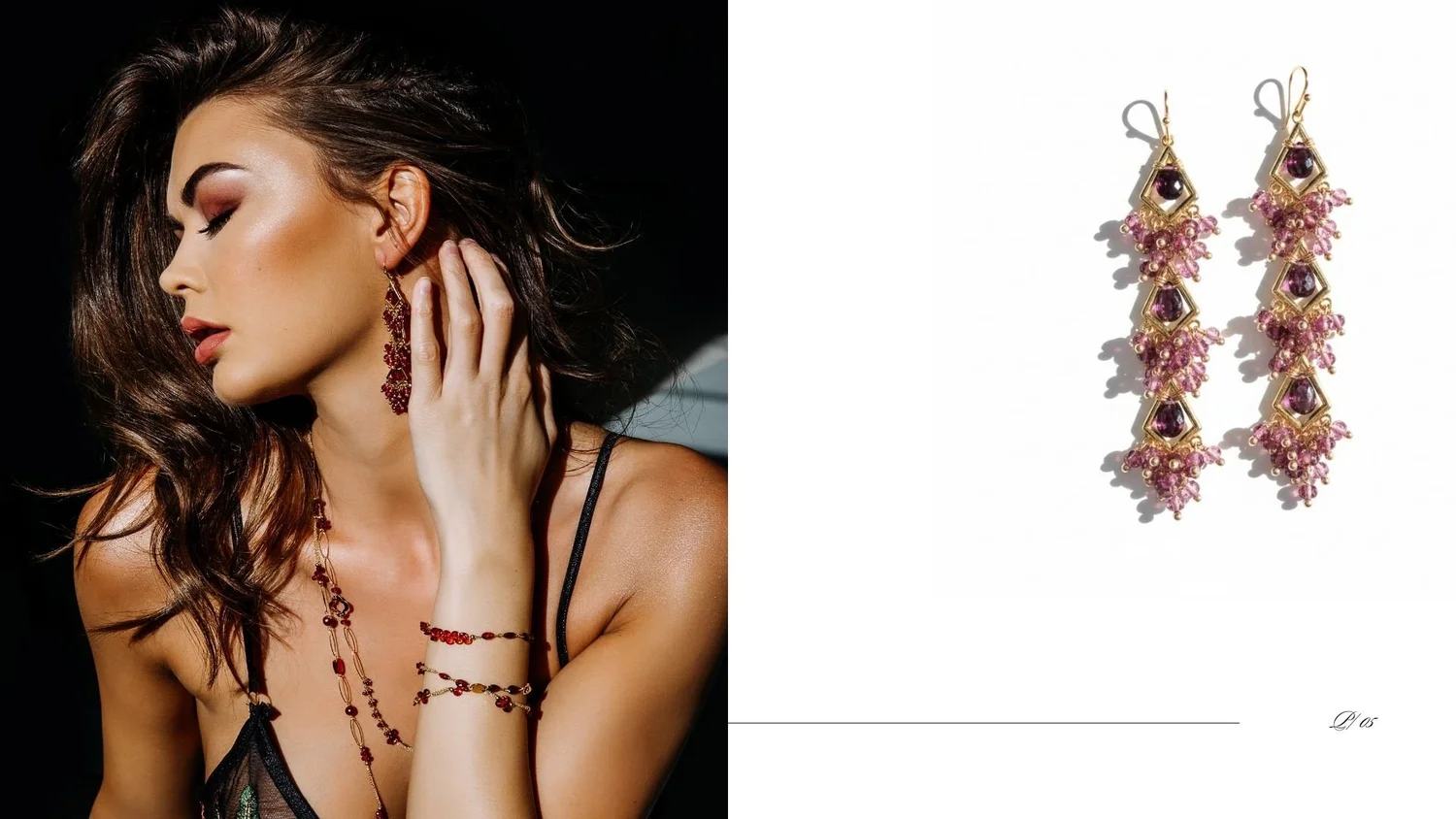
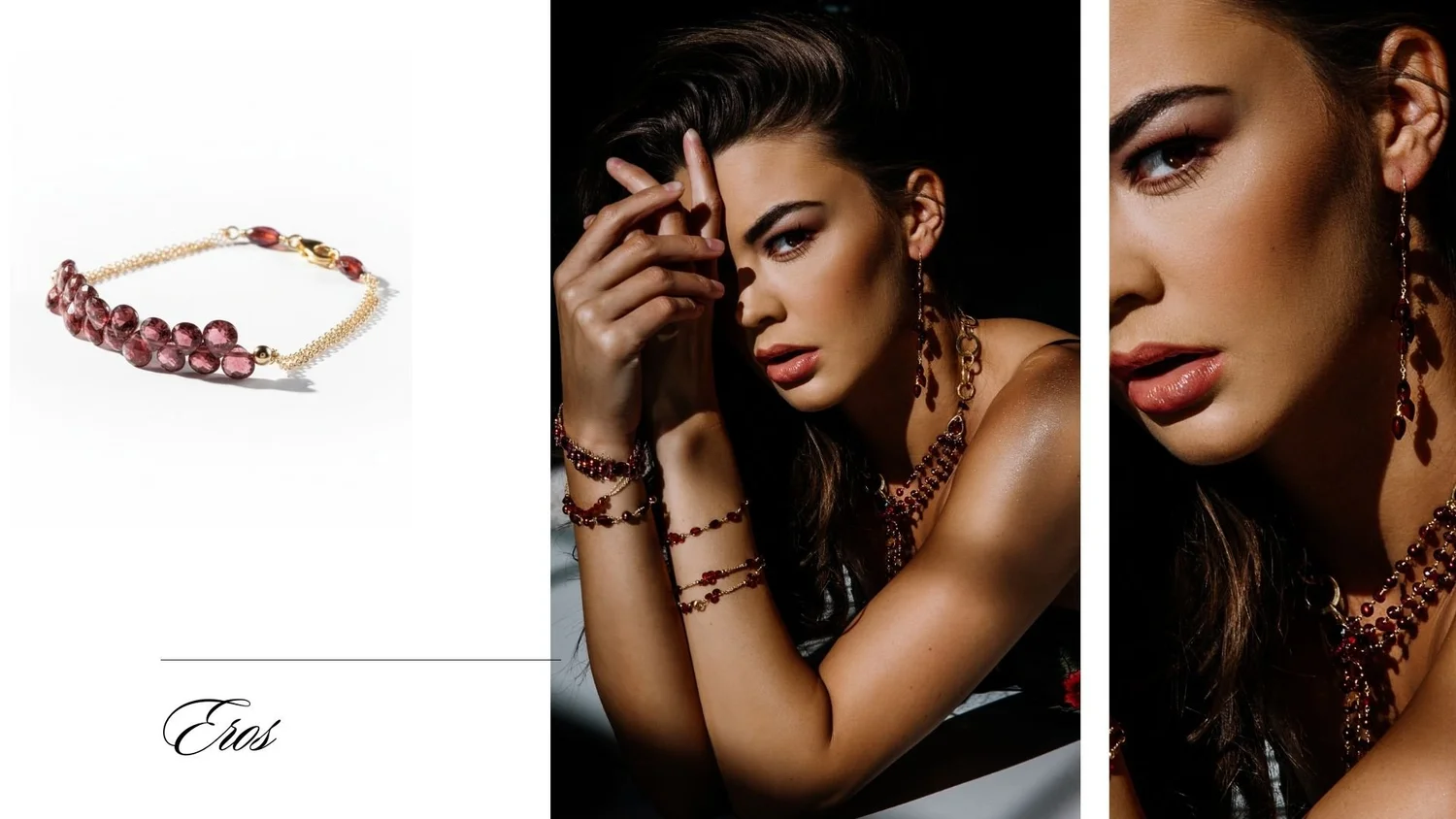
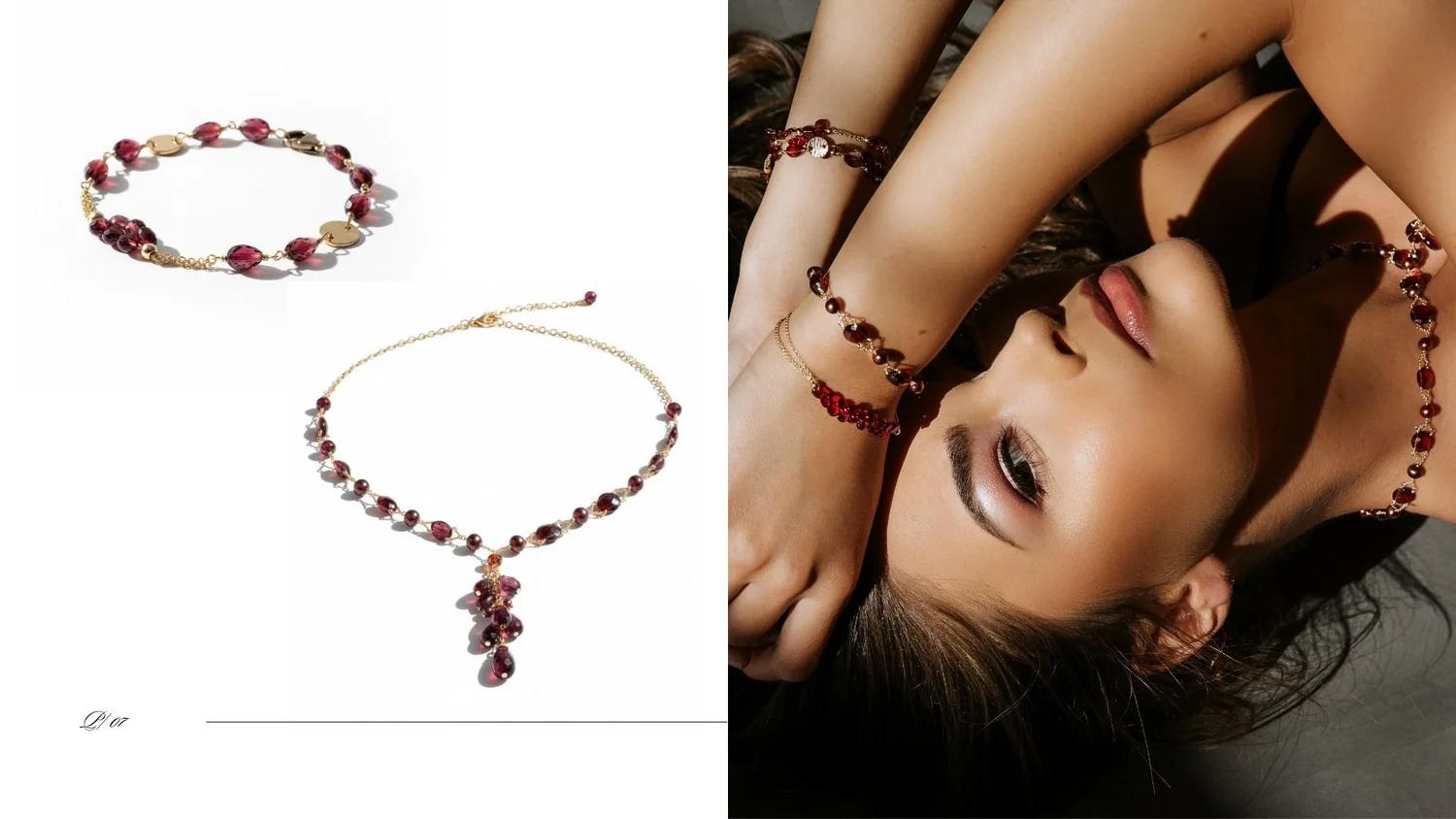
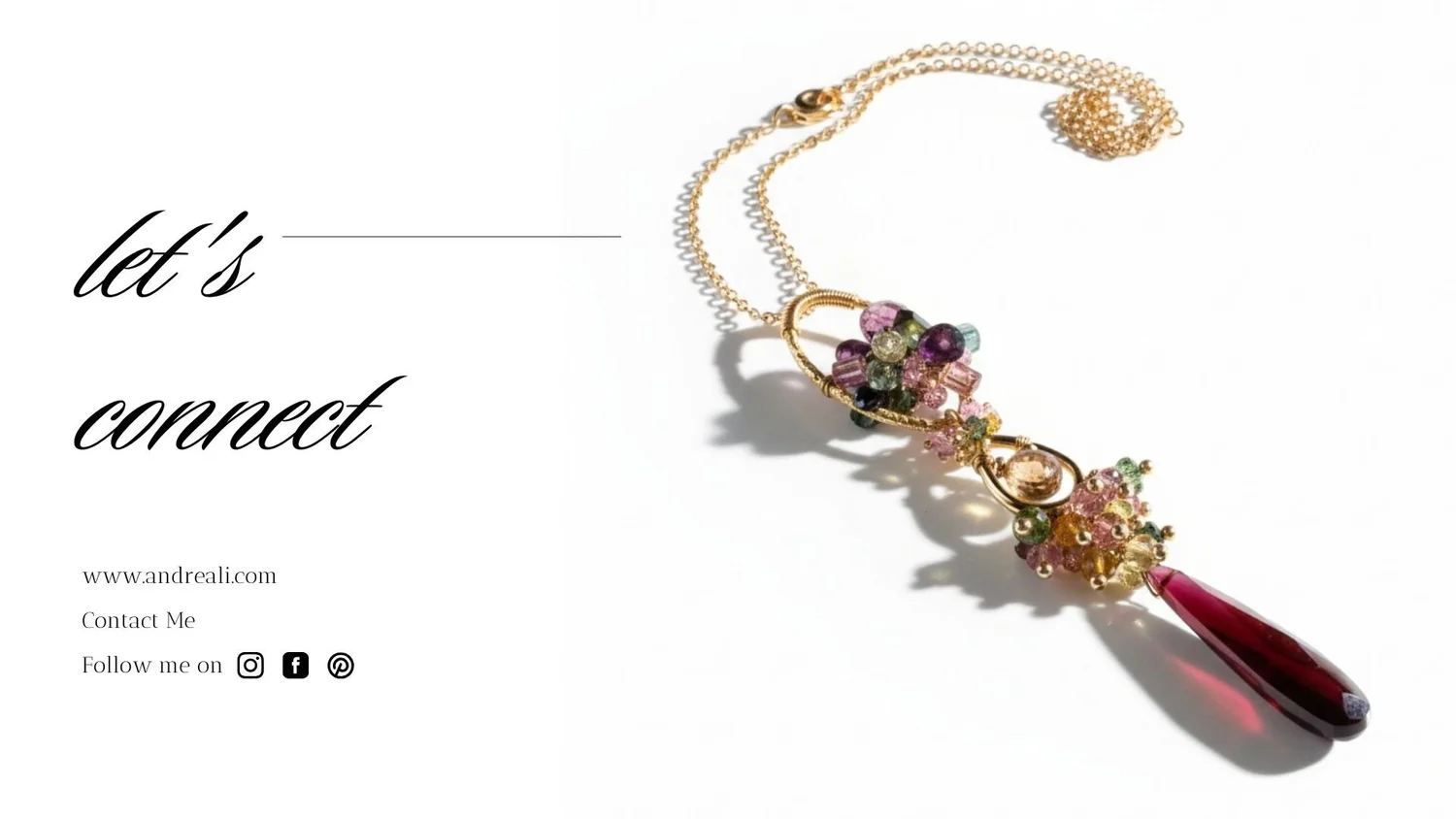
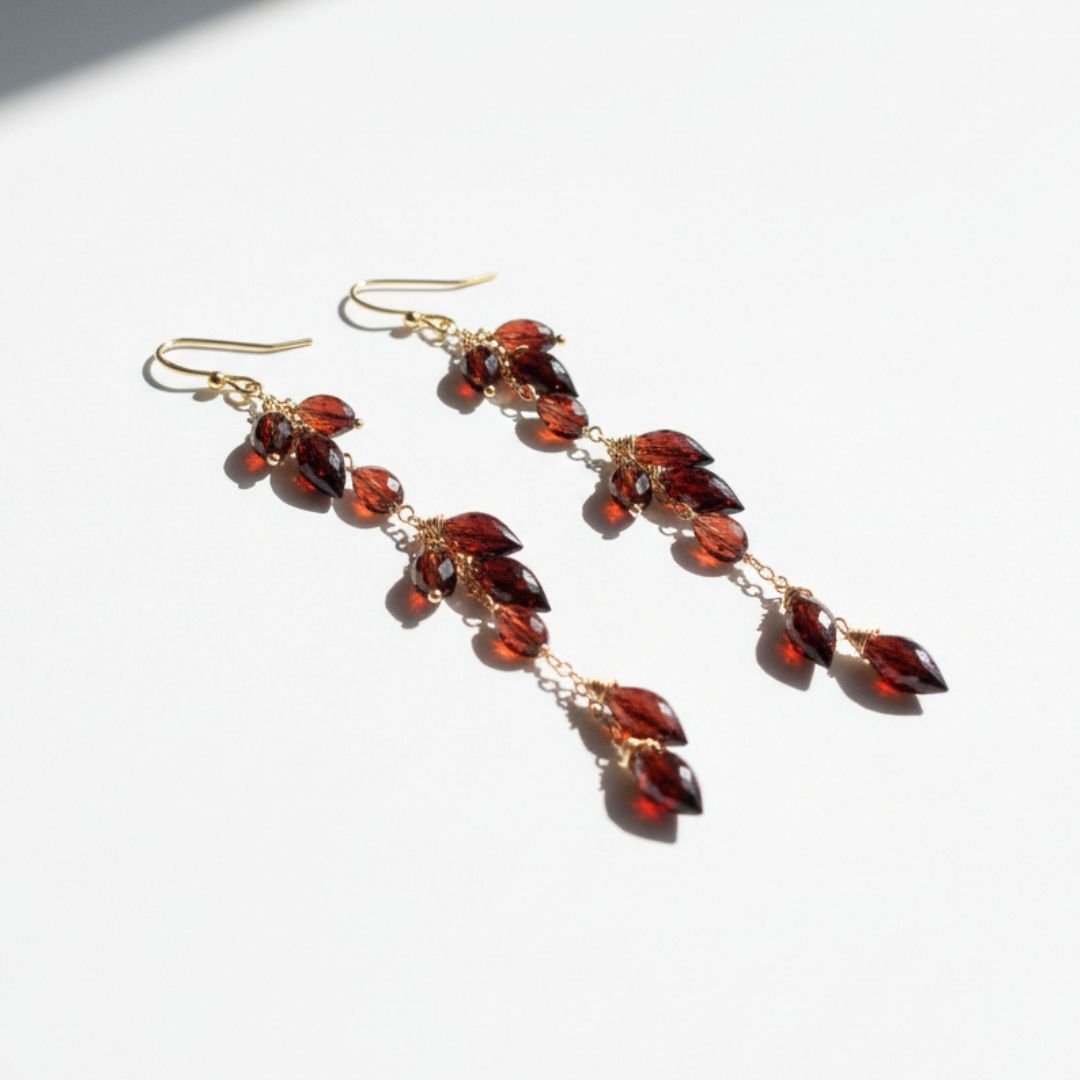
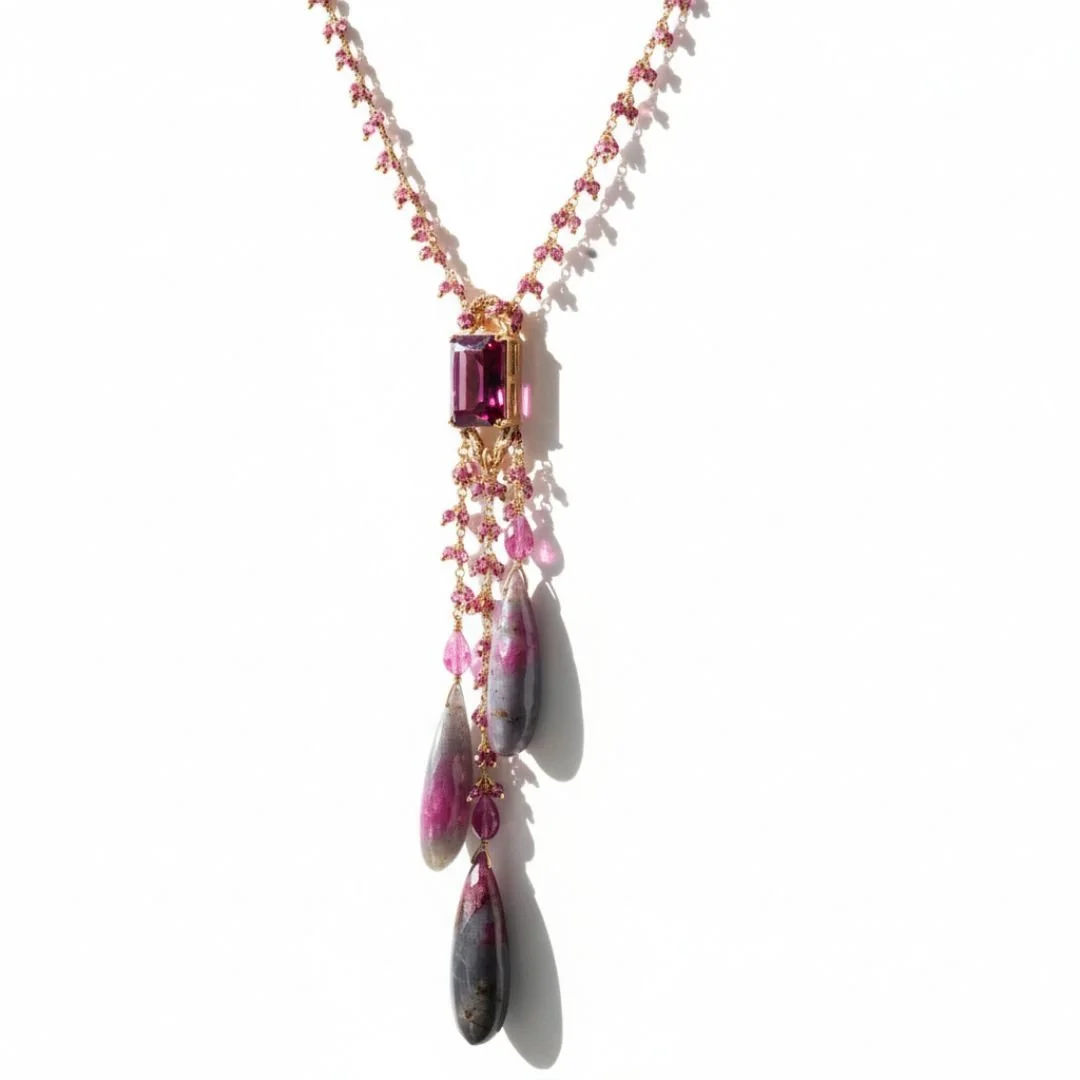
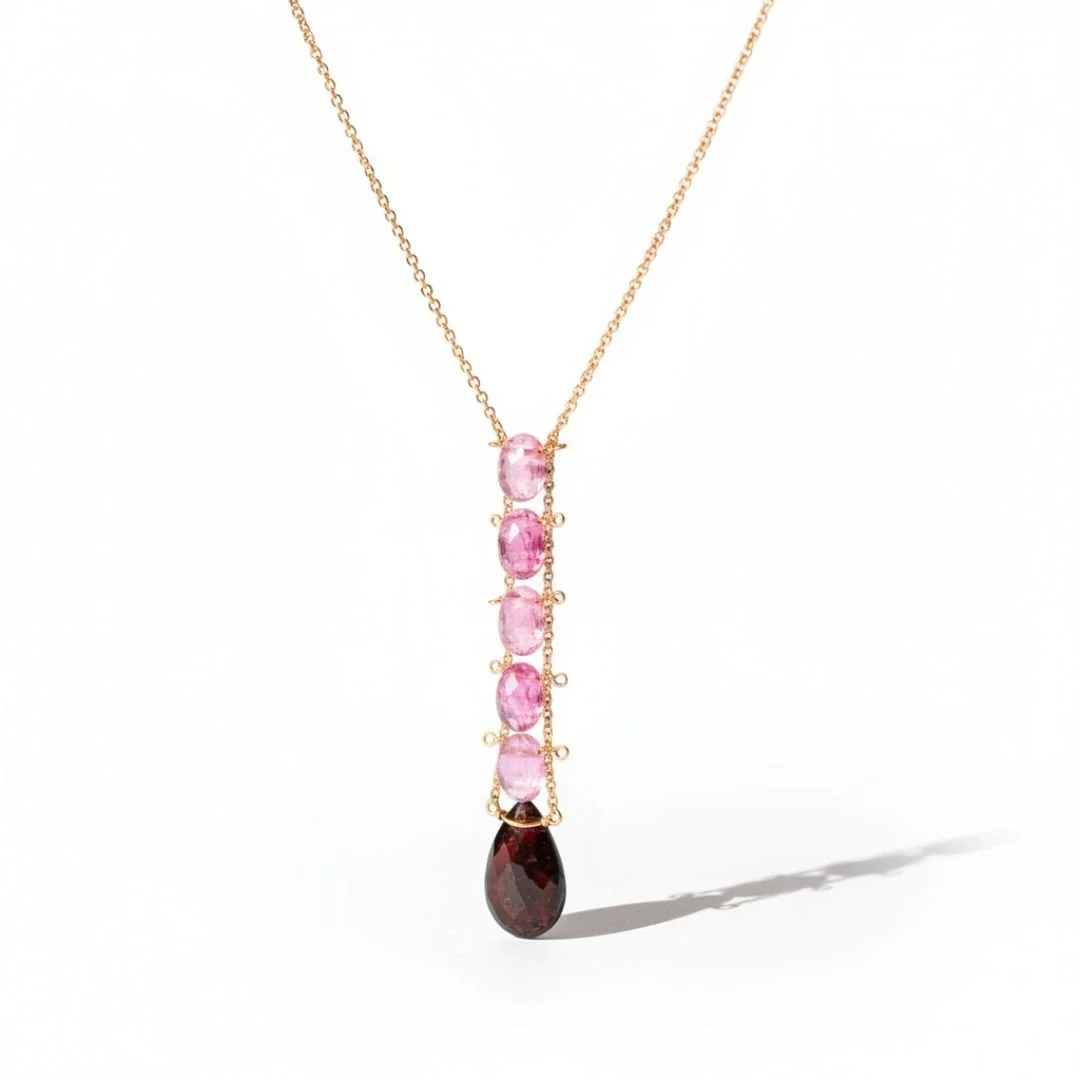
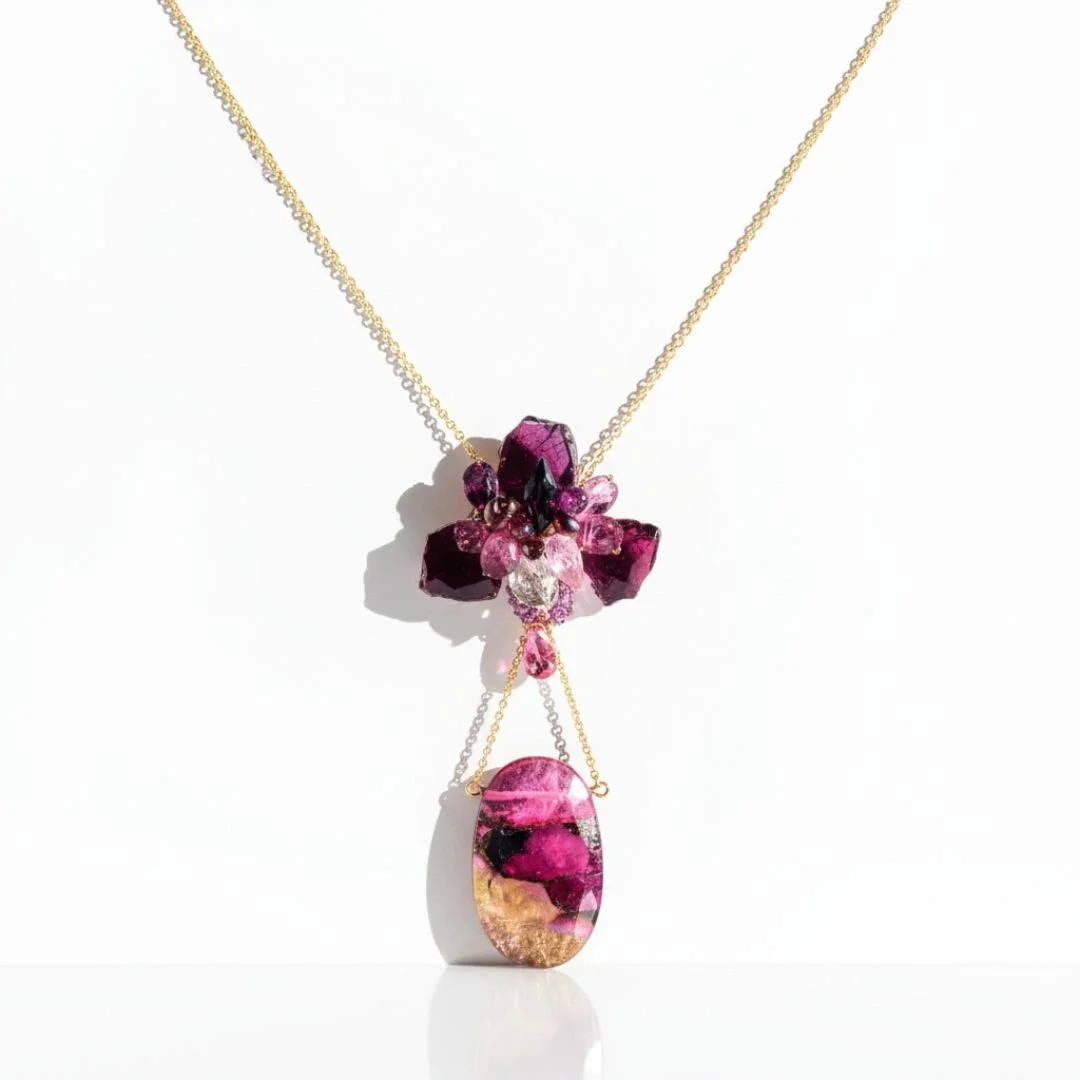
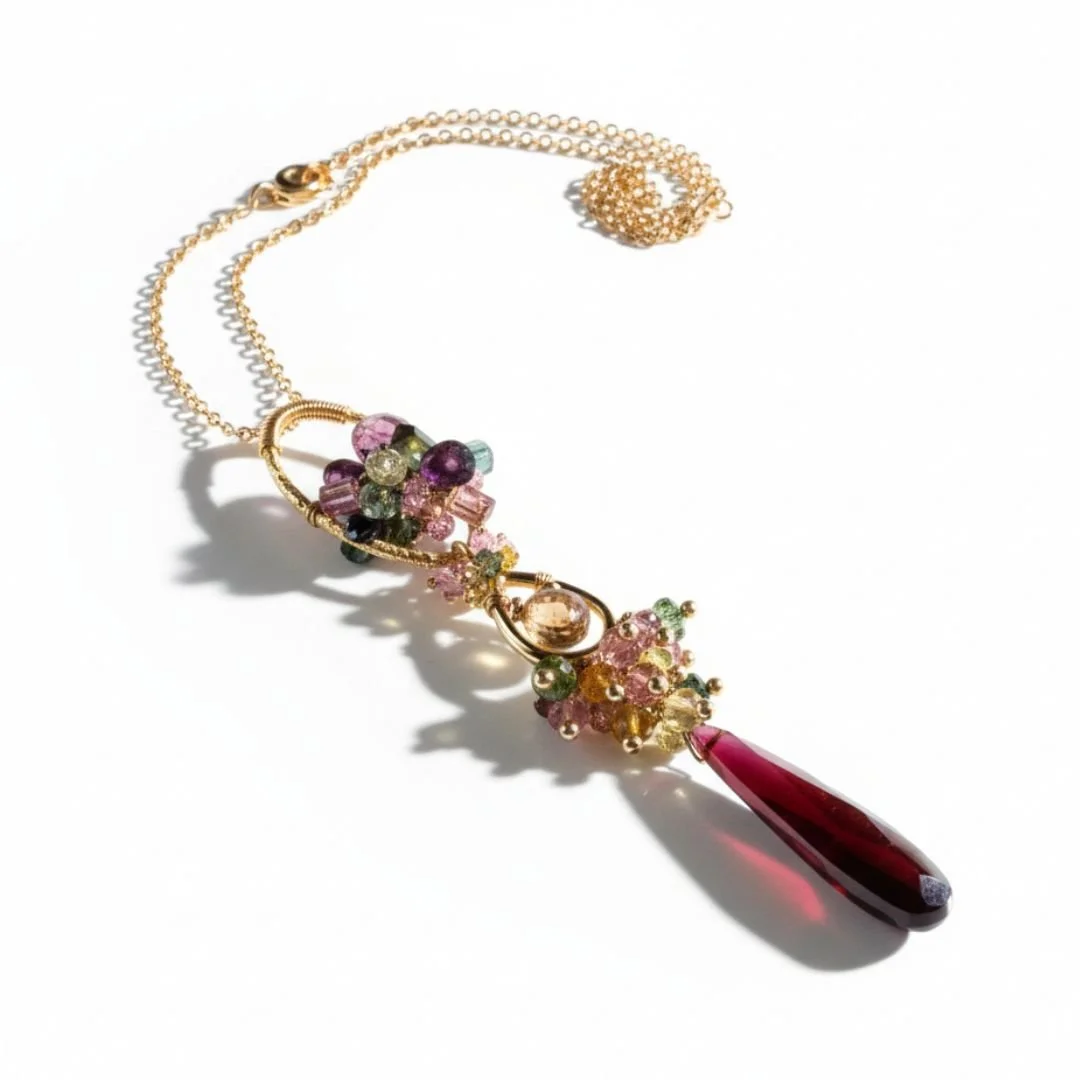
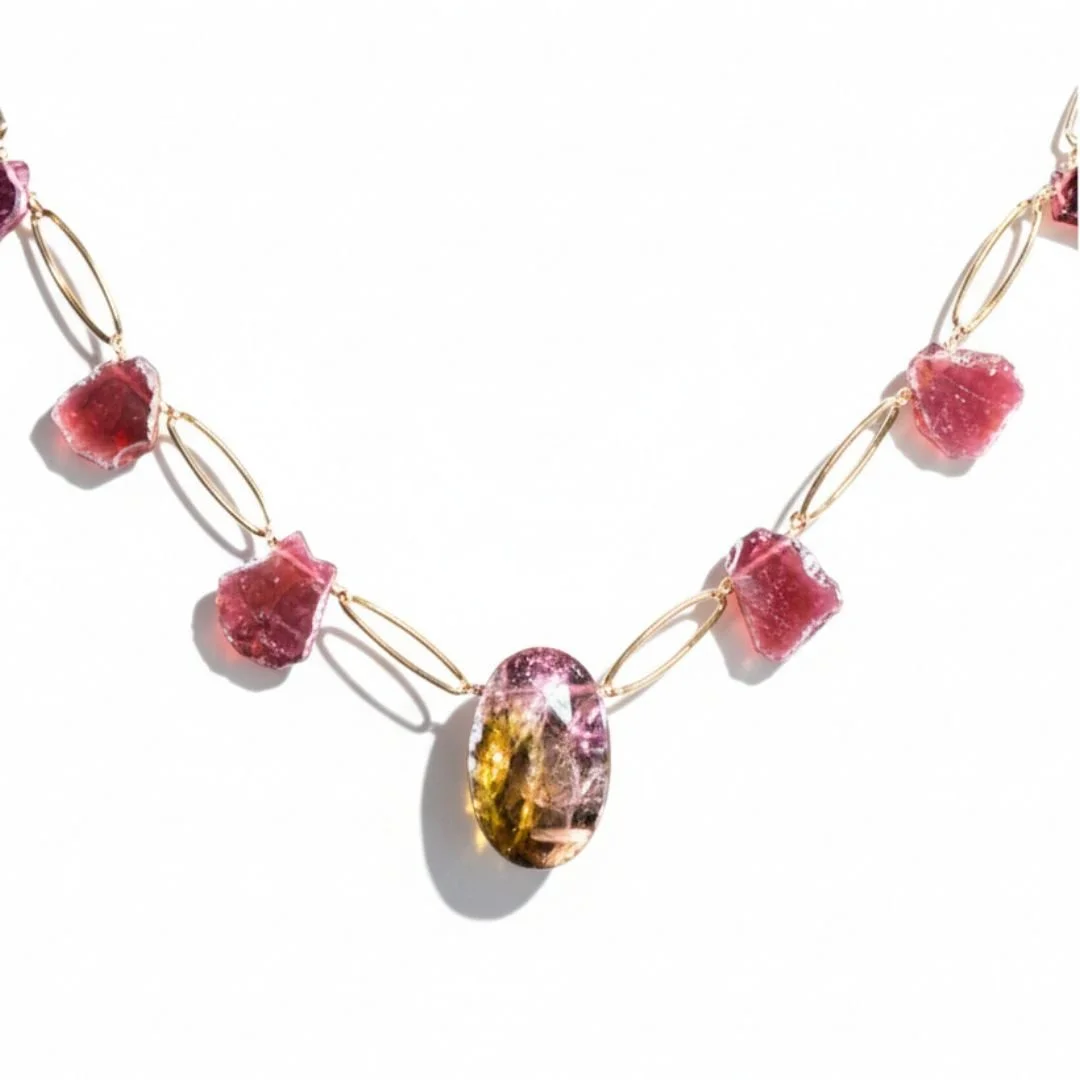
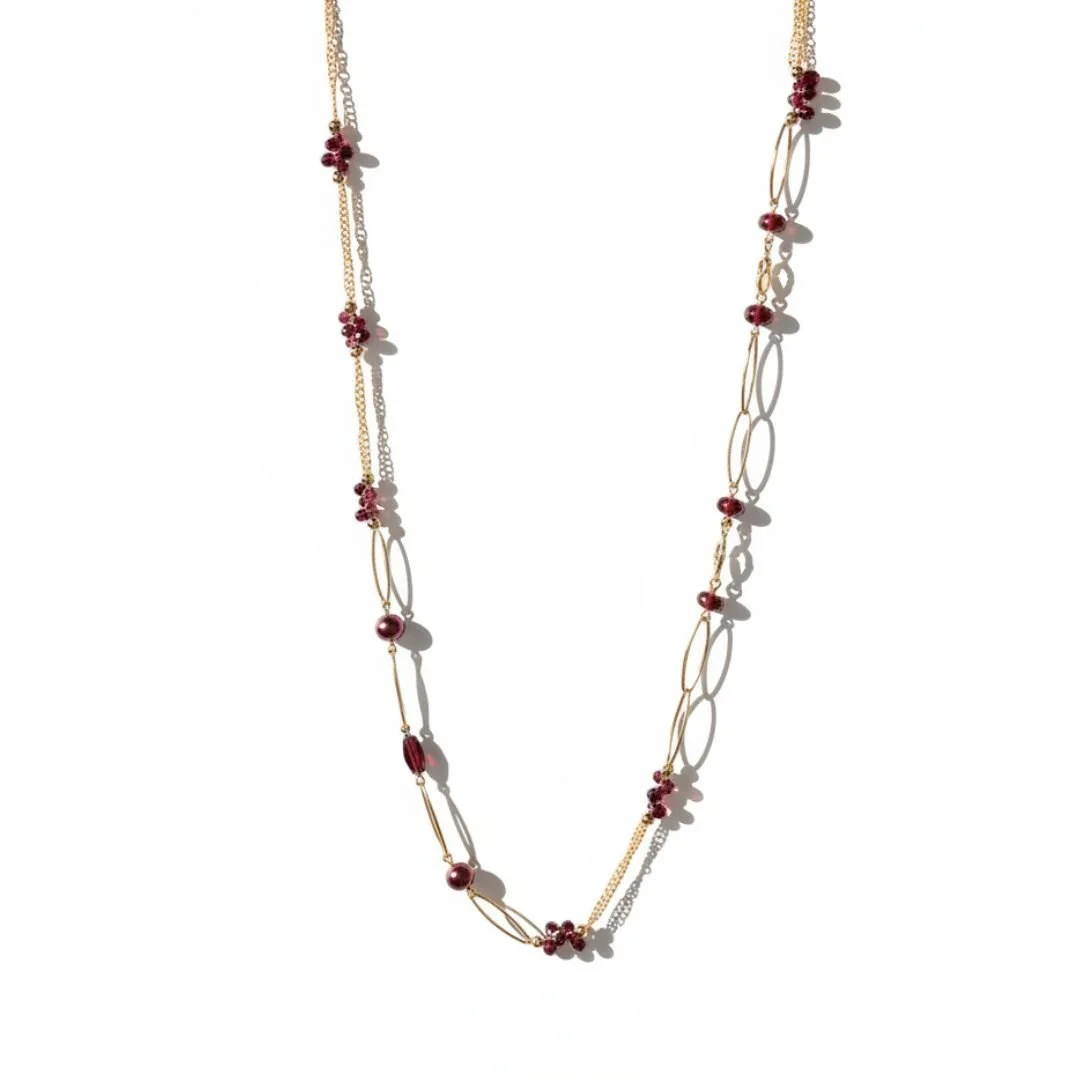
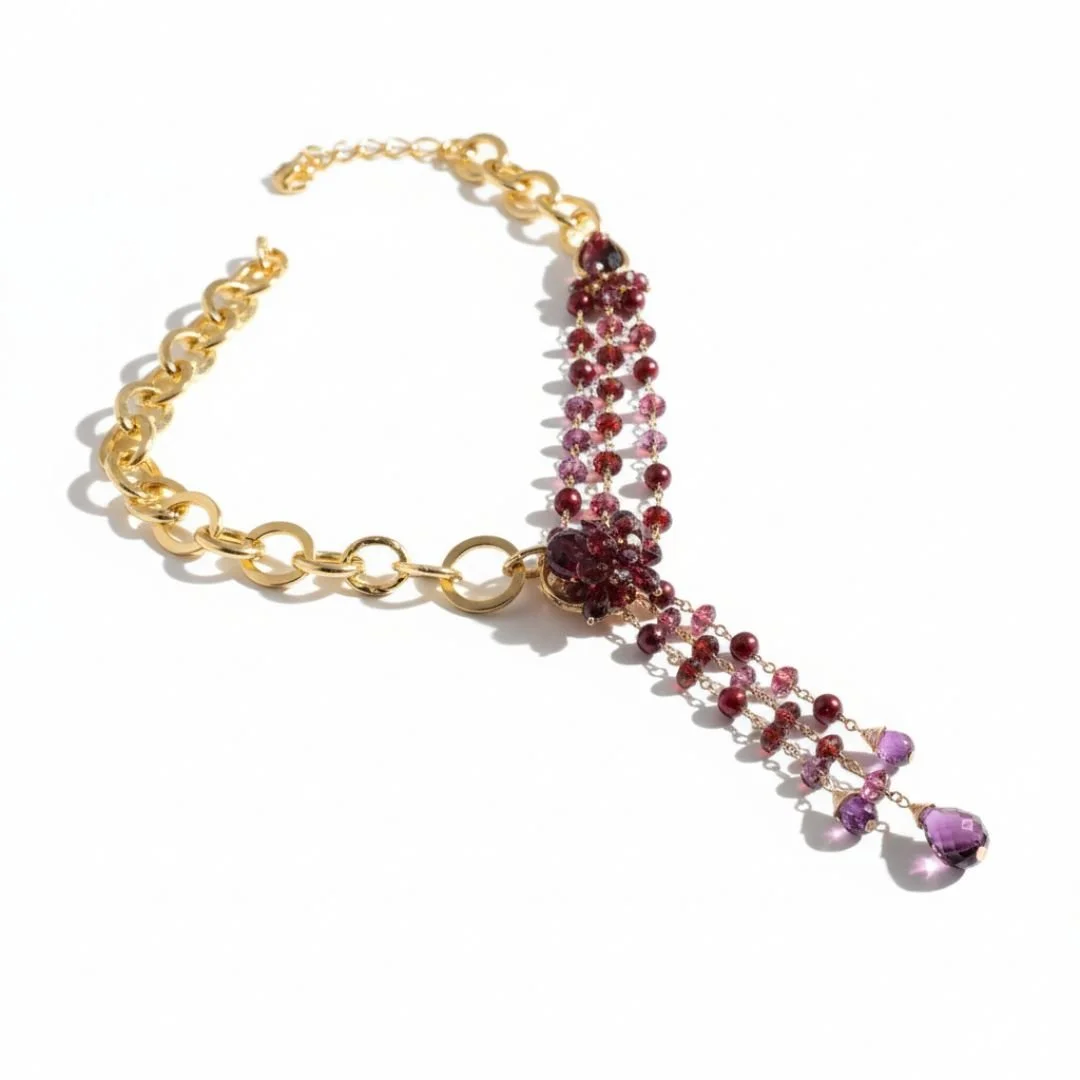
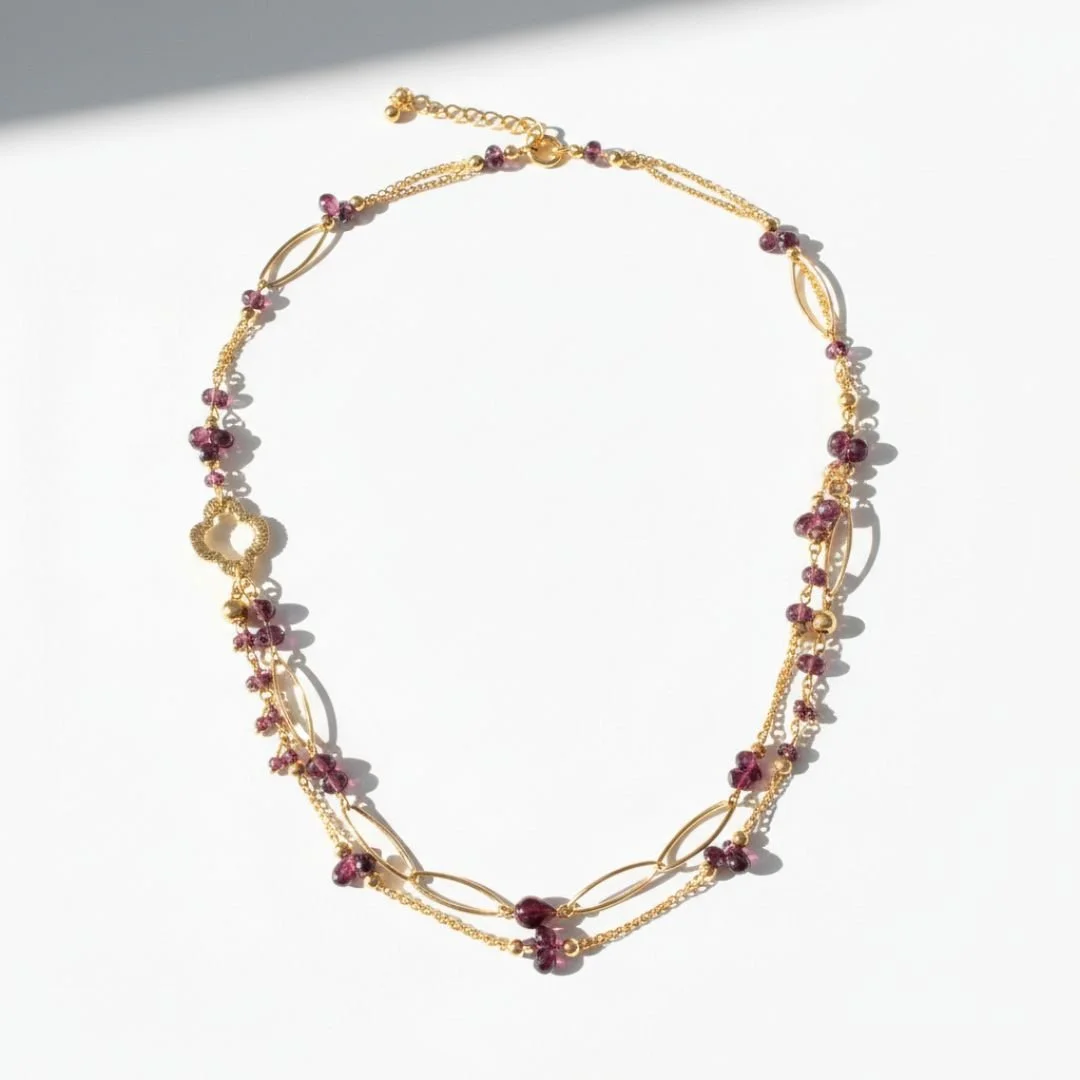
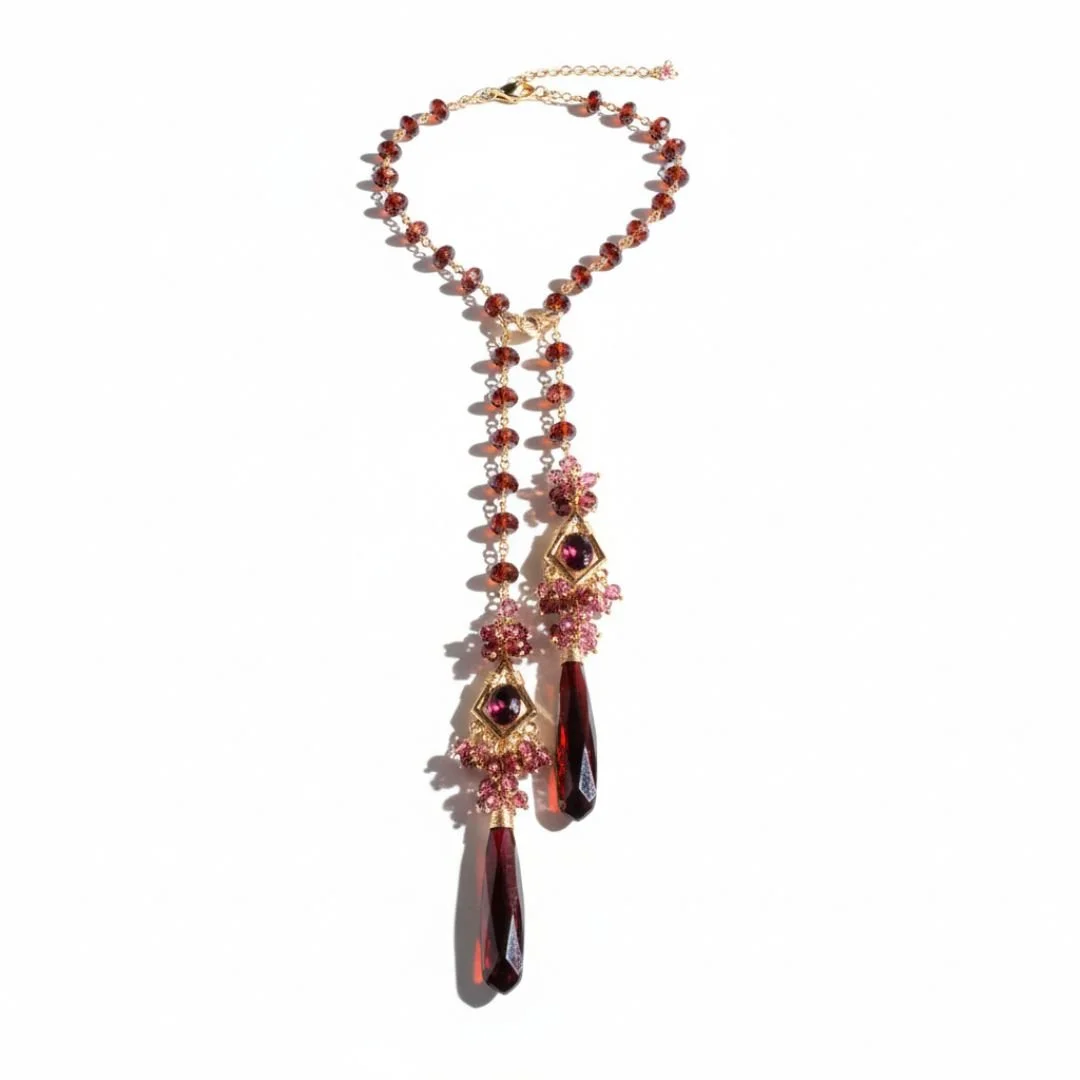
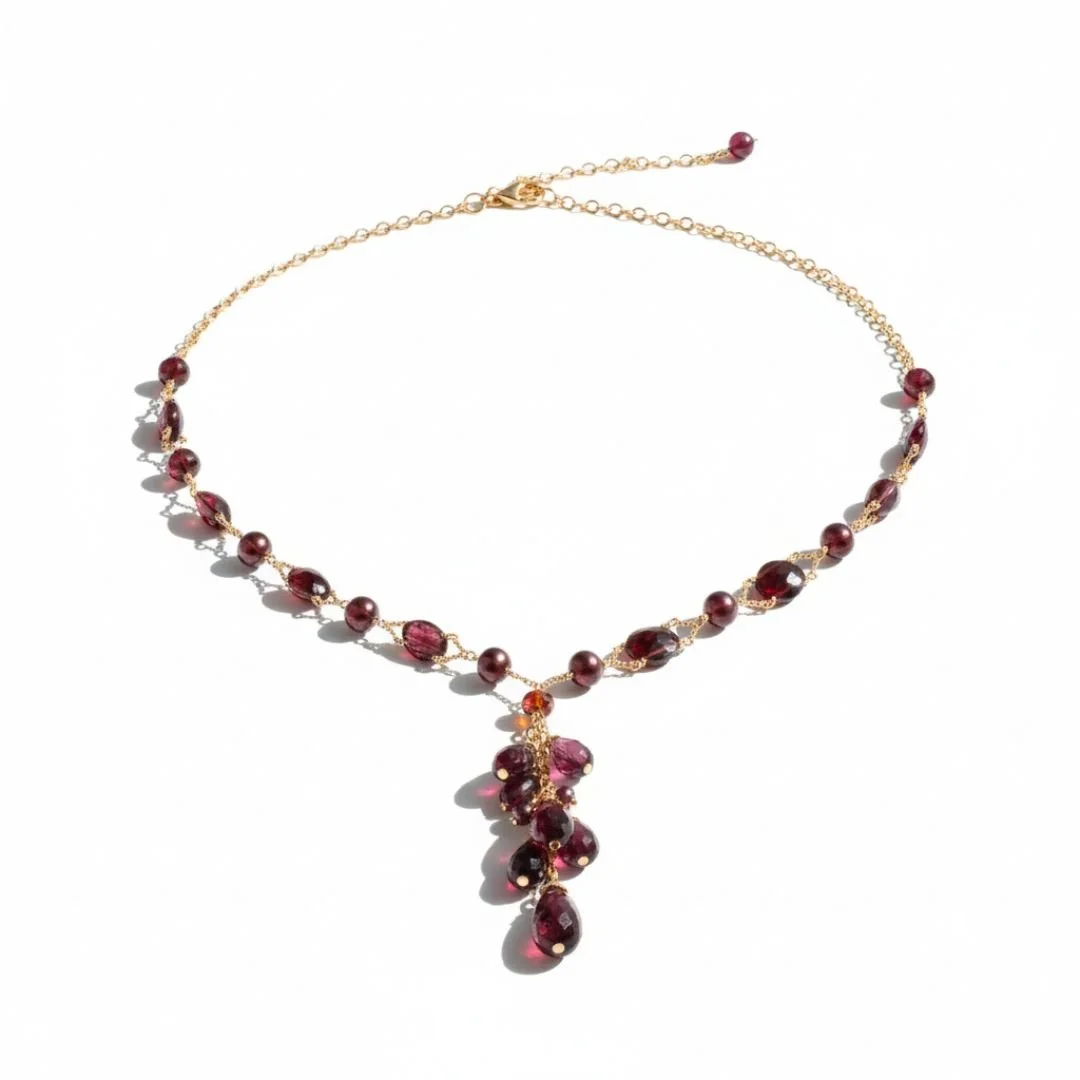
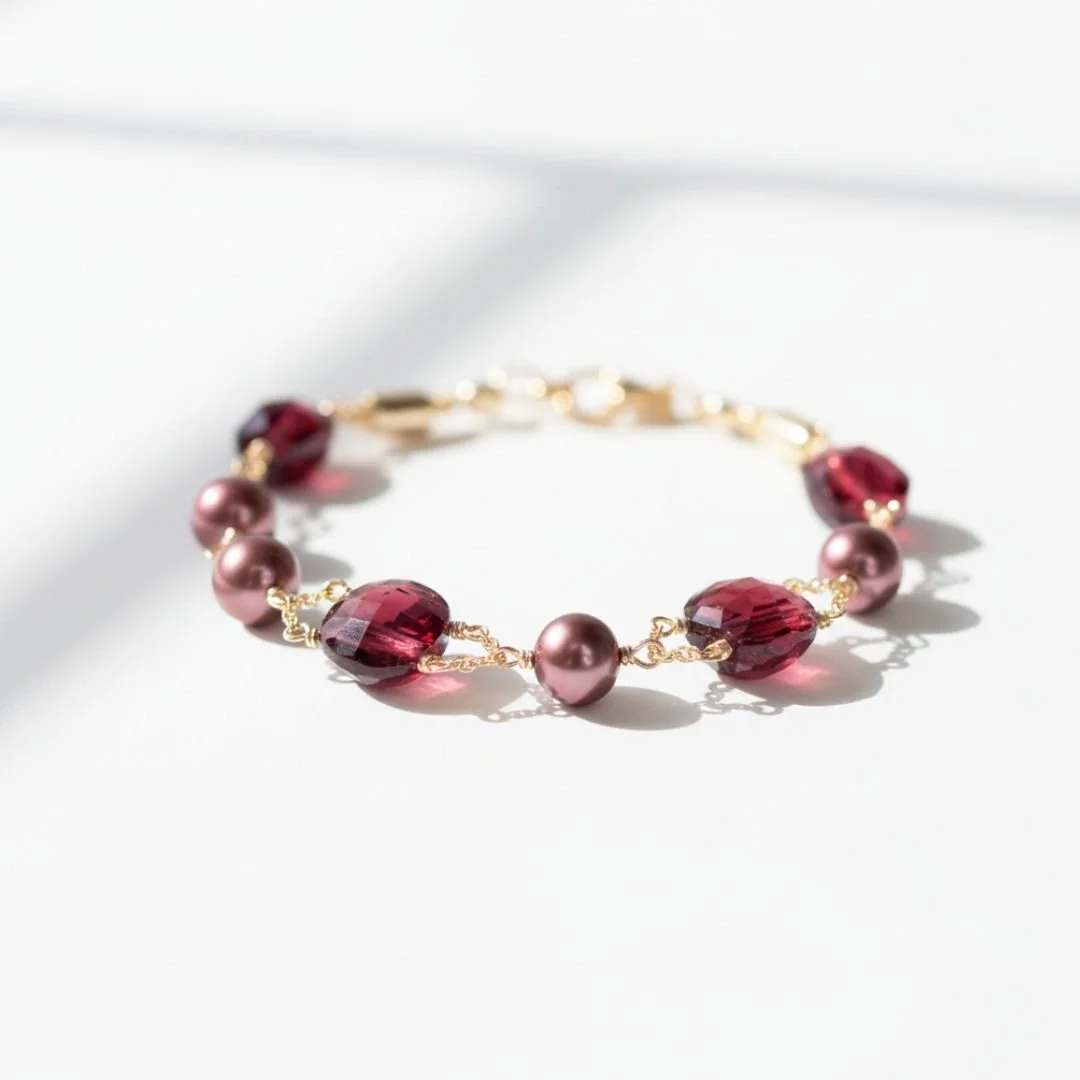
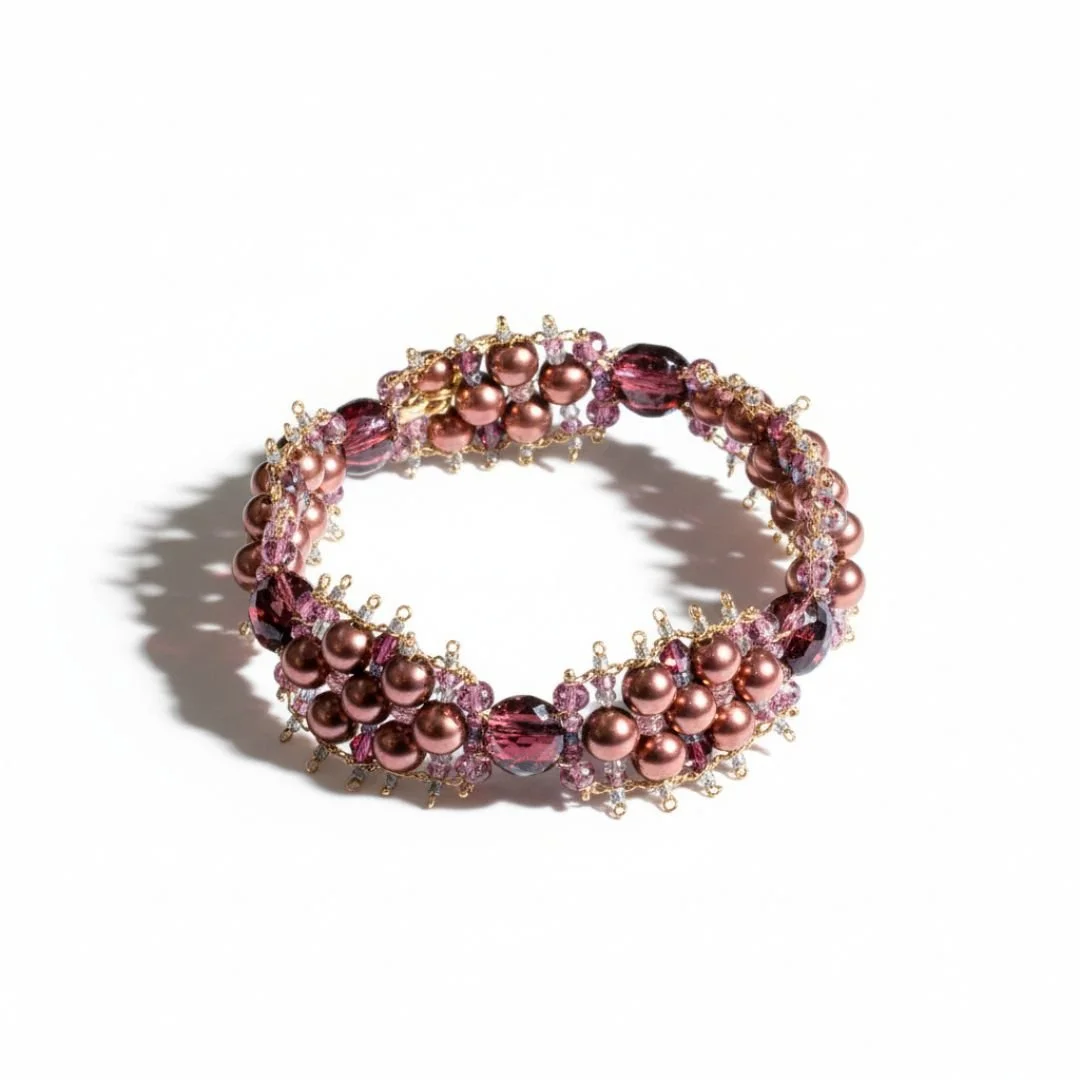
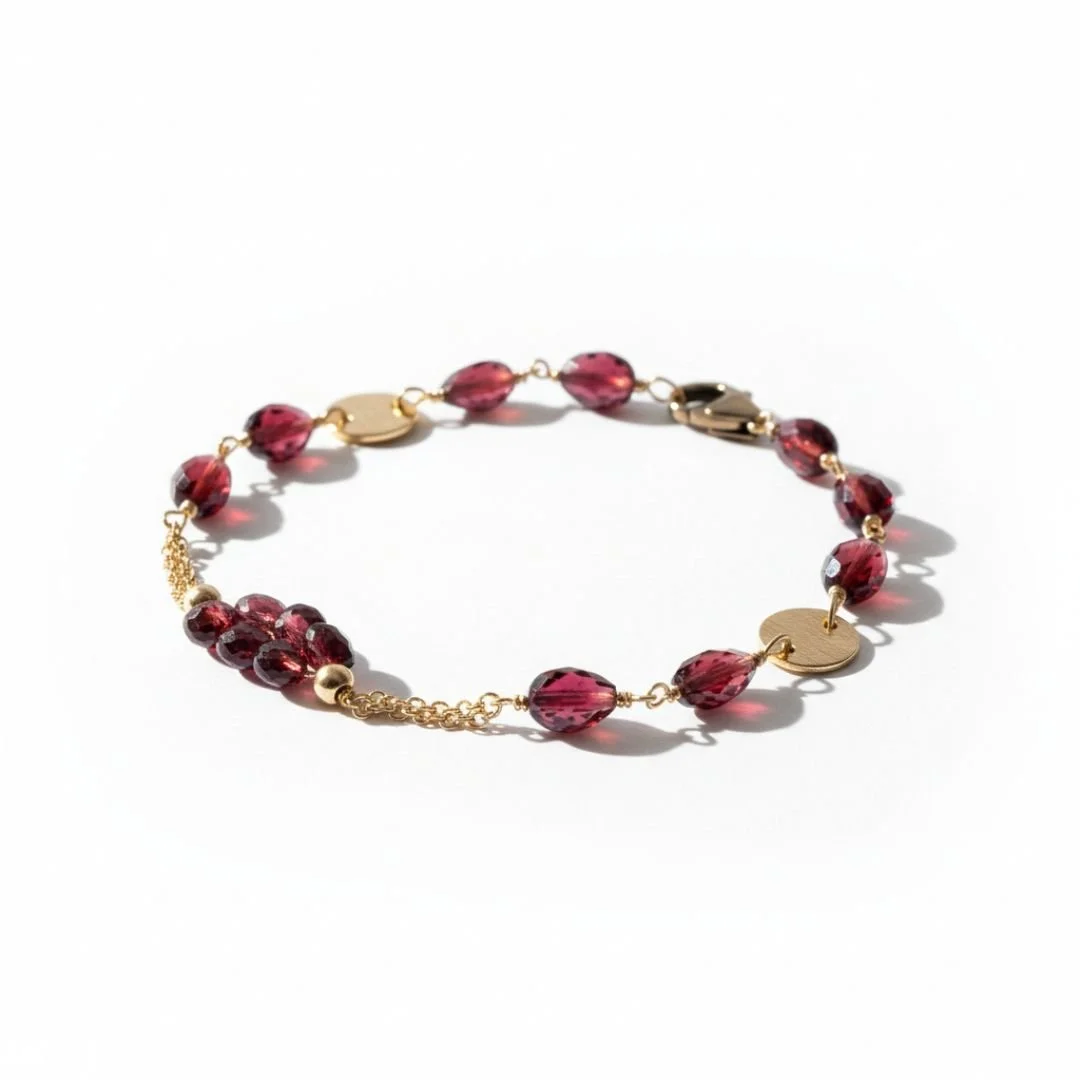
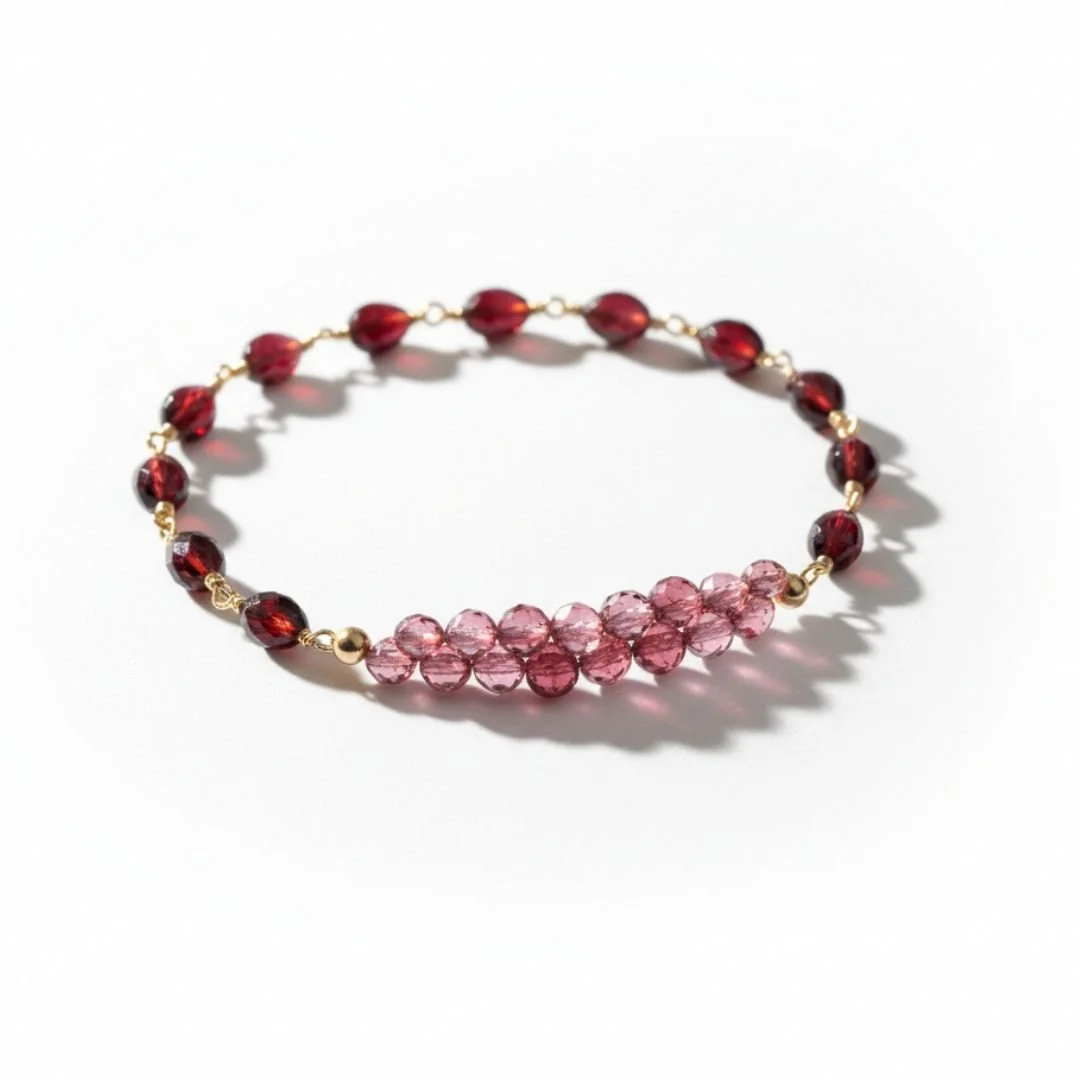
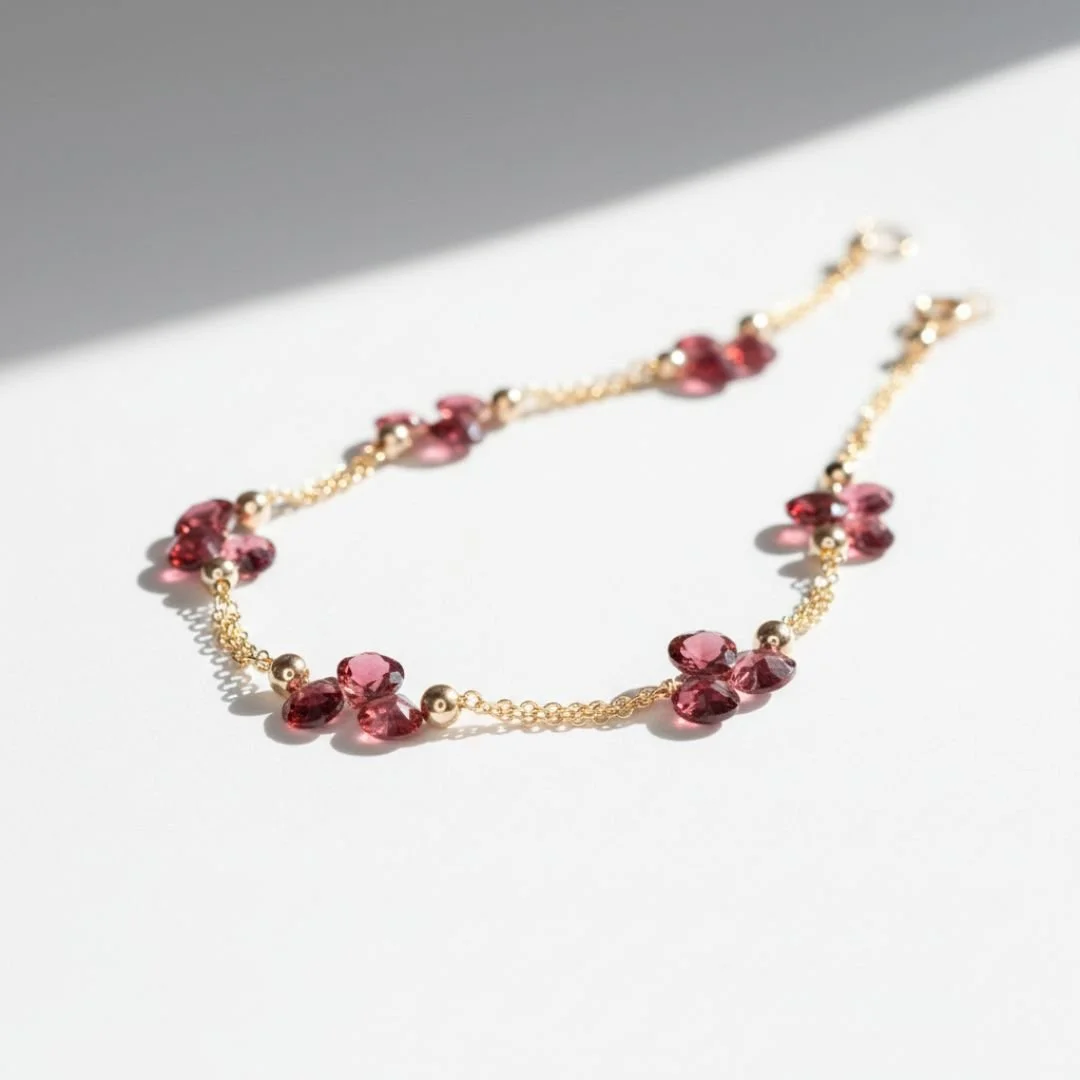
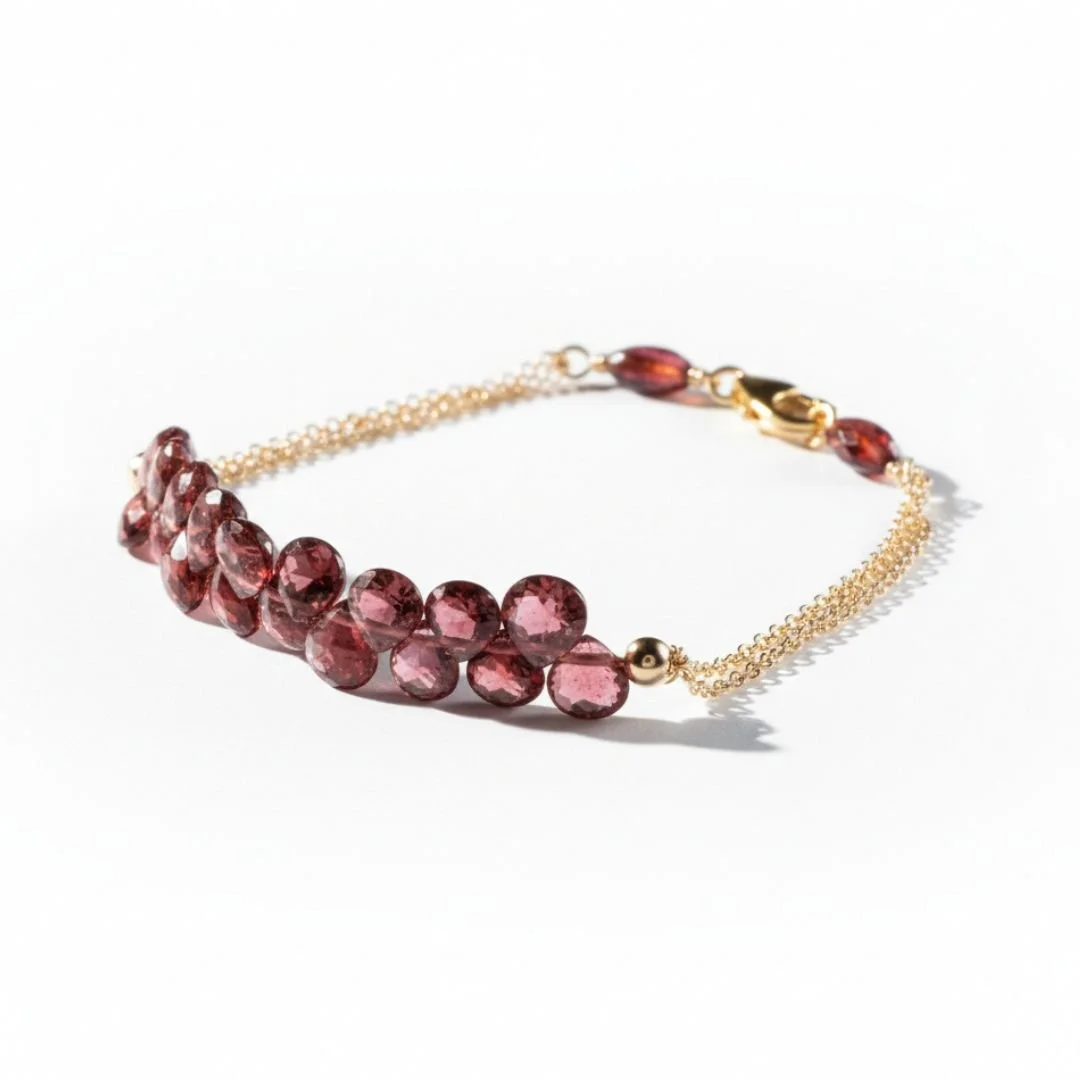
Ignite your primordial fire with a collection that reimagines the garnet as a series of uncommon talismans, featuring rare varieties from deep-red Rhodolite briolettes to vibrant Spessartite clusters. Meticulously handcrafted, these one-of-a-kind statement pieces serve as sophisticated adornment for the modern visionary ready to command power and celebrate their unreplicable identity.
For the Statement Maker to Elevate Your Everyday Style
One of a Kind · Built Once
Shop Garnet Bracelets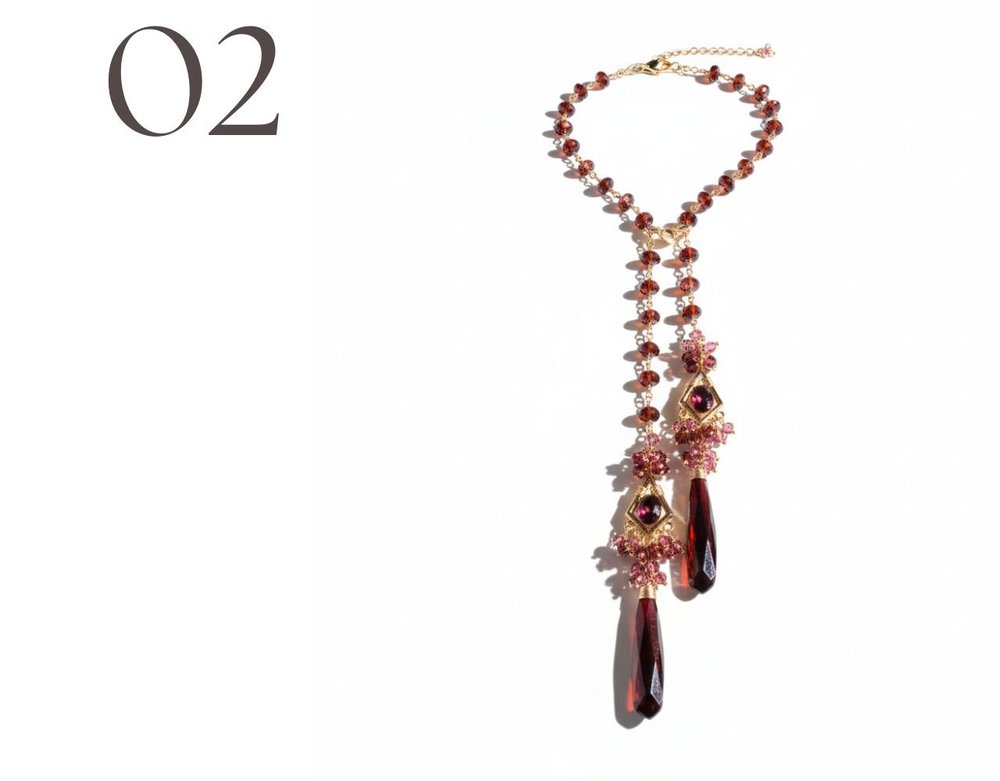
For Your Signature Style
One of a Kind · Built Once
Shop Garnet necklaces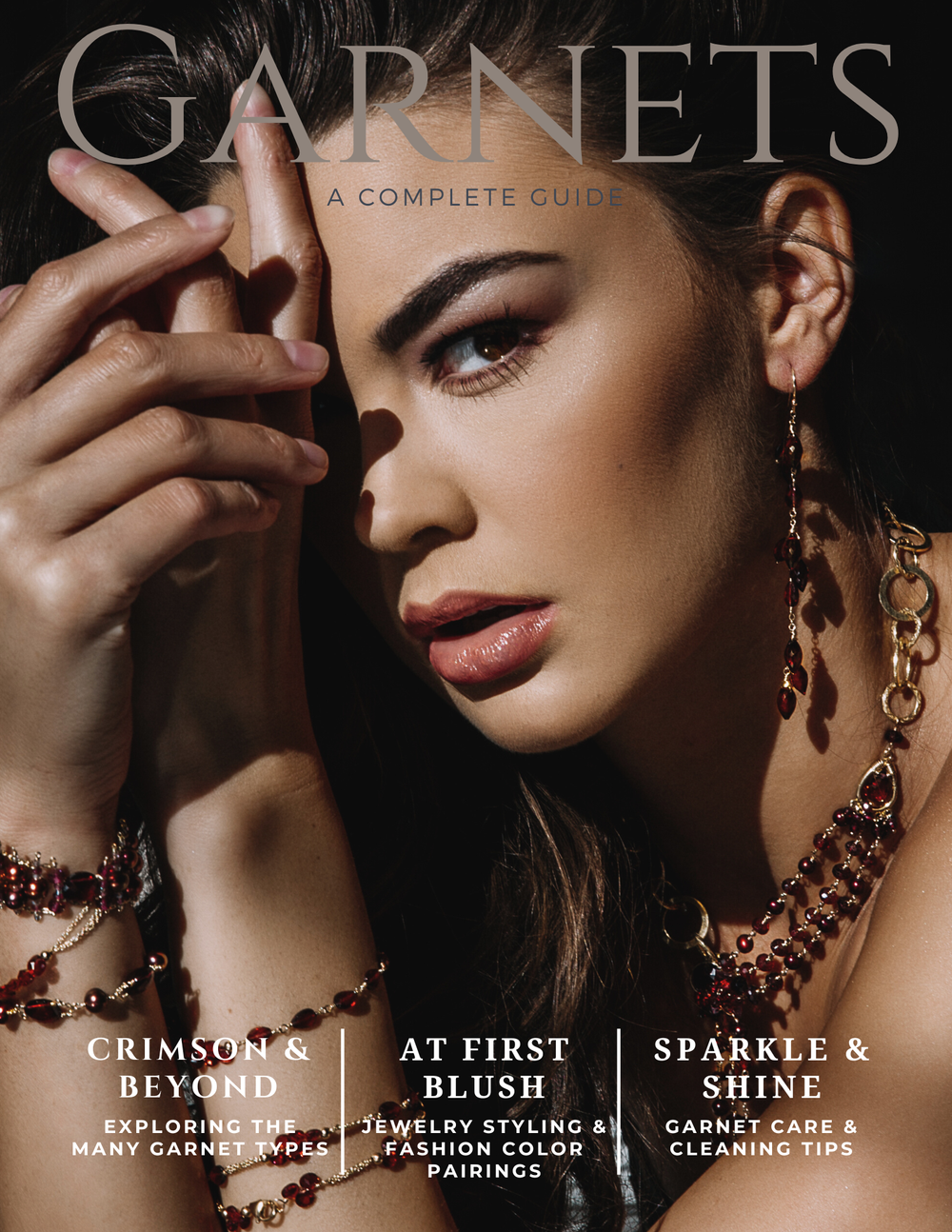
Free guide
Think garnets are just “deep red”? This guide takes you from crimson to surprise shades: green, peach & even color-change, + an easy fashion color-pairing cheat sheet so you can style them like a pro. Sign up, and I’ll send it to your inbox, along with simple garnet care + cleaning tips so your pieces keep their sparkle and shine.
Gifts · Handmade & One-of-a-Kind
Deep, warm red and January’s birthstone, garnet makes a rich and heartfelt gift. Each piece is handmade and one-of-a-kind, sculpted by hand in my Denver studio.
Explore the Jewelry Gift Guide →About Garnet
Real garnets are like real people, they’re rarely “flawless.” Under magnification, you’ll often see tiny inclusions or natural variations in color that give each stone its own fingerprint. Imitations (especially glass or synthetic lookalikes) tend to look too perfect, sometimes even showing little air bubbles.
A quick test? Garnet is heavier than plastic or glass and harder too. it can scratch glass or ceramic, but those imitations can’t scratch back. Gemologists also use tools like a loupe and a refractometer to read the stone’s inner light signature and confirm it’s the real deal.
Think of garnets like flowers, some grow wild, others are rare orchids.
Deep red garnets like almandine or pyrope are fairly abundant, which keeps their price grounded. But vibrant green tsavorites, glowing orange spessartite, or magical color-change garnets? They’re rare, especially in larger, clean cuts, and rarity changes everything.
When you find that sweet spot, vivid color, clean clarity, exquisite cut, and generous size, the price rises, but so does the magic.
Honestly? Those labels are more old-school marketing than gemological truth.
Garnet falls into the “colored gemstone” category, and its value has nothing to do with the word “precious”, it’s all about the quality. Some garnets (like tsavorite or demantoid) can be worth more per carat than traditional gems like sapphire or emerald. So don’t let terminology fool you; the stone’s brilliance and rarity speak for themselves.
Garnet is pretty sturdy, think of it like the workhorse of the jewelry world that still knows how to dress up.
On the Mohs scale, it lands between 6.5 and 7.5, which means it holds up to everyday wear, but it’s not invincible. Unlike diamonds (10) or sapphires (9), garnet can scratch if you’re rough on it, and it's best to be a little mindful when wearing it in rings or bracelets that take daily knocks.
In general, natural garnets are stable and won’t fade just because you stepped into the sun, they’re not shy like that.
Heat is the one to watch: garnets can be sensitive to high heat. I always recommend removing your garnet jewelry before sauna sessions, desert hikes, or extended sunbathing. Let the stones rest in the shade while you glow.
Red is only the beginning. Garnet is a family of minerals, and its colors run from deep wine-red almandine and fiery crimson pyrope to rose-to-raspberry rhodolite, mandarin orange spessartine, vivid green tsavorite and demantoid, cinnamon hessonite, peachy malaia, and rare color-change garnets that shift from blue to purple in different light.
In my work, spessartite and rhodolite garnet carry two of the strongest colors: mandarin orange and raspberry red.
Here’s one of garnet’s most appealing traits: many varieties are naturally gorgeous and don’t need enhancement. Most high-quality garnets are untreated, what you see is what the Earth created.
That said, a garnet is occasionally fracture filled to improve its apparent clarity, or coated to change its look, which can affect both value and care. I always disclose treatments when I know them, and for custom or higher-value pieces, I hand-select the stones to ensure quality and integrity.
Have a vision for a custom garnet piece? Andrea would love to bring it to life.
Start a Commission