Vintage JewelryHandcrafted from Real Antiques · One-of-a-Kind · Denver
Vintage Jewelry, Reimagined
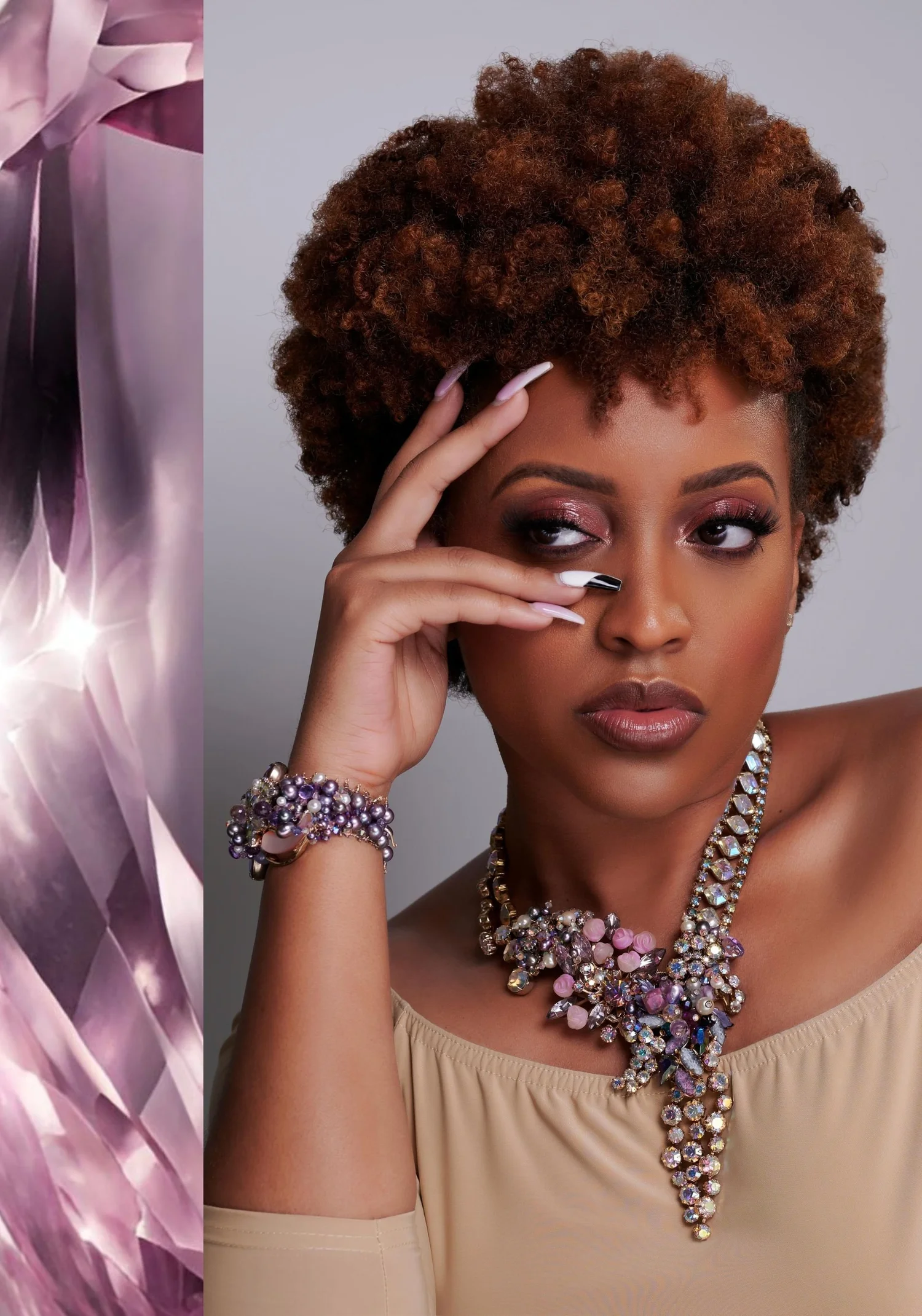
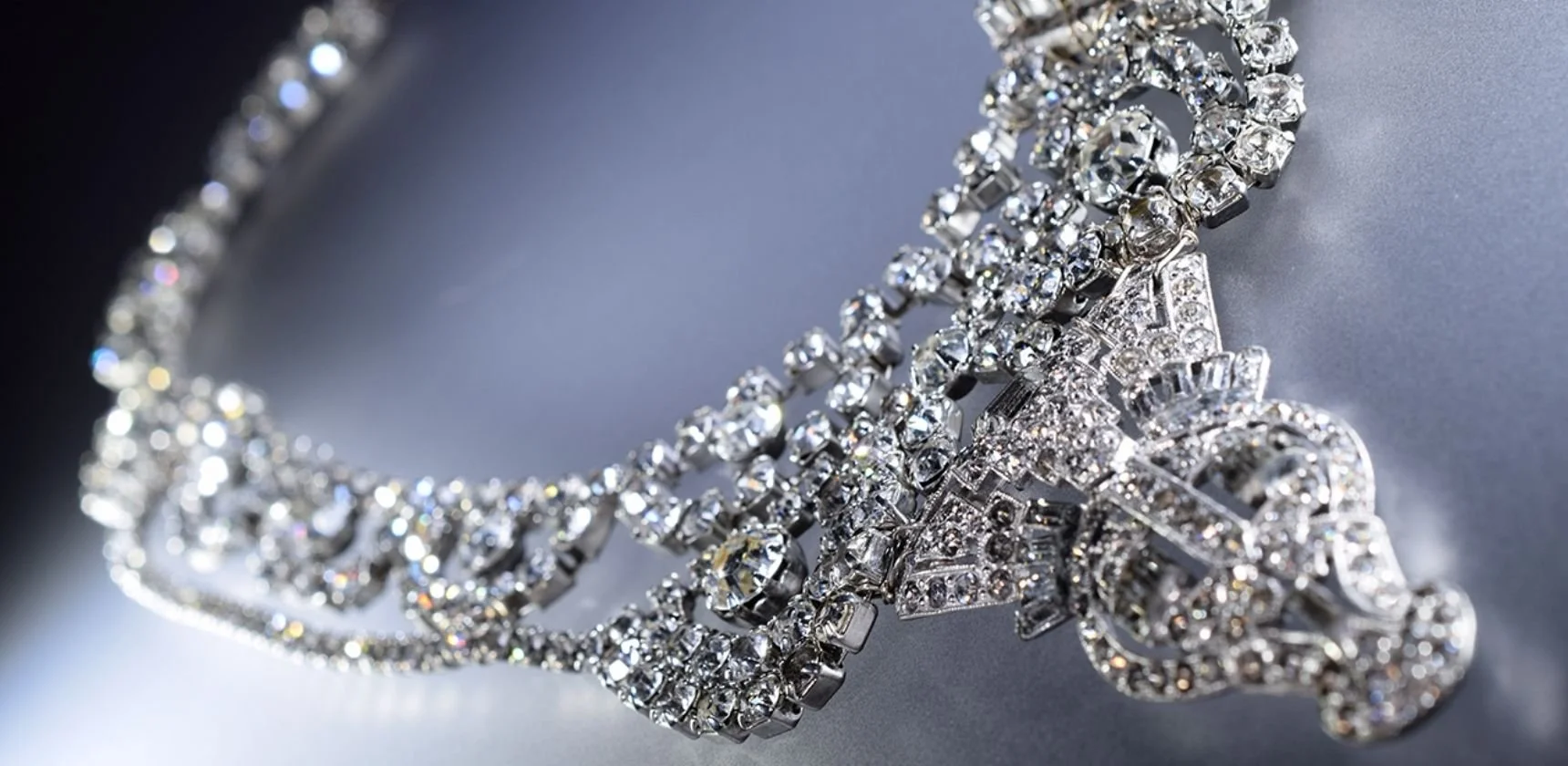
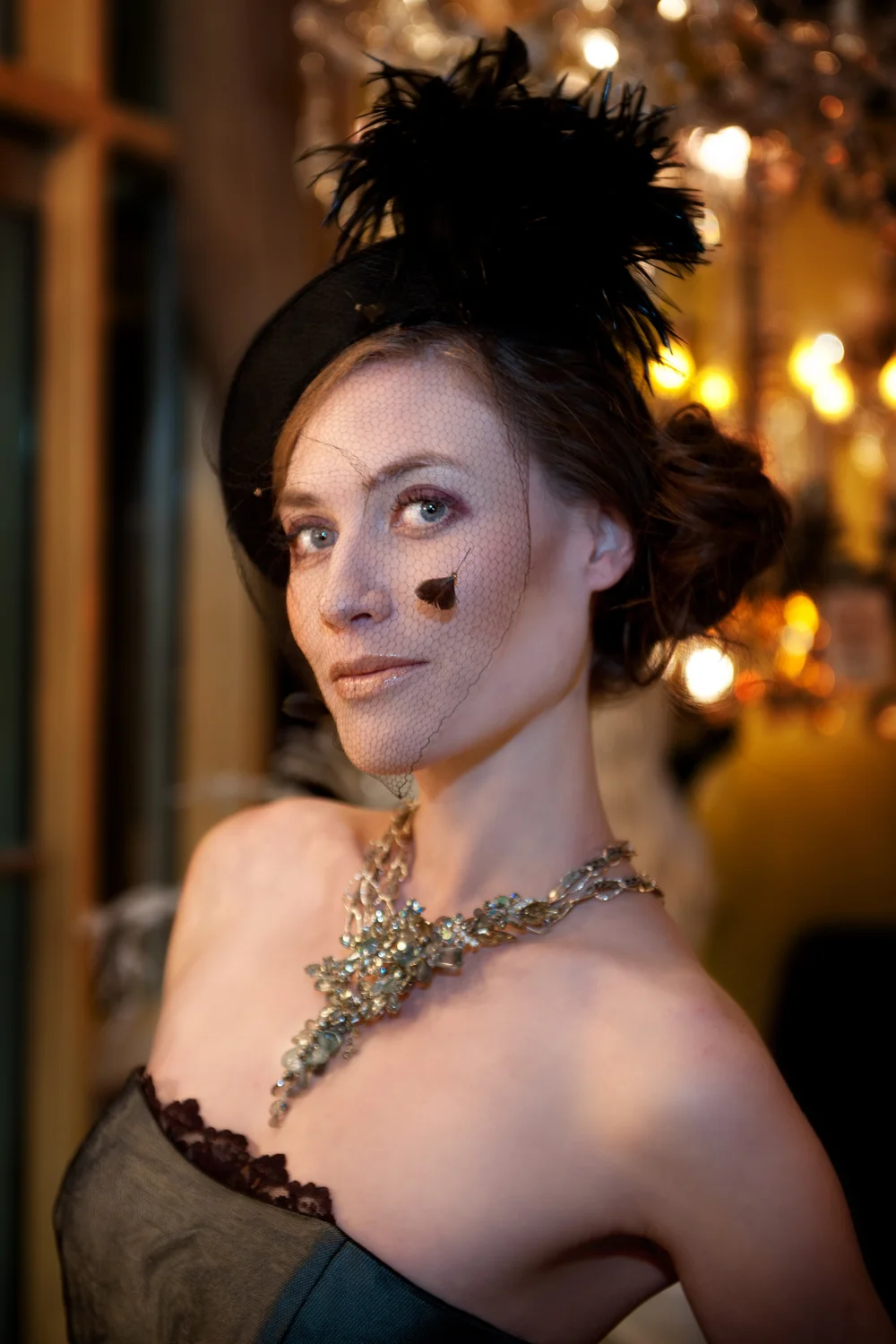
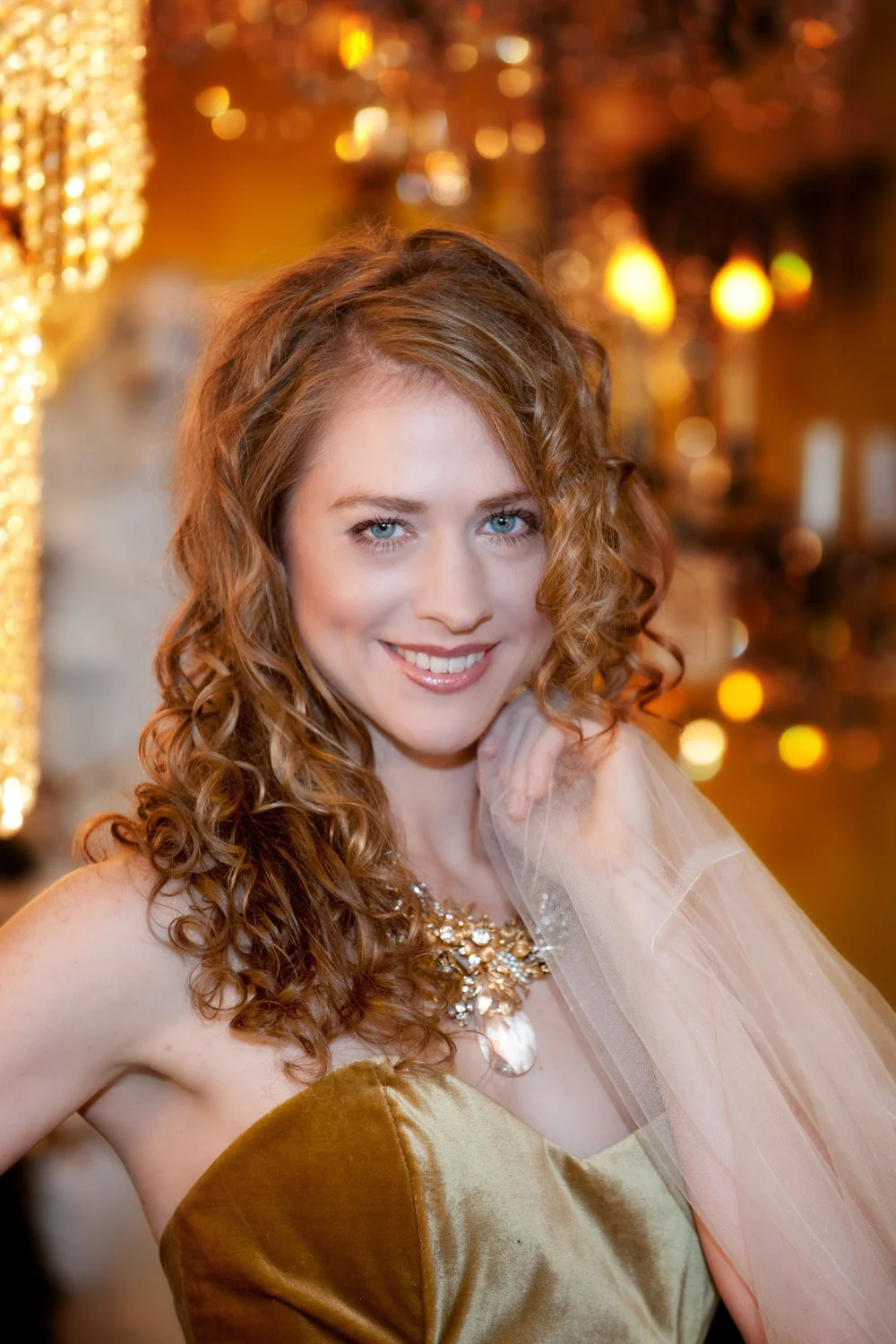
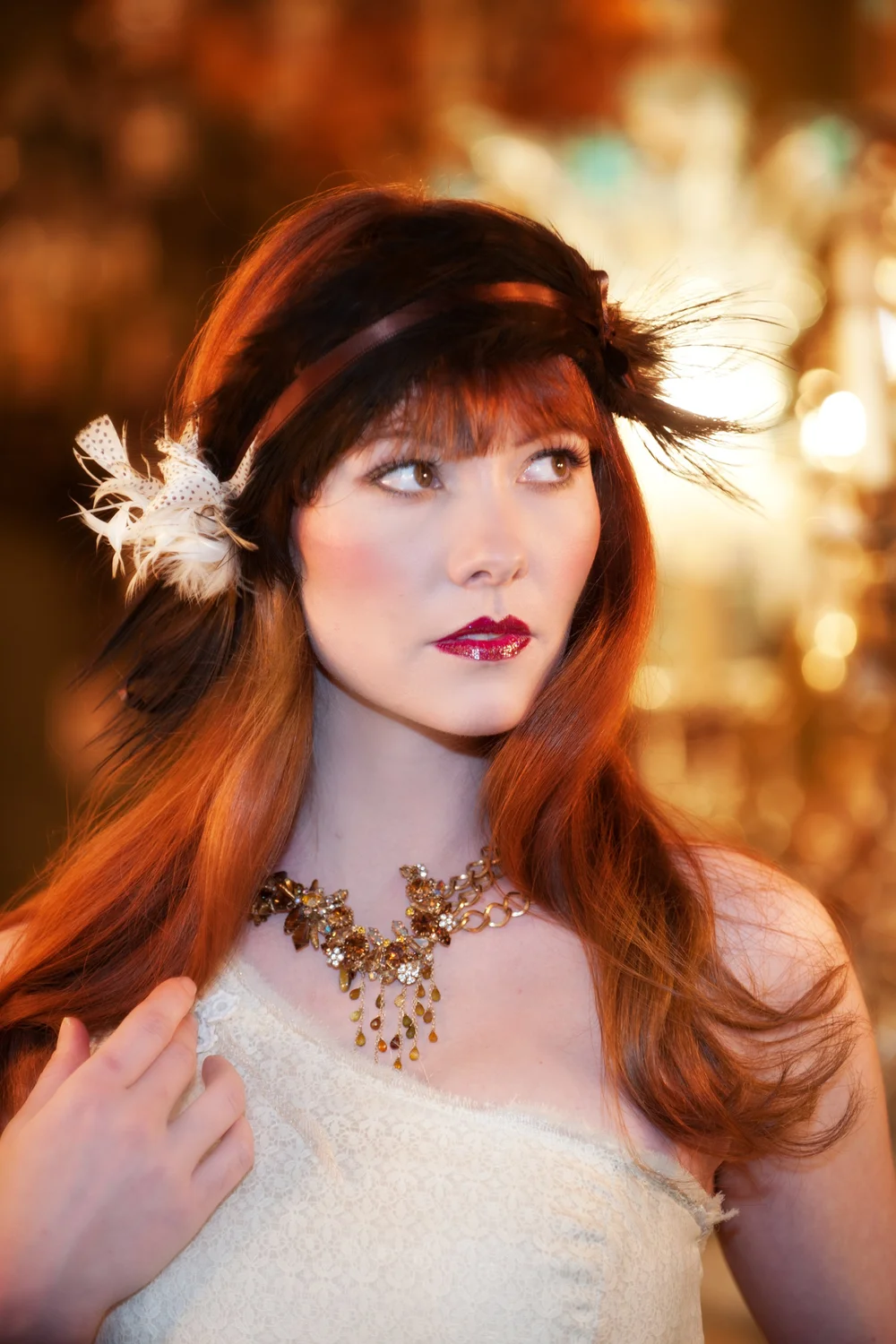
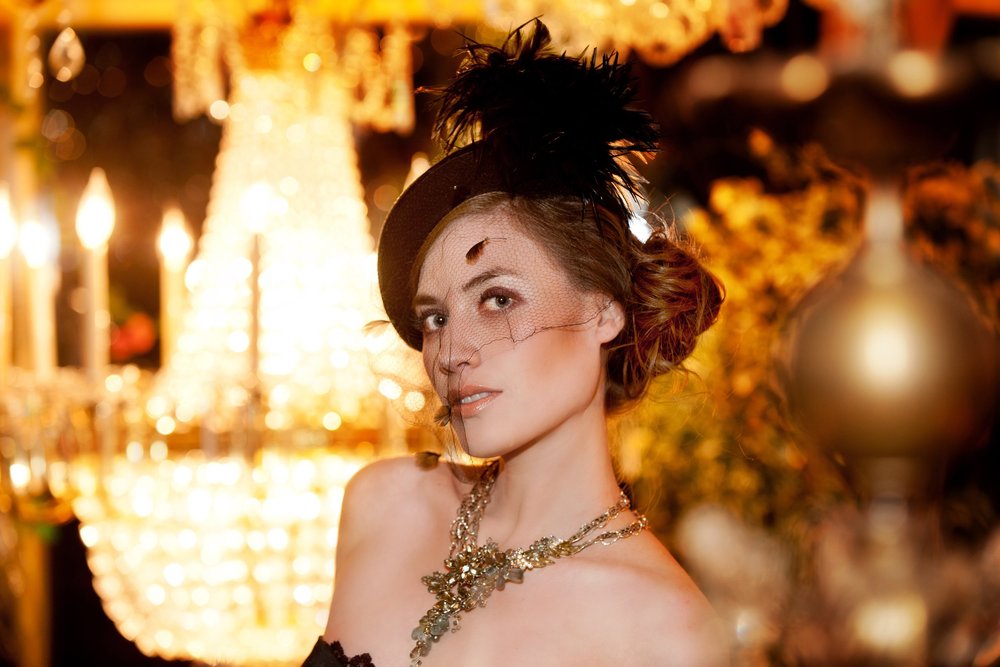
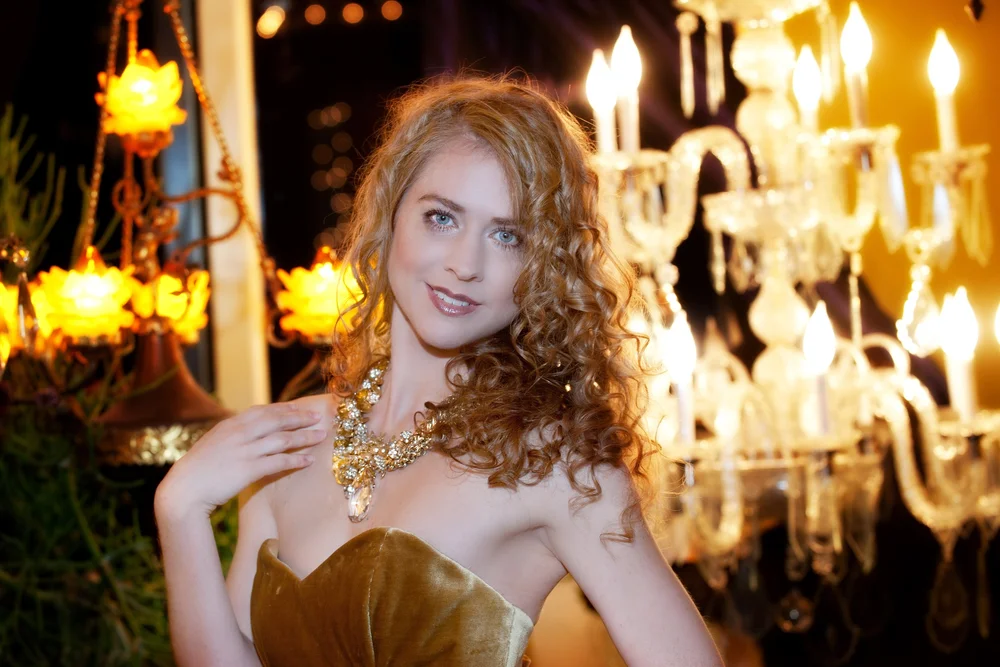
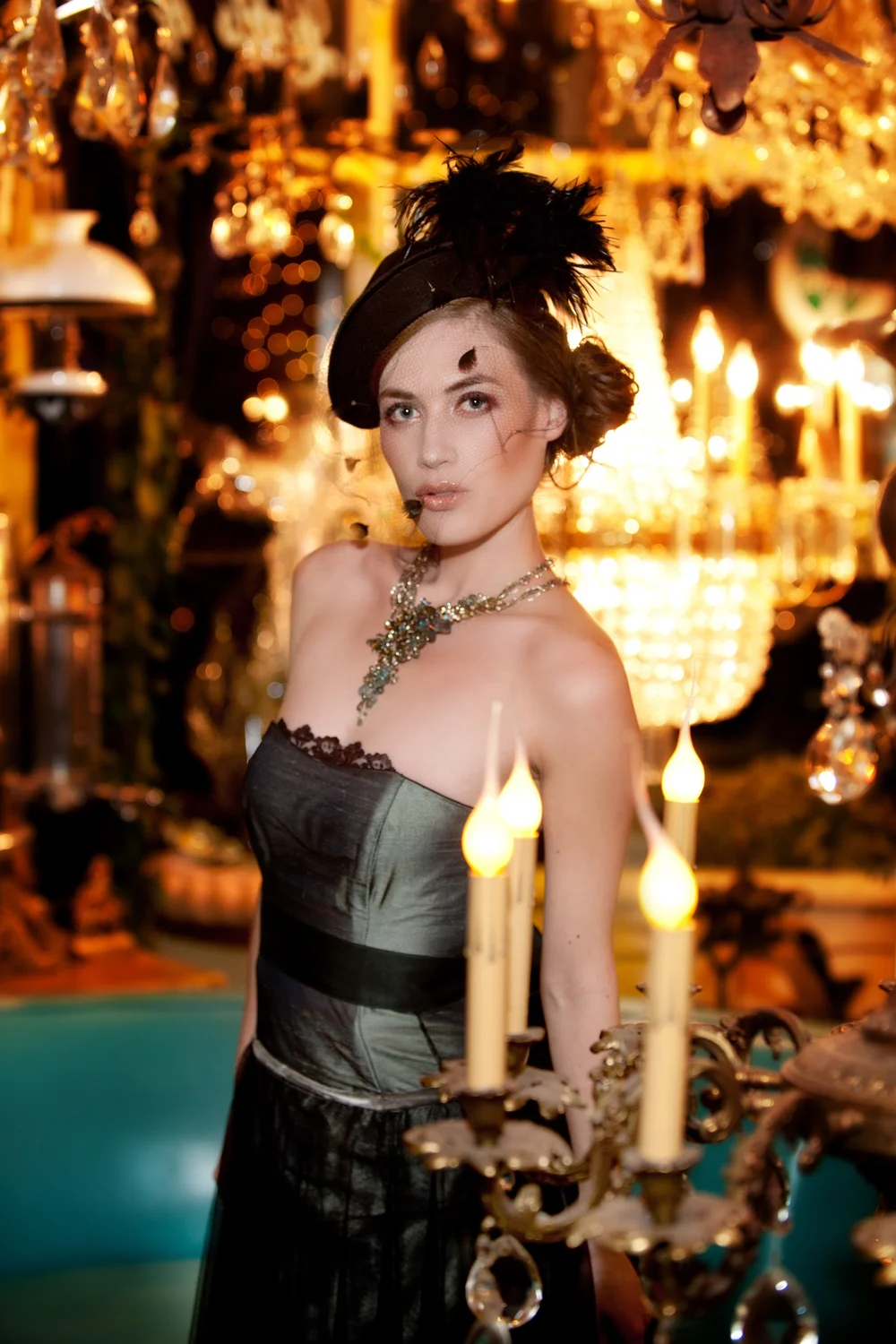
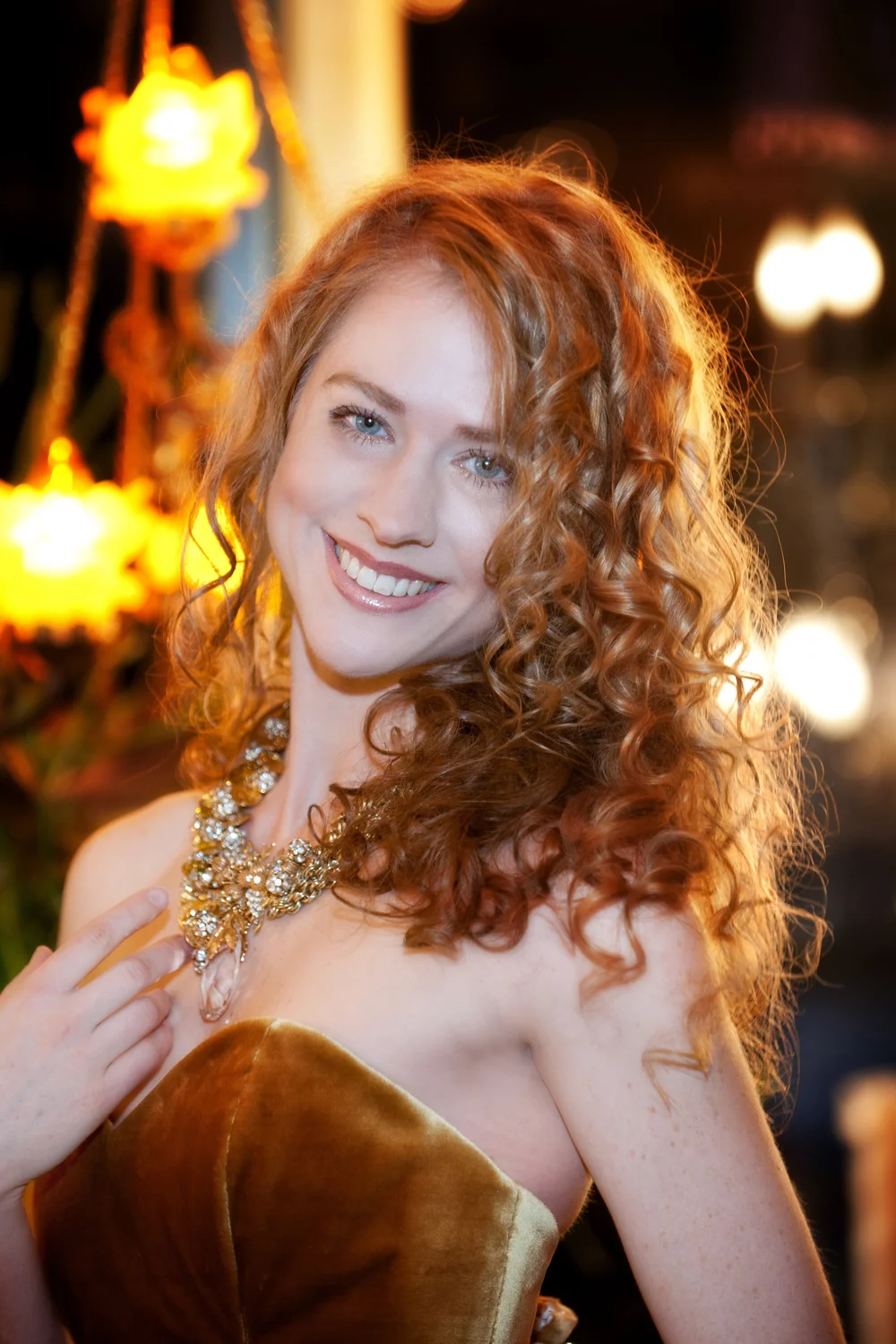
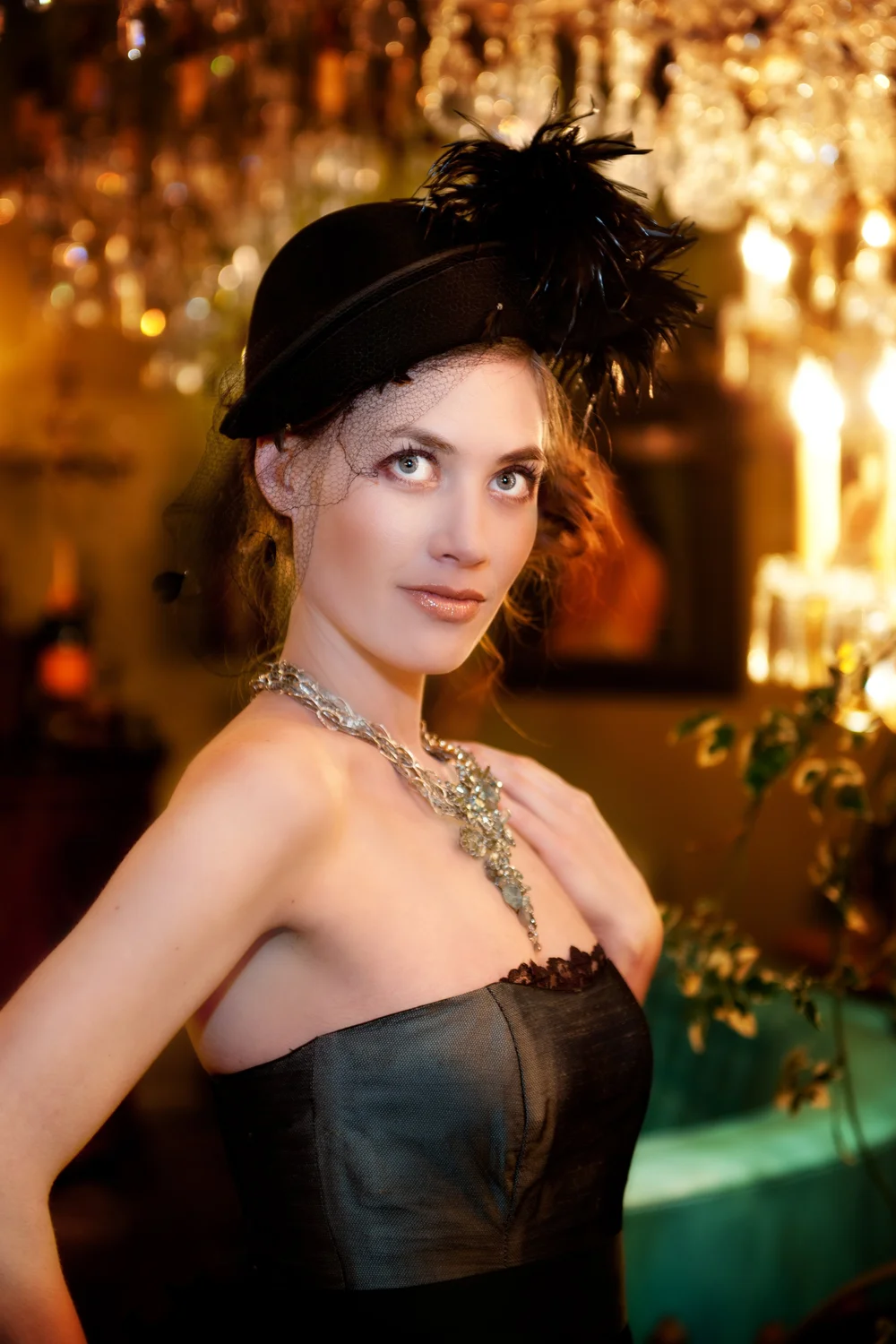
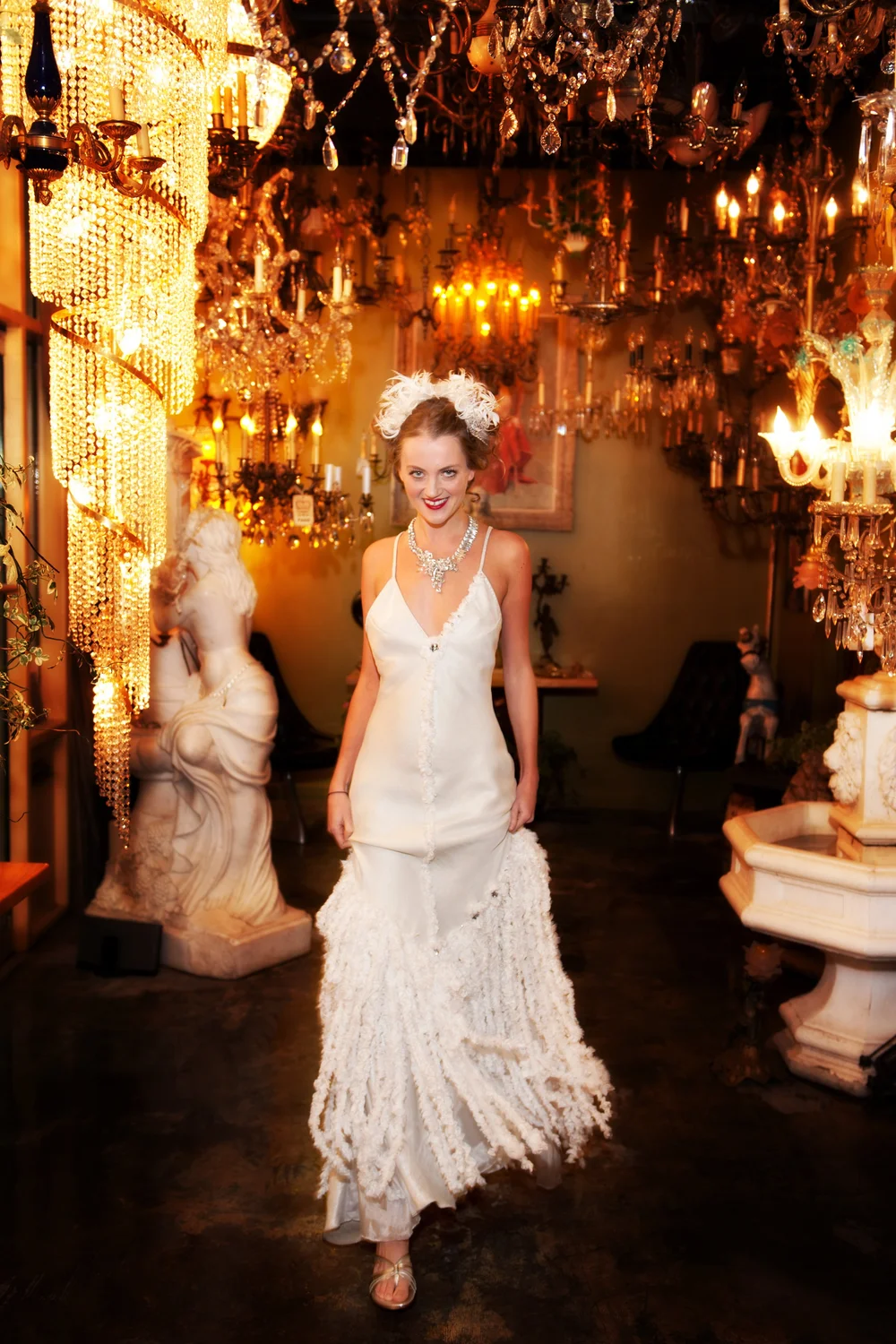
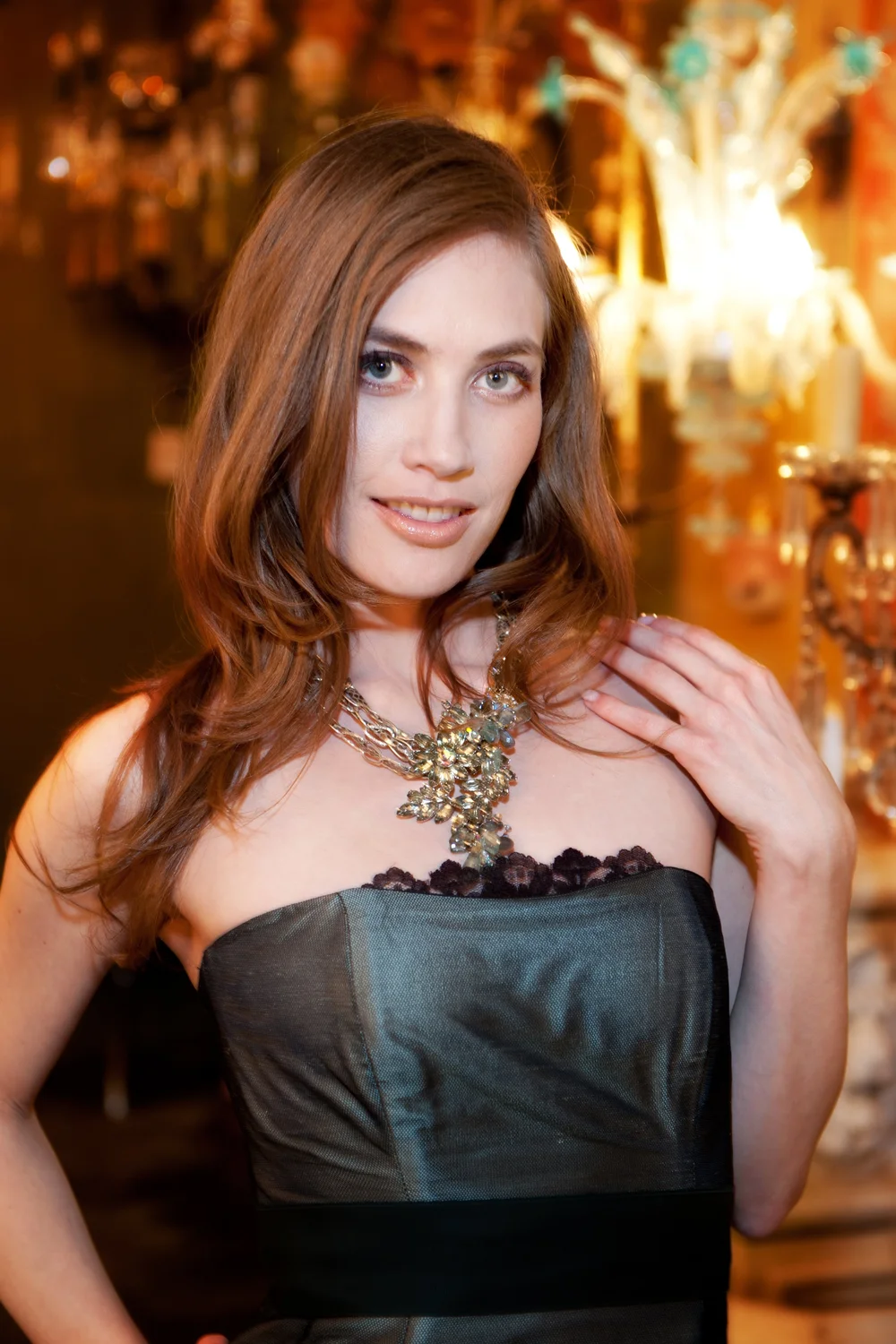
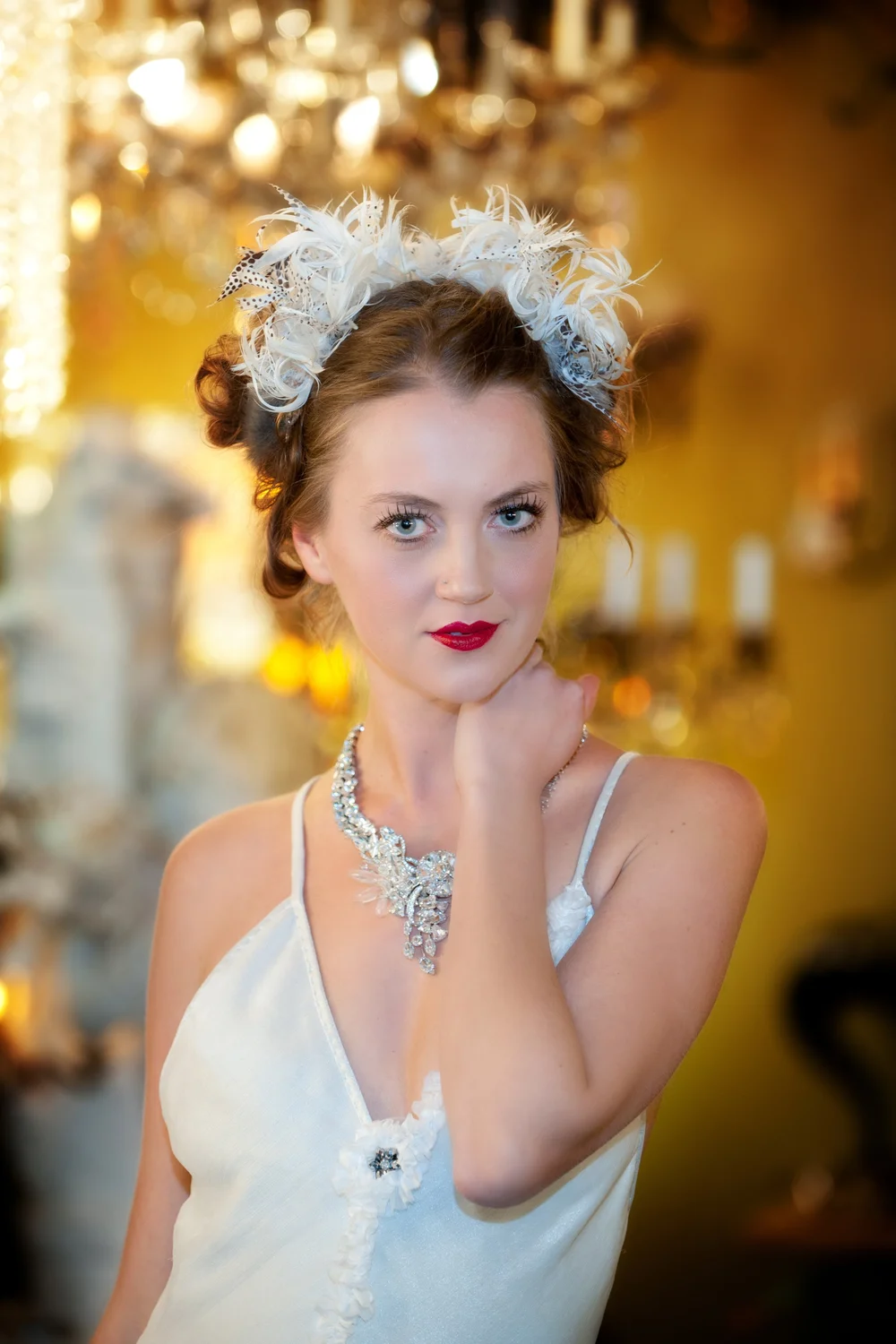
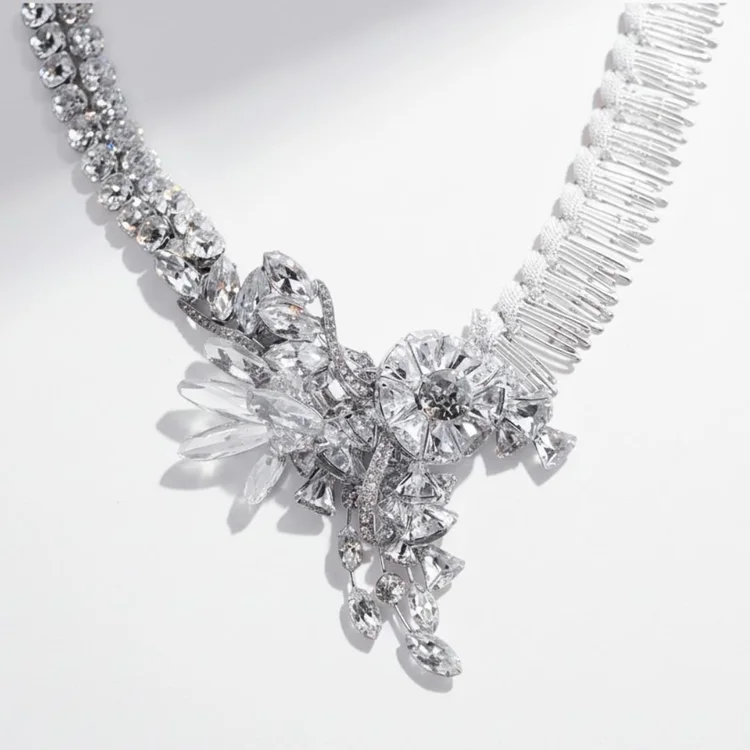
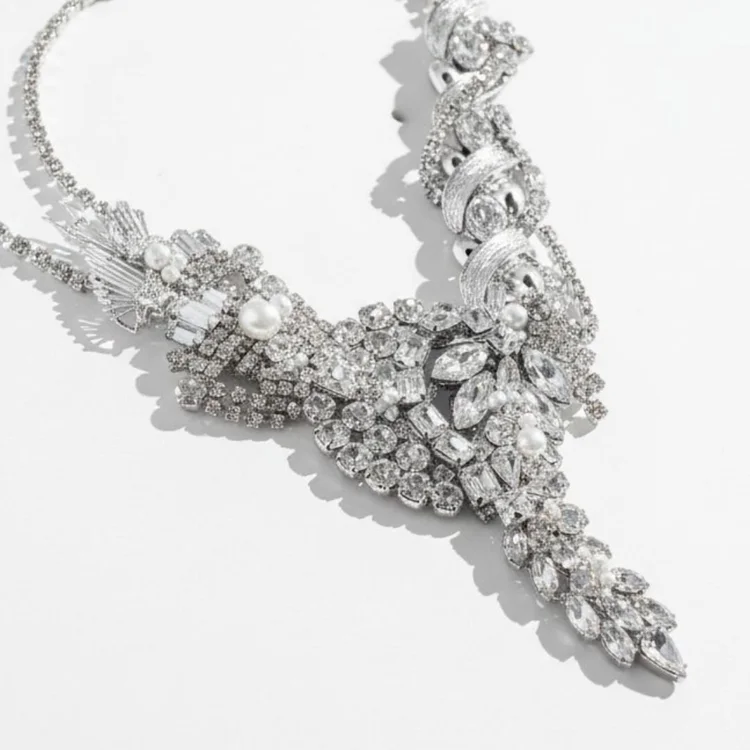
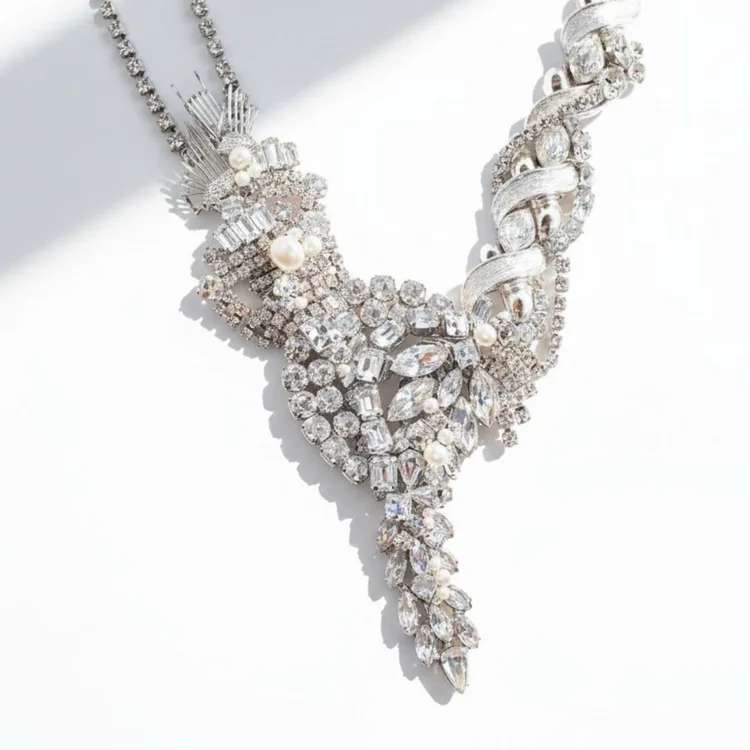
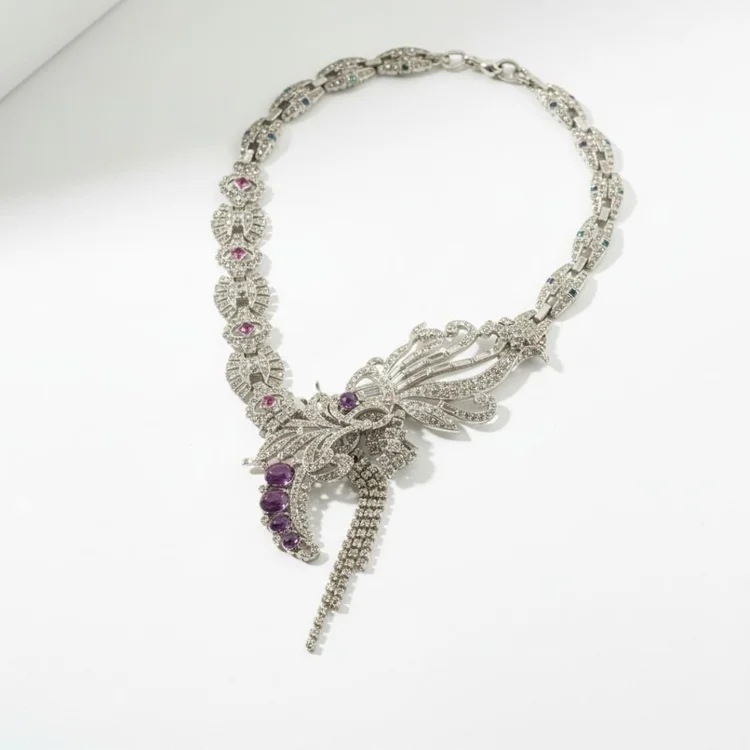
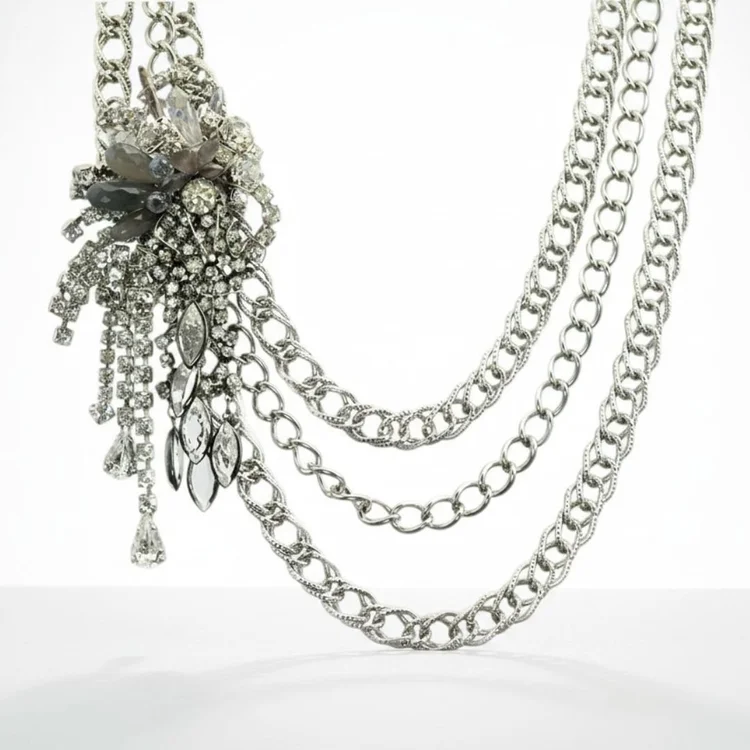
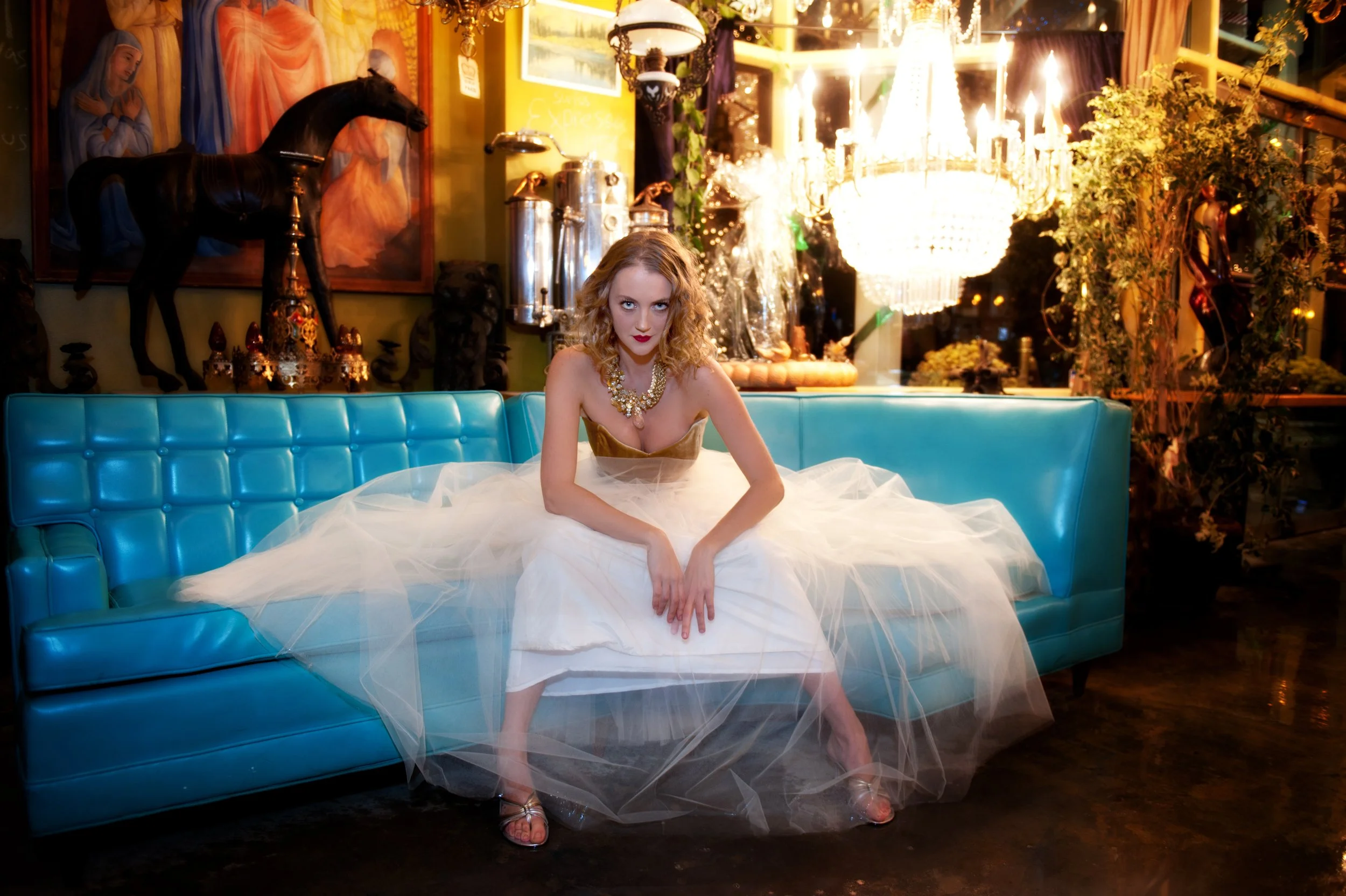
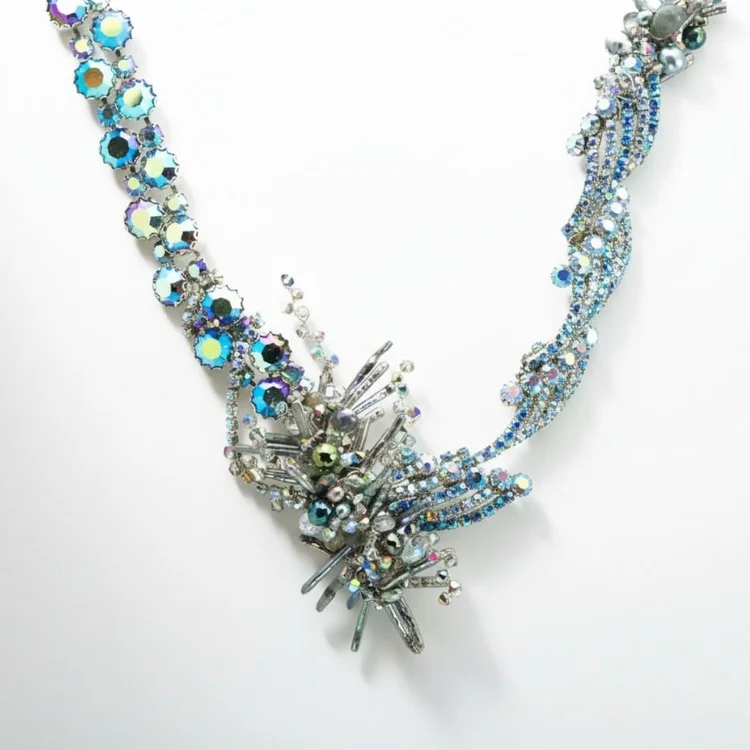
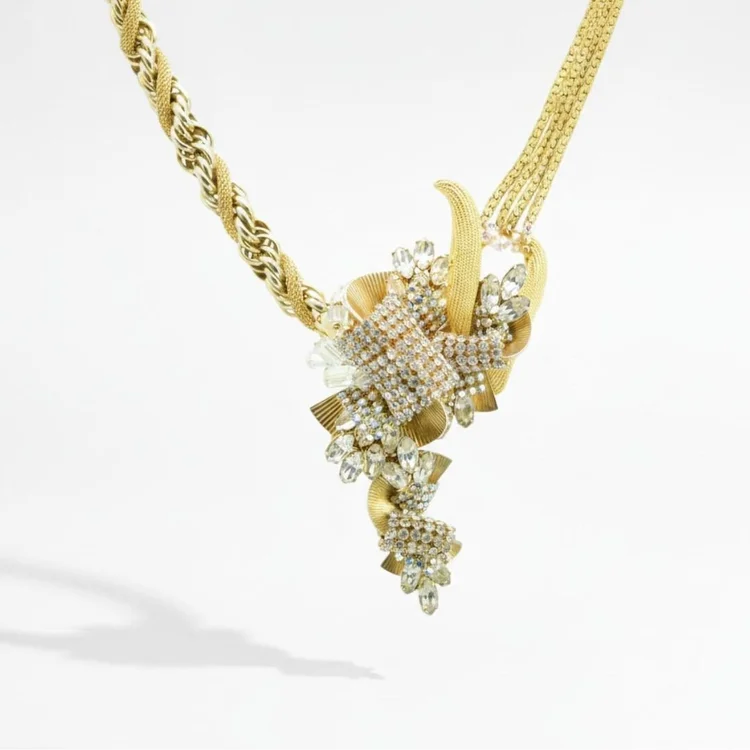
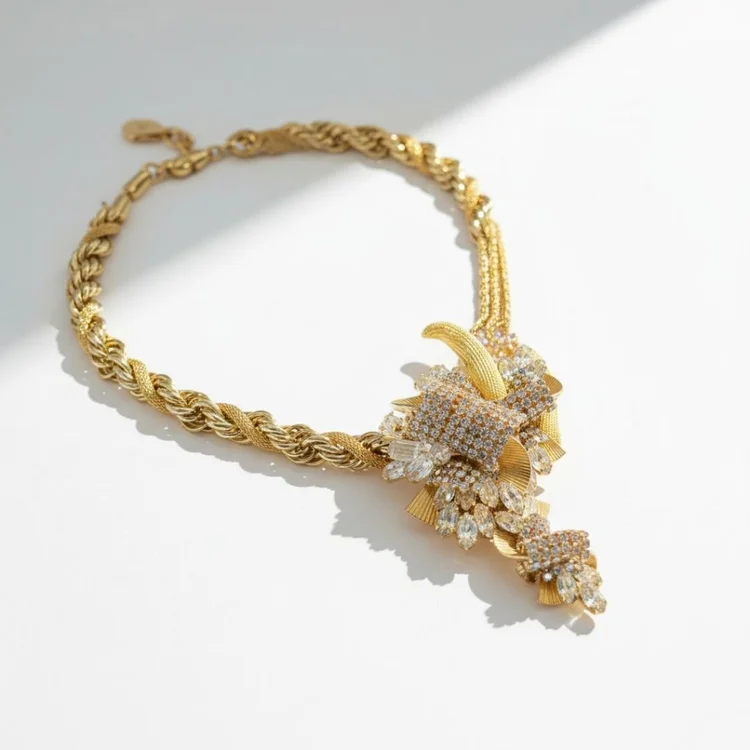
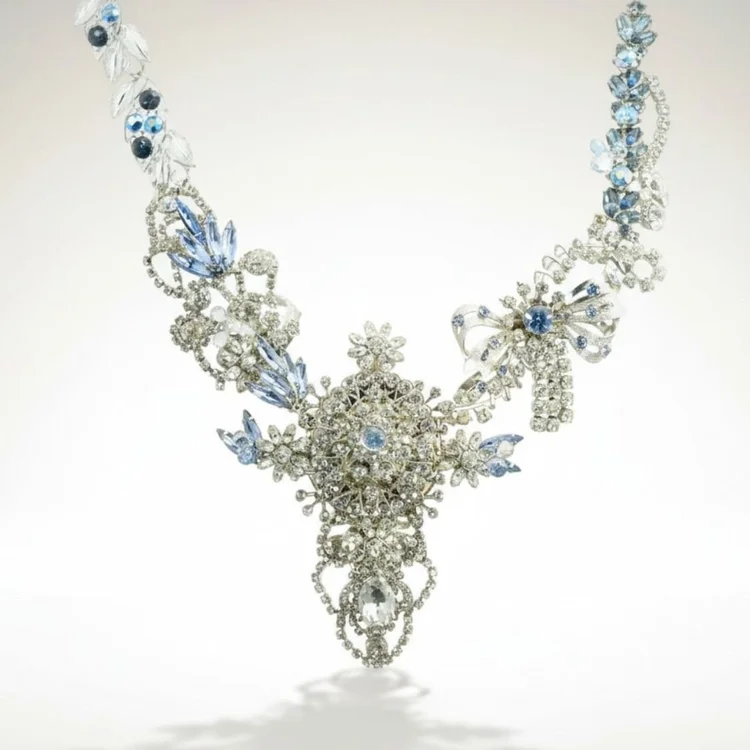
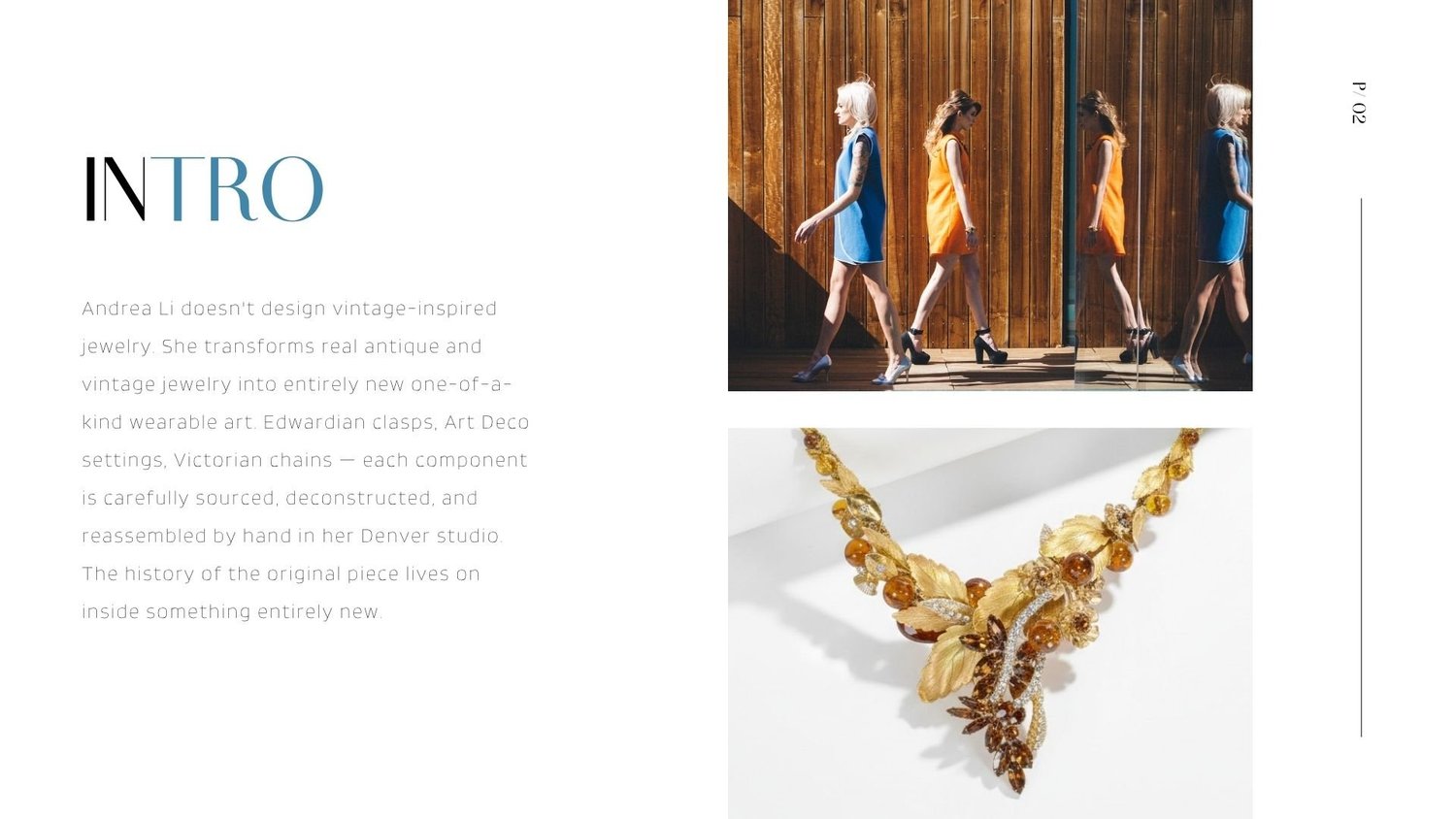
Andrea Li doesn't design vintage-inspired jewelry. She transforms real antique and vintage jewelry into entirely new one-of-a-kind wearable art. Edwardian clasps, Art Deco settings, Victorian chains: each component is carefully sourced, deconstructed, and reassembled by hand in her Denver studio. The history of the original piece lives on inside something entirely new.
One piece, one history, one owner.
Real antique and vintage jewelry.
Edwardian clasps, Art Deco settings, Victorian chains.
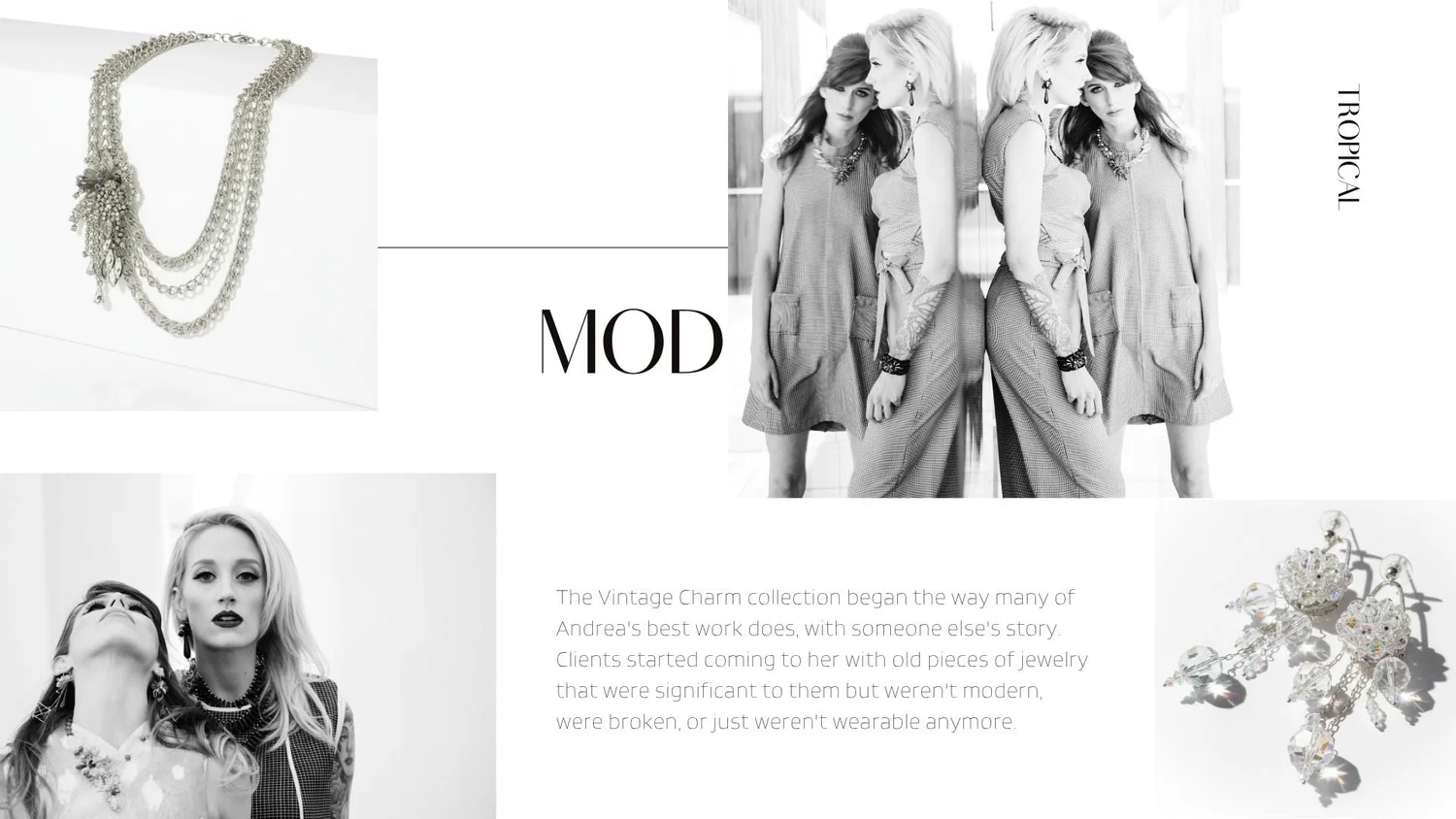
The Vintage Charm collection began the way many of Andrea's best work does, with someone else's story. Clients started coming to her with old pieces of jewelry that were significant to them but weren't modern, were broken, or just weren't wearable anymore. A grandmother's brooch. A great-aunt's earring set. Pieces wrapped in nostalgia but stuck in a jewelry box. Andrea figured out how to honor the sentiment while giving the materials a second life.
Now she sources her own vintage, hunting estate sales and shops like Somewhere in Time on Denver's Antique Row. Her process looks nothing like browsing. She'll find a set of three, the brooch and the matching earrings that have been together forever, lock in the base color palette, then troll the entire store for components from completely different cases that no one would think to pair together. Store owners have watched her pull pieces from opposite ends of the shop, put them side by side, and make it work instantly.
The result isn't a reproduction. It isn't vintage-style. It's a genuine piece of history reconfigured into something that didn't exist before and will never exist again. One piece, one history, one owner.
Rocky Mountain PBS featured Andrea Li's vintage transformation process on Vintage Colorado, calling her "an innovative Denver-based jewelry designer who creates modern heirlooms by transforming antique & vintage jewelry sets into one-of-a-kind wearable art."
Vintage Colorado · Season 1, Episode 102 · 4 min 23 sec
- 18+Years in StudioDenver, Colorado
- OOAKEvery PieceOne of a kind
- RealVintage SourceNot vintage-inspired
- PBSFeatured OnRocky Mountain PBS
How Vintage Becomes New
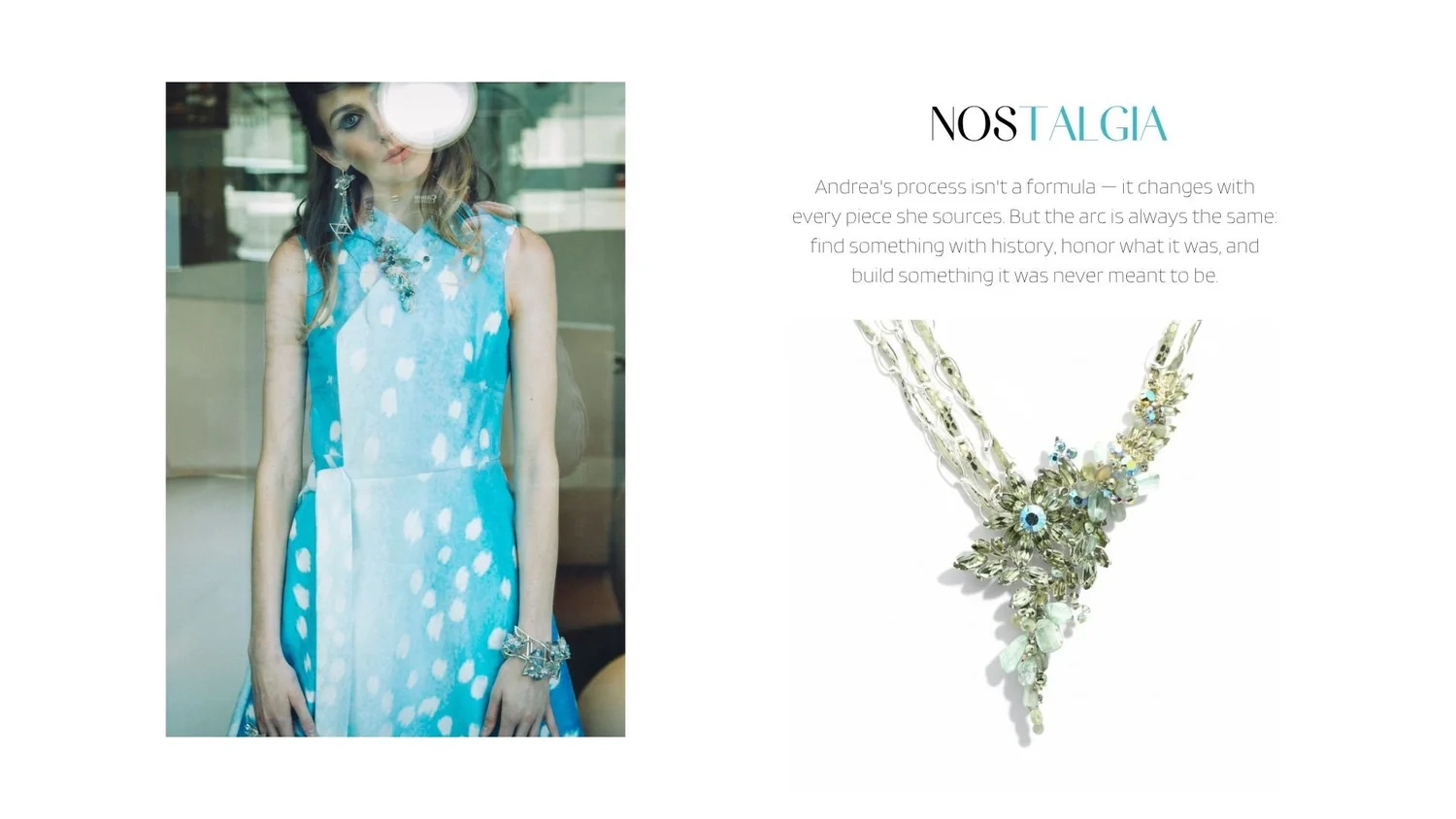
Andrea's process isn't a formula: it changes with every piece she sources. But the arc is always the same: find something with history, honor what it was, and build something it was never meant to be.
Sourcing
Andrea hunts estate sales, vintage dealers, antique shows, and shops on Denver's Antique Row for pieces with the right bones: strong metalwork, interesting components, unusual stones, or structural elements that can anchor a new design. She's not looking for pieces that are valuable intact. She's looking for quality of construction. A cheap reproduction from the 1980s won't survive deconstruction. A well-made Edwardian brooch will. She starts with a set, typically a brooch and matching earrings that have been together forever, locks in the base color palette, then hunts the entire store for components from completely different cases that no one would expect to pair together.
Deconstruction
Each vintage piece is carefully taken apart by hand. Some components separate cleanly: clasps unscrew, links open, stones lift from settings. Others require more persuasion. Andrea catalogs what she has: the chains, the settings, the clasps, the stones, the structural elements. Nothing gets discarded. If it survived 80 years before reaching her bench, it deserves to survive 80 more. She believes that a stone's flaws contribute to its beauty: inclusions, color variations, and natural imperfections are features, not defects.
Design & Reassembly
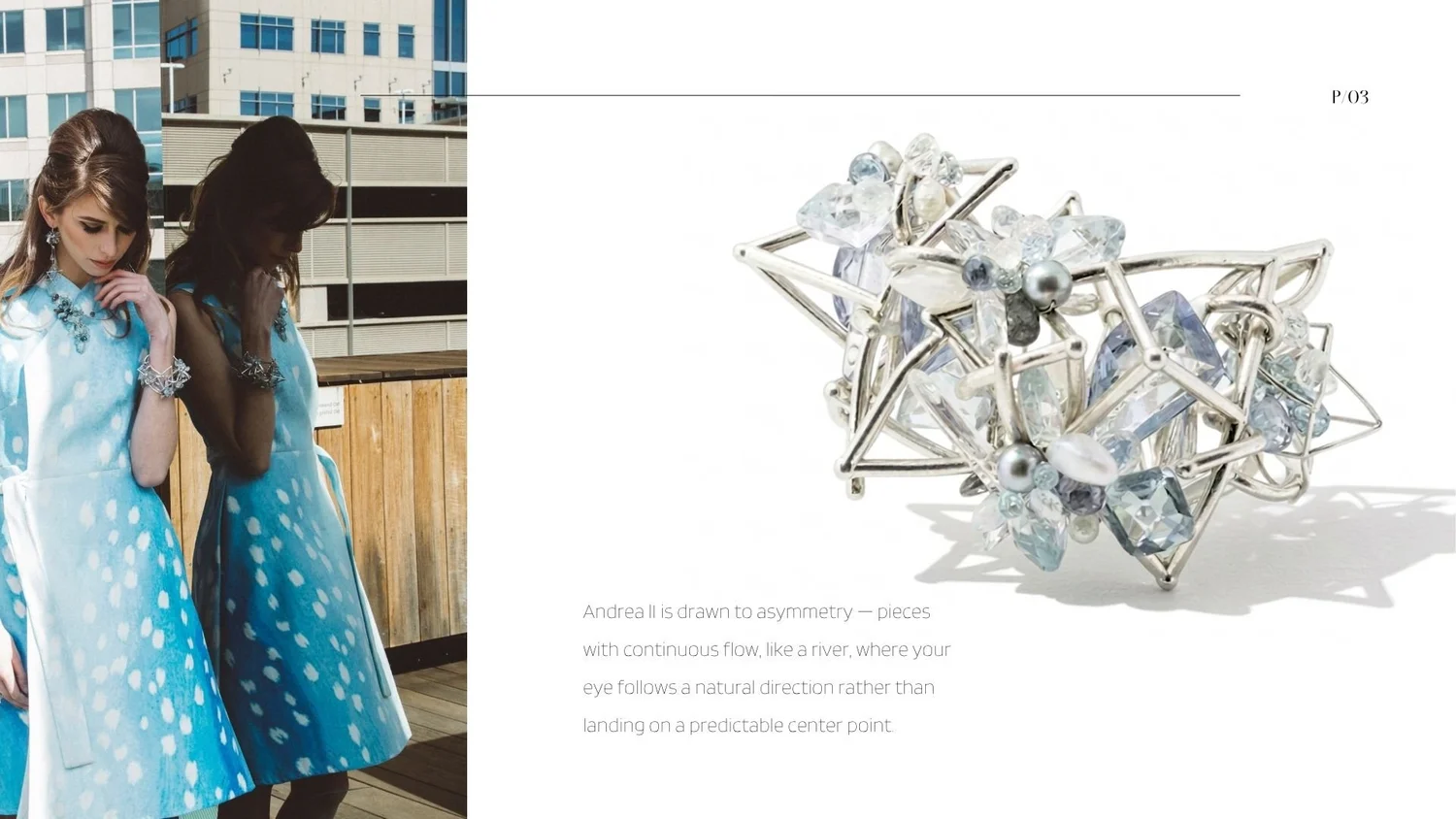
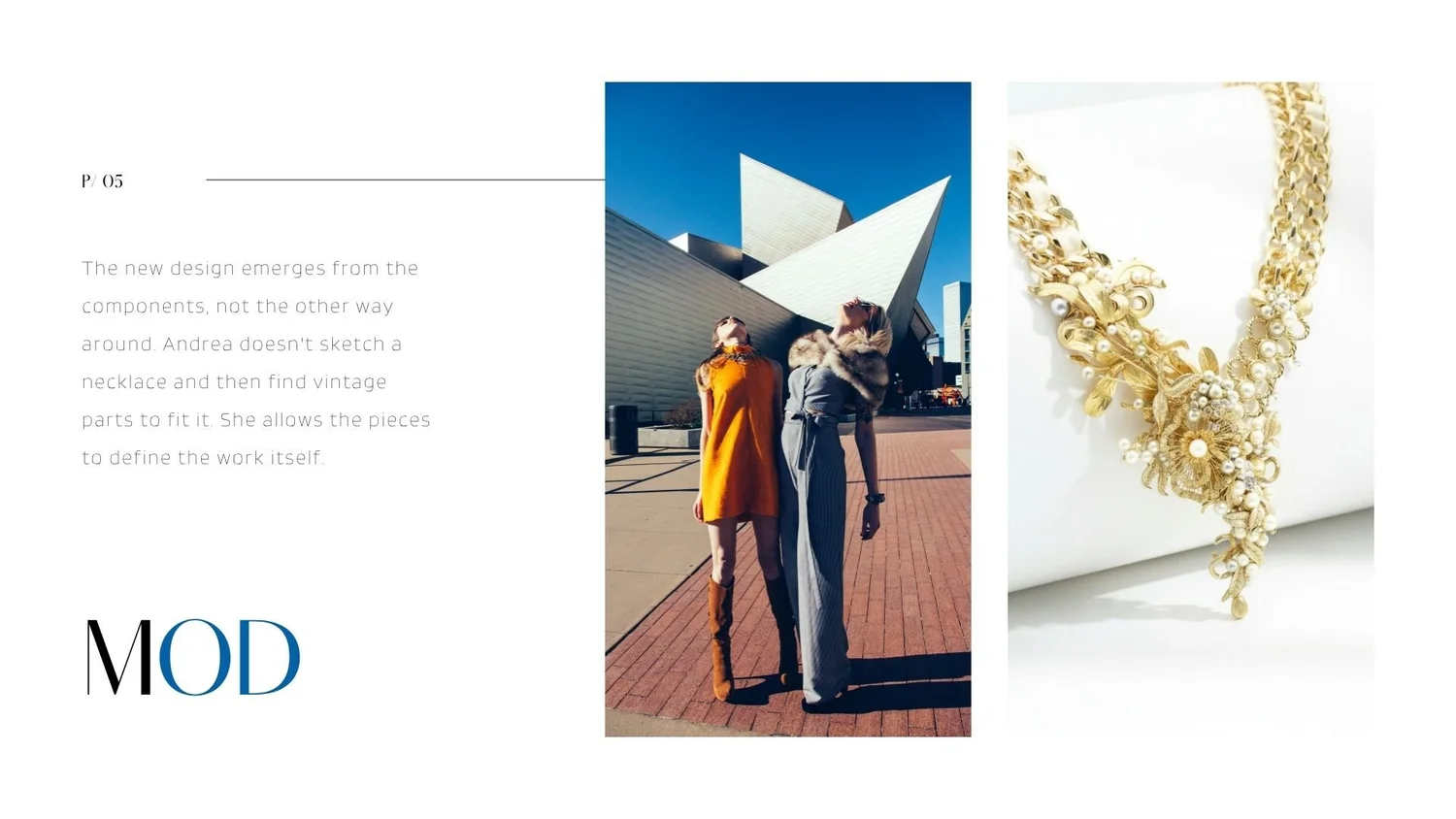
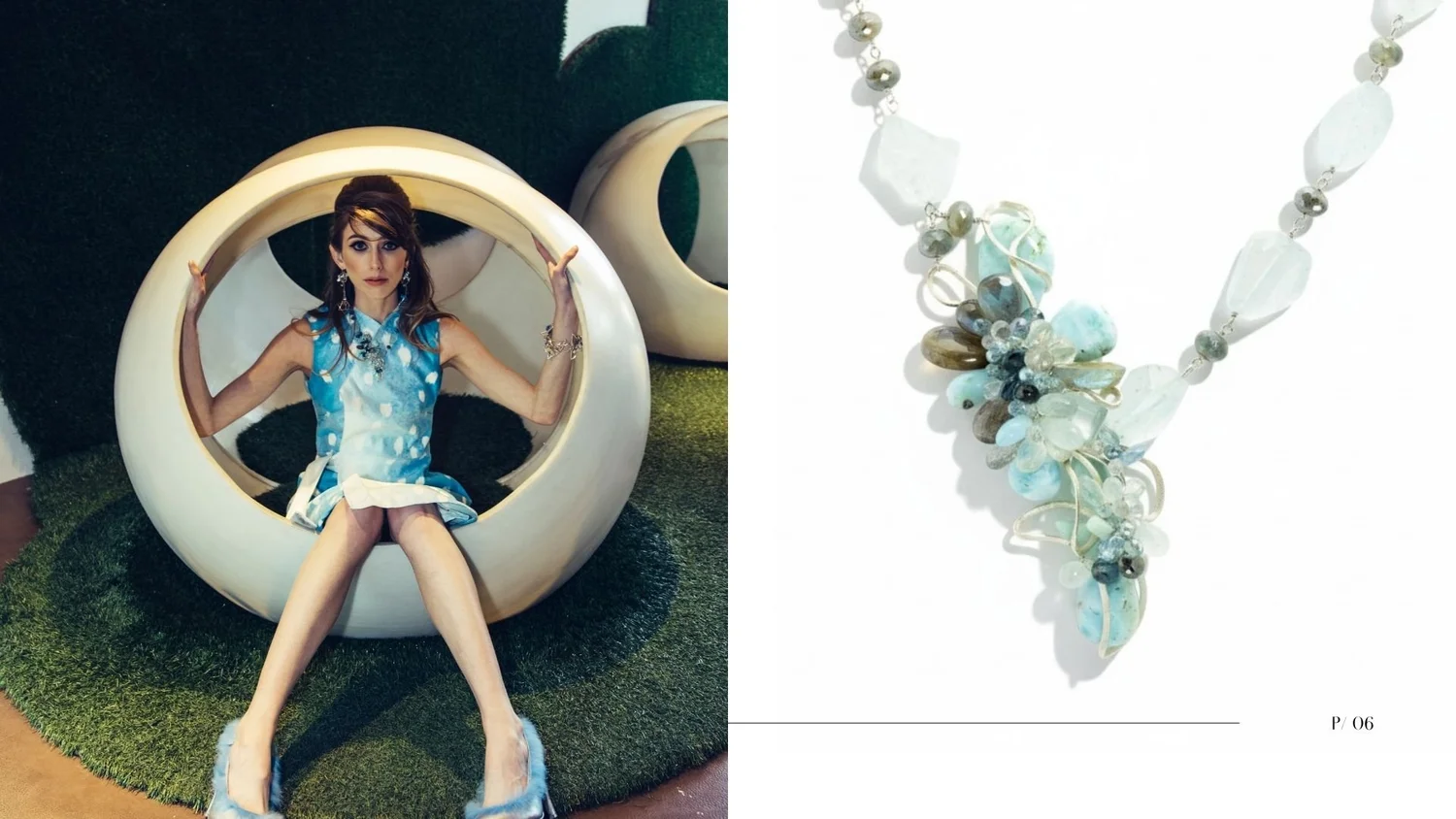
The new design emerges from the components, not the other way around. Andrea doesn't sketch a necklace and then find vintage parts to fit it. She lays out what the deconstruction gave her and listens to what the pieces want to become. Sets of three play particularly well in her design philosophy. She's drawn to asymmetry: pieces with continuous flow, like a river, where your eye follows a natural direction rather than landing on a predictable center point. New 14k gold elements are fabricated by hand to integrate with the vintage components, bridging eras in a single piece.
The Result
A piece of jewelry that carries two histories: the original craftsperson's work, and Andrea's transformation of it. The Art Deco setting that once held a different stone now holds an ethically sourced gemstone from the Tucson Gem Show. The Victorian chain that once hung around one woman's neck now hangs differently around another's. Nothing is lost. Everything is changed.
Andrea LiVintage Charm
Gifts · Handmade & One-of-a-Kind
Looking for a one-of-a-kind jewelry gift?
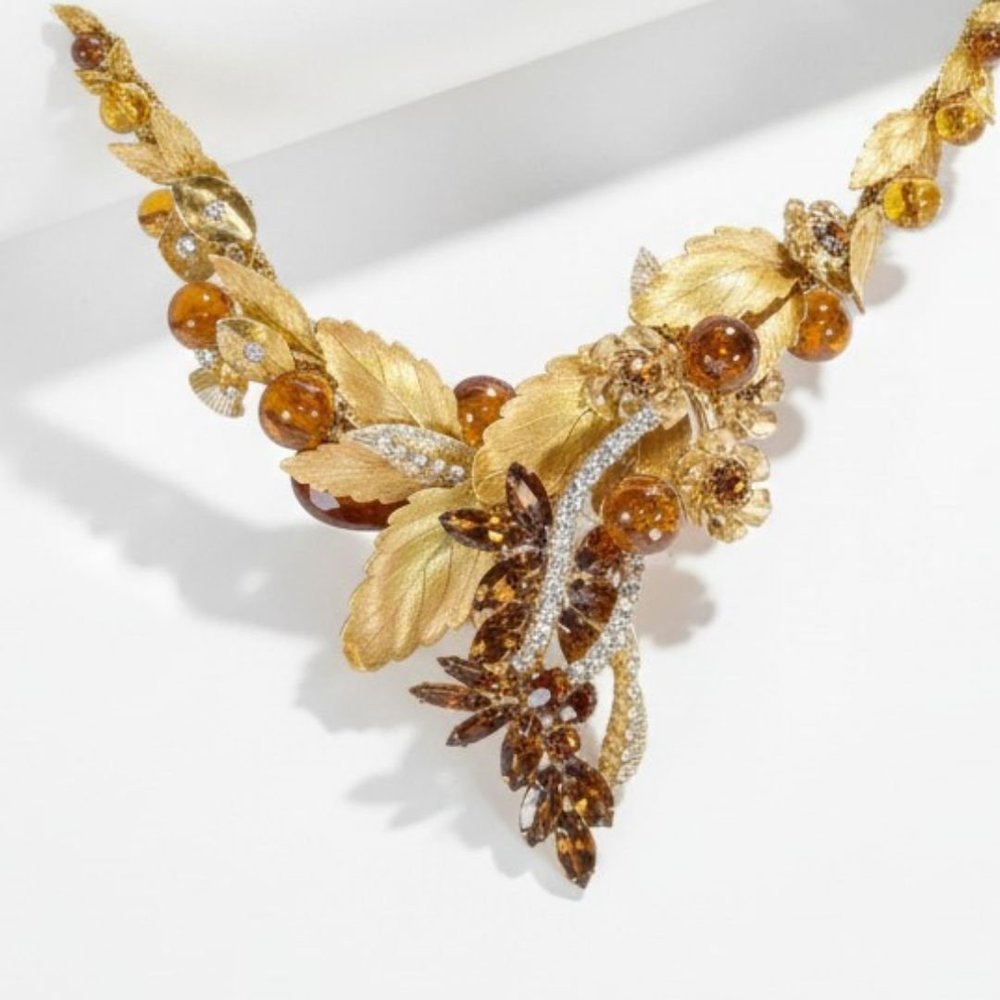
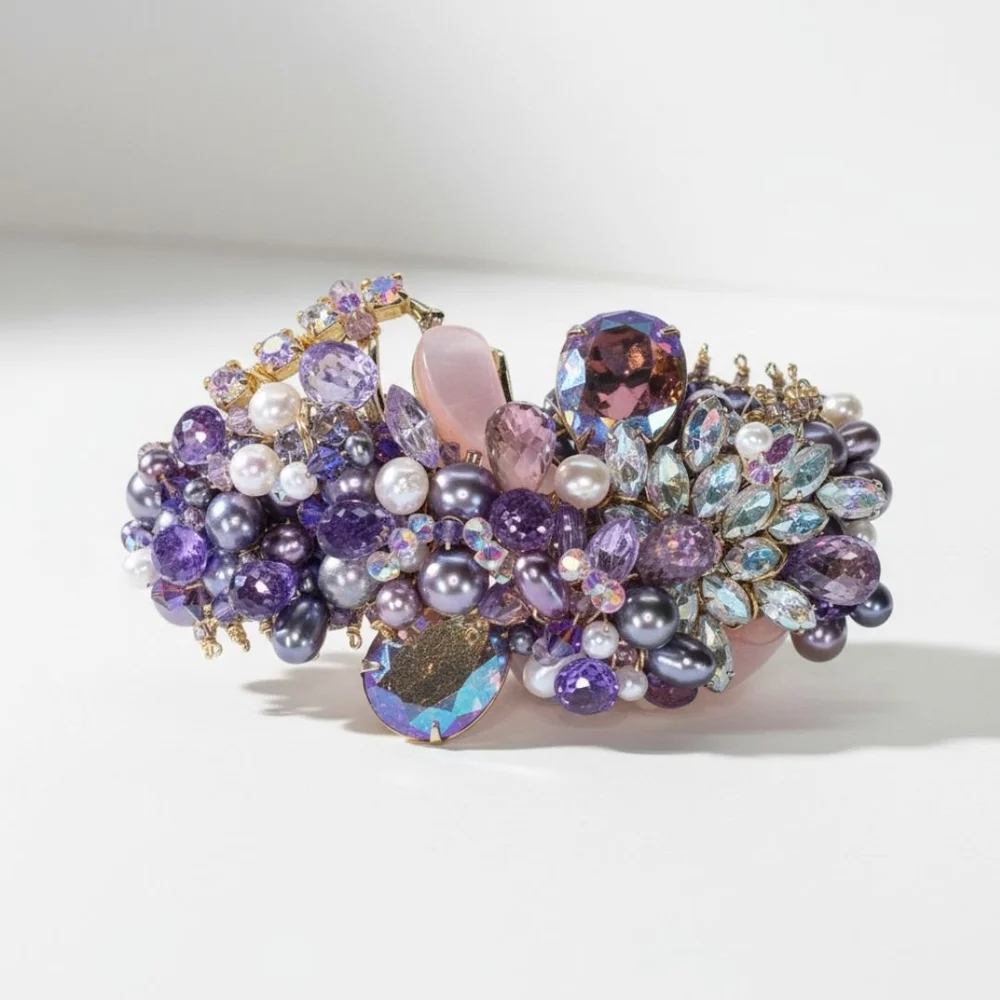
A hand-selected edit of handmade gemstone jewelry, each piece sculpted by hand in my Denver studio. Browse by who you’re shopping for and find something they’ll keep for years.
Explore the Jewelry Gift Guide
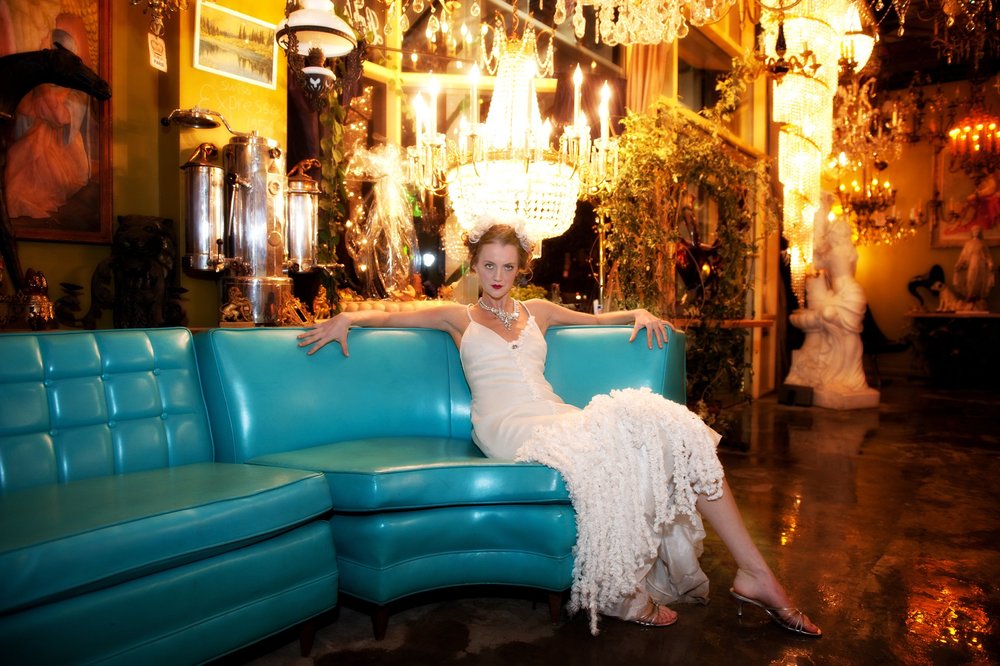
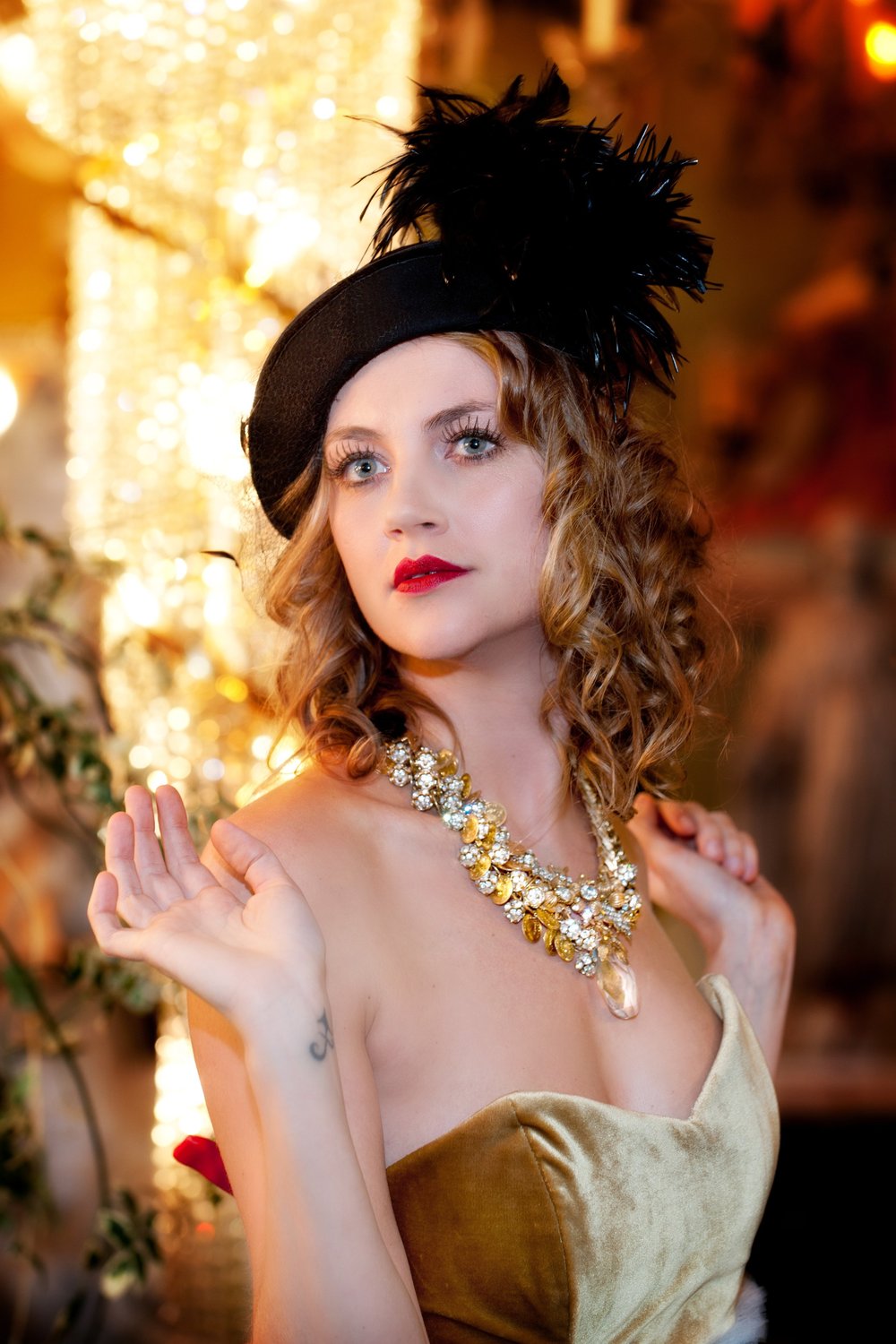
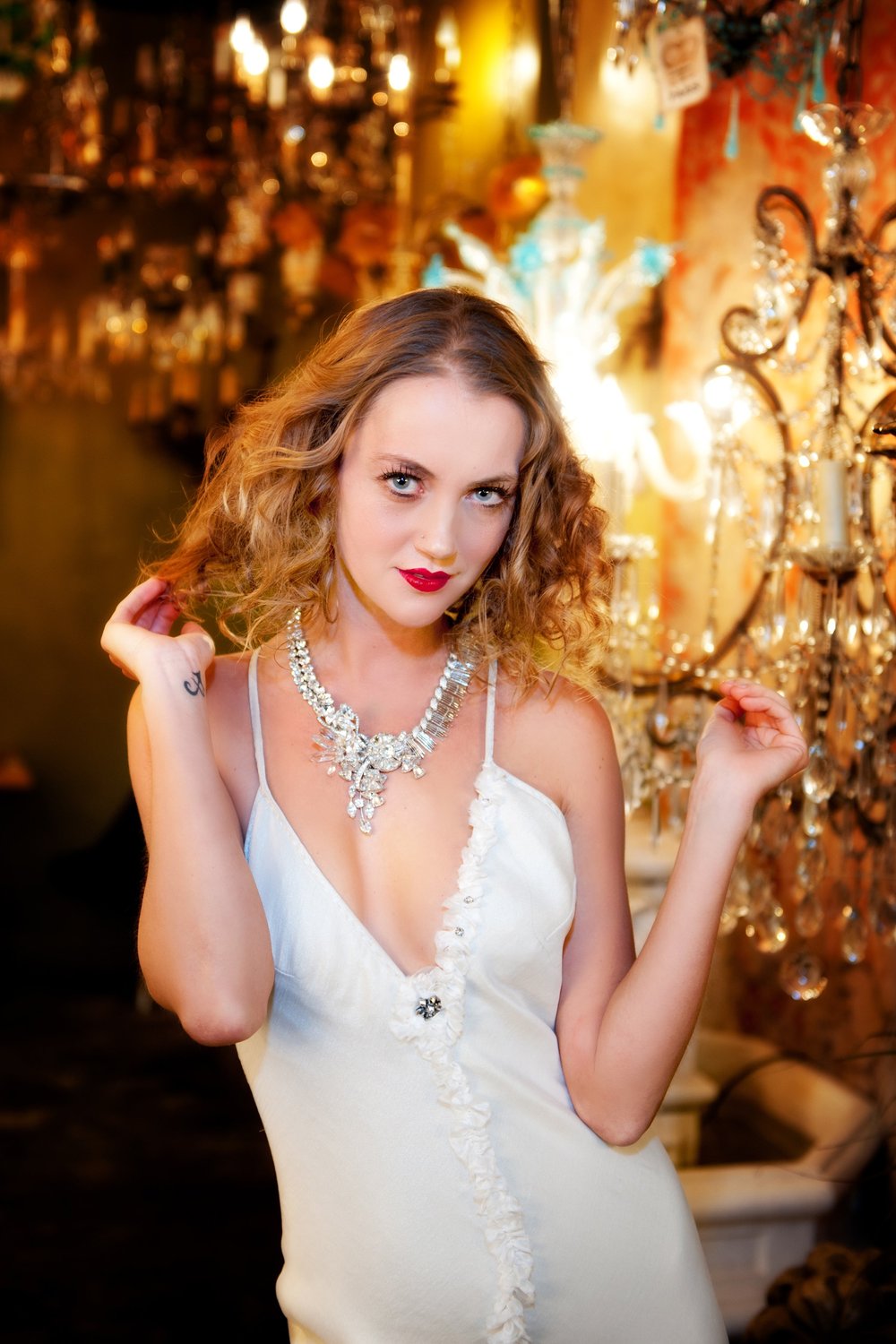
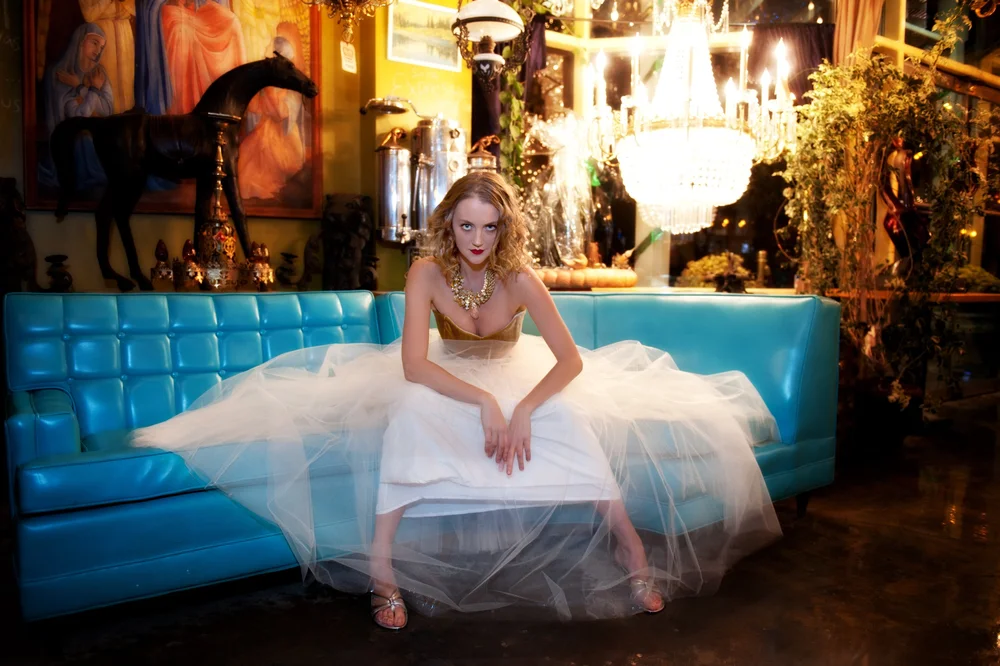



Vintage Charm






Interactive · 3 questions
Vintage or New?
3 questions. Your personalized path to one-of-a-kind vintage.
Choose one
Choose one
Choose one
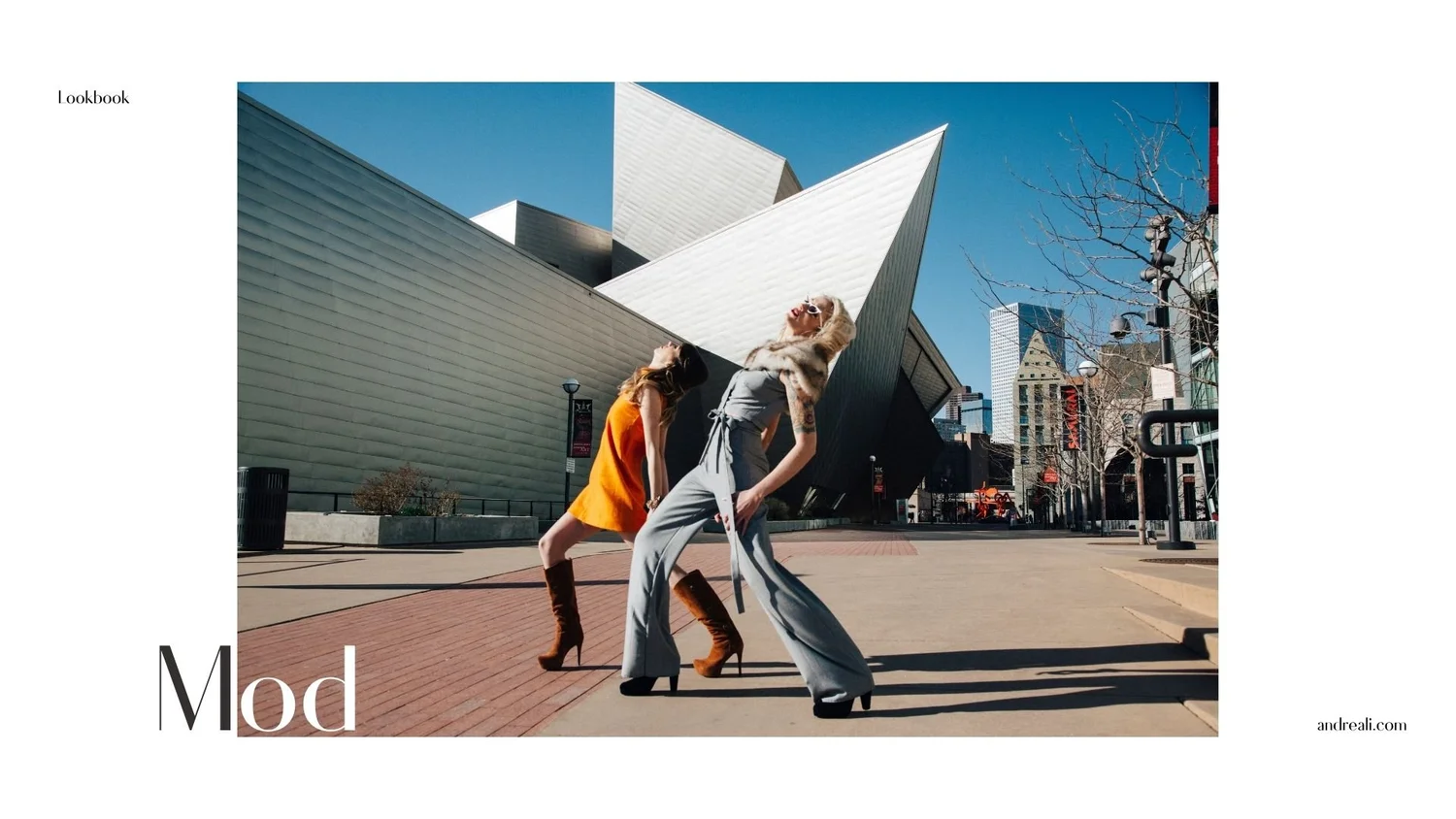
The Lookbook
Mod
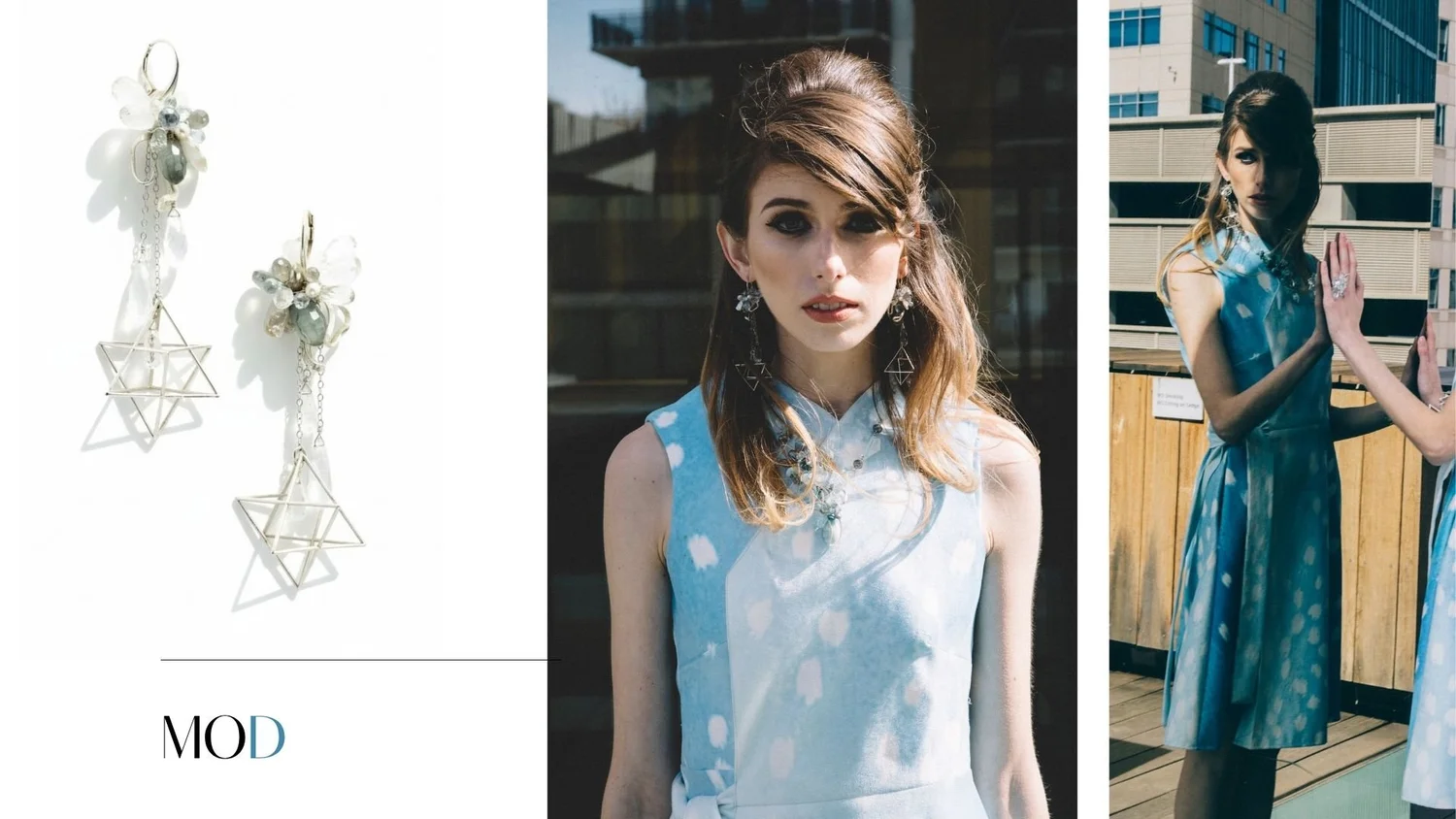
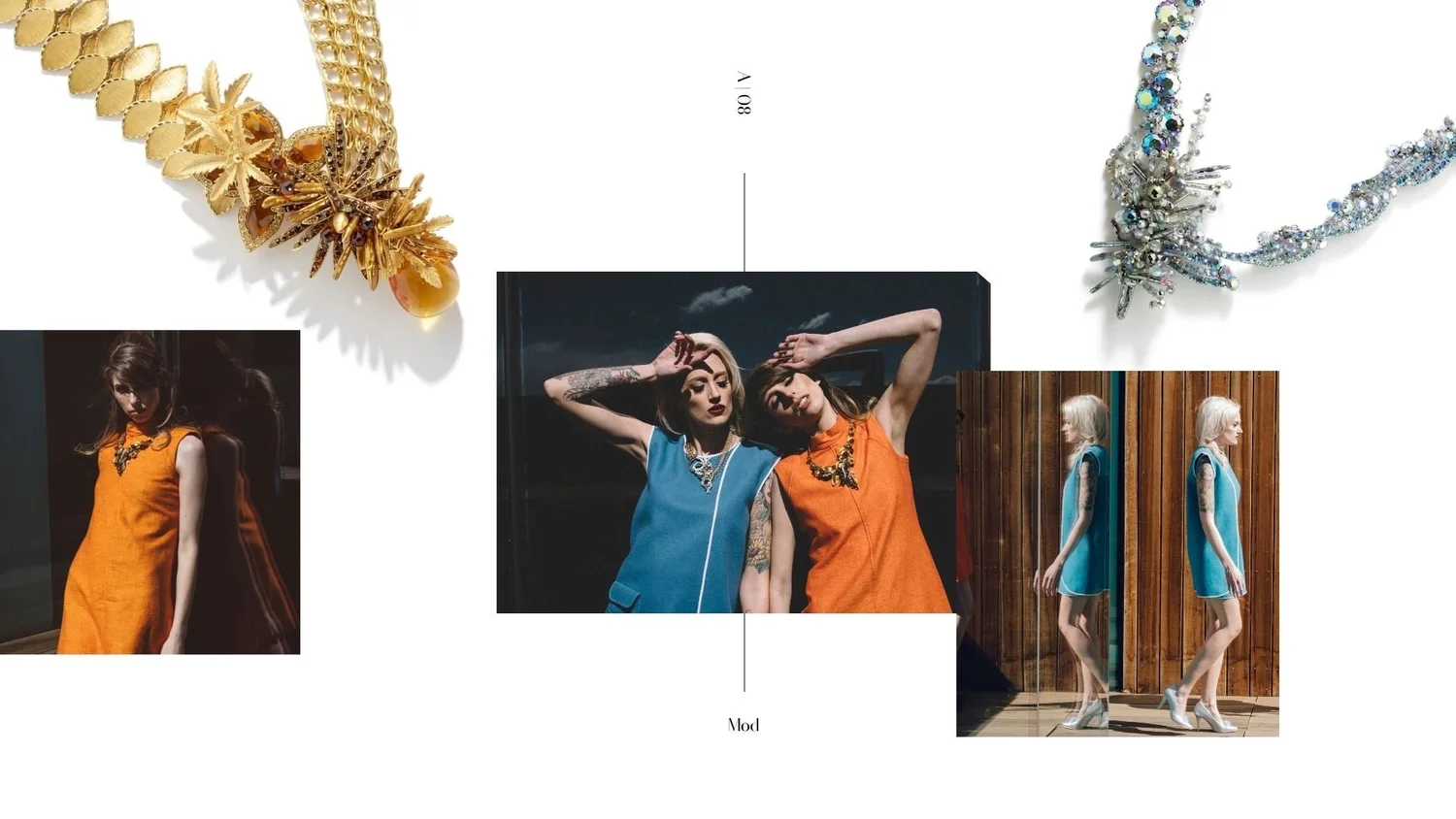
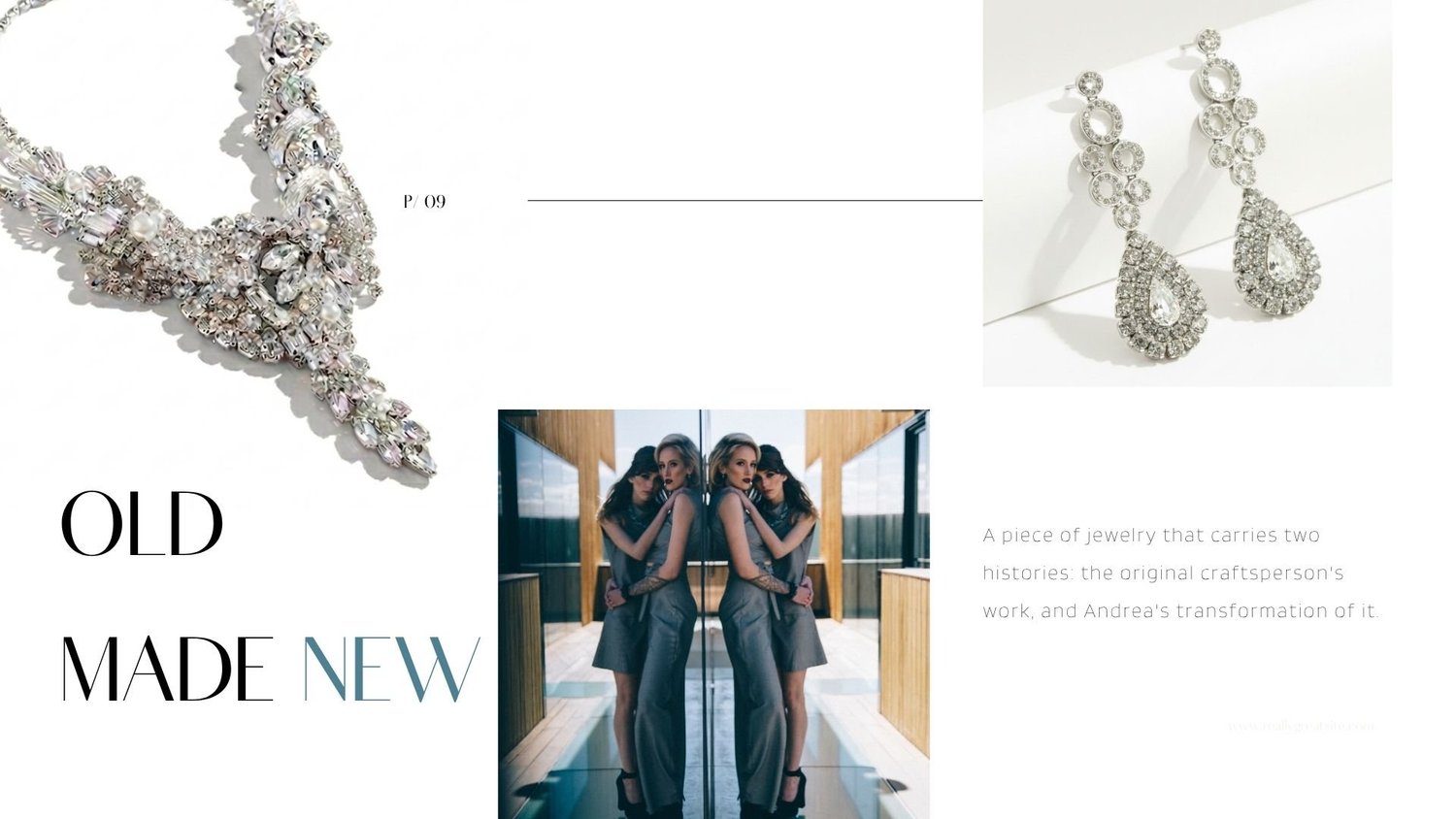
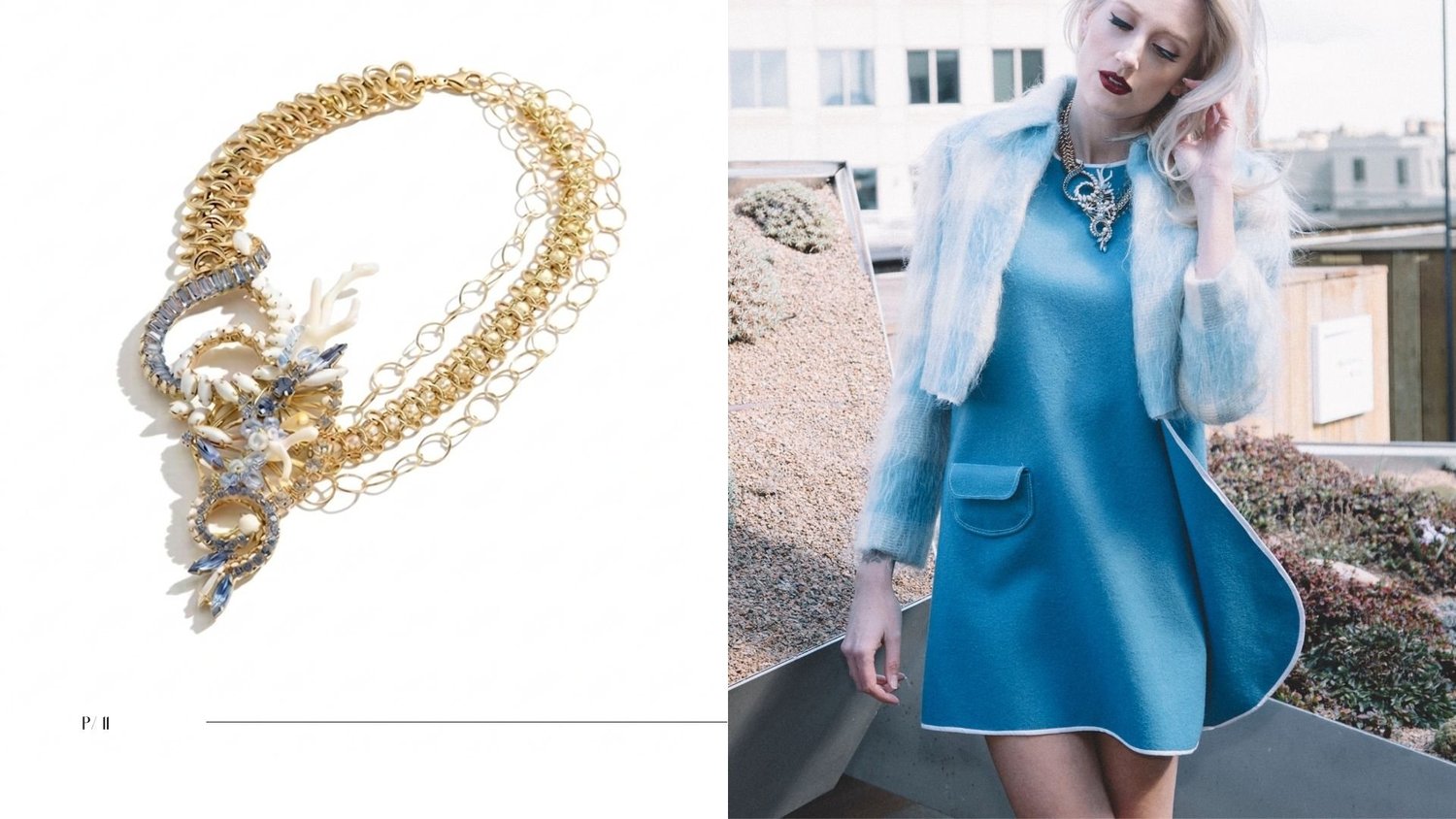
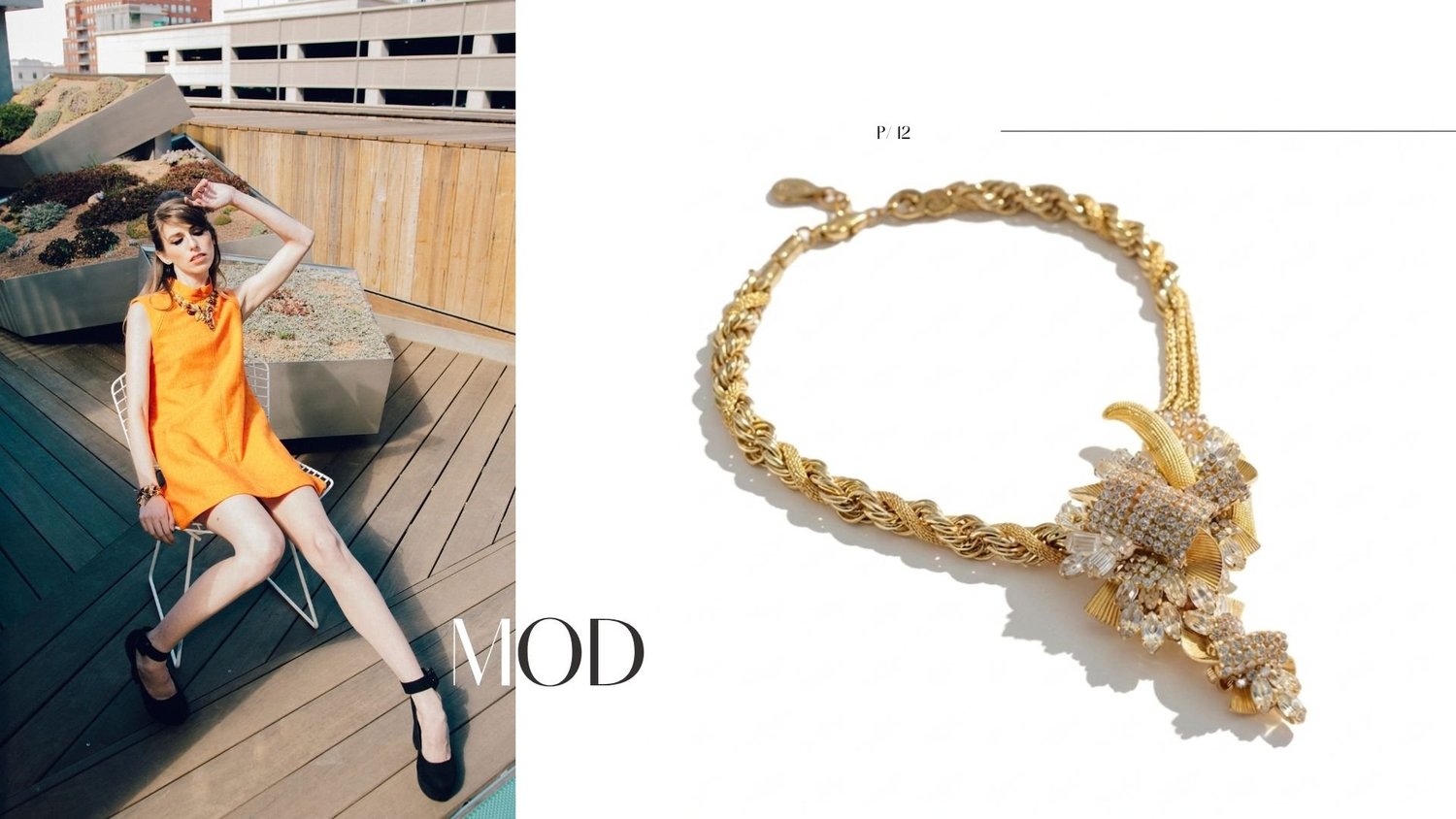
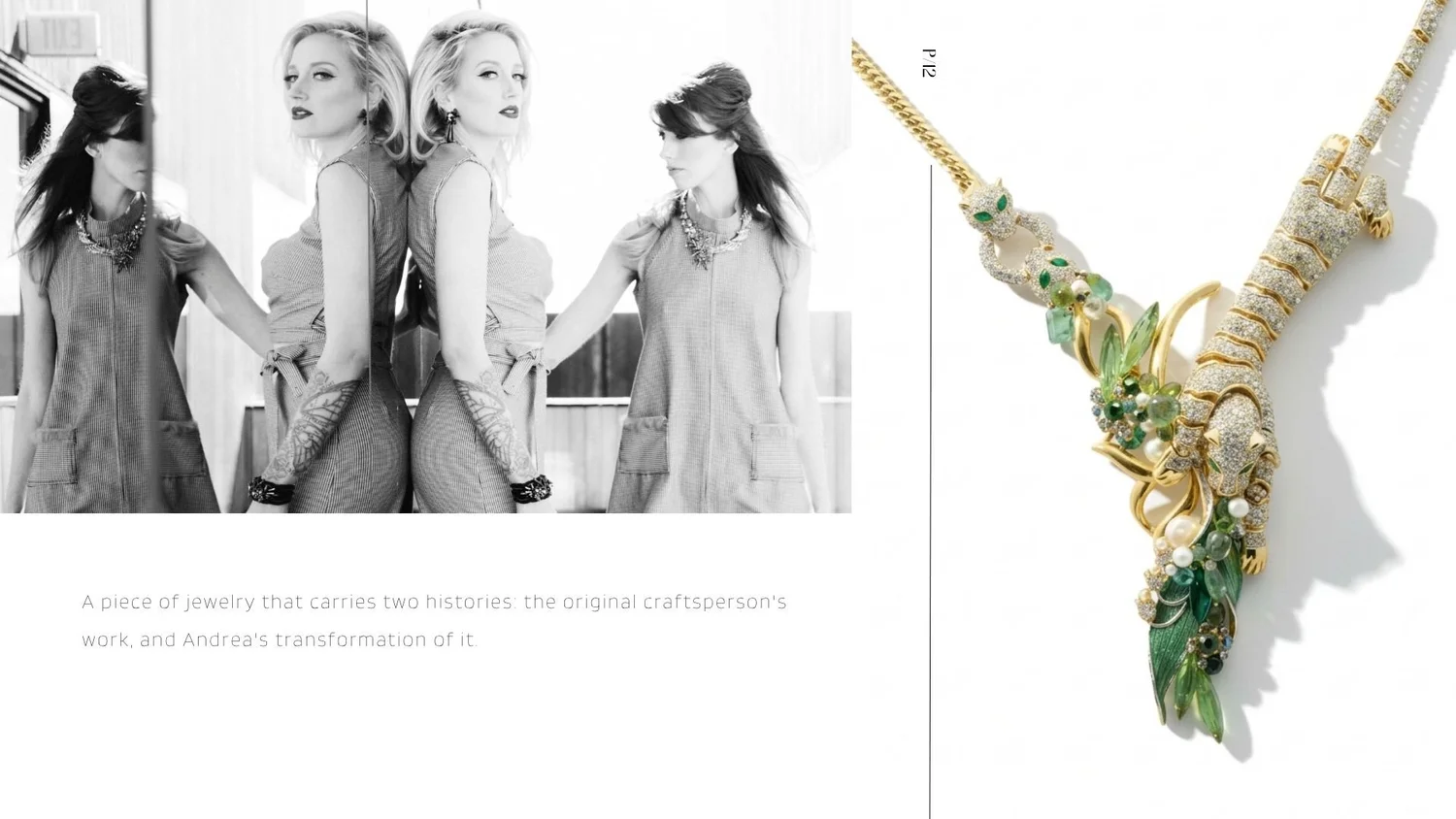
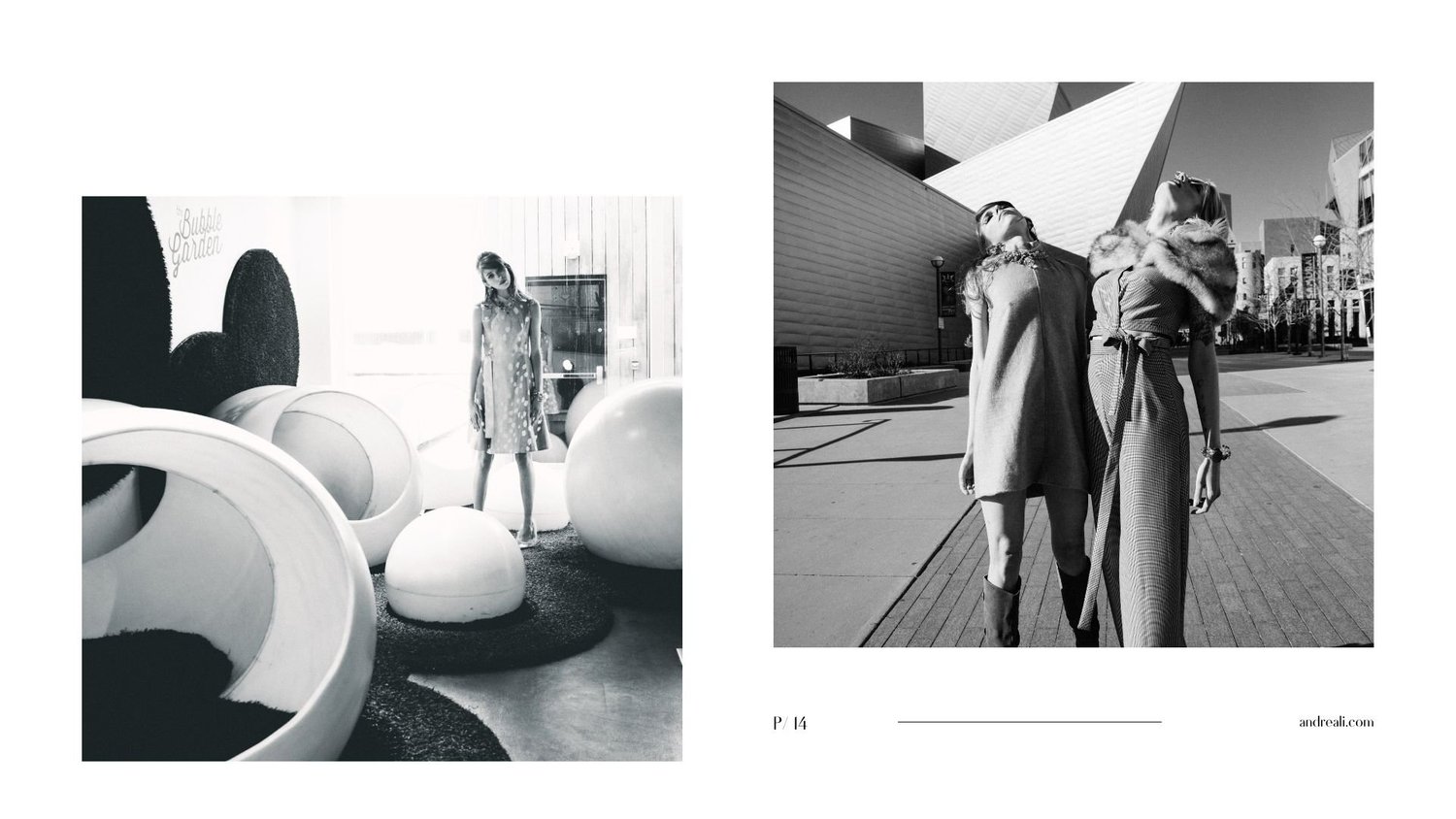
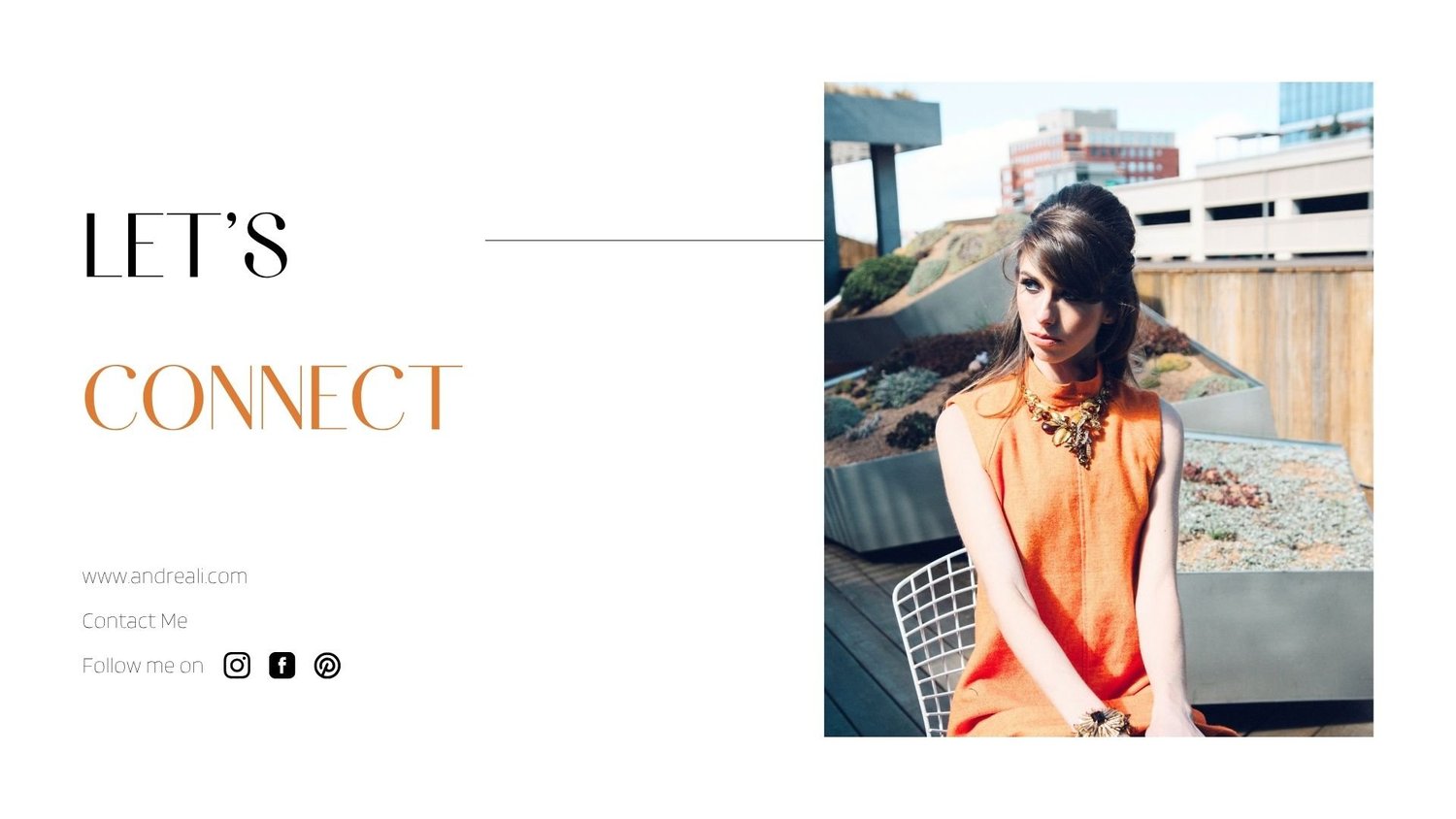
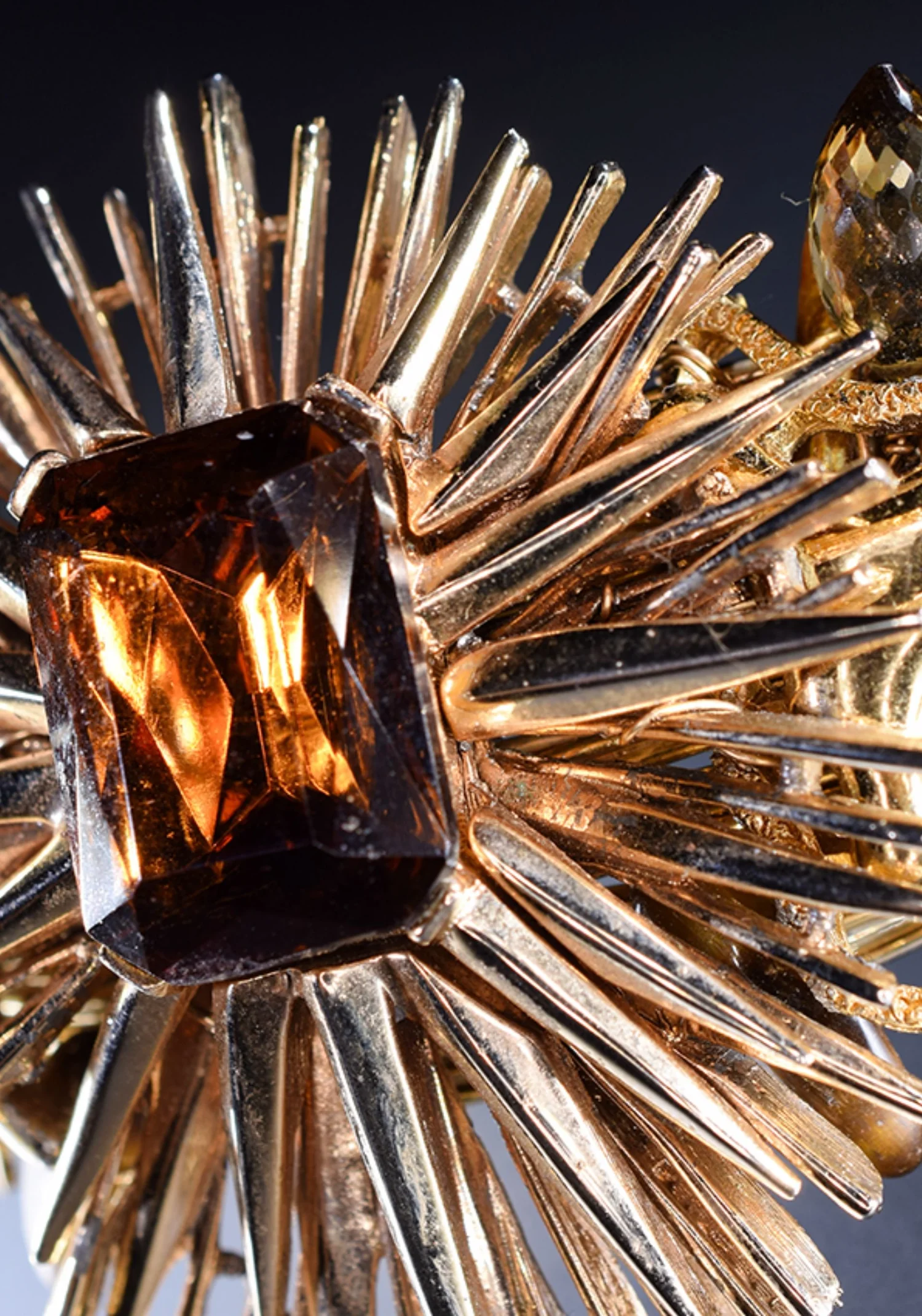
One of the most personal commissions Andrea takes on
Bring Your Own Vintage
If you have vintage or antique jewelry that you love but don't wear (a grandmother's brooch, a great-aunt's necklace, an inherited set that sits in a drawer) Andrea can transform it into something you'll actually wear.
This is one of the most personal commissions Andrea takes on. You're not starting from scratch. You're starting from a piece that already has meaning, and Andrea's job is to honor that meaning while giving it a new form. The original materials stay. The sentiment stays. The design evolves.
The process starts with a conversation. Send photos of the piece, tell Andrea what it means to you and what you wish it could become, and she'll tell you what's possible. Some pieces can be partially deconstructed and rebuilt. Others need a full transformation. Andrea will be honest about what serves the material and what doesn't.
Send photos of your vintage jewelry and the story behind it
Frequently Asked Questions
01Is this jewelry made from real vintage pieces?
Yes. Every piece in the Vintage Charm collection is made from actual antique and vintage jewelry that Andrea has sourced, deconstructed, and reassembled into new designs. These are not vintage-inspired reproductions: they contain real vintage components, some dating back over a century. The craftsmanship of the original piece lives on inside something entirely new.
02How do you source your vintage components?
Andrea sources from estate sales, antique shows, vintage dealers, and shops on Denver's Antique Row. She looks for pieces with strong construction (quality metalwork, interesting settings, unusual components) rather than pieces that are valuable intact. A well-made Edwardian brooch that no one wears anymore is more useful to her process than a pristine museum piece. She's looking for good bones, not display cases.
03Can I send you my own vintage jewelry to transform?
Absolutely. This is one of the most personal commissions Andrea takes on. If you have a grandmother's brooch, an inherited necklace, or any vintage piece that has meaning but doesn't get worn, Andrea can transform it into something new. Send photos and the story behind the piece, and she'll tell you honestly what's possible. The original materials and sentiment stay: the design evolves.
04What eras do your vintage pieces come from?
The collection draws from multiple eras: Victorian (1837–1901), Edwardian (1901–1910), Art Deco (1920s–1930s), and mid-century pieces (1940s–1960s). Each era had distinct metalworking techniques and design sensibilities. Victorian pieces tend toward intricate filigree and seed pearls. Art Deco favors geometric precision and bold symmetry. Andrea's transformation process honors the era's character while placing it in a completely new context.
05Is repurposed vintage jewelry sustainable?
Yes, and in a more meaningful way than most "sustainable jewelry" marketing. No new mining is required for the vintage components. No new metal needs to be refined for the historical elements. The stones, settings, chains, and clasps already exist. Andrea adds new 14k gold fabrication to bridge the vintage components into a new design, but the foundation of each piece is material that's already had one life and is being given another. It's not sustainability as a brand value: it's sustainability as a practical reality of the process.
06How is this different from vintage jewelry at an antique shop?
Antique shops sell intact vintage pieces as they were originally made. Andrea's process is the opposite: she takes those pieces apart and builds something that never existed before. You're not wearing a Victorian necklace. You're wearing a modern necklace that contains Victorian DNA. The silhouette, the proportions, the overall design: those are Andrea's. The components inside carry a century of history.
07Can I see the PBS feature about your vintage process?
Yes: the video is embedded above on this page. Rocky Mountain PBS featured Andrea's vintage transformation process on their show Vintage Colorado. The four-minute segment shows how Andrea sources, deconstructs, and reassembles vintage jewelry in her Denver studio. Scroll up to watch, or view it on pbs.org.