Andrea Li
Pearl Jewelry
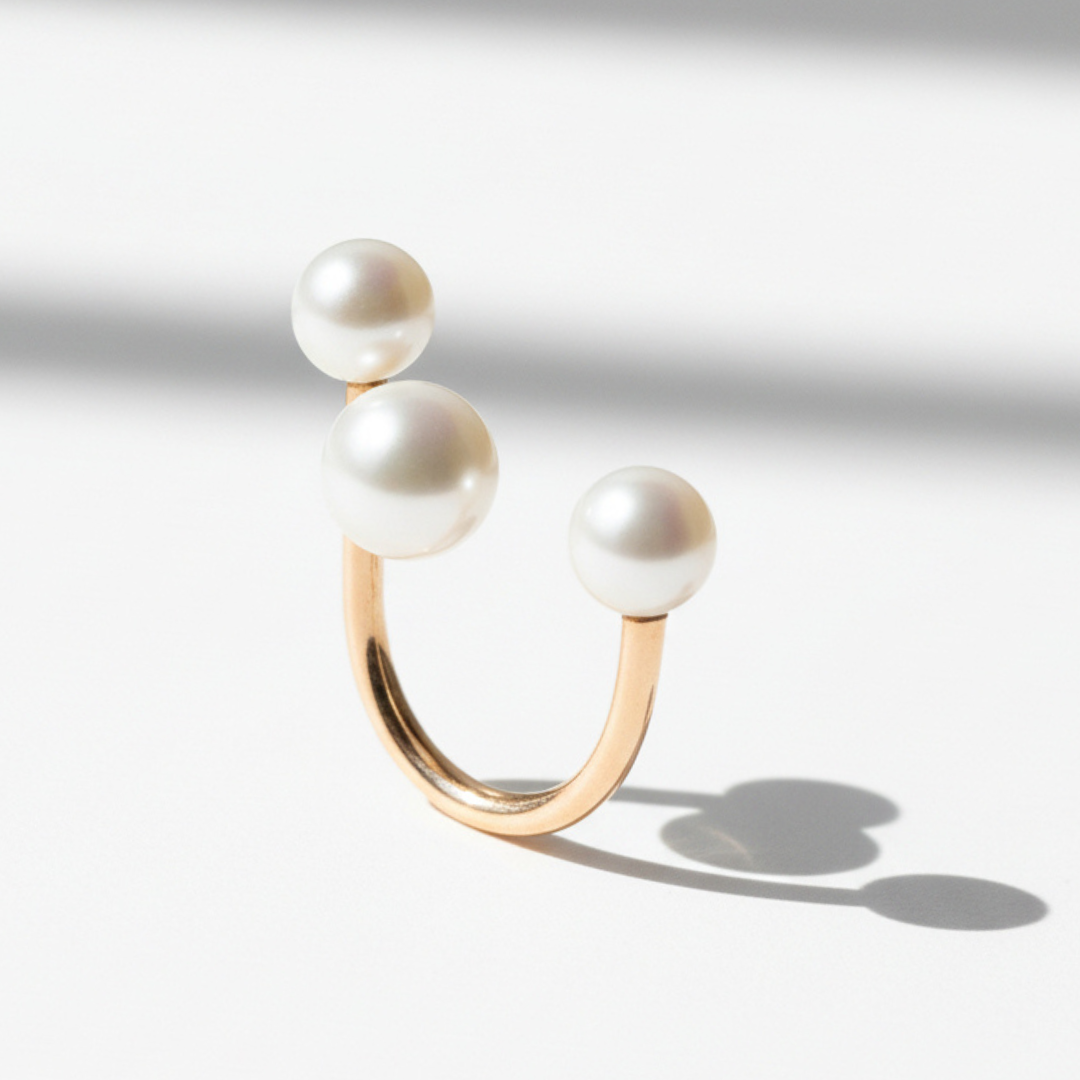
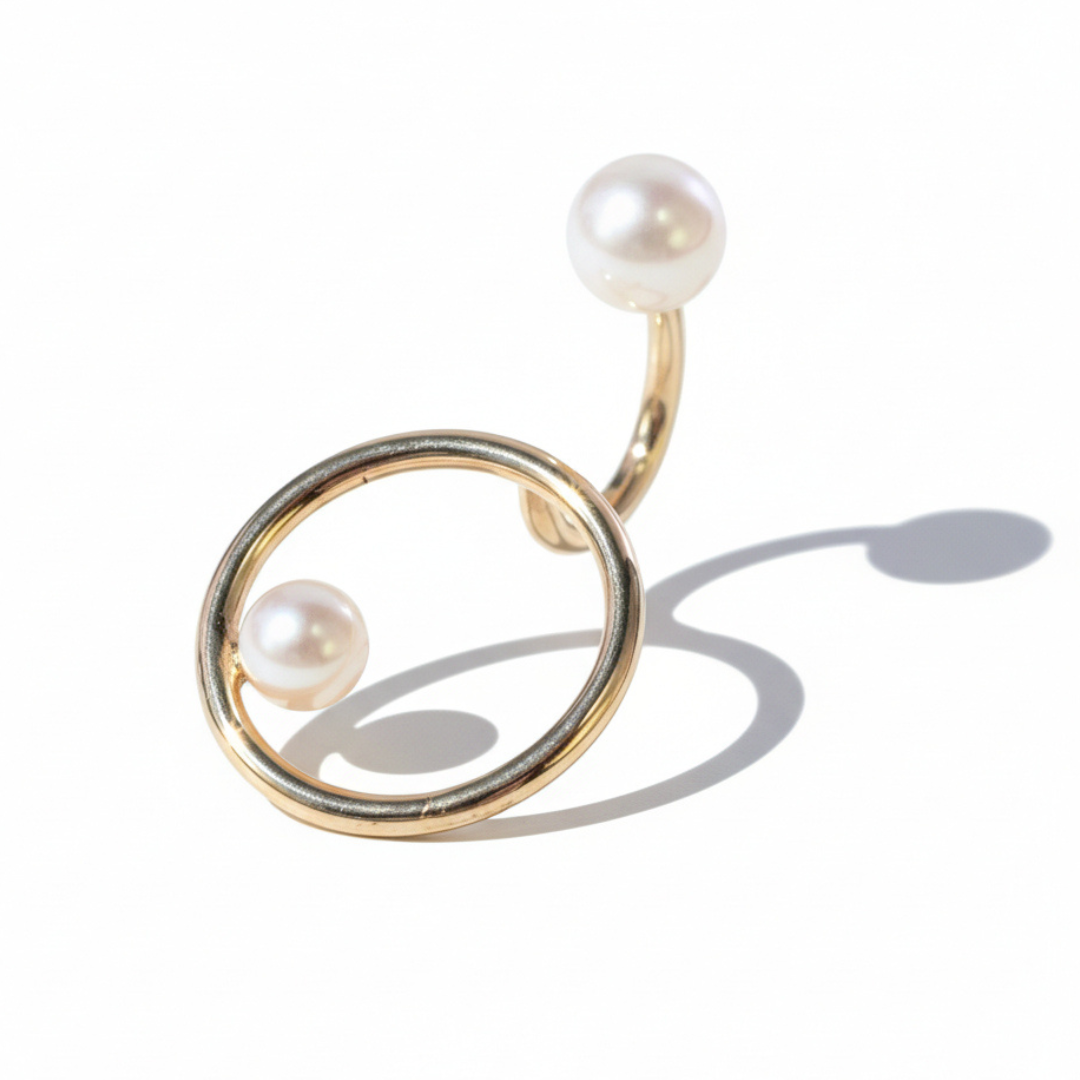
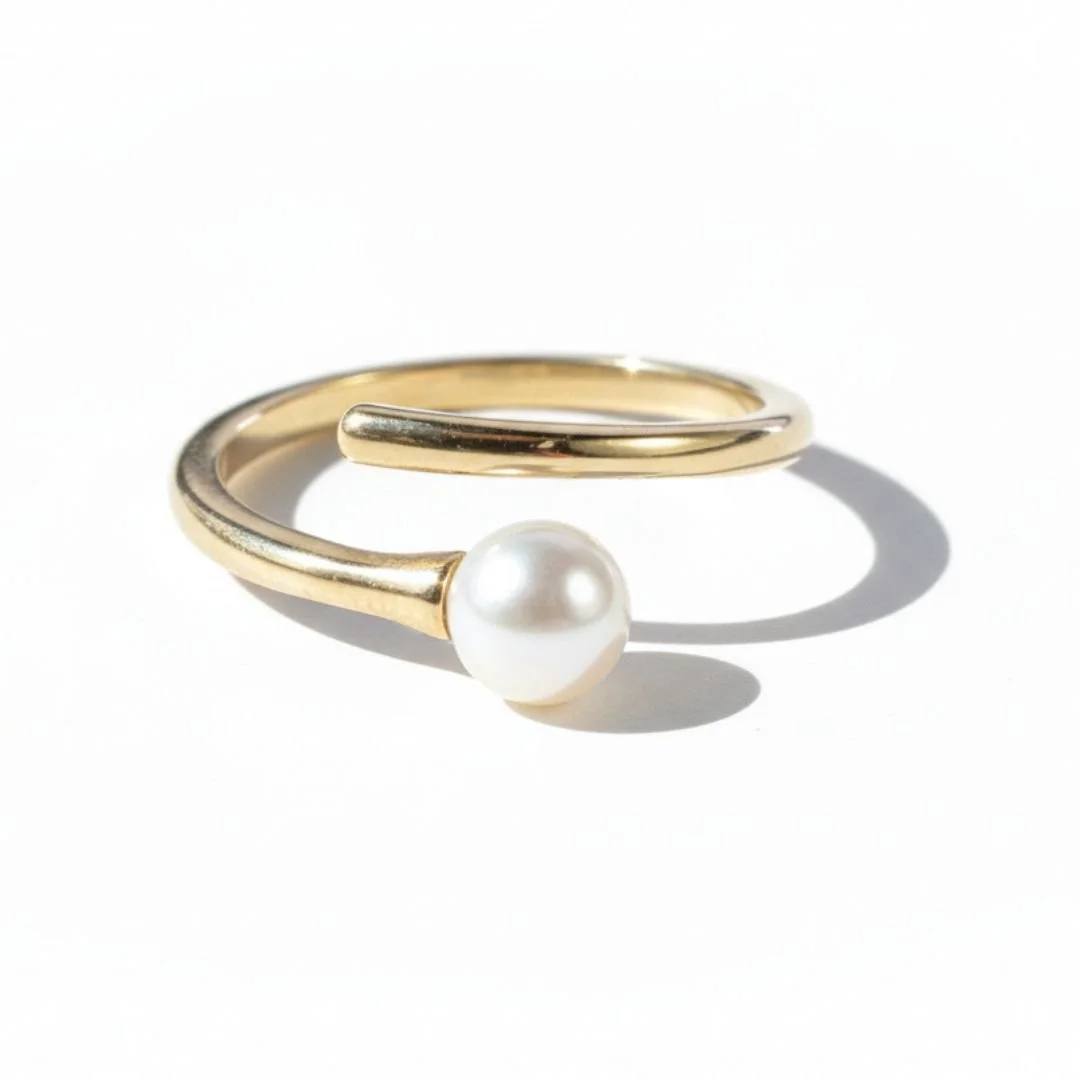
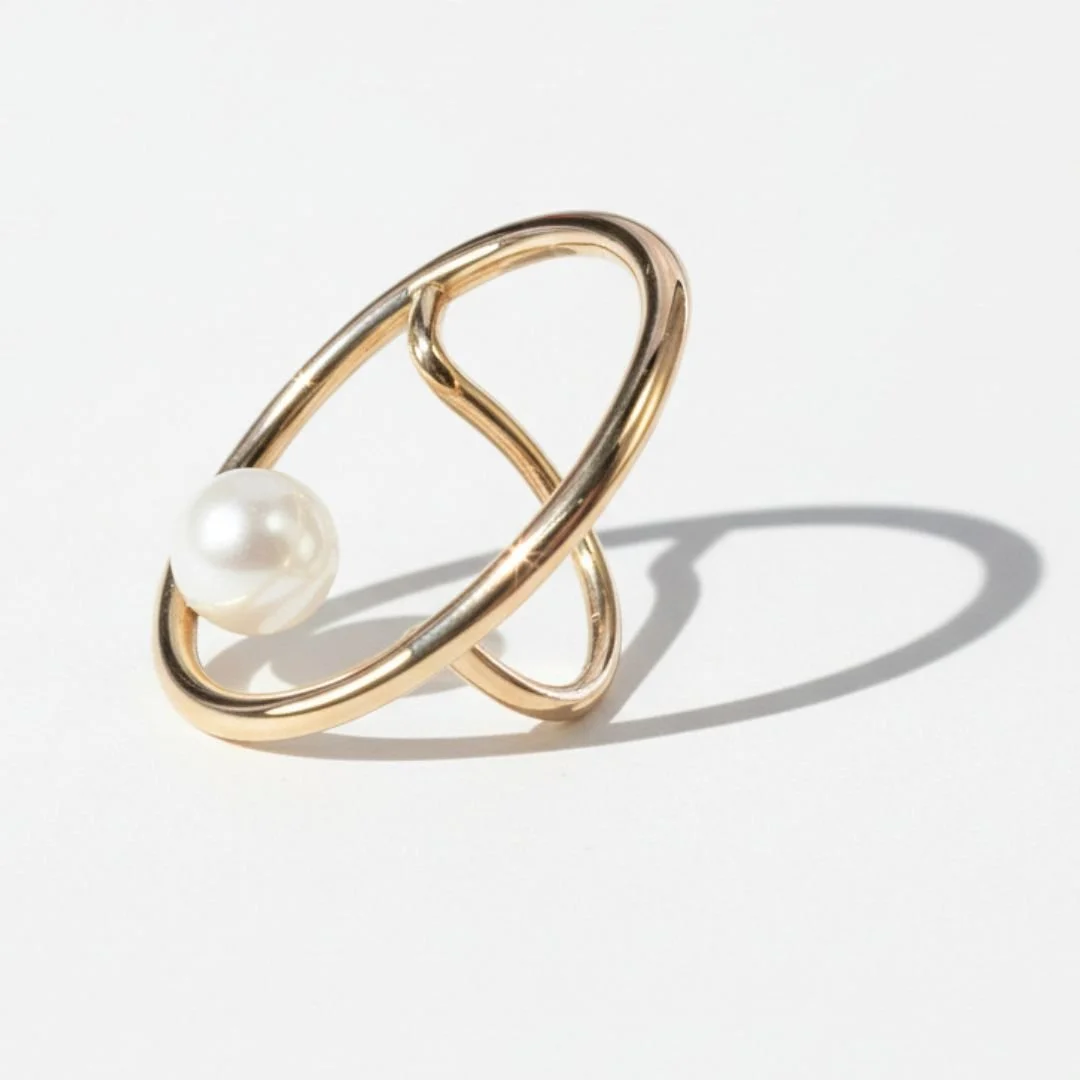
Andrea Li Handcrafted Pearl Jewelry
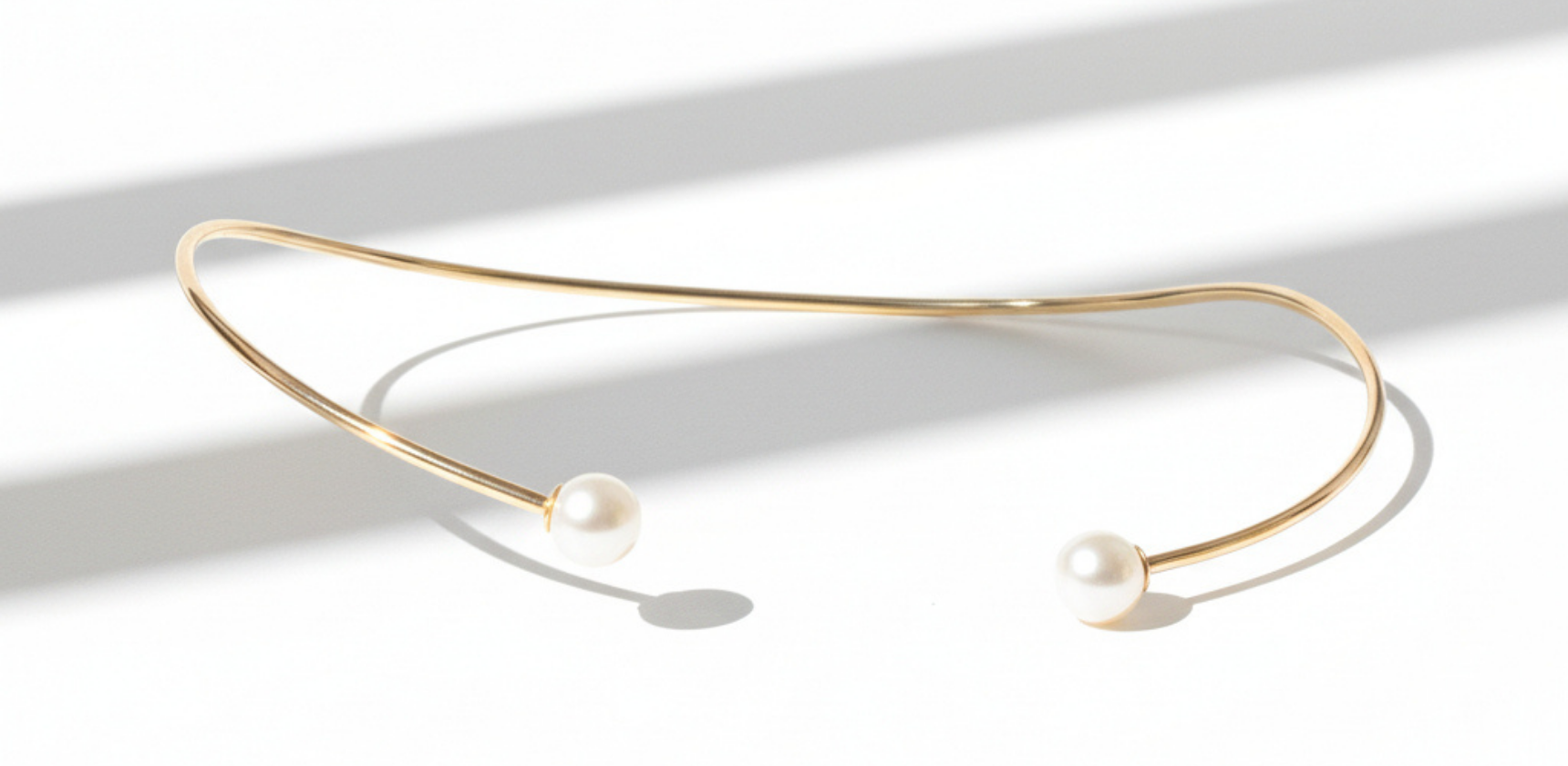
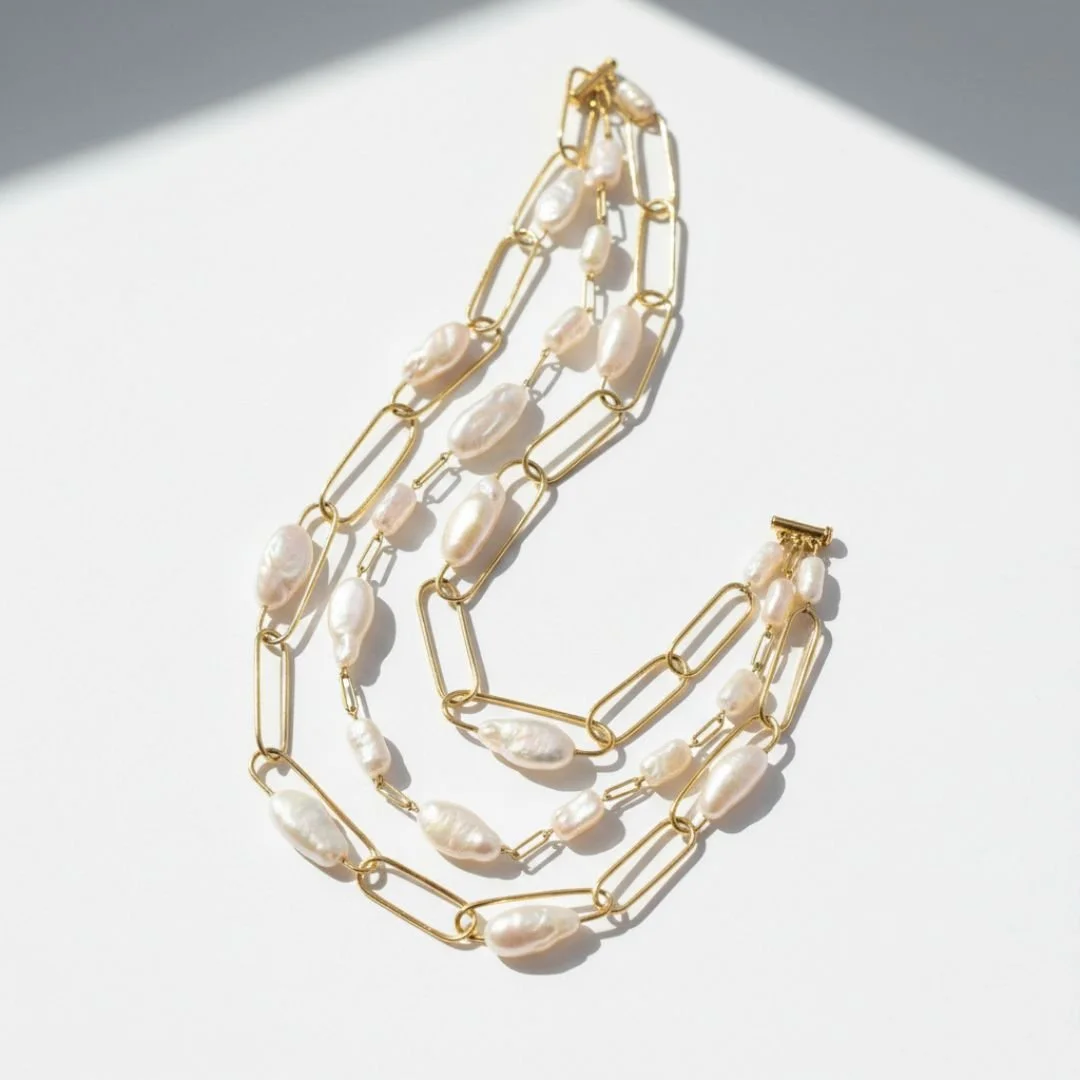
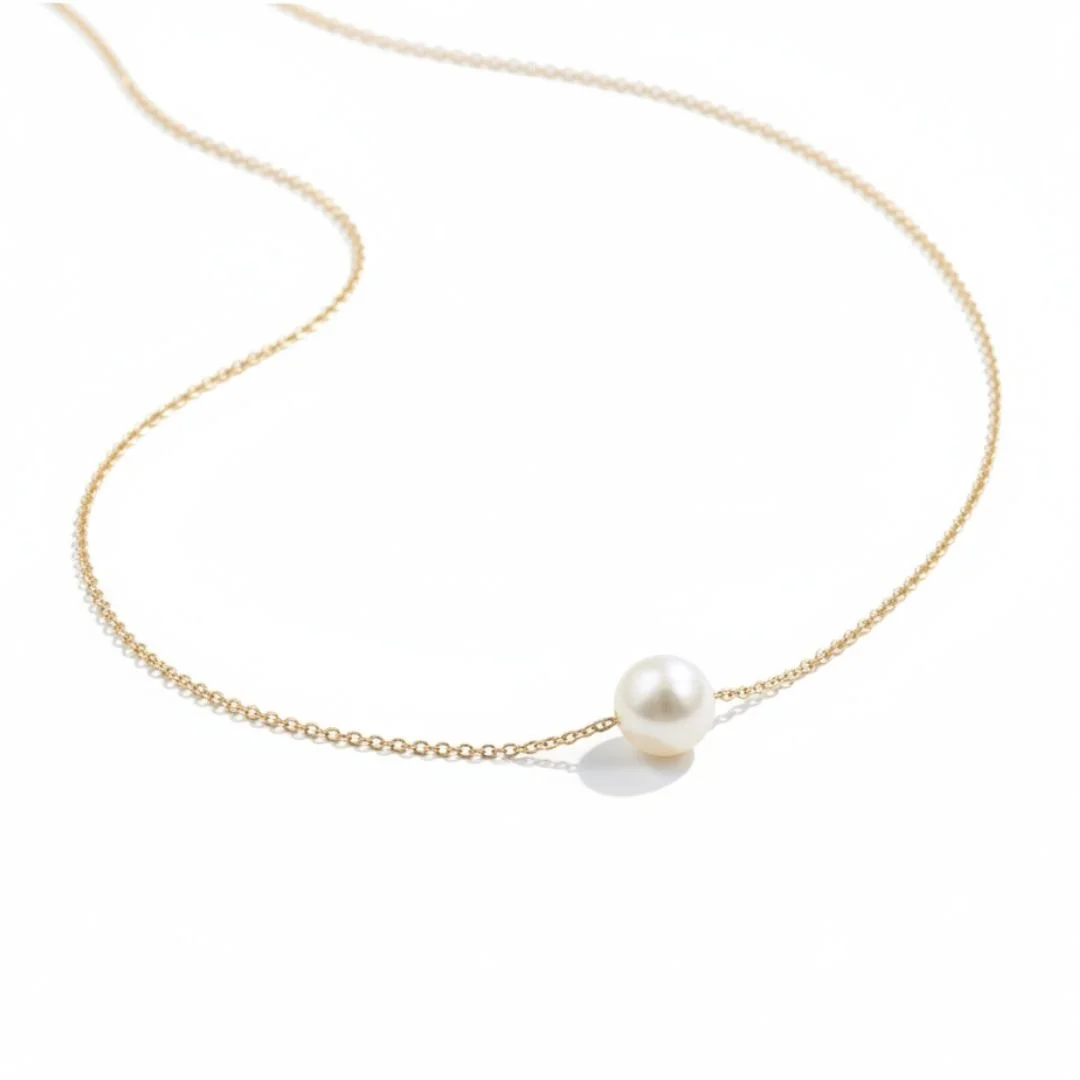
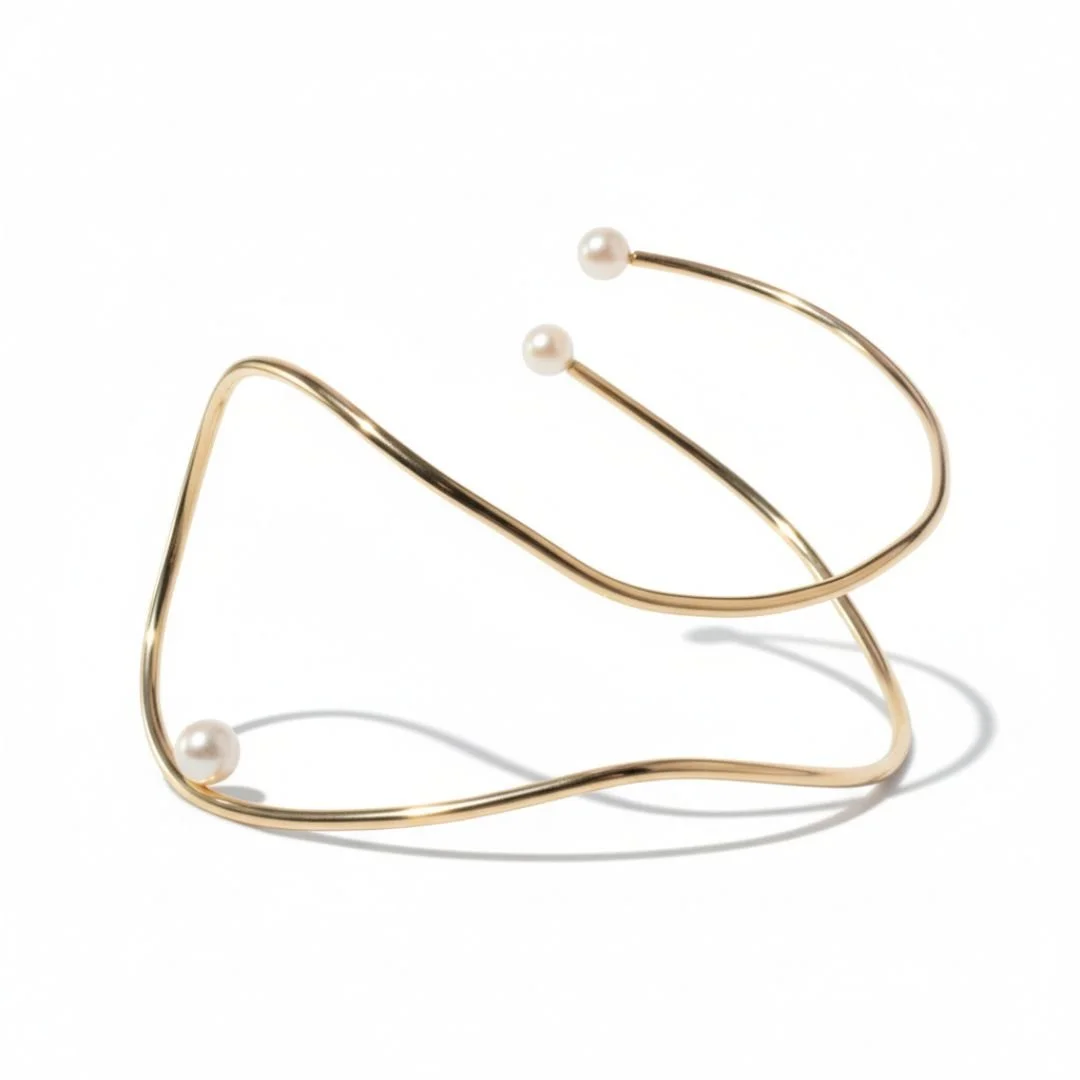
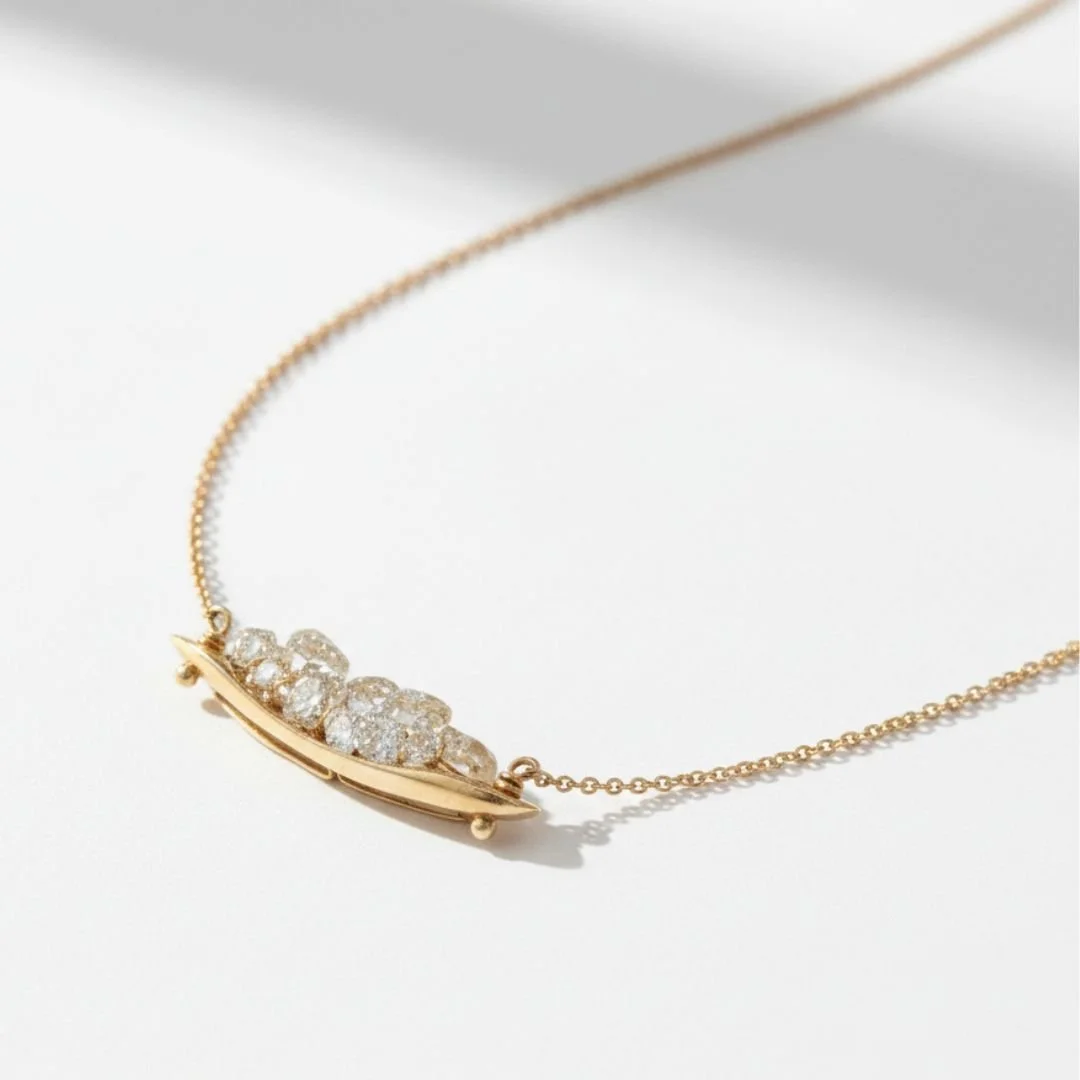
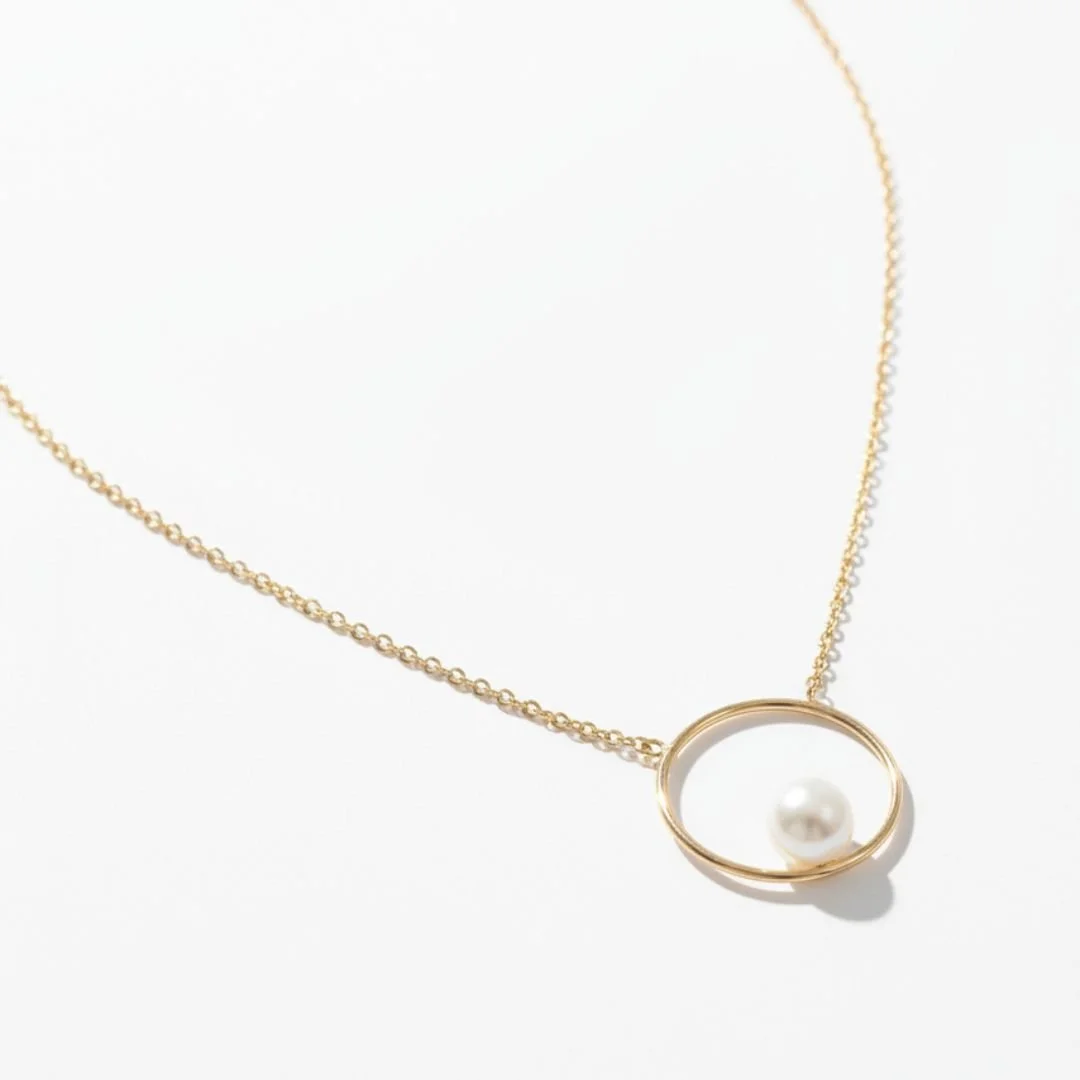
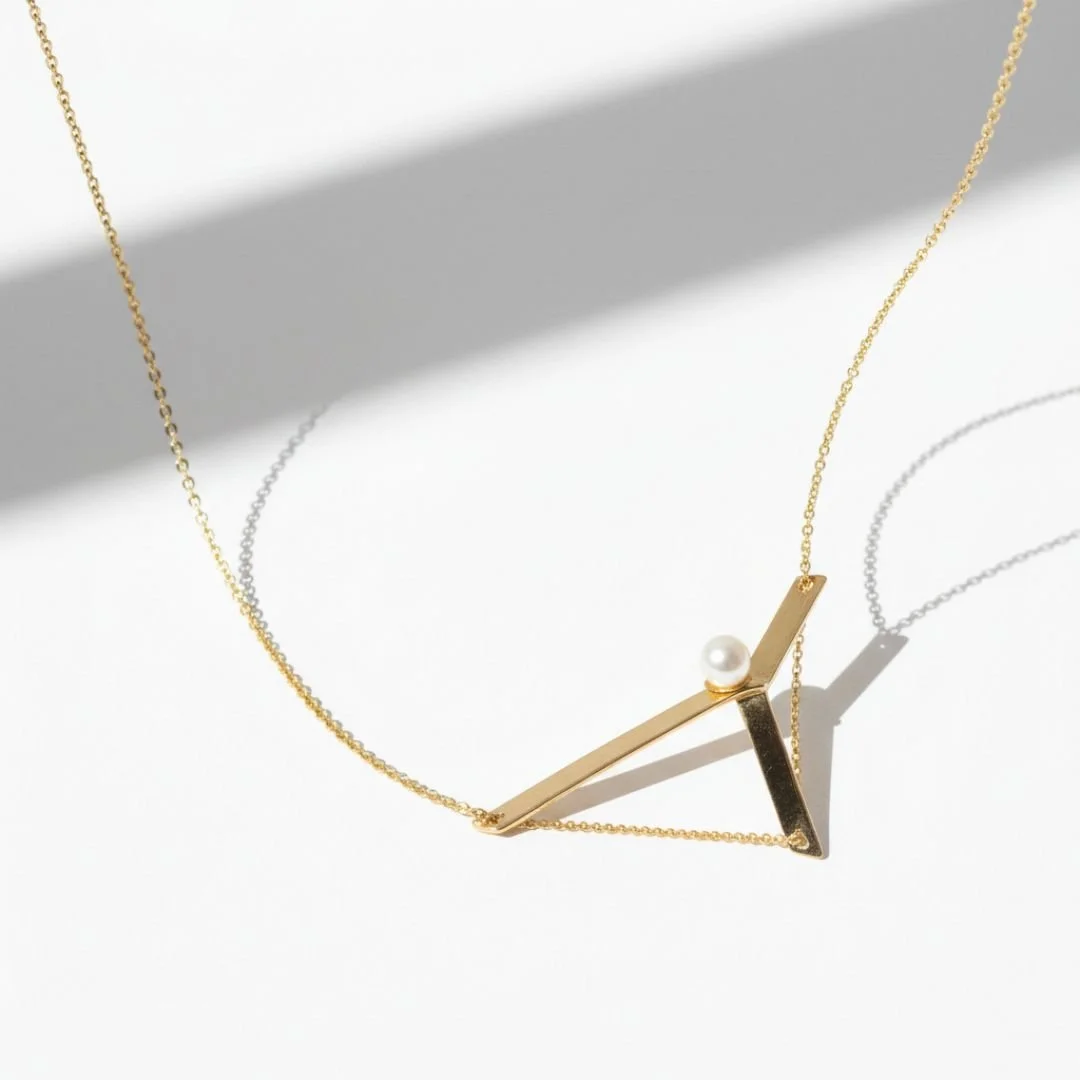
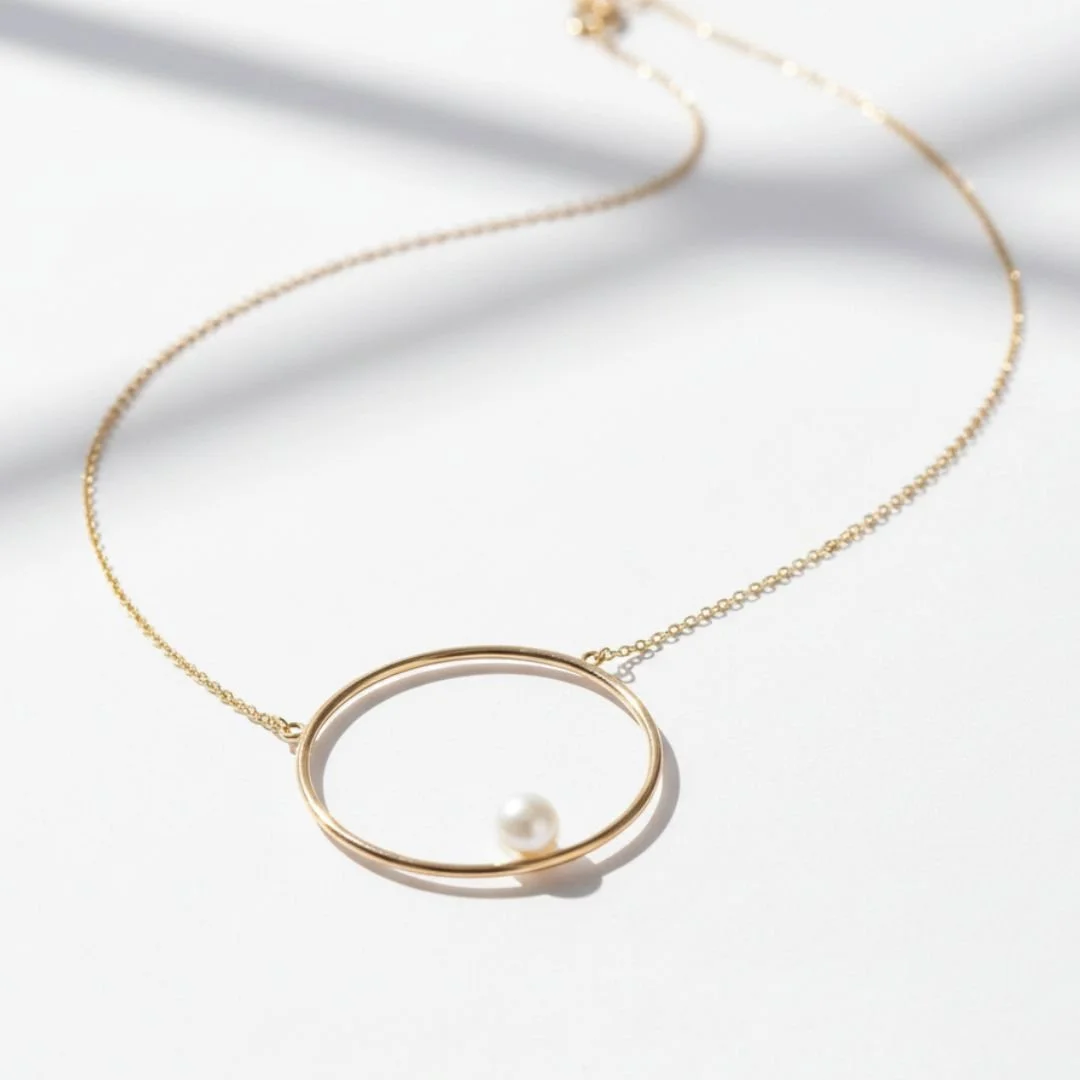
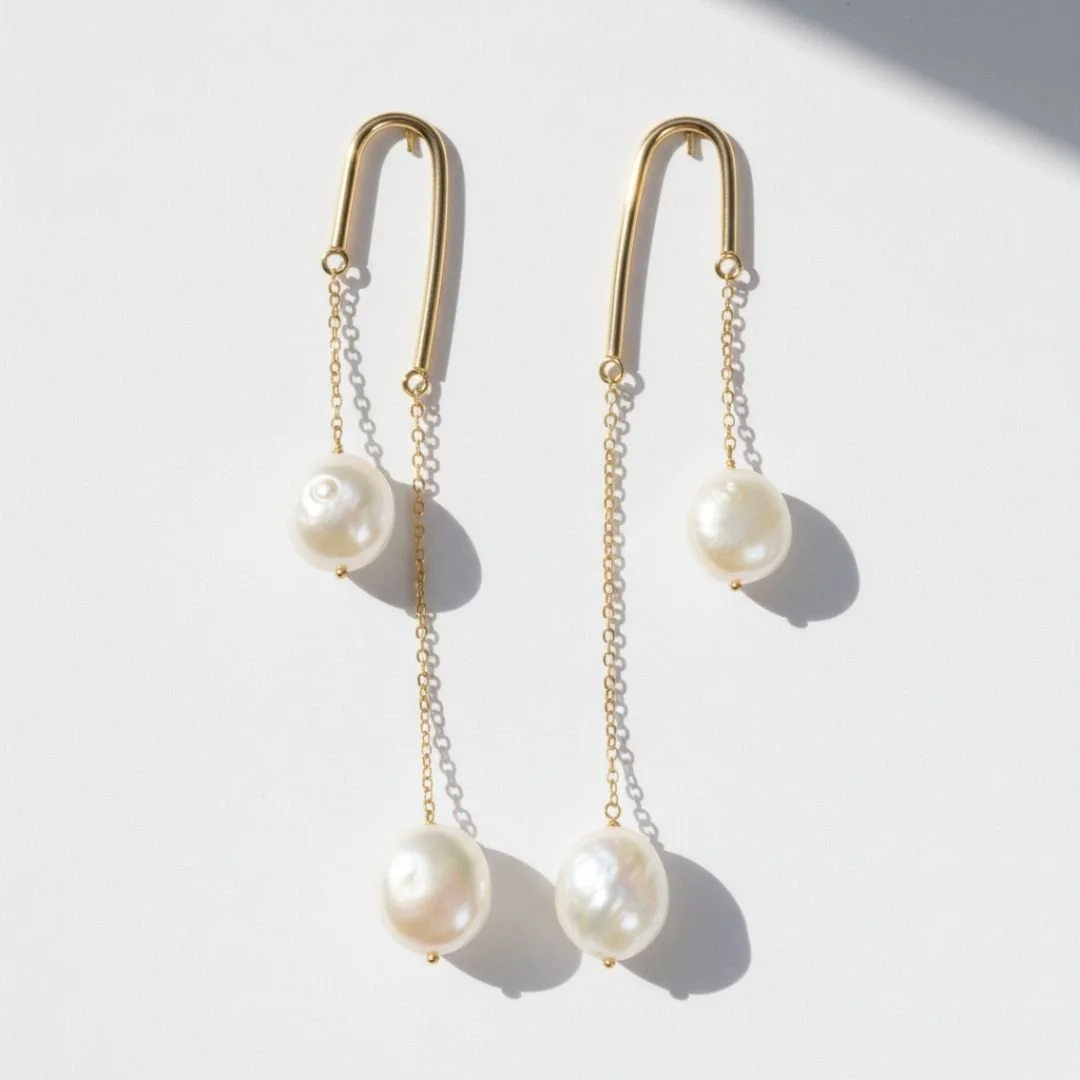
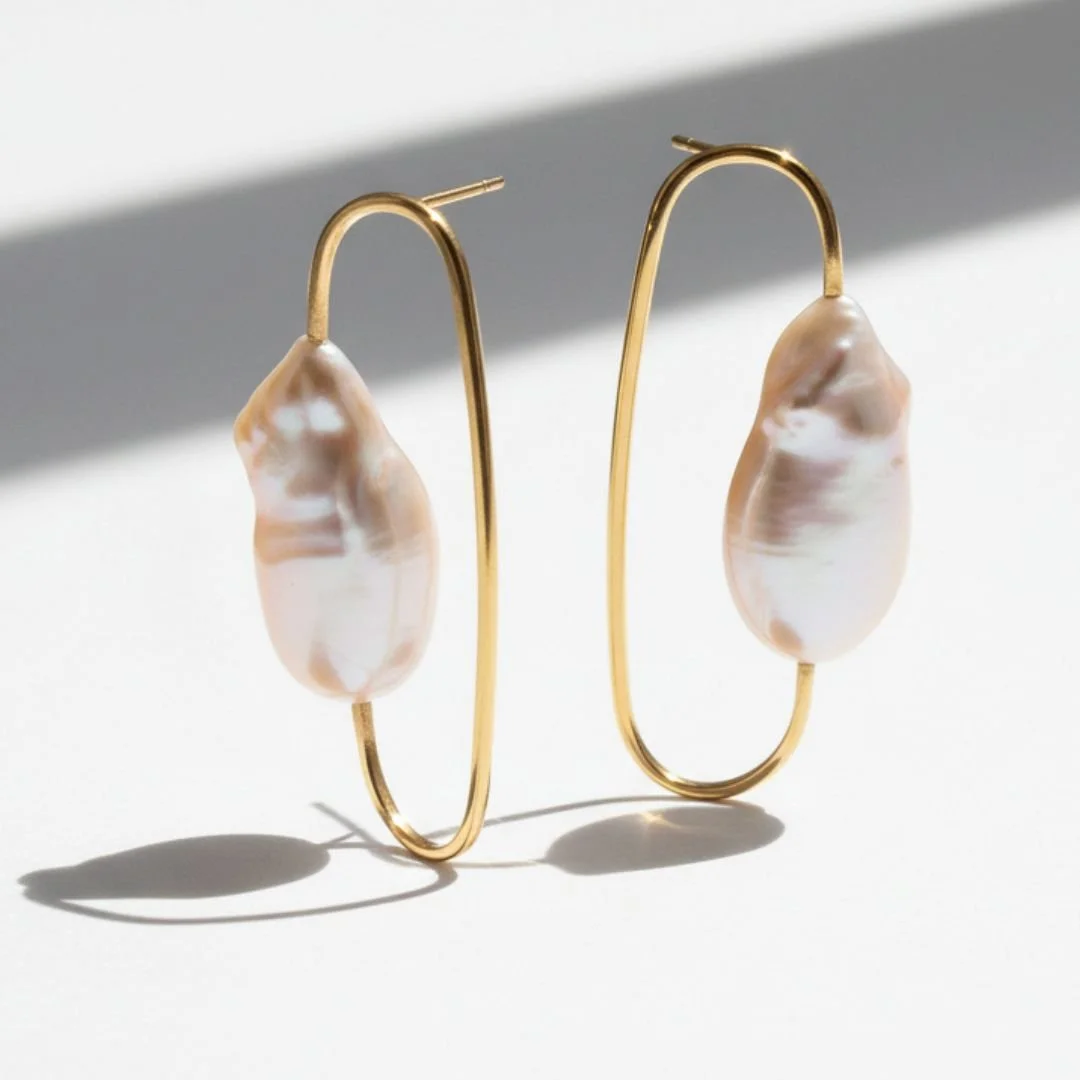
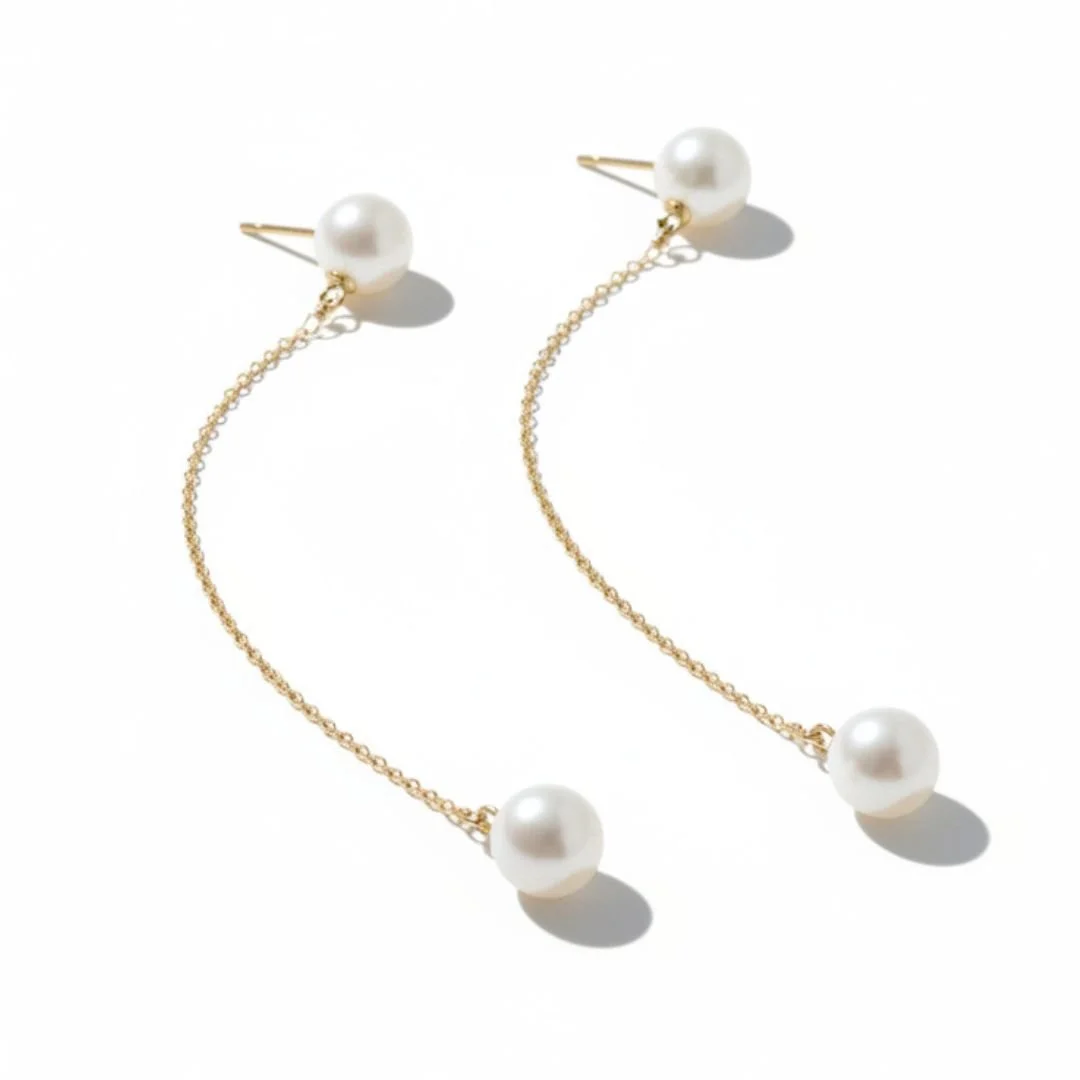
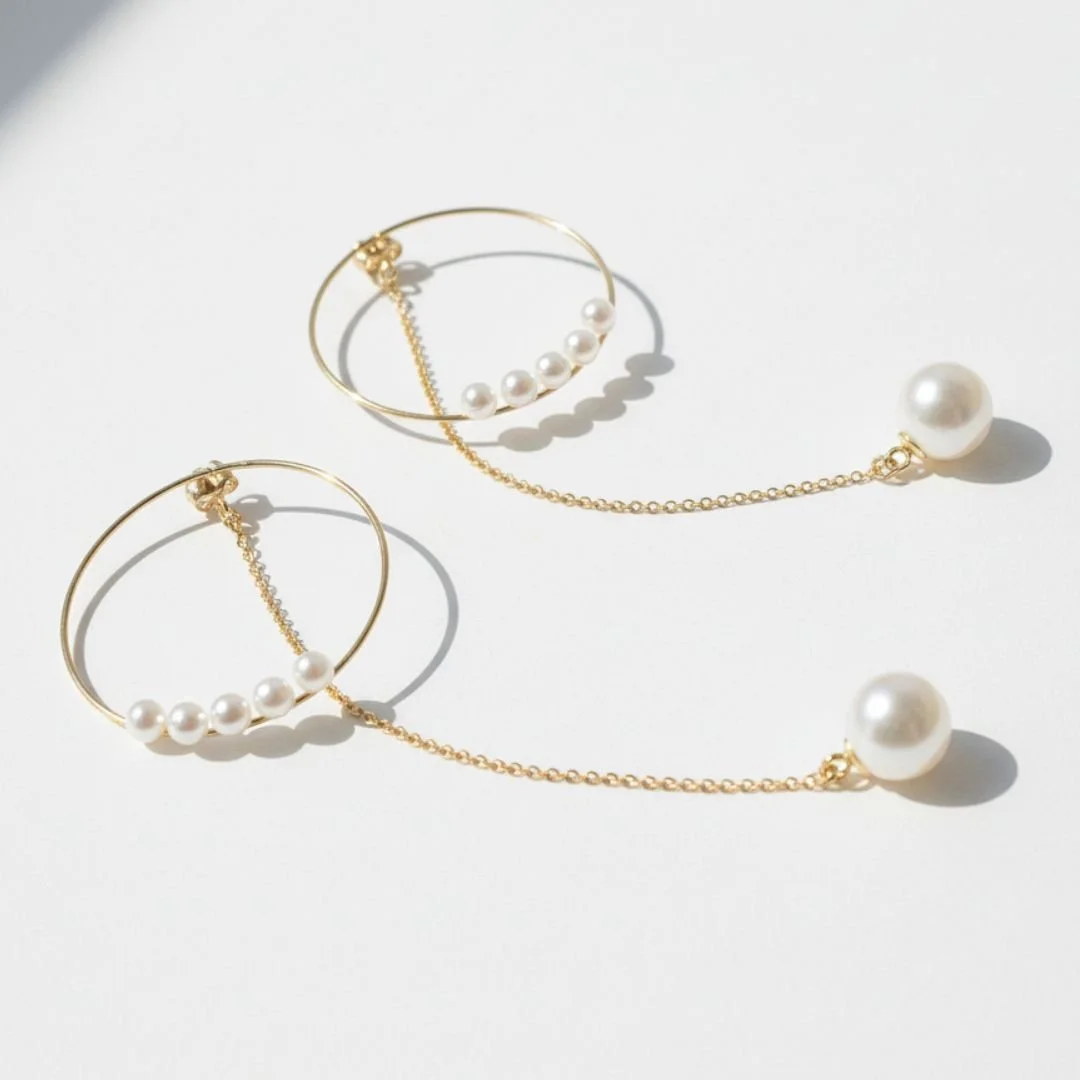
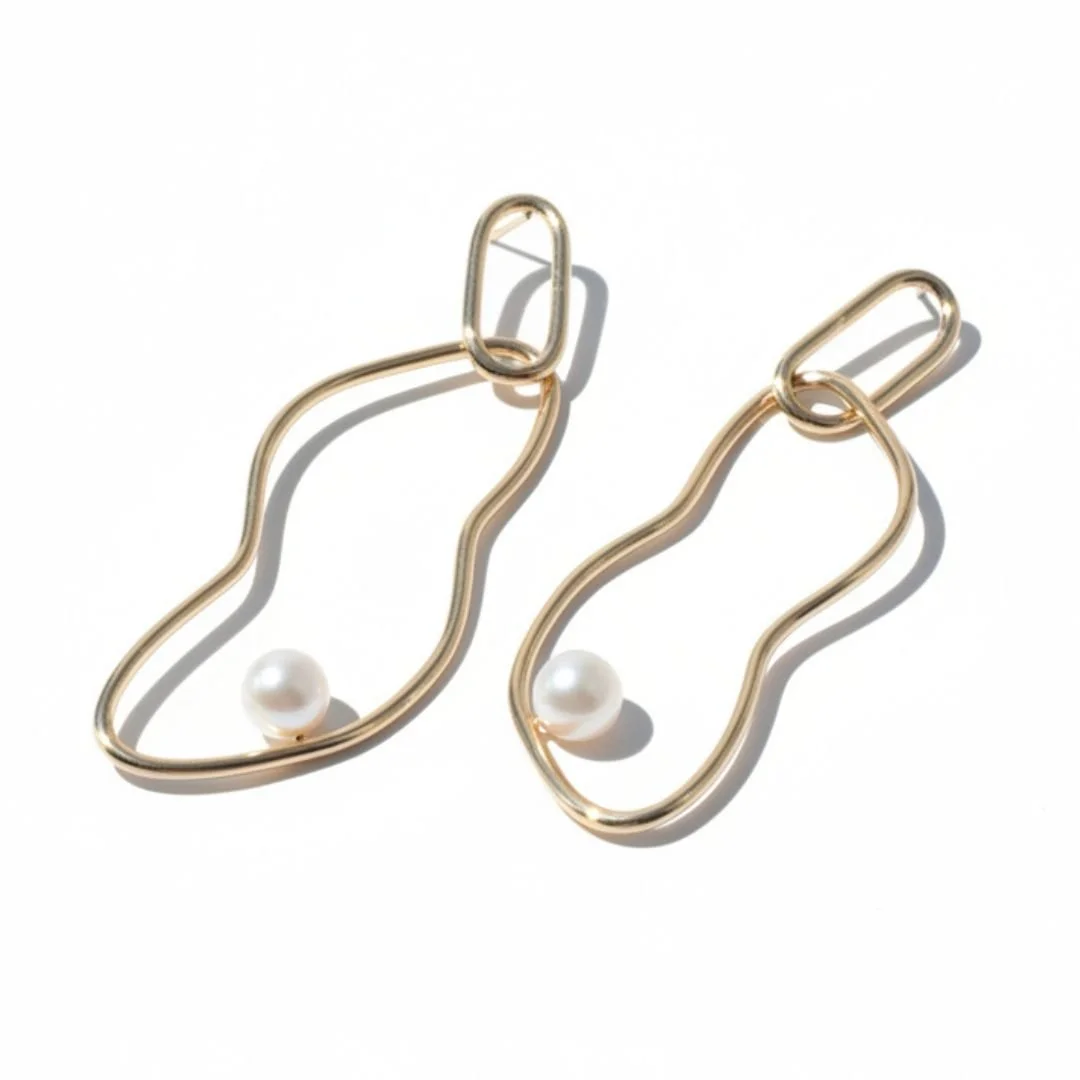
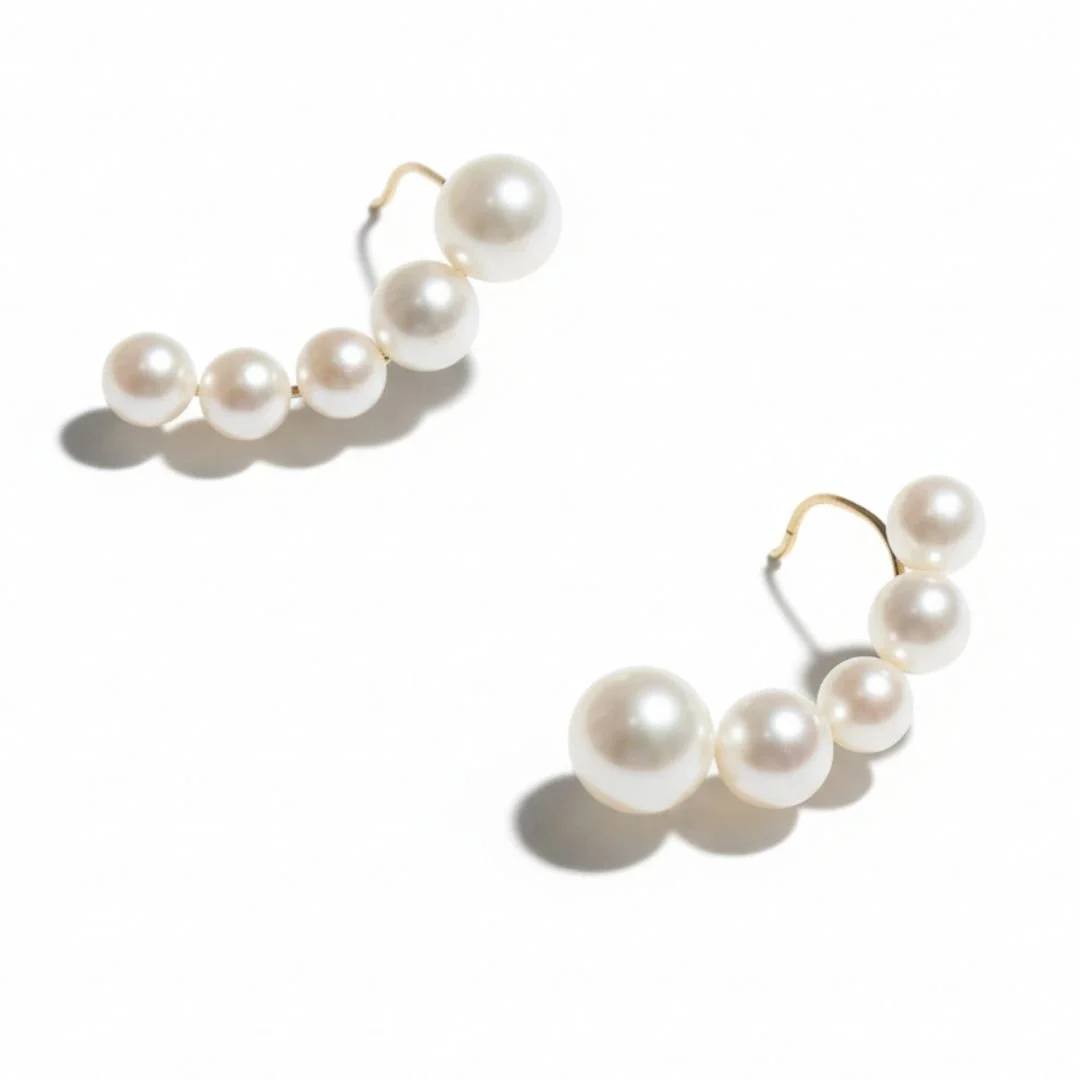
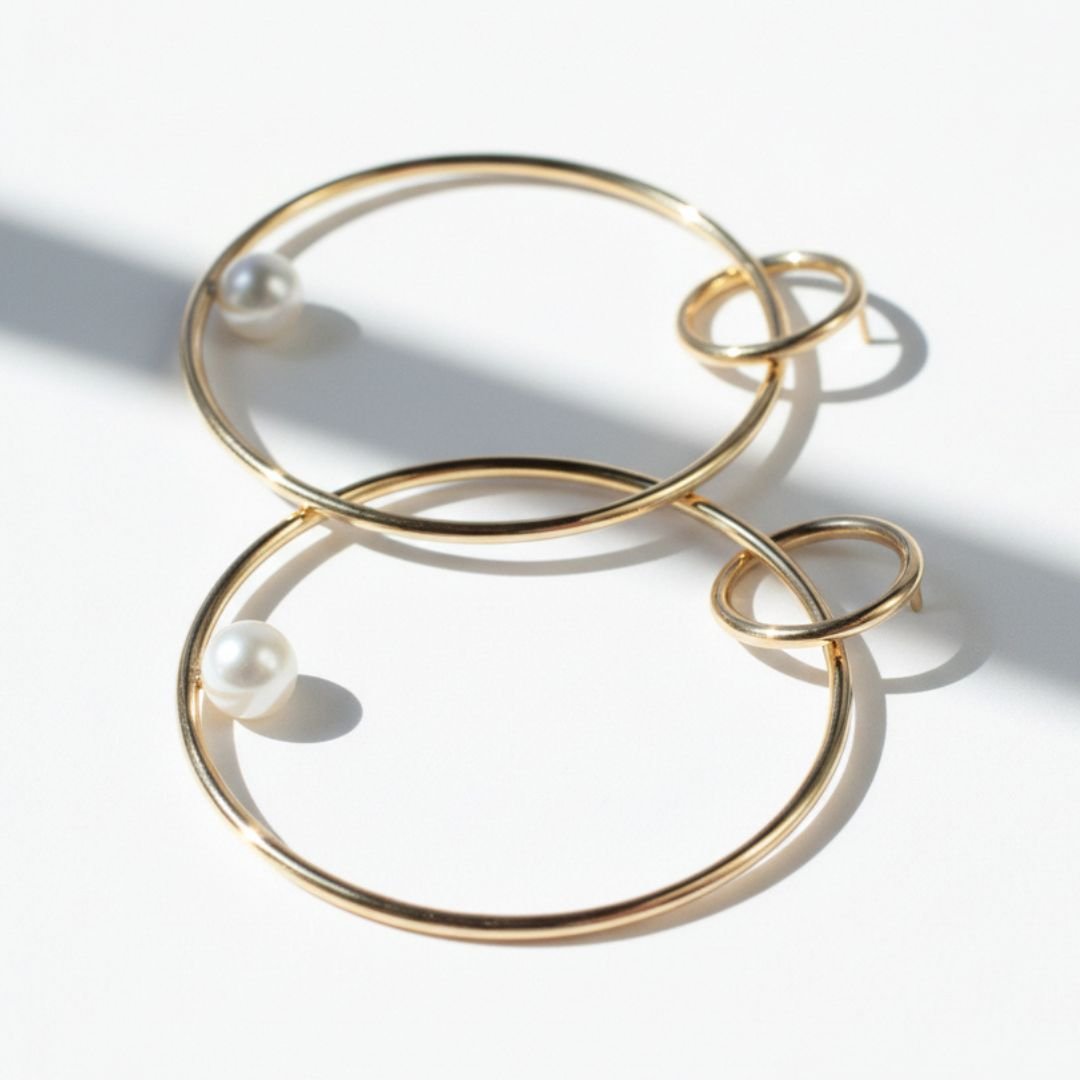
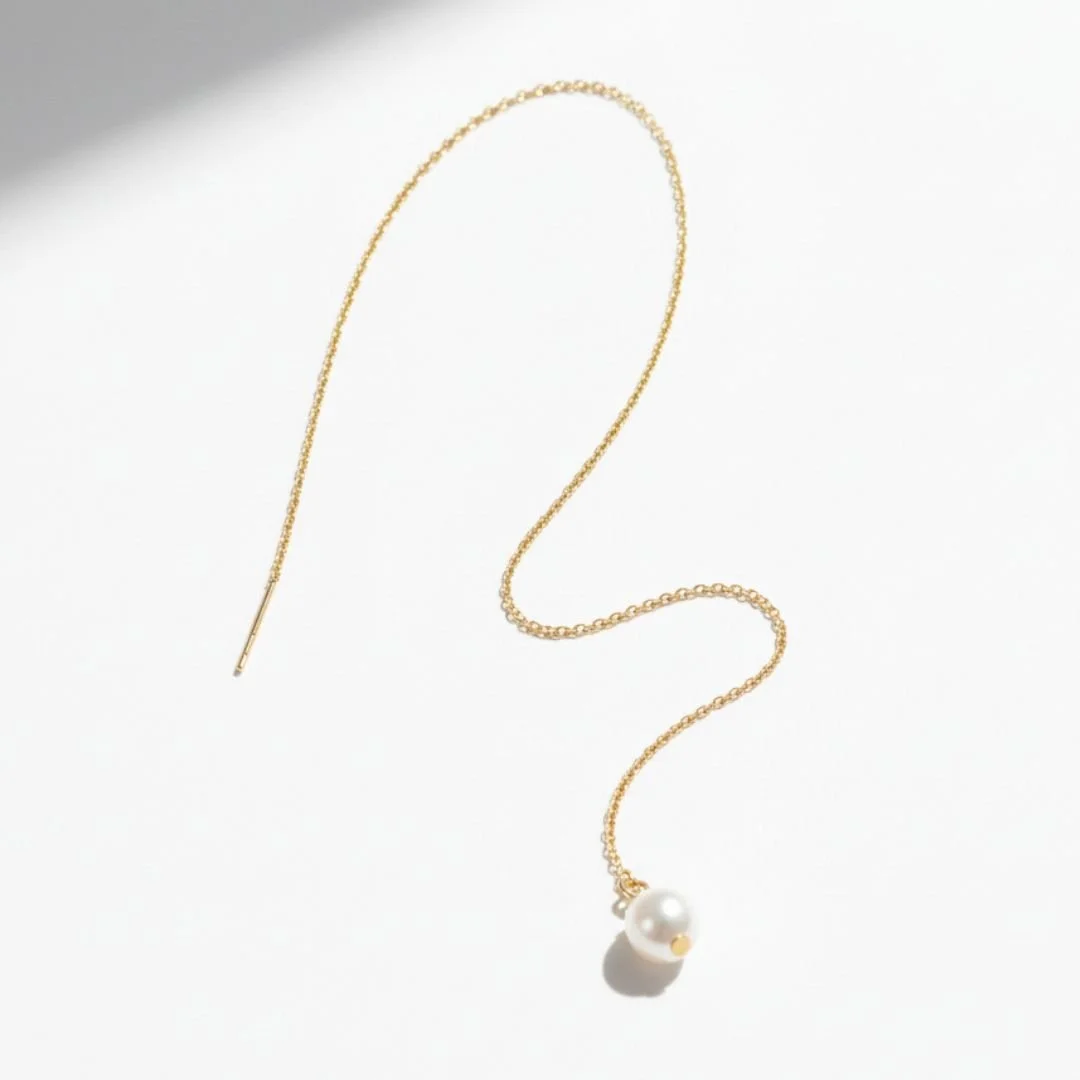
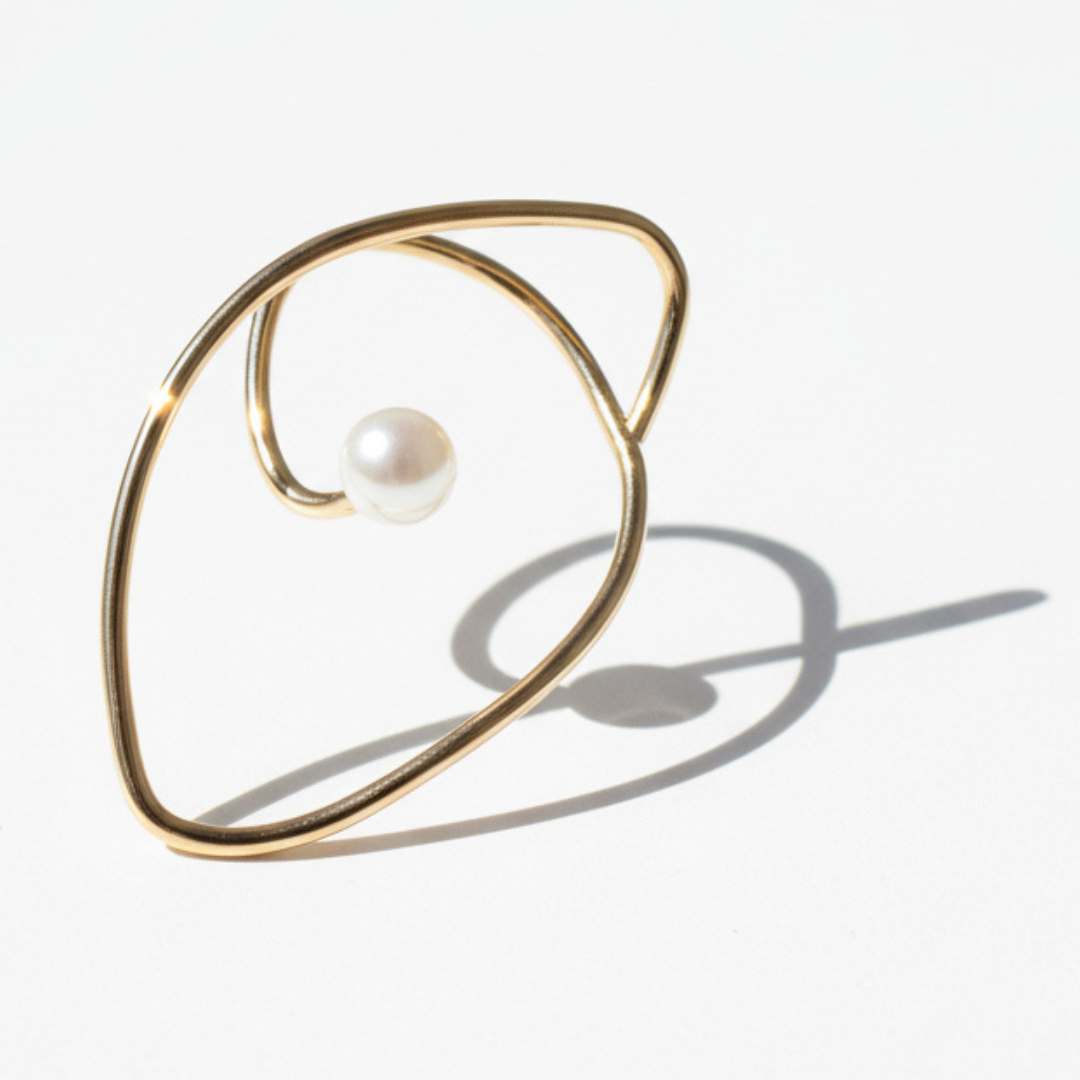
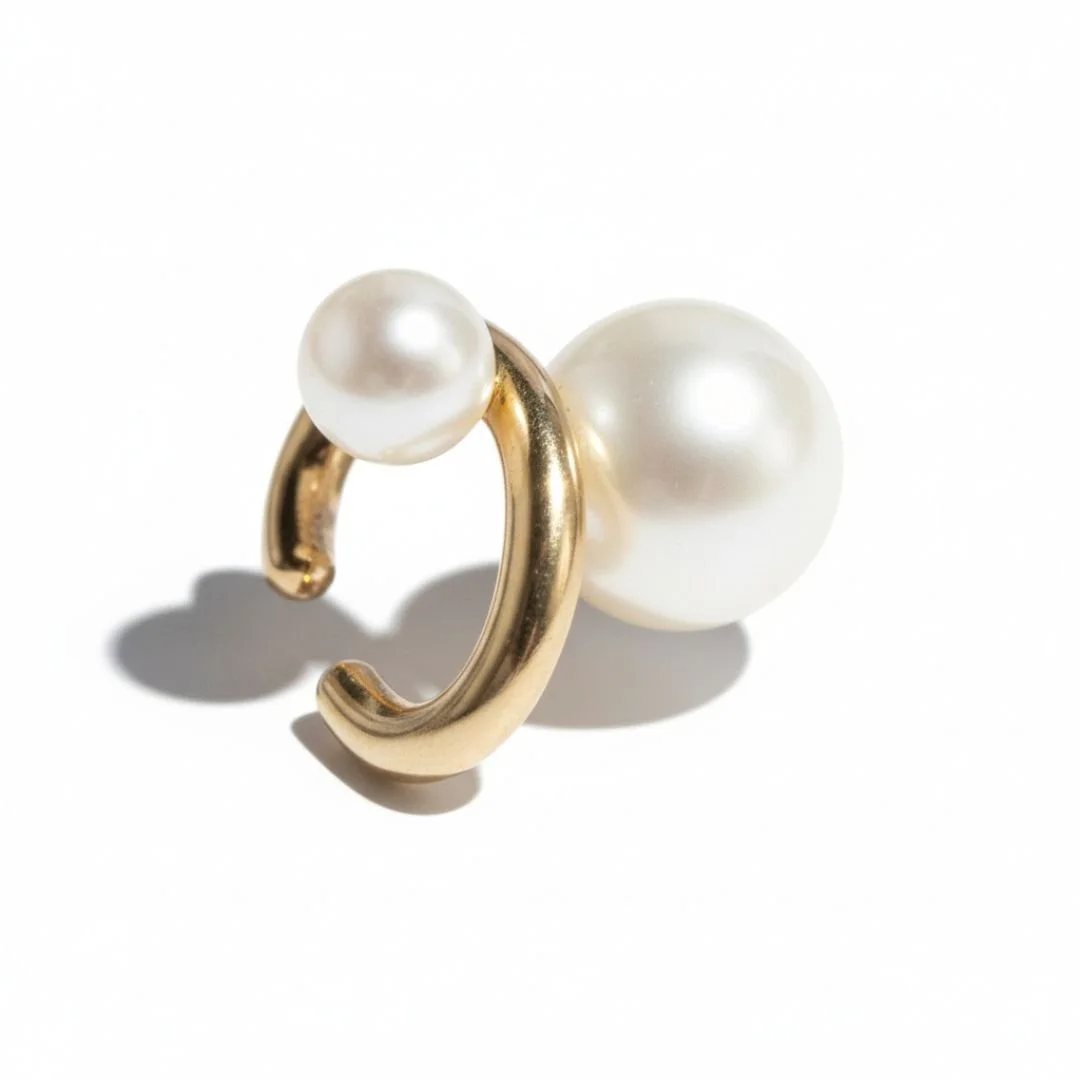
Reclaiming the pearl from its polite, predictable past, this collection transforms nature’s organic treasures into sculptural statements of power and modern rebellion. Each handcrafted piece serves as a wearable masterpiece for the visionary who rejects the ordinary and views jewelry as a bold extension of their unreplicable identity.
Who Do Pearls Flatter?
The secret with pearls isn't the pearl itself — it's the overtone. That subtle secondary color is what makes a pearl look like it was made for you.
Fair & Light
White and cream pearls with rosé overtones create a soft, luminous glow against fair skin. Avoid stark white — it can wash out lighter complexions. Look for pearls with warmth.
Medium & Olive
This skin tone has the widest range — cream, champagne, and golden pearls all work beautifully. The warmth in olive skin brings out a pearl's luster in a way that lighter tones can't match.
Warm & Golden
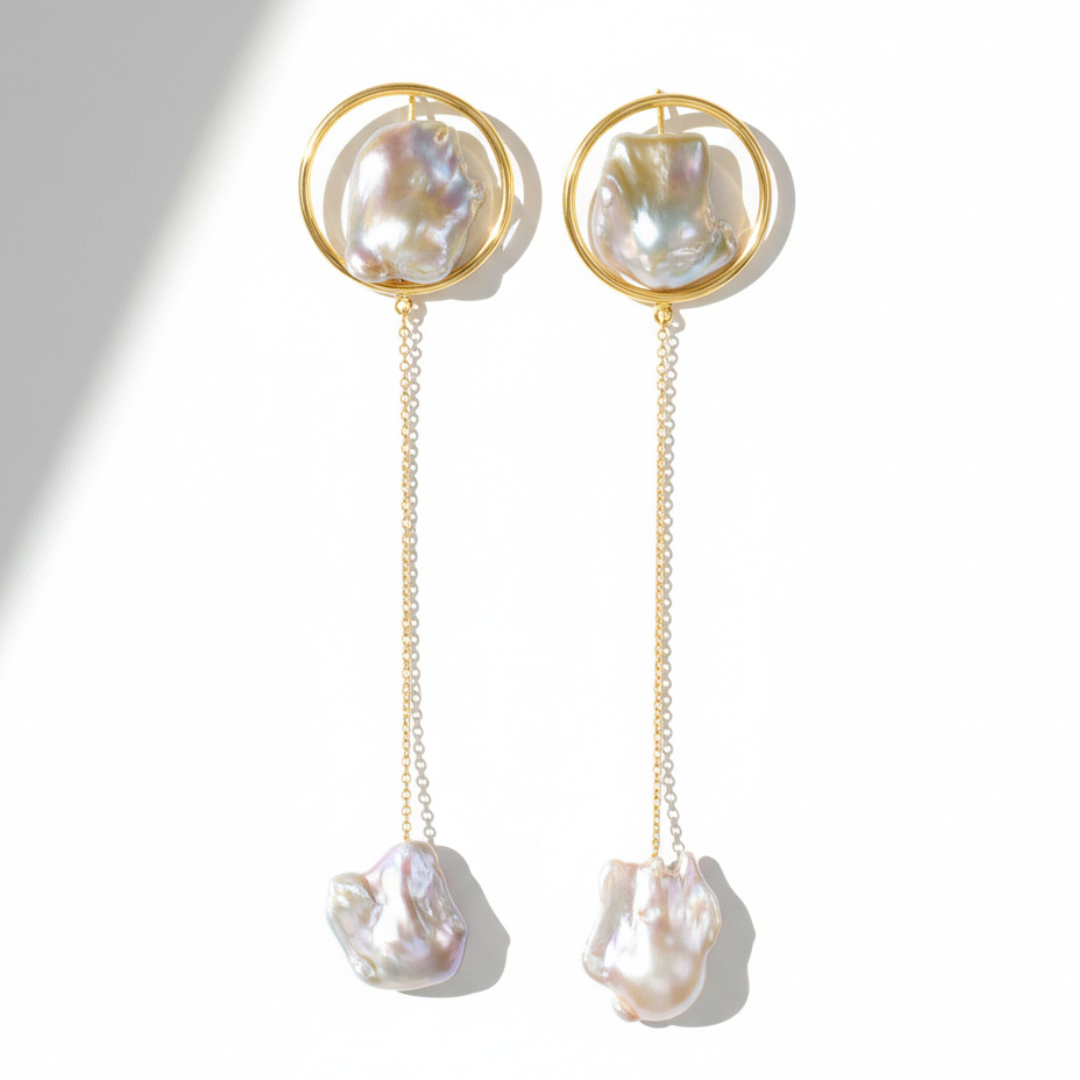
Golden and champagne pearls harmonize naturally with warm undertones. Baroque pearls with irregular shapes are especially striking — the organic forms catch light from multiple angles against warm skin.
Deep & Rich
Pearls are at their most dramatic against deep skin. White pearls create a stunning high-contrast effect, while cream and golden pearls glow with a warmth that photographs beautifully in any light.
When to Give Pearls
Pearls are the original meaningful gemstone — but the way you give them says as much as the pearl itself.
June Birthday
Pearl is June's birthstone. But a one-of-a-kind sculptural pearl piece from a one-woman studio is a different gift than the generic strand from the department store. The story matters as much as the stone.
Anniversary (3rd & 30th Year)
Pearl is the traditional gift for both the 3rd and 30th wedding anniversaries. For the 3rd, a modern pearl piece signals that this isn't your grandmother's marriage — or her jewelry. For the 30th, it's a celebration of something that only gets more beautiful with time.
The Bride Who Wants Pearls — But Not Those Pearls
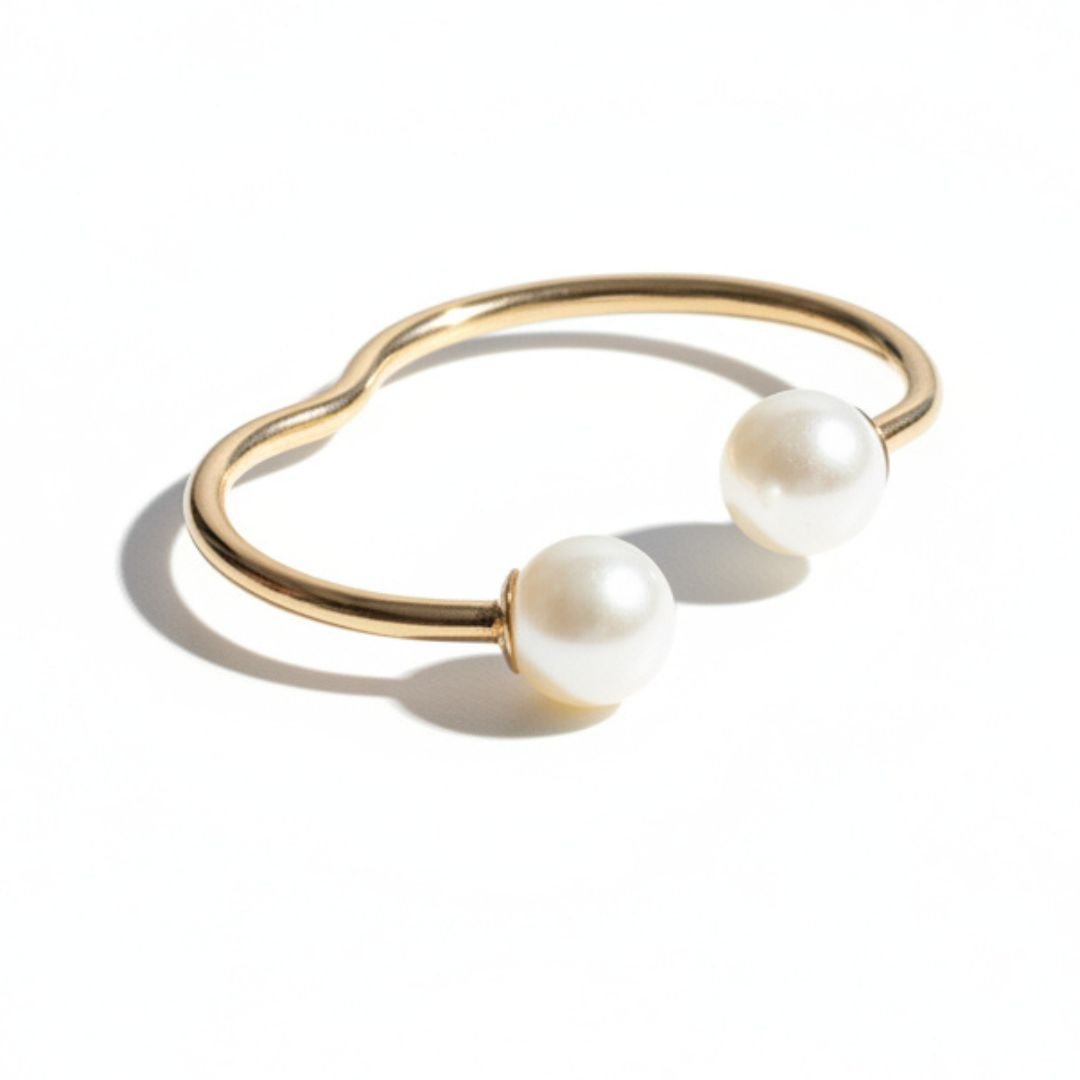
She wants the tradition of pearls without the predictability. Baroque pearls, sculptural settings, mixed with gemstones — that's what Andrea Li's pearl work looks like. Explore wedding jewelry →
Milestone Moment
Graduation, promotion, retirement. Pearls carry weight for marking transitions — but a handcrafted piece turns that moment into something she'll actually want to wear, not just keep in a box.
The "Not Your Grandmother's Pearls" Gift
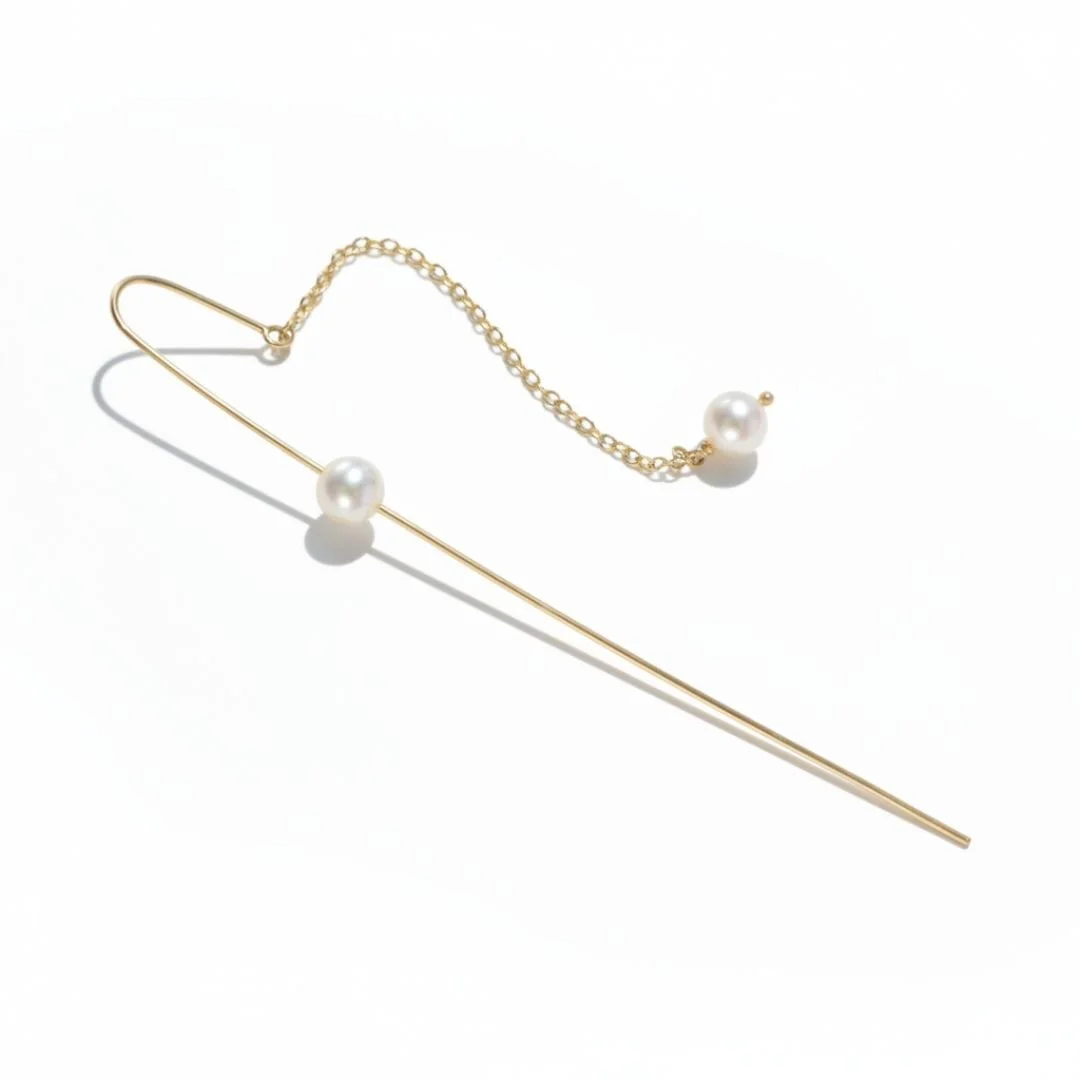
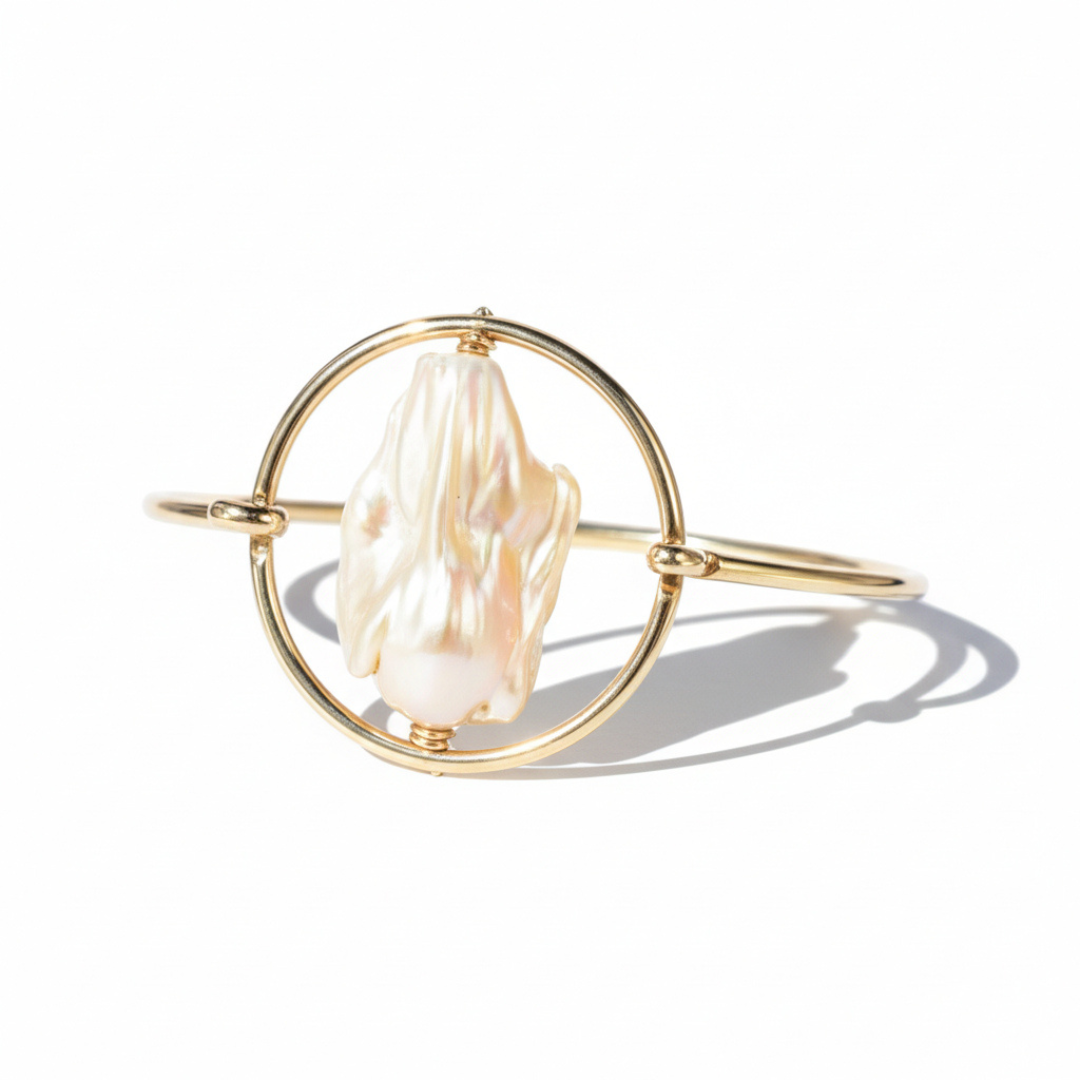
For the person who thinks they don't like pearls because they've only seen the classic strand. A sculptural baroque pearl necklace or asymmetric pearl earrings can change that entirely.
Know Your Pearls
Not all pearls are the same — and the type matters more than most people realize. Here's what Andrea works with and why.
| Property | Freshwater | Akoya | Baroque |
|---|---|---|---|
| Origin | Mussels (lakes & rivers) | Oysters (saltwater, Japan) | Any pearl with irregular shape |
| Shape | Round to near-round | Round (most consistent) | Irregular, organic, unique |
| Luster | Soft, satiny glow | Sharp, mirror-like | Varies — often exceptional |
| Size Range | 2–12mm typical | 6–9mm typical | Any size, often large |
| Price | Most affordable | Premium | Moderate–high (size dependent) |
| Best For | Everyday wear, accessible luxury | Fine jewelry, heirloom pieces | Statement pieces, sculptural design |
| In Andrea's Work | Most collections — keeps pieces accessible | Aglow collection (paired with solid 14k gold) | Statement necklaces & earrings |
Andrea primarily uses freshwater pearls to keep her one-of-a-kind pieces accessible. Her Aglow collection pairs Akoya saltwater pearls with solid 14k gold for fine jewelry that matches the pearl's premium quality to the metal.
How to Wear Pearls (The Andrea Li Way)
Forget everything you think you know about wearing pearls. These aren't your grandmother's rules.
Pearls + Gemstones
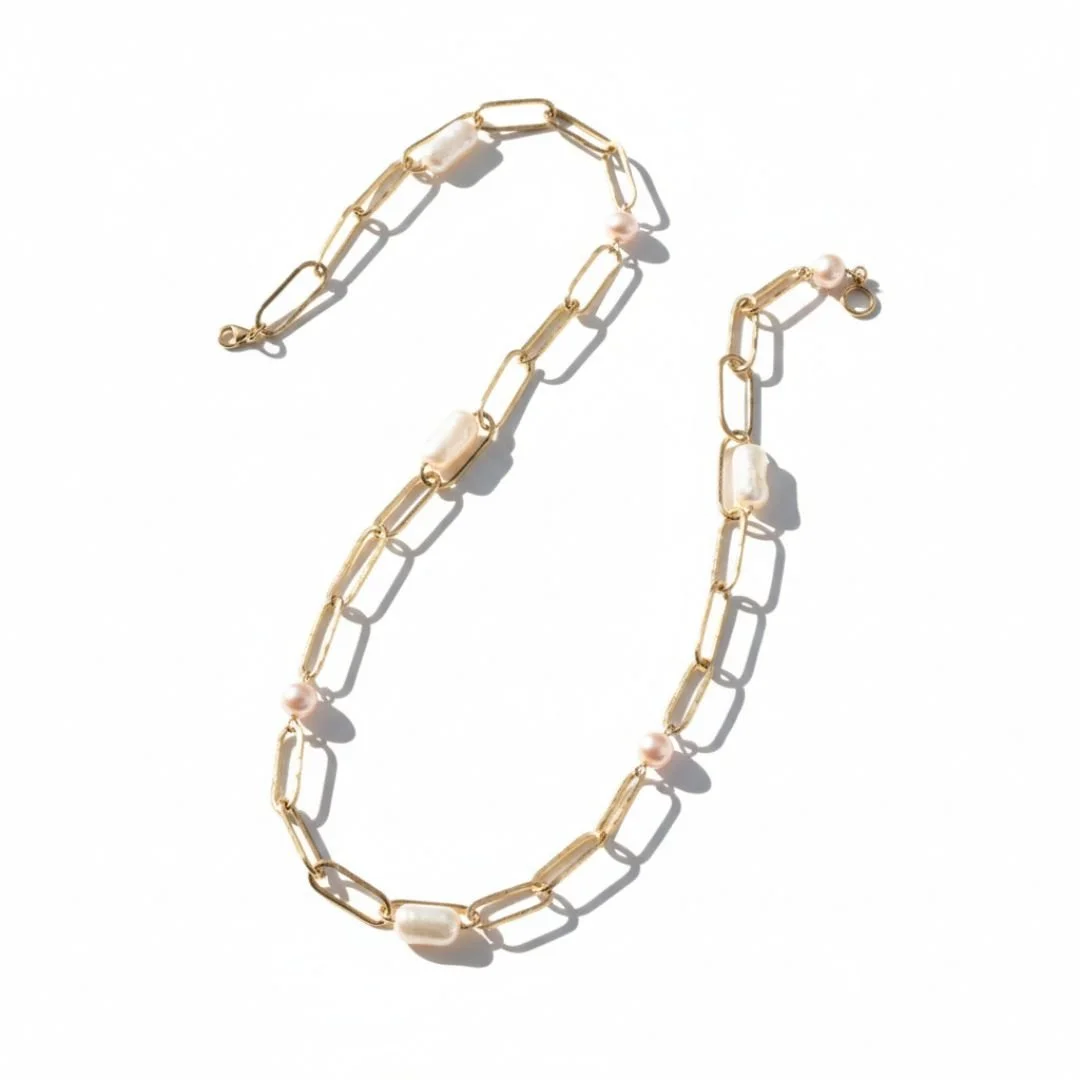
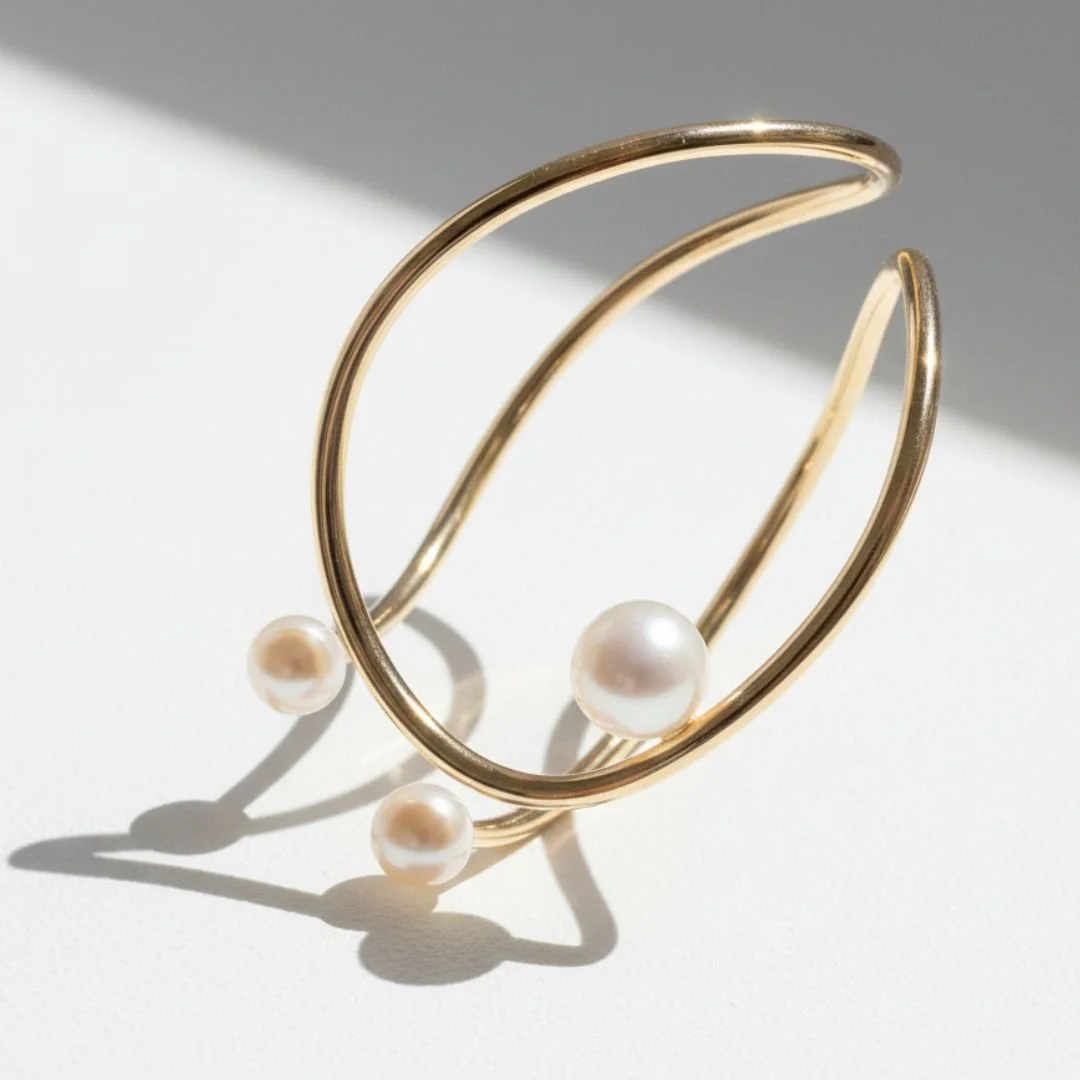
Andrea Li's signature move: pearls mixed with colored gemstones in the same piece. Aquamarine and pearl, labradorite and pearl, green amethyst and pearl — the combination elevates both.
Best with: Let the piece do the workSculptural Solo
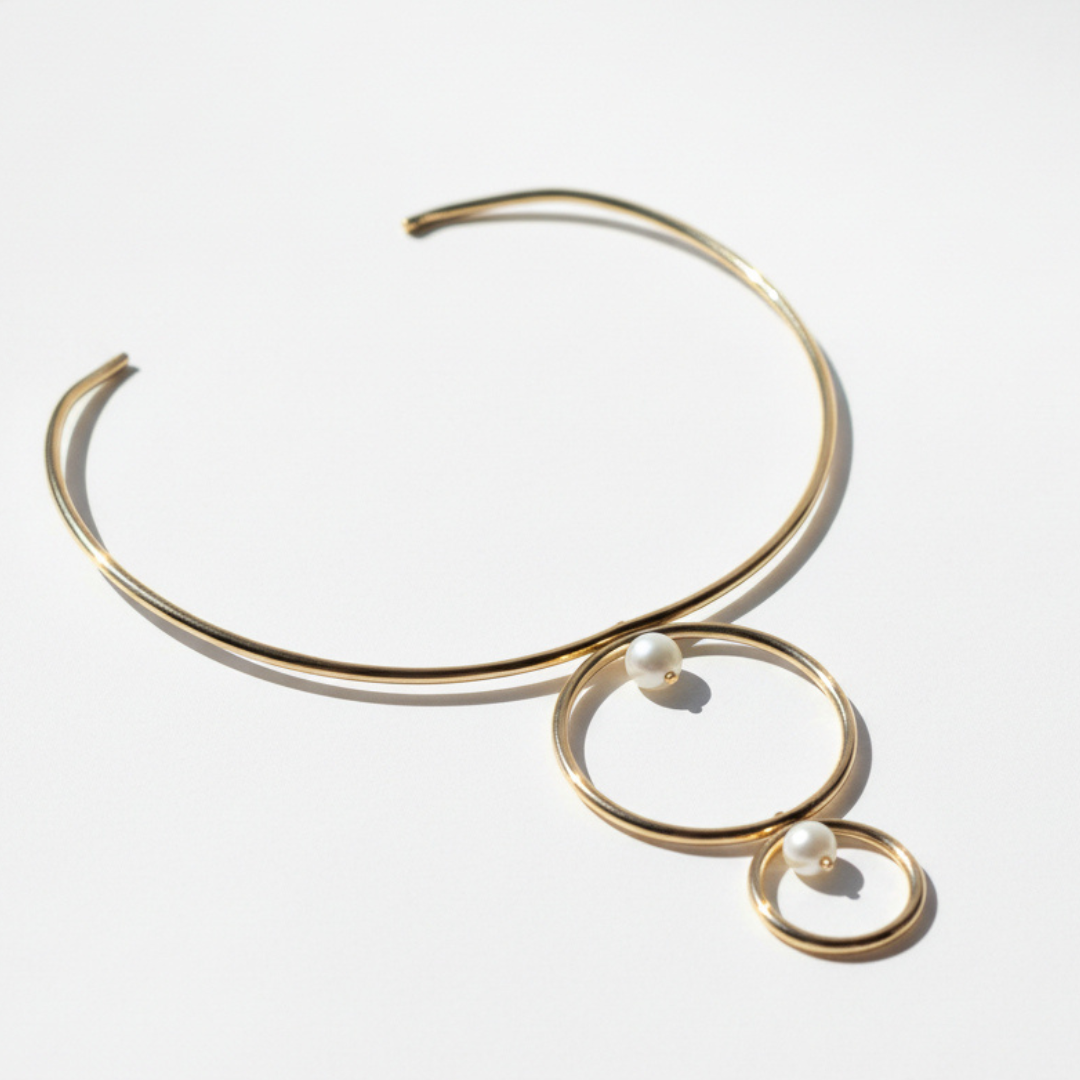
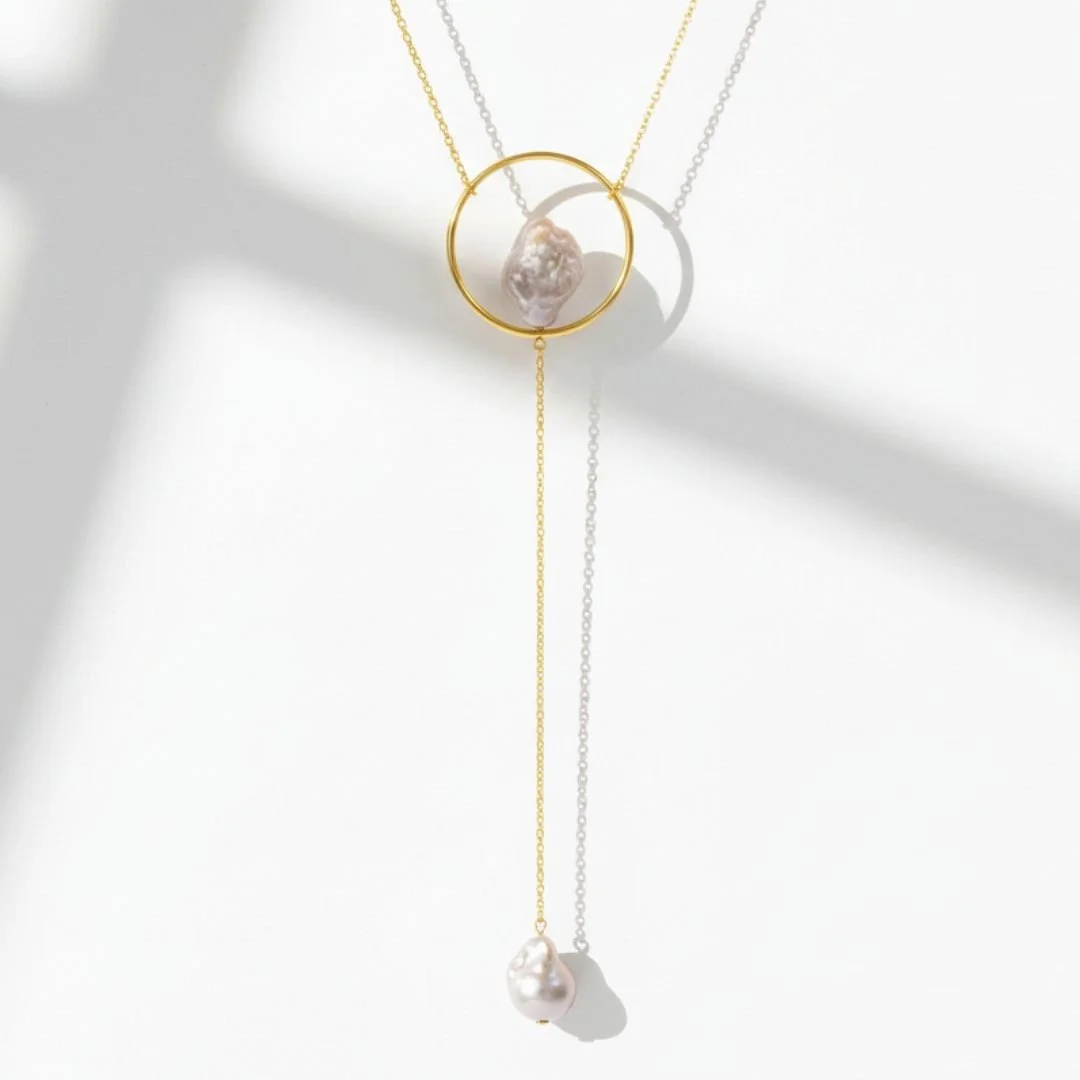
One baroque pearl necklace with architectural metalwork. No layering needed. The irregular pearl shape and the handcrafted setting create enough visual interest to carry any outfit on their own.
Best with: V-neck, off-shoulder, open collarCasual Power
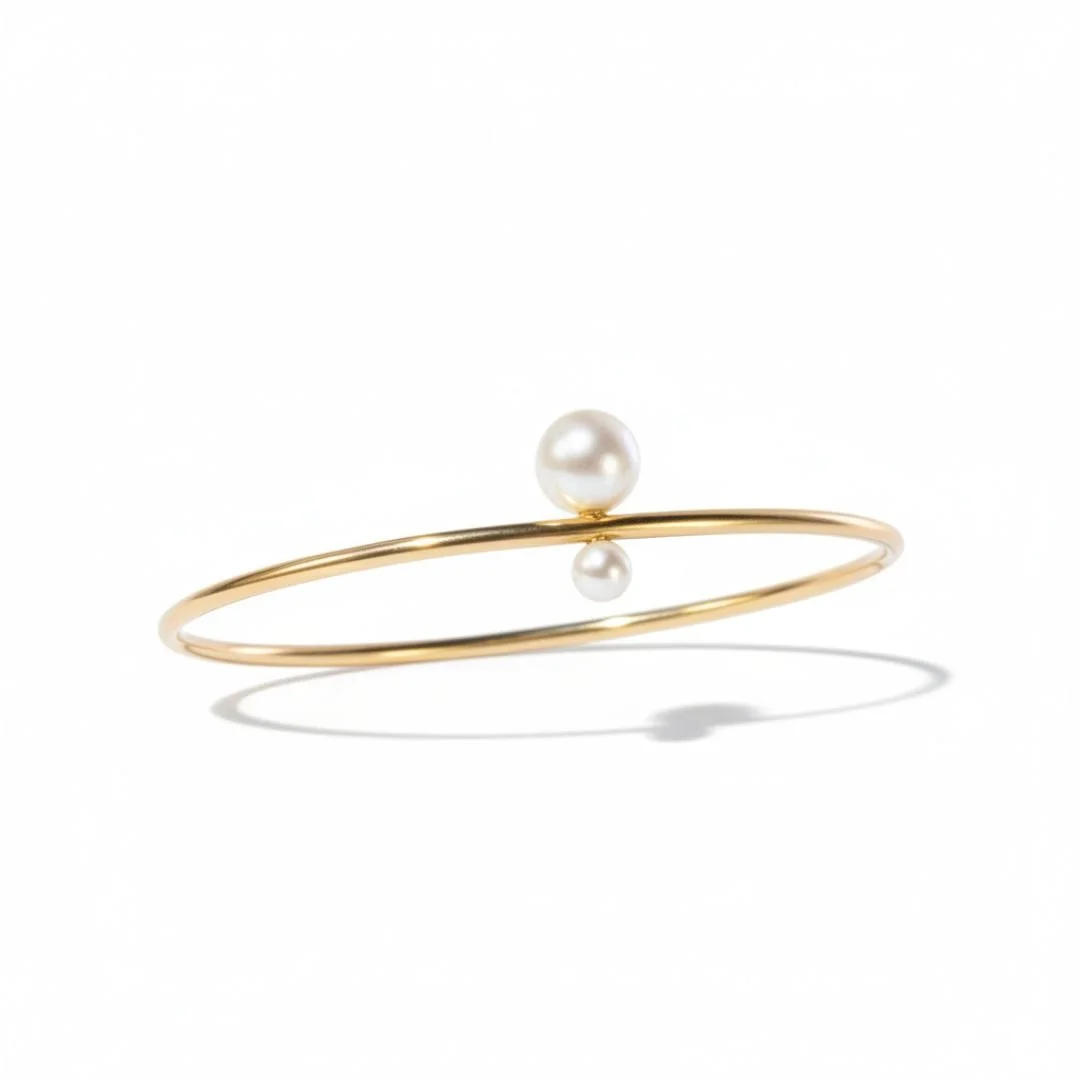
Pearl earrings with a white t-shirt and jeans. That's it. The contrast between casual clothing and a handcrafted pearl piece is what makes people look twice. Pearls don't need an occasion.
Best with: Denim, basics, minimal makeupAll Black + Pearls
Black creates the ultimate backdrop for pearl luster. The pearl's overtone — rosé, cream, golden — becomes the only color in the frame. Simple, devastating, timeless.
Best with: LBD, turtleneck, blazer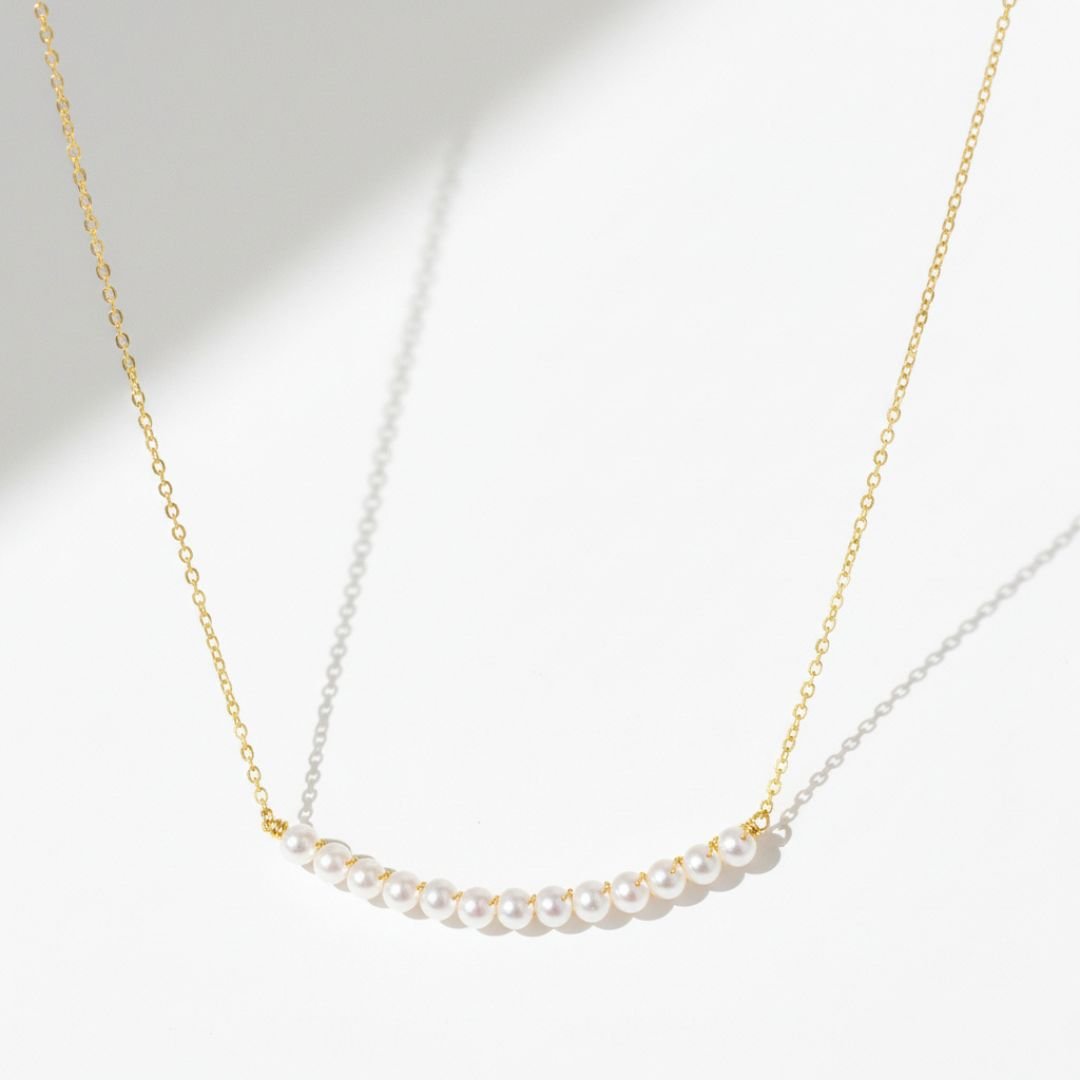
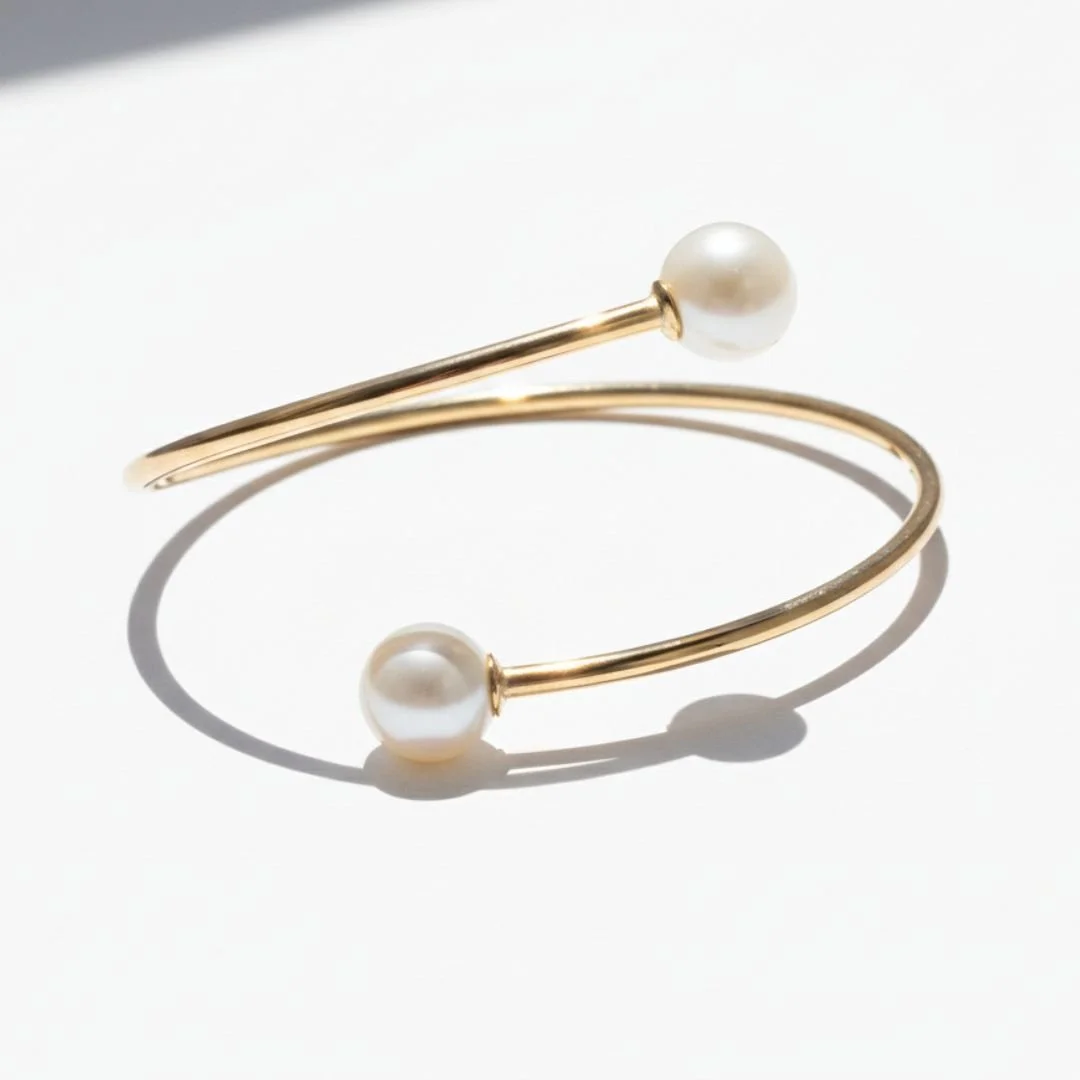
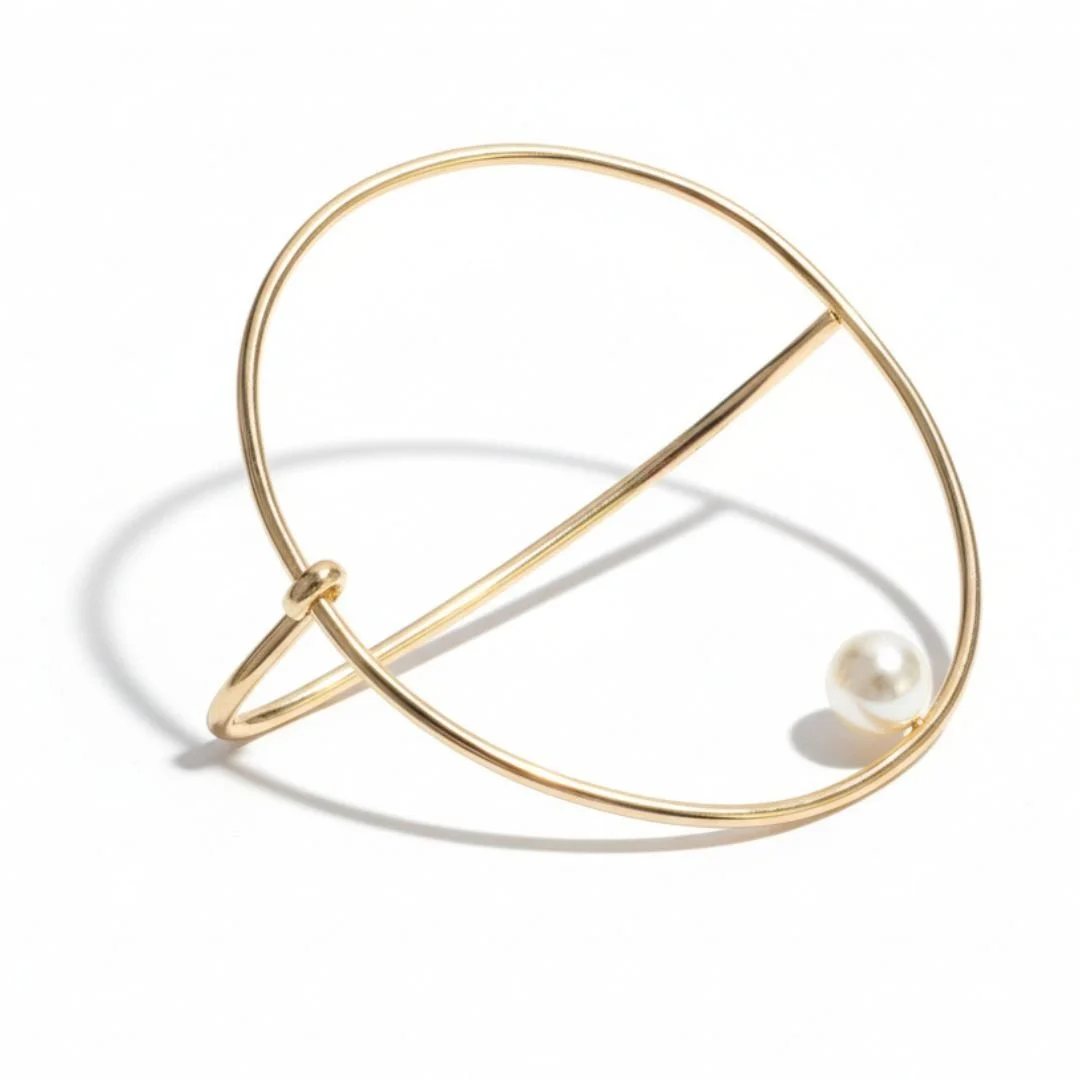
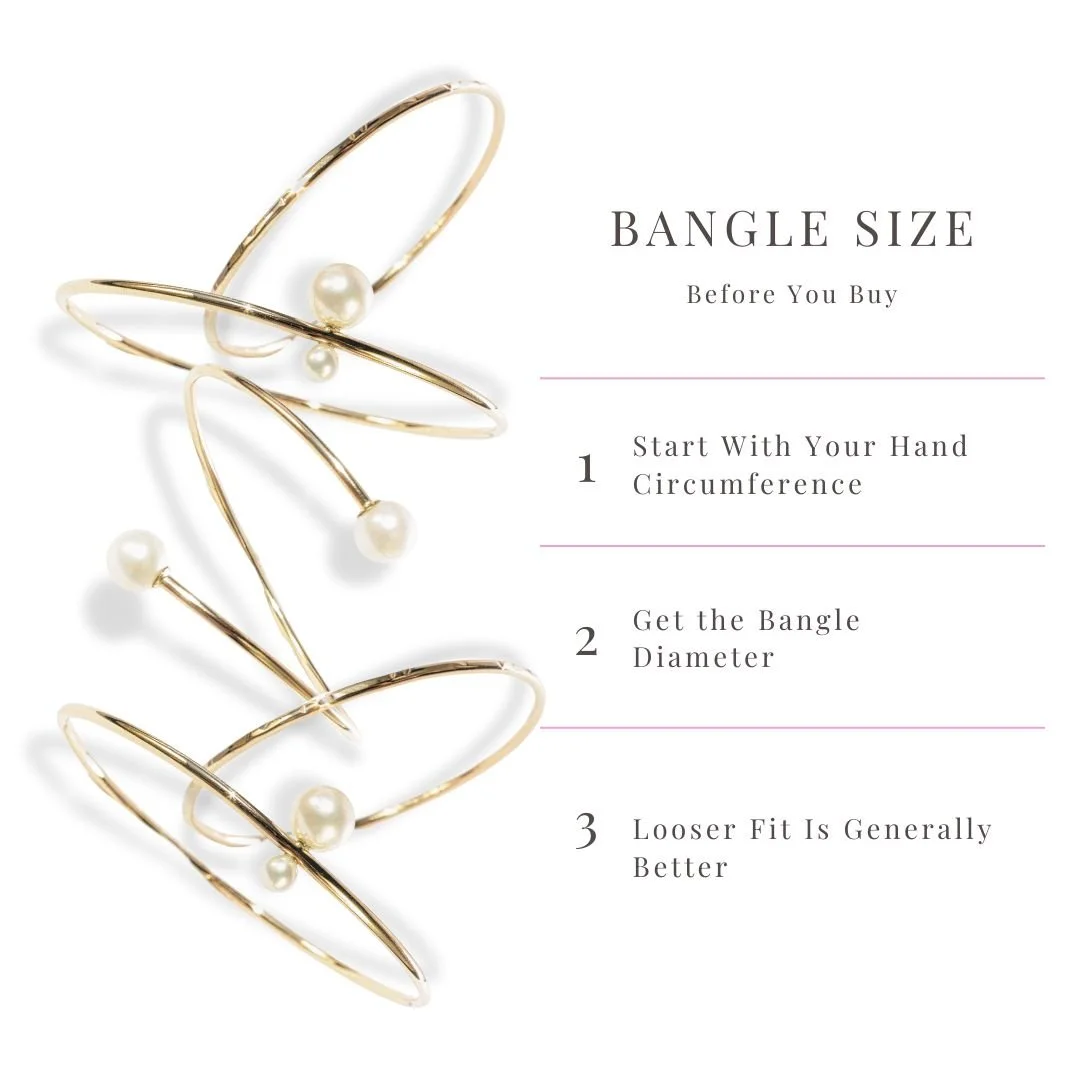
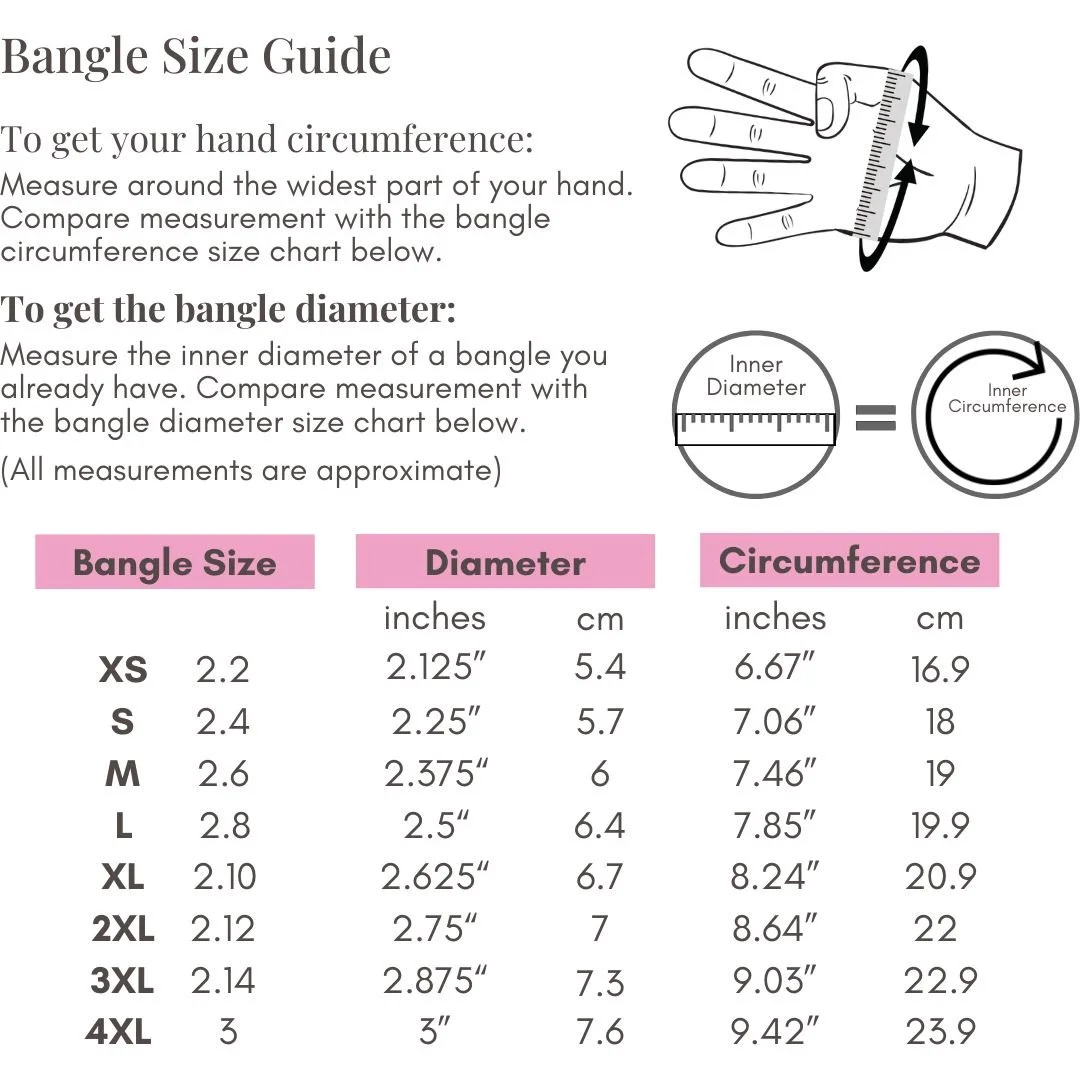
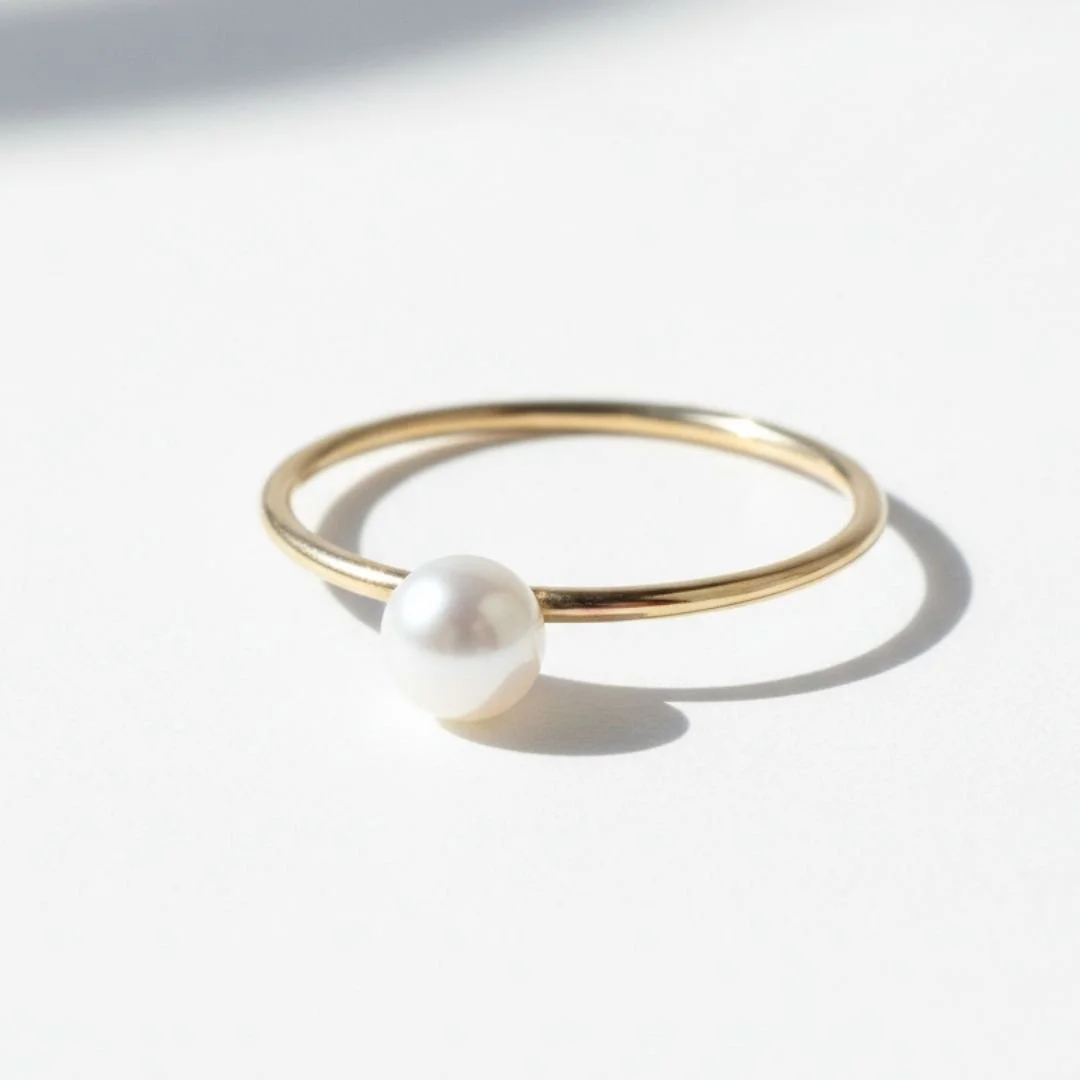
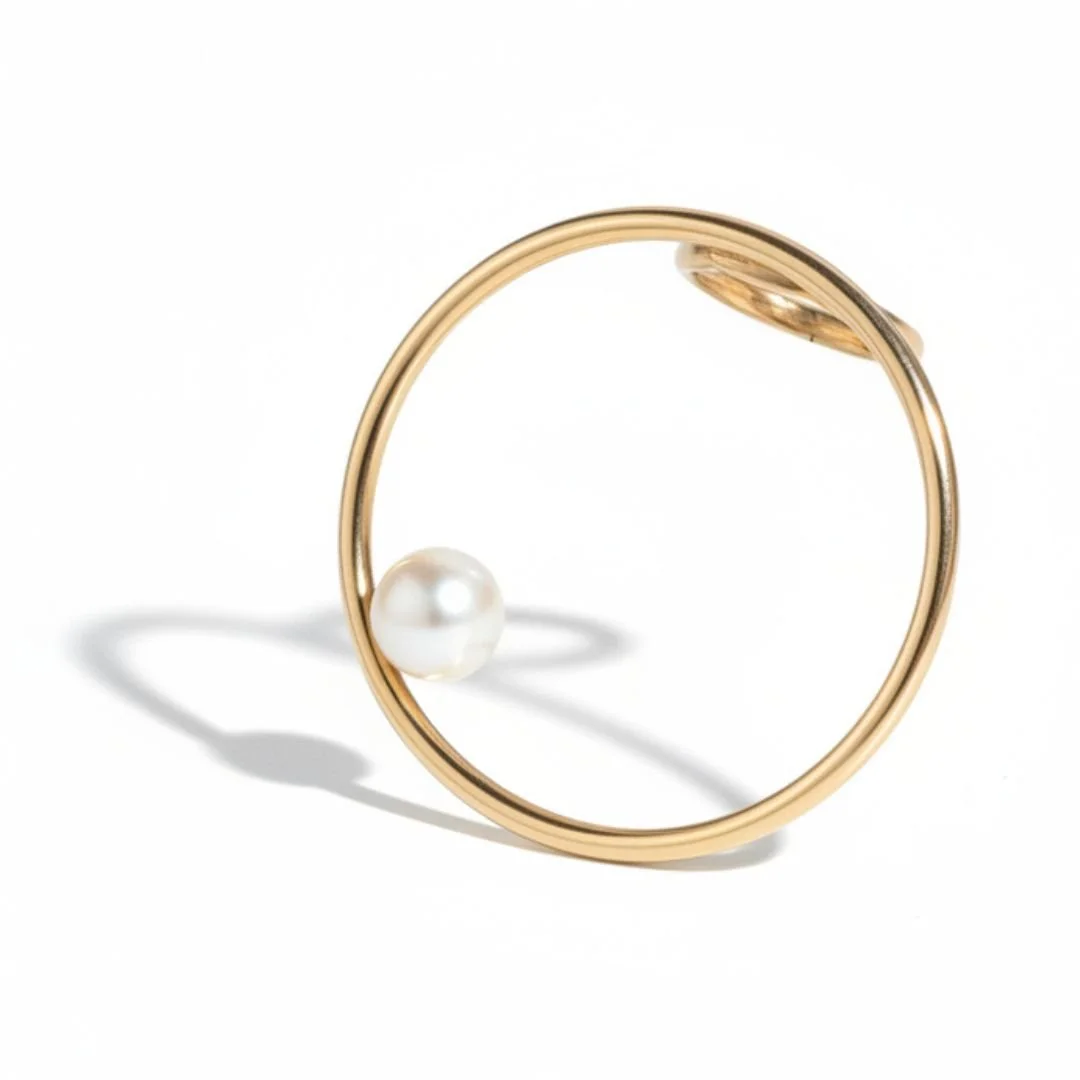
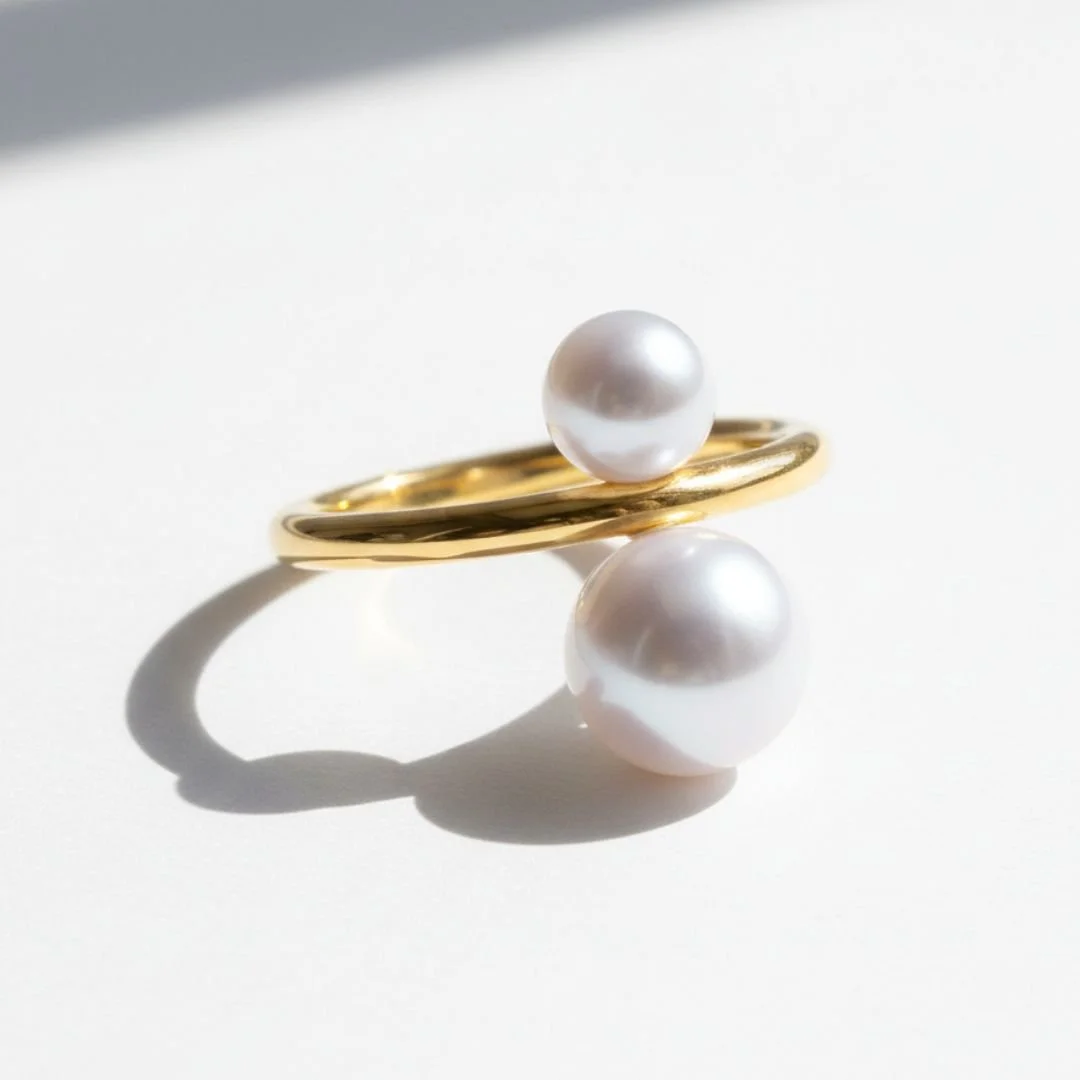
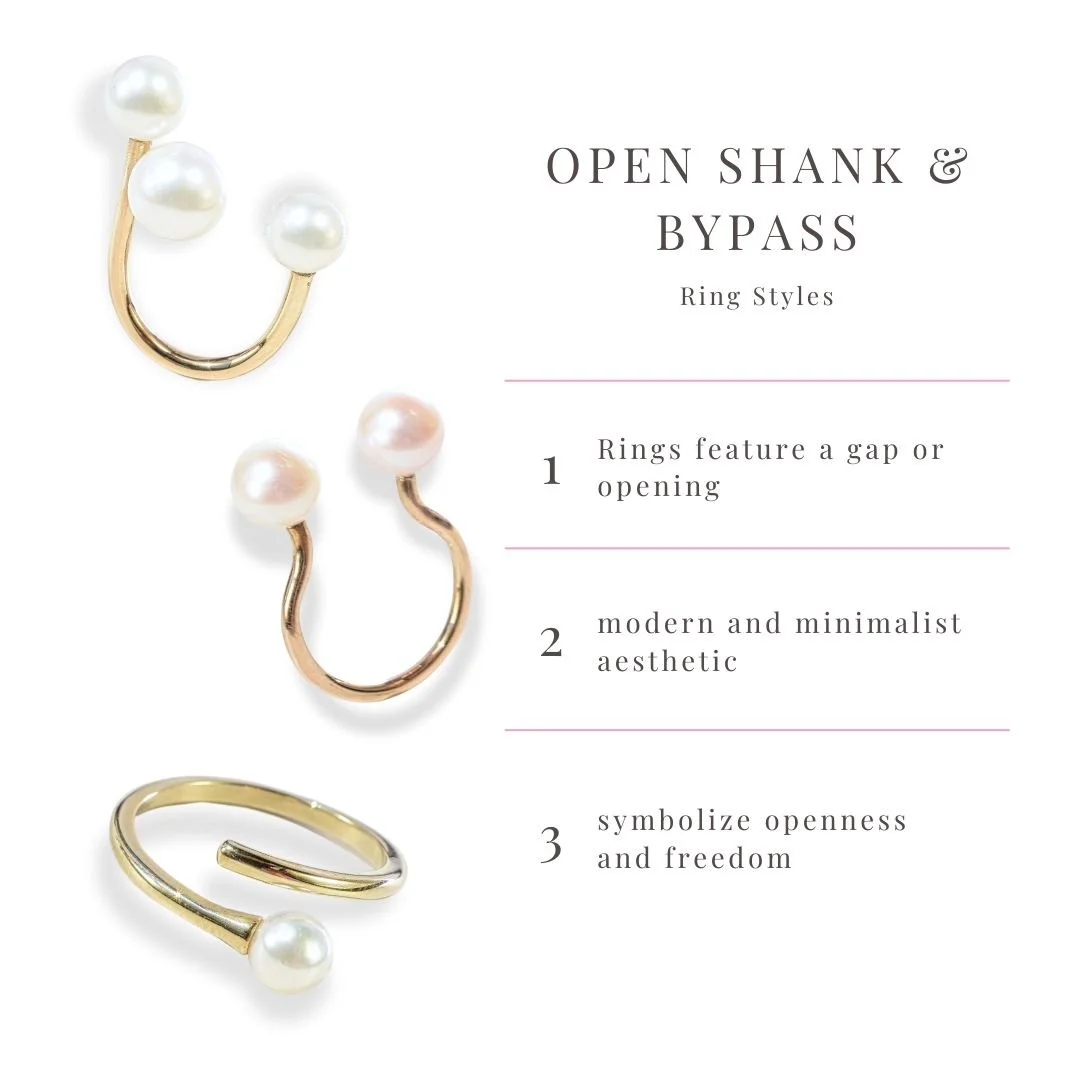

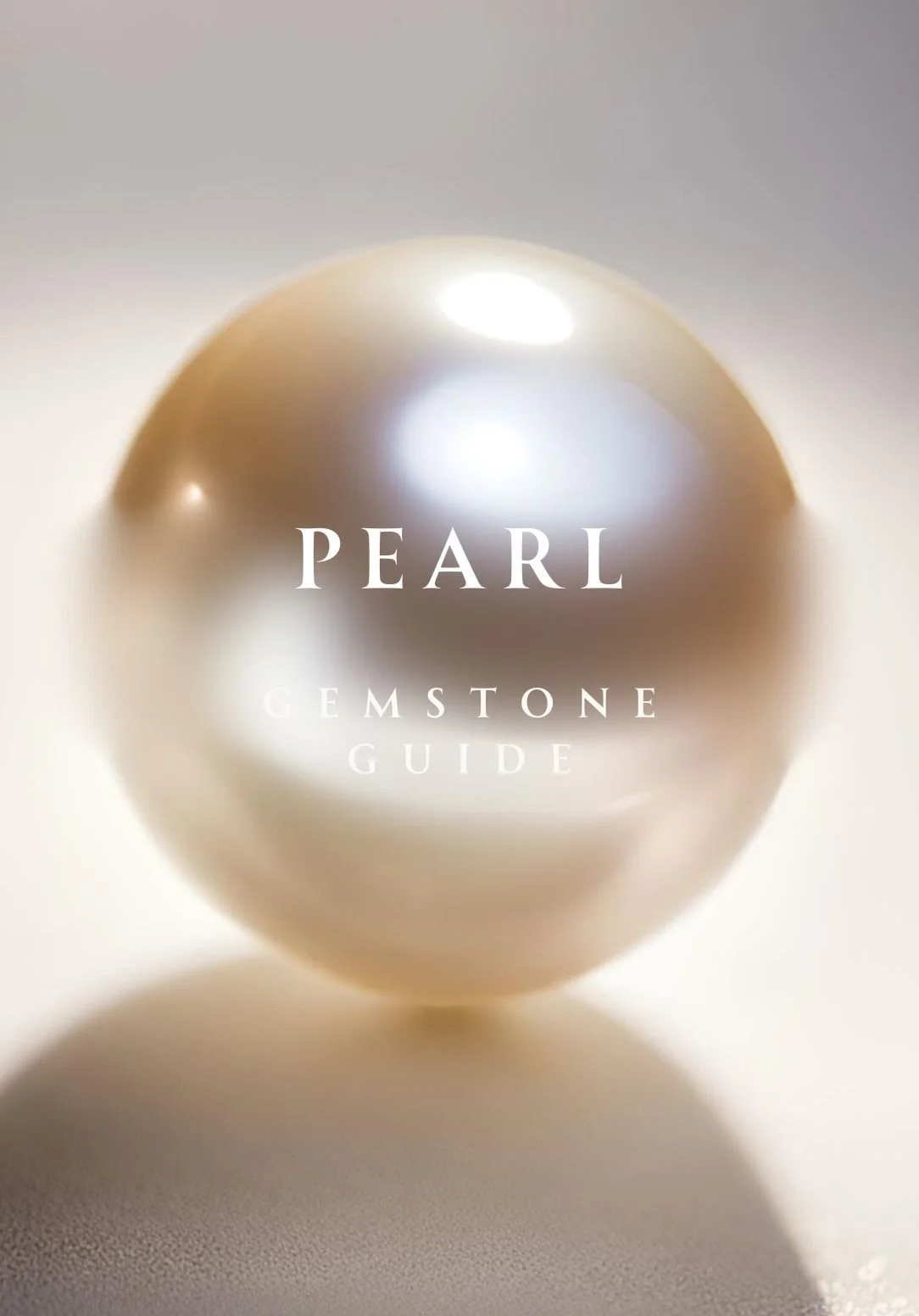
Pearl Gemstone Guide
Pearls are the only gemstones created by living organisms, built layer by layer with iridescent nacre that gives each one its signature luminous glow. No two are exactly alike, making every pearl piece nature's original wearable art.
Inside this guide:
How pearls actually form (saltwater vs. freshwater)
Natural color variations and what creates them
Cultural meaning and historical significance
Modern styling tips
Care essentials to protect your investment
Whether you're choosing your first pearl piece or expanding your collection, this guide gives you the knowledge to select and wear pearl jewelry with confidence.

-
Pearls are timeless treasures, formed naturally by mollusks such as pearl oysters and freshwater mussels. When an irritant, like a grain of sand, enters the mollusk, the creature coats it with layers of nacre—a radiant substance that gives pearls their unmistakable glow.
Over time, this process transforms the irritant into a stunning pearl, creating the natural beauty we see in real pearl jewelry today.
Whether you prefer the modern elegance of contemporary pearl jewelry or the classic appeal of traditional pieces, each pearl tells a story of nature's craftsmanship.
-
Pearls come in a range of types, each offering something unique.
Natural pearls, which form without human intervention, are known to be extinct. Any specimens found would be considered incredibly valuable and rare.
Cultured pearls, on the other hand, are grown with the help of humans but follow the same natural process.
Freshwater pearls, known for their affordability and variety, offer a beautiful and versatile option.
Saltwater pearls—like Akoya, South Sea, and Tahitian pearls—are admired for their luxurious quality.
Whether you lean toward dainty pearl jewelry or the bold statement of baroque pearl jewelry, there’s a type of pearl that will perfectly match your personal style.
-
To keep your pearl jewelry looking its best, it’s important to care for it properly.
Avoid exposing your pearls to harsh chemicals found in perfumes or cosmetics.
Use a soft cloth and wipe them gently to remove oils and dirt after wearing your pearl necklace or pearl ring.
Place your pearl jewelry separately from other pieces to prevent scratches when it comes to storage.
To clean your pearl jewelry, a simple damp cloth, and mild water solution will help maintain their natural luster.
-
Real pearls have a distinct luster and often carry small imperfections that make each one unique.
A quick test to check authenticity is to rub the pearl gently against your tooth. A real pearl will feel slightly gritty, while imitation pearls glide smoothly.
Whether you’re admiring a pearl gold jewelry ring or a choker necklace, knowing you’re wearing genuine pearls adds a sense of specialness to each piece.
-
Absolutely. Cultured pearls are very much real, with one small difference—the formation process is initiated by humans.
Once an irritant is introduced to the mollusk, the natural process of nacre production begins, just as it does with natural pearls.
Whether it’s Akoya pearl jewelry or freshwater pearls, these cultured gems share the same beauty, charm, and elegance as naturally occurring pearls.
-
Freshwater pearls are generally more affordable because freshwater mussels can produce several pearls simultaneously and take less time to develop. They are also farmed in more accessible bodies of water, such as lakes and rivers.
In contrast, saltwater oysters—such as those that produce Akoya or South Sea pearls—typically create only one pearl at a time, making them rarer and more expensive. These pearls are farmed in ocean estuaries and are subject to much harsher and unpredictable environments.
For those seeking unique pearl jewelry that is both stunning and budget-friendly, freshwater pearls are an excellent option.
-
Yes, pearls can be worn daily with a little extra care. These delicate gems are best protected by avoiding exposure to harsh chemicals or extreme environments.
If you wear a pearl necklace daily, consider taking it to a professional jeweler to have it restrung once a year.
Pearls can easily be incorporated into your daily signature looks, both formal and casual. Whether you’re donning gold and pearl jewelry for a wedding or a pearl necklace for a casual evening, pearls always add a touch of timeless elegance.
-
Freshwater Pearls: Generally take about 6-18 months to develop.
The top factors contributing to their growth process are -
Growth Environment: Freshwater pearls are cultivated in mussels living in lakes and rivers.
Nucleation Process: Freshwater pearls are nucleated by implanting a small piece of mantle tissue into the mussel without an additional irritant. This allows the mussel to begin secreting nacre immediately, forming a pearl sac.
Nacre Production: Freshwater pearl nacre layers are typically less dense, allowing for faster accumulation.
Production Capacity: A single freshwater mussel can produce up to 25 or more pearls at once.
Saltwater Pearls: Take 3-5 years or even longer to reach maturity.
The top factors contributing to their growth process are -
Growth Environment: Saltwater pearls are produced by oysters in ocean estuaries.
Nucleation Process: Saltwater pearls are implanted with a piece of mantle tissue and an irritant (usually a bead) into the oyster. The oyster must first coat the bead with nacre before forming a pearl sac, which takes longer.
Nacre Production: Saltwater pearl nacre layers are denser and take longer to form, resulting in a higher luster but slower growth.
Production Capacity: Saltwater oysters typically produce only 1-3 pearls at a time.