Wedding Jewelry Gemstones For PhotographyWhich stones hold color and presence on camera, and why it matters for your day
Gemstones That Photograph Well at Weddings
Wedding photography captures moments you'll revisit for decades.
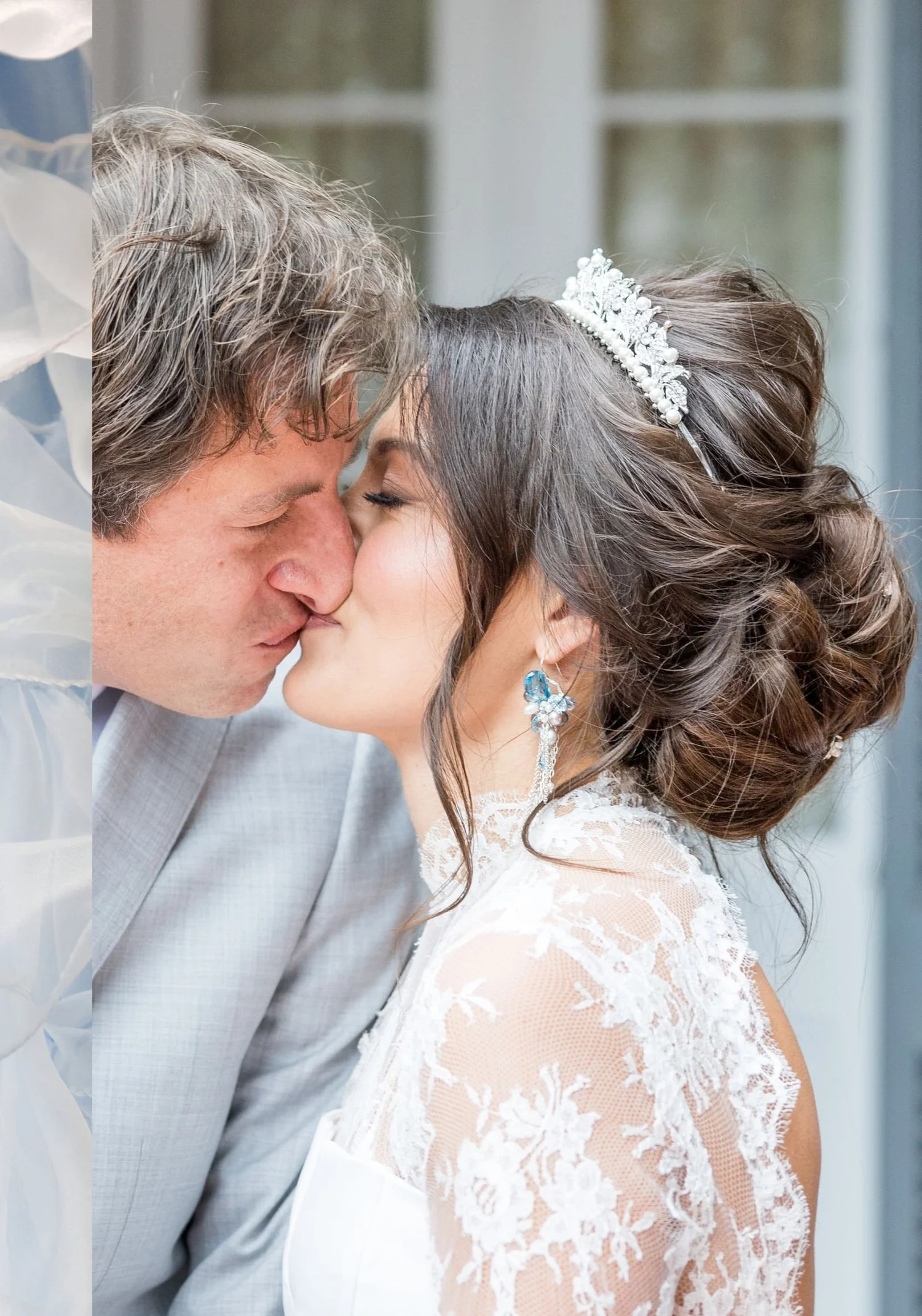
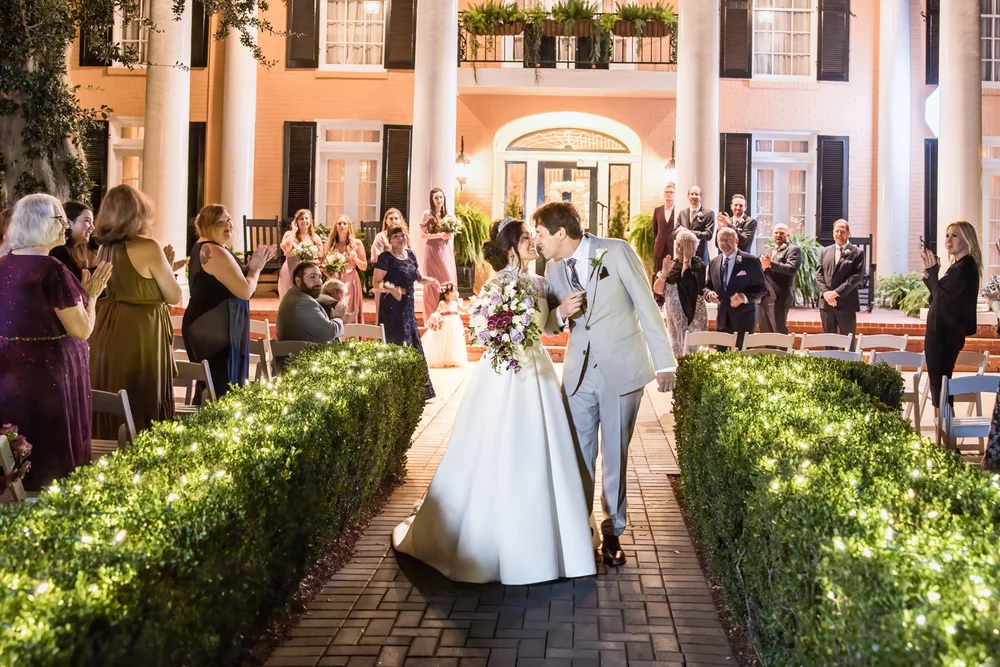
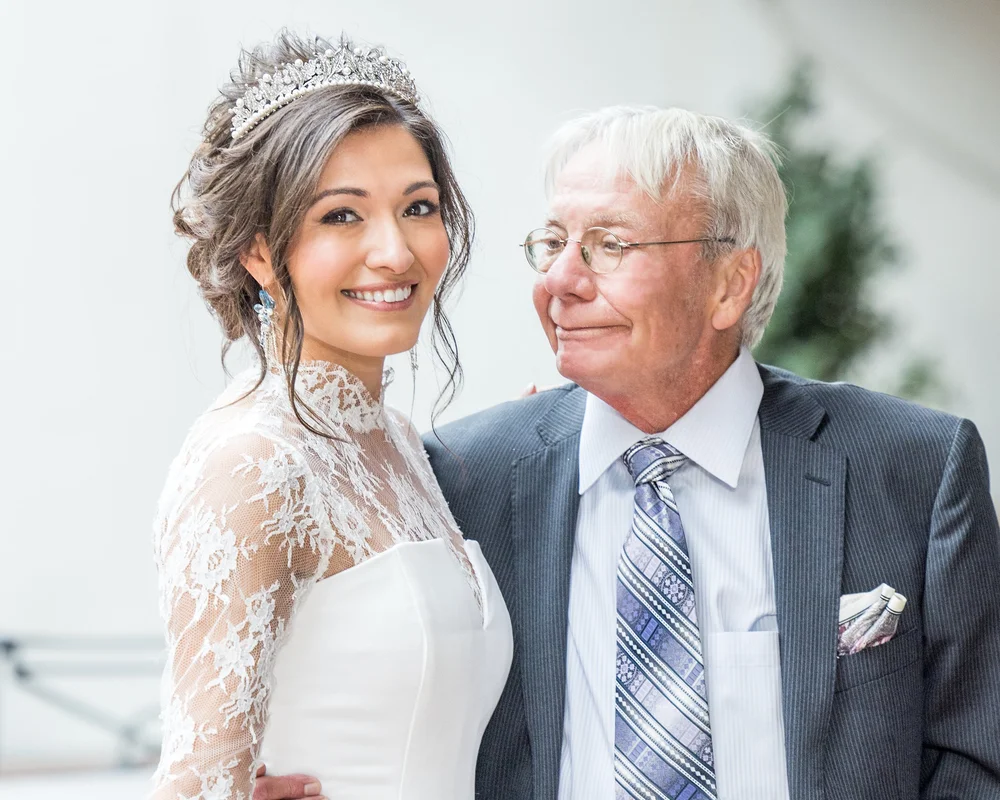
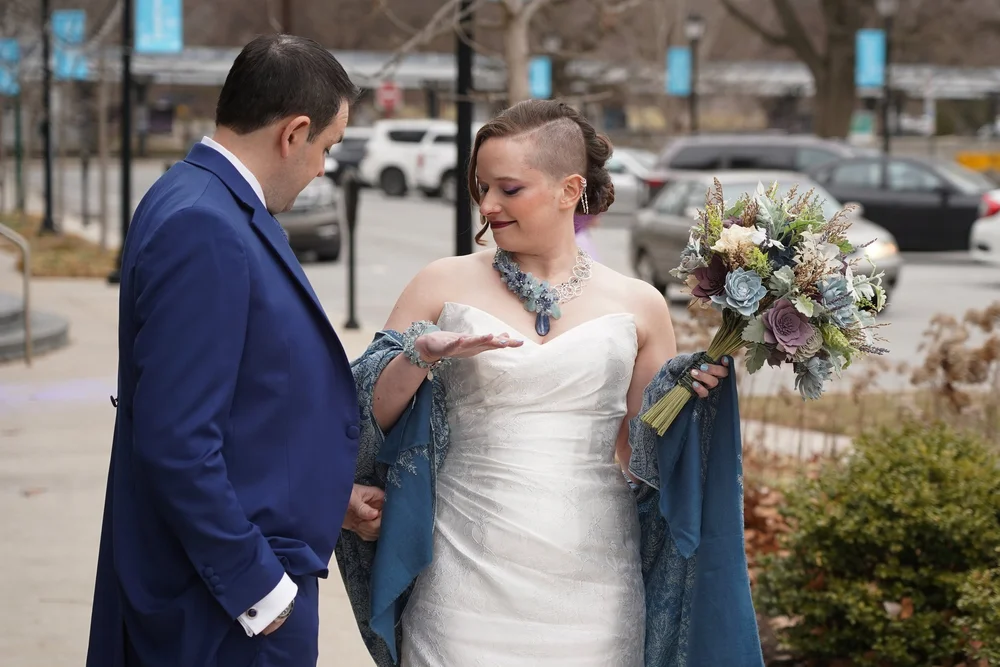
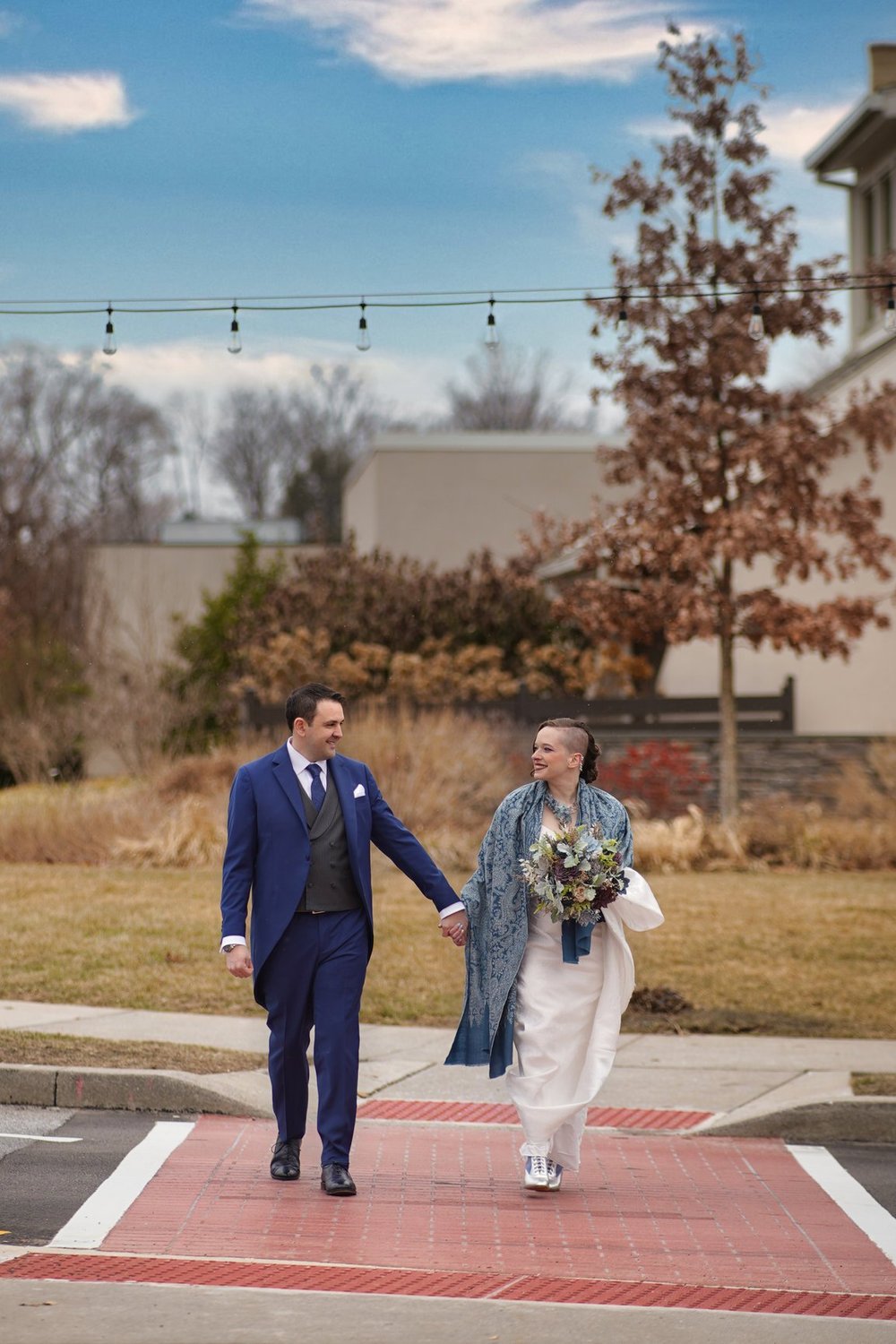
The jewelry you wear becomes part of those images, and not every gemstone behaves the same way on camera. Some stones that look stunning in person read flat in photographs. Others come alive under specific lighting conditions, holding their color and depth whether the photographer is working in golden hour, harsh midday sun, indoor reception lighting, or flash.
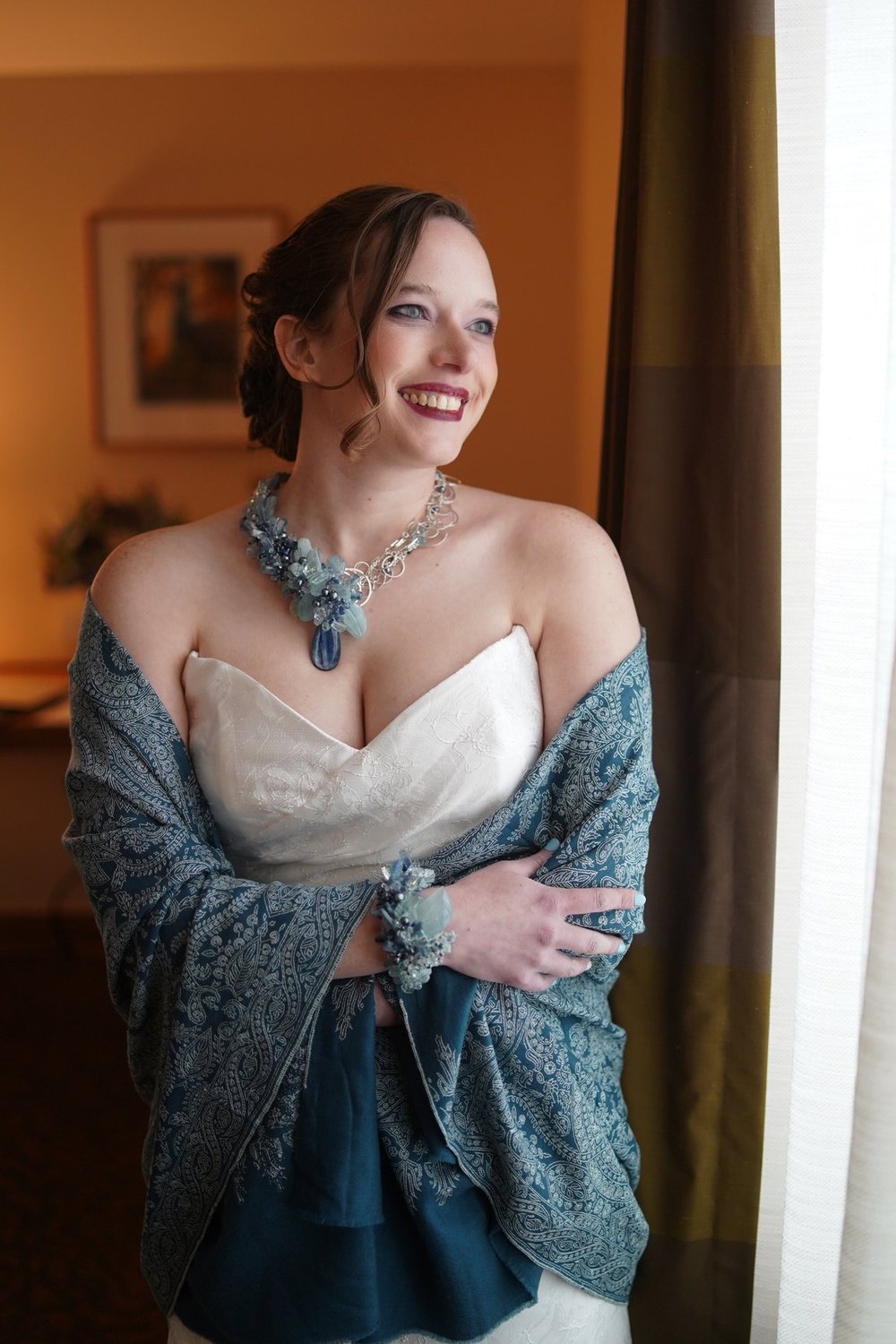
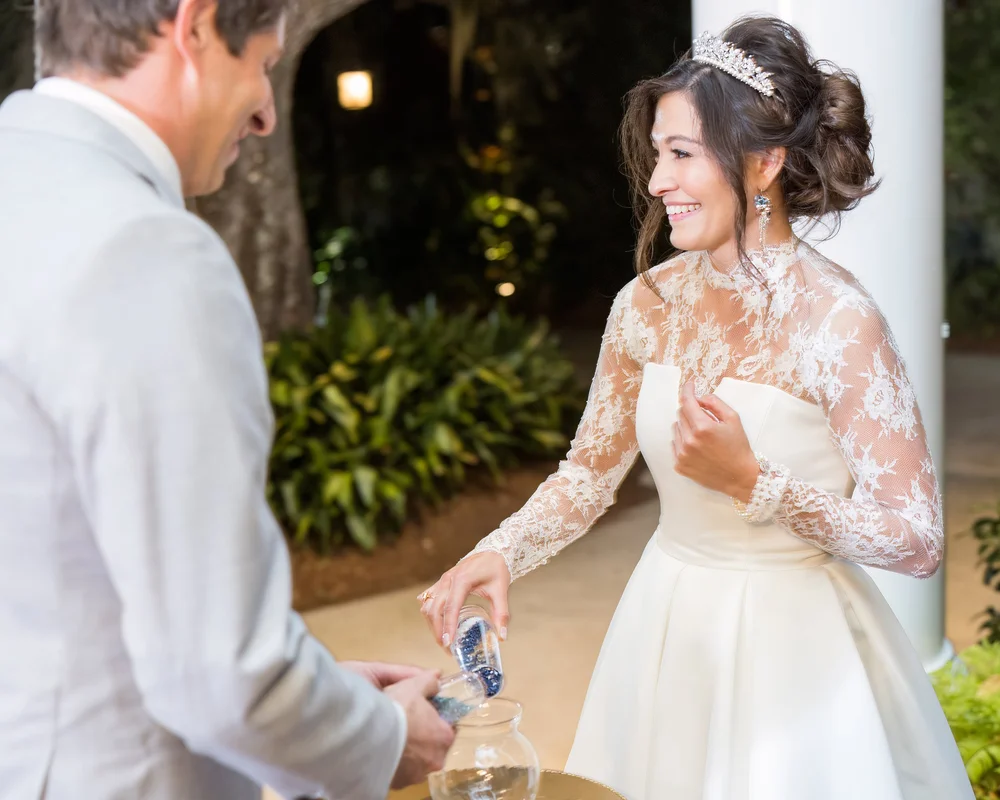
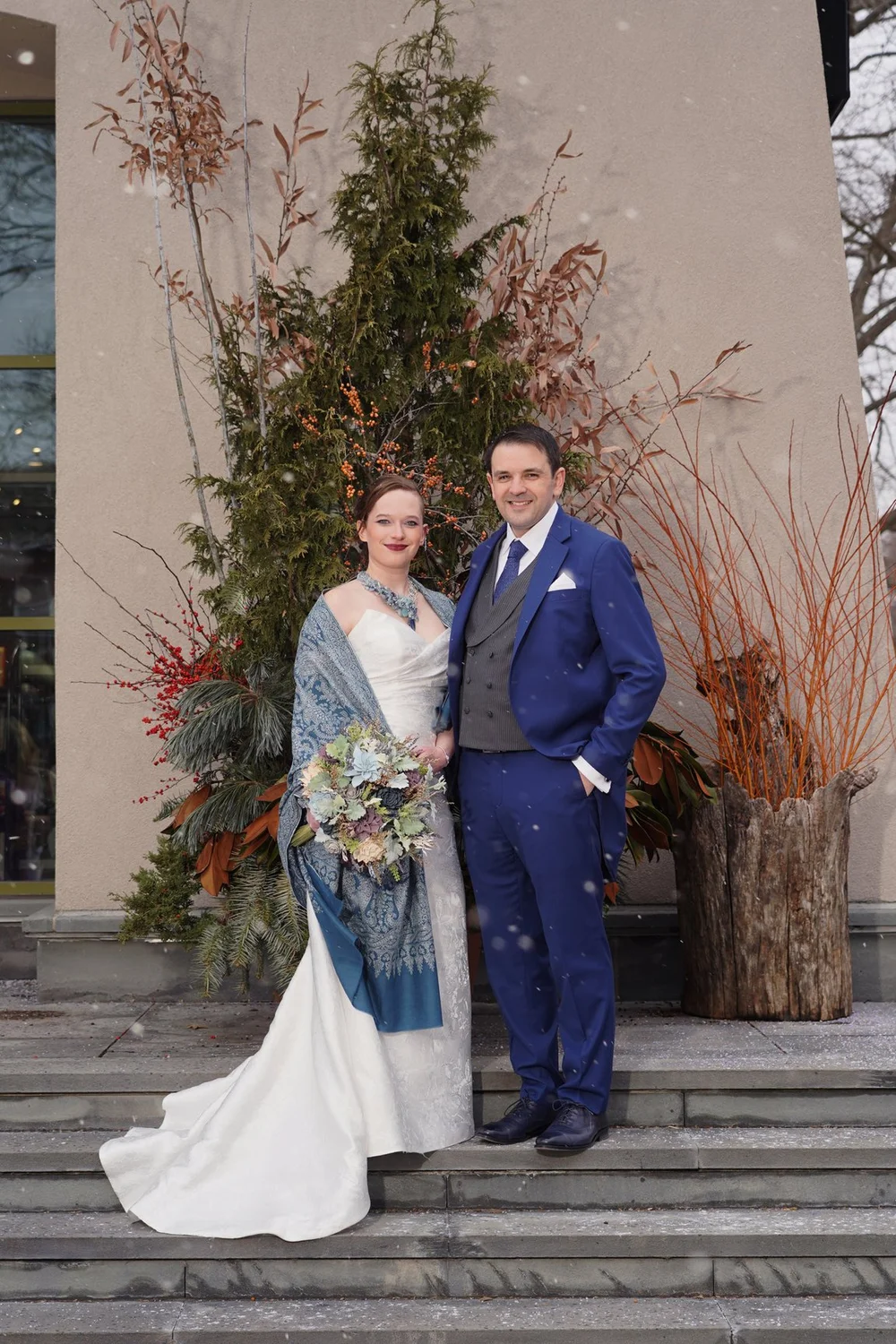
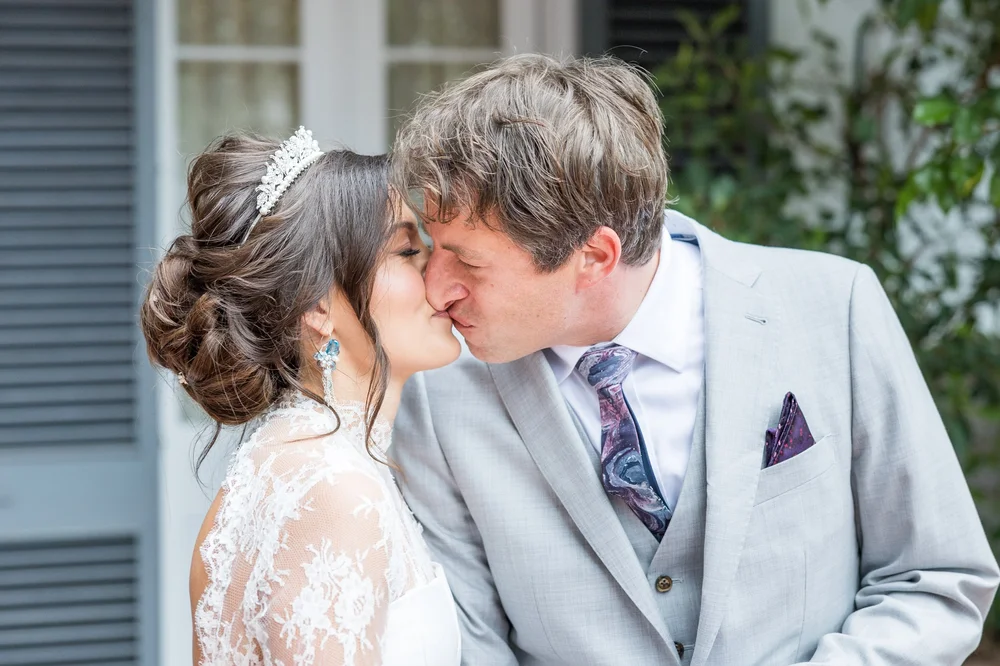
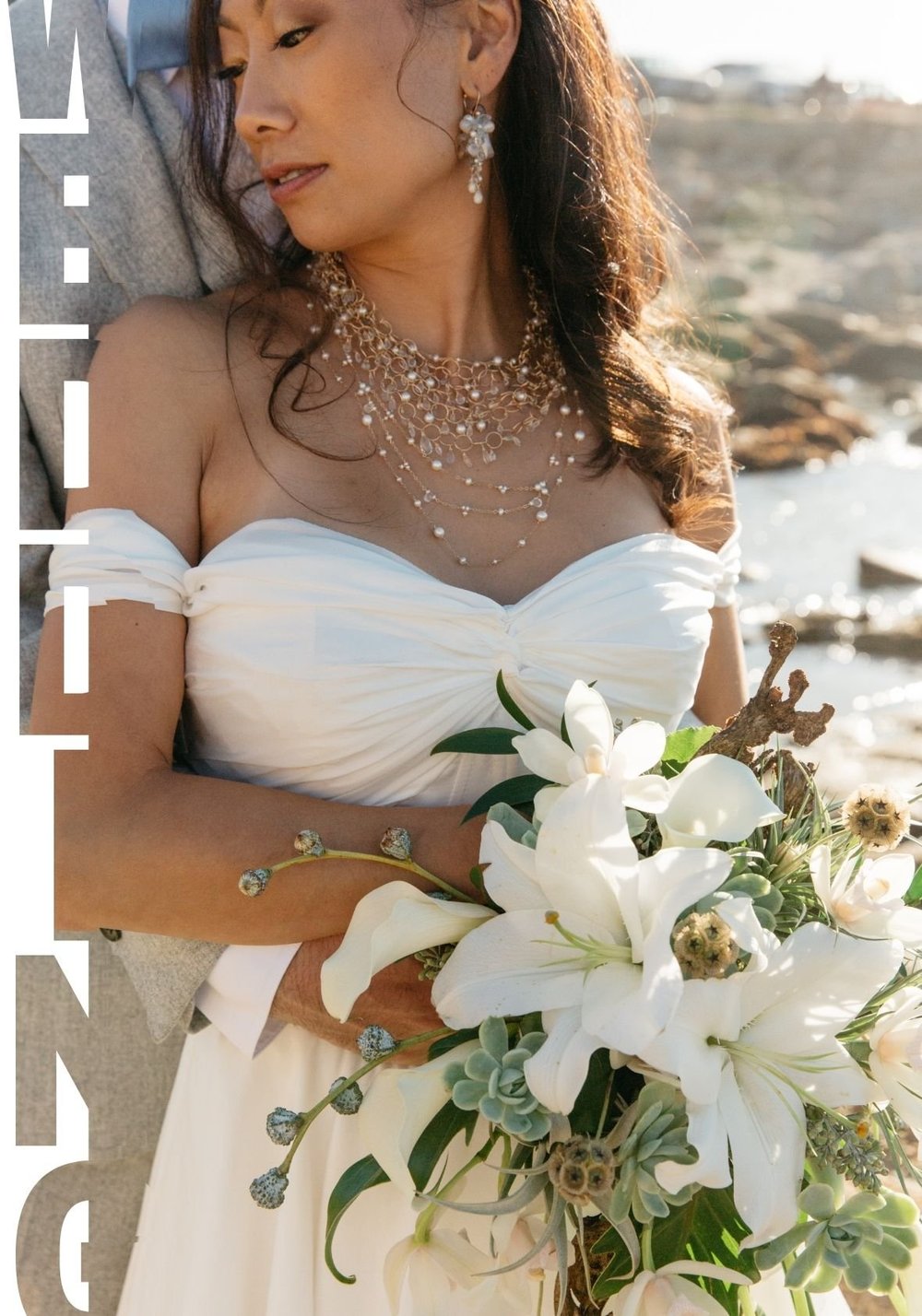
Andrea Li considers how stones will look in both natural light and indoor lighting when making recommendations for wedding clients. After 18 years of designing one-of-a-kind gemstone jewelry in 14k gold-filled, 14k gold, and sterling silver, and seeing how those pieces appear in professional wedding photographs, she knows which stones hold up on camera and which ones disappear. Andrea draws on every technique available (fabrication, wire work, casting, and assembly) to build pieces where no single element is recognizable in the final design. That means the metalwork itself catches light alongside the stone, creating depth that photographs can actually capture.
This guide covers which gemstones photograph best at weddings, what lighting conditions favor which stones, and real examples from Andrea's wedding clients.
Interactive · 3 questions
Why Photography Matters When Choosing Wedding Jewelry
The piece you wear becomes a permanent part of the visual record
You'll wear your wedding jewelry for one day. You'll see it in photographs for the rest of your life. The ring exchange, the first dance, the candid shot of you laughing with your head back: your jewelry is in every frame. If the stone reads flat, catches a distracting glare, or shifts to a color that doesn't match what you saw in person, that's preserved forever.
From the bench
"When a bride tells me she's planning outdoor portraits at sunset, that changes which stones I pull. A moonstone that looks quiet on my bench will absolutely glow in golden hour. That's something I think about before the design even starts."
This isn't about choosing jewelry that photographs well instead of jewelry you love. It's about understanding that the stone you choose will look different on camera than it does in your hand, and making that work in your favor. The best wedding gemstones do both: they're stunning in person and they hold that presence in every photograph, from the close-up detail shots to the wide ceremony shots where the jewelry is a distant flash of color.
How Each Gemstone Performs on Camera
Aquamarine
Most versatile: consistent in all light
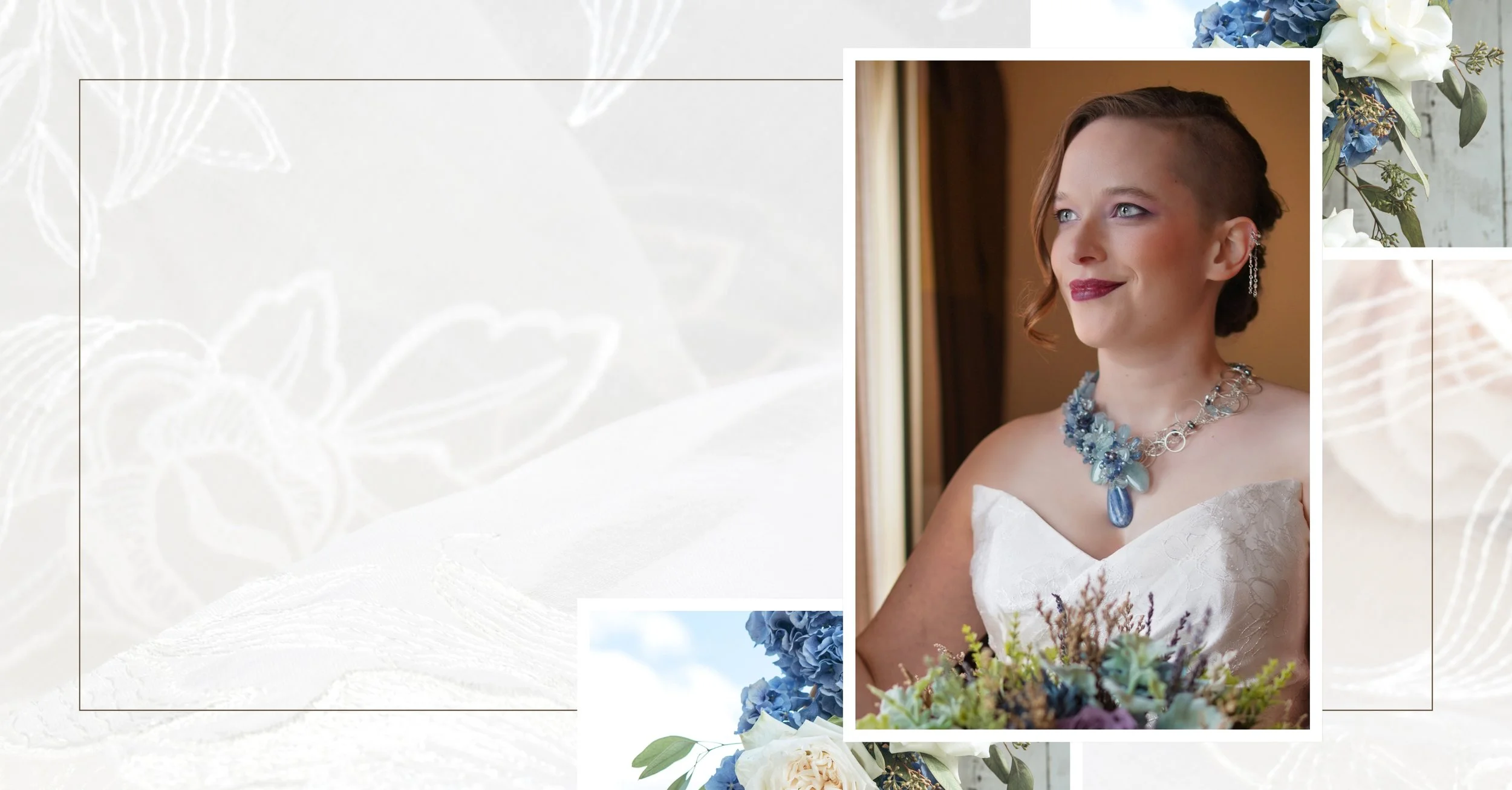
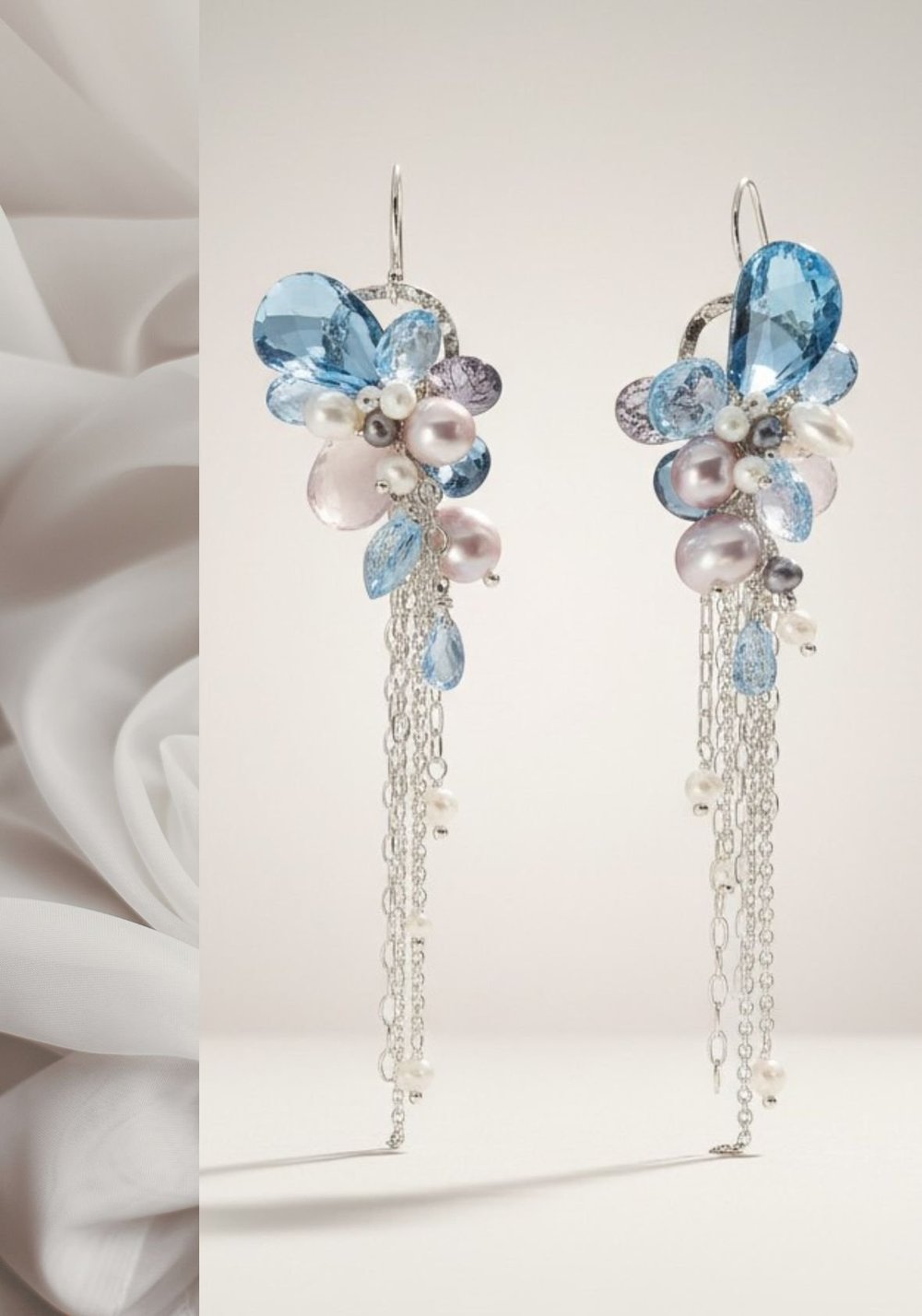
Aquamarine is the safest gemstone choice for a bride who wants one piece that photographs beautifully from ceremony through reception. Its transparent, pastel blue reads true across daylight, golden hour, indoor lighting, and flash. The color doesn't shift warm or cool under different sources: it stays recognizably aquamarine in every frame. Photographers rarely need to color-correct for it.
Explore aquamarine jewelryMoonstone
Most dynamic: tells a different story in every photo
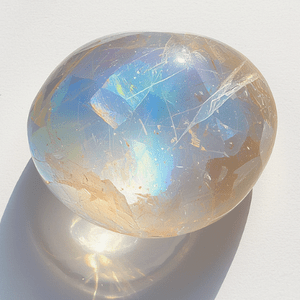
Moonstone's adularescence, the floating blue glow inside the stone, responds to every shift in light. In natural daylight, the blue sheen is clearly visible. In golden hour, it turns electric against the warm ambient tones. Under flash, the glow can soften or intensify depending on angle. This makes moonstone the most visually interesting gemstone across a wedding album: no two photos capture it the same way.
Learn about moonstoneTourmaline
Strongest body color: flash resilient
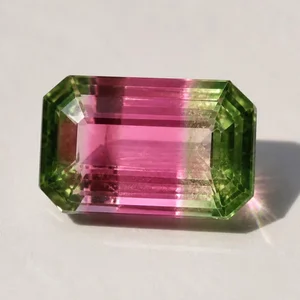
Tourmaline's saturated body color is its camera advantage. Where pastel stones can lose definition under harsh flash or bright overhead lights, tourmaline holds. Green tourmaline stays richly green. Watermelon tourmaline separates its pink-green zoning dramatically in golden hour. Even dark indicolite reveals hidden warmth when light hits it right. The widest color vocabulary in the gemstone world means there's a tourmaline for every wedding palette.
Explore tourmaline jewelryPearl
Classic for a reason: nearly impossible to photograph badly
Pearls reflect light softly and diffusely rather than creating sharp highlights. Where faceted gemstones can produce hot spots under direct flash, pearls produce a luminous, even glow. They adapt to the color temperature of whatever light they're in: warm candlelight gives them a golden cast, cool daylight gives them silver. Andrea uses freshwater pearls across nearly every collection because they're reliably beautiful in any setting.
Explore pearl jewelryLabradorite
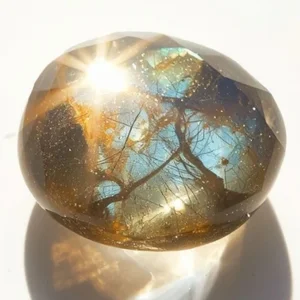
Most dramatic: fire effect rewards good photographers
Labradorite's spectral flash (labradorescence) creates vivid blue, green, gold, or copper fire when light hits the stone at the right angle. In golden hour, this effect is at its most dramatic. A skilled photographer who knows to work the angle can capture that fire in a way that makes the stone the hero of the image. In flat, overhead light, labradorite can read as gray: it needs directional light to perform.
Explore labradorite jewelry


Find Your Lighting Scenario
Select your wedding setting to see which gemstones will shine
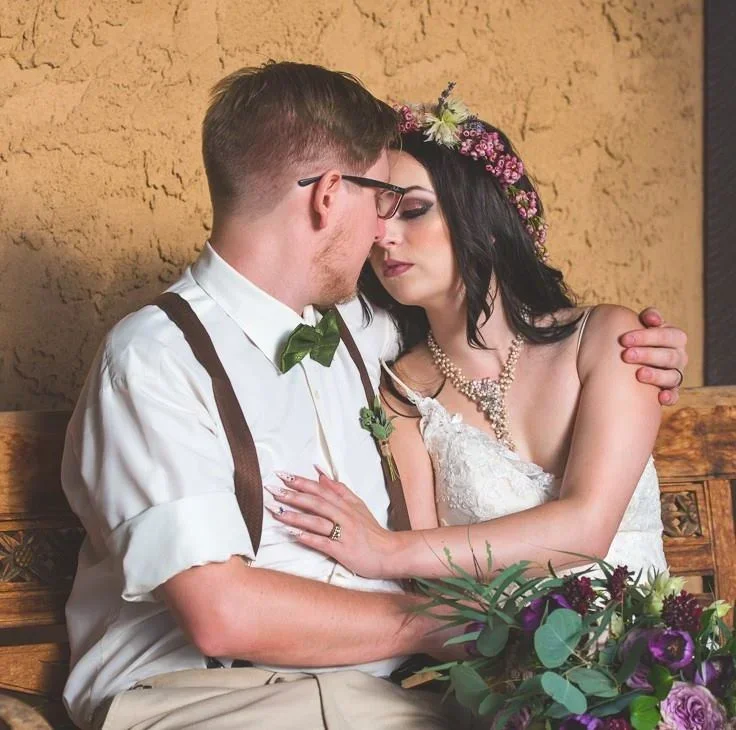
Bright daylight is the most forgiving lighting for gemstones. Colors read true, and stones with internal optical effects (adularescence, chatoyancy, fluorescence) come alive. This is where transparent and translucent stones perform their best.
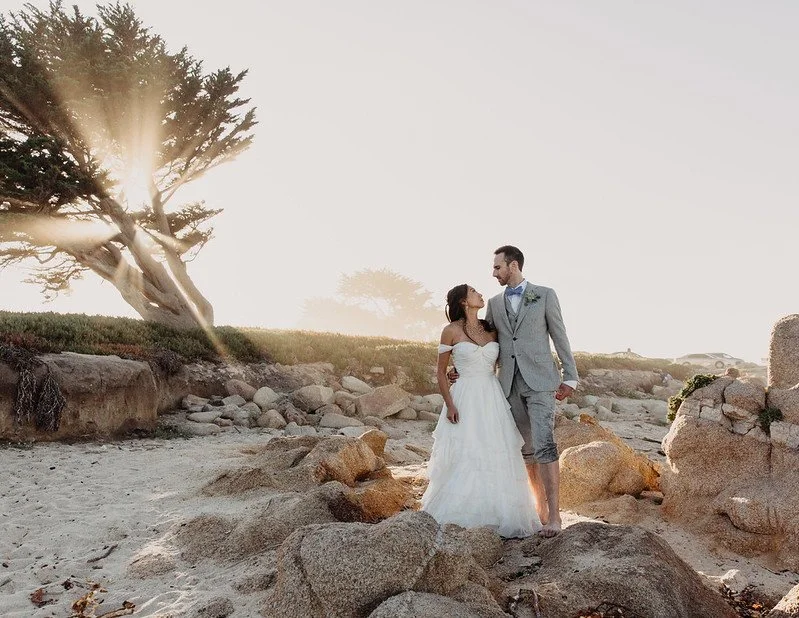
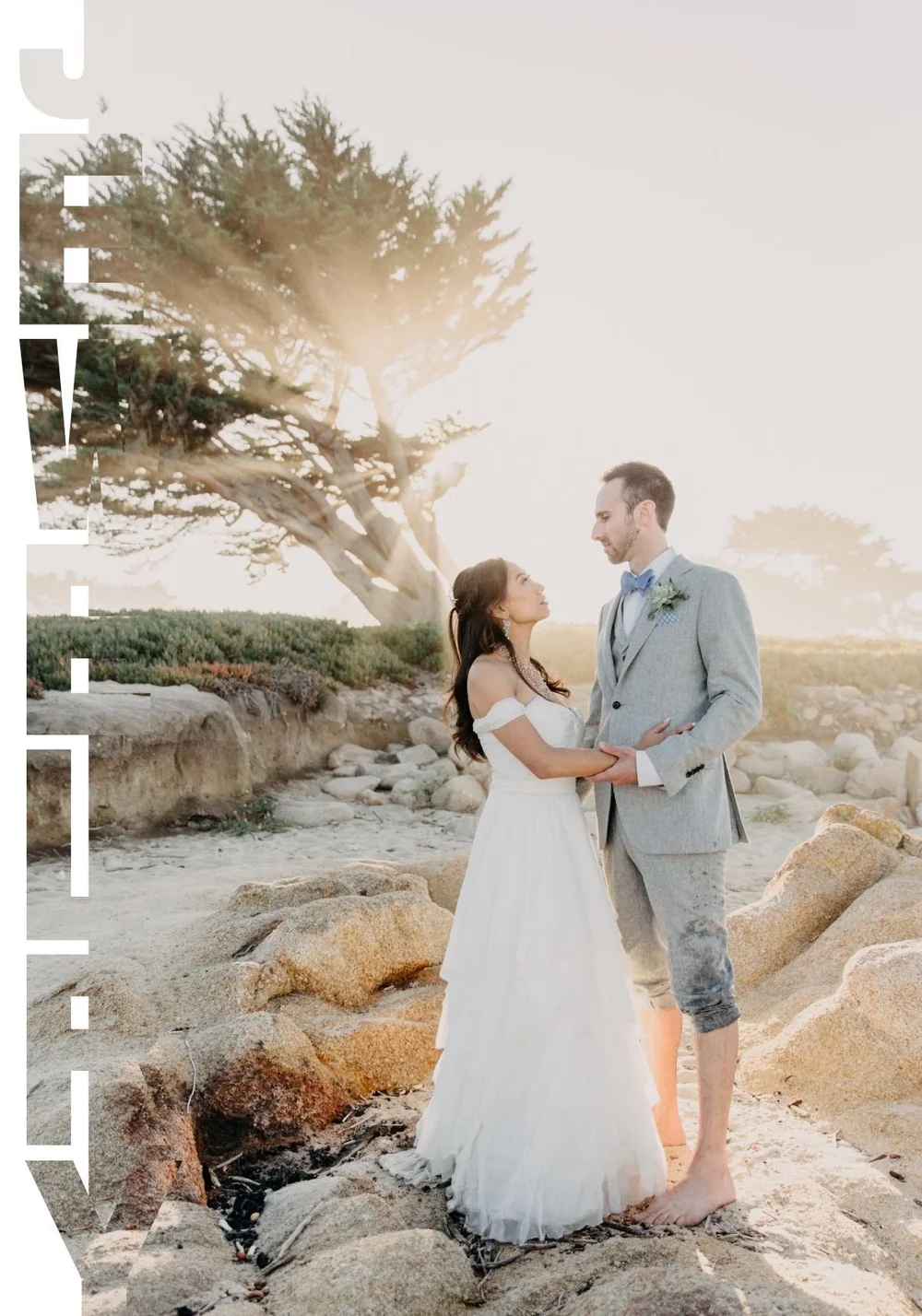
The warm, directional light of the hour before sunset intensifies warm tones and adds depth to cool ones. This is the most dramatic lighting for jewelry photography, and the window where certain stones absolutely glow.
Artificial lighting and camera flash create harsh, directional light that can blow out reflective surfaces and flatten translucent stones. The stones that perform best indoors are those with strong body color and internal depth rather than surface sparkle.
Most weddings move through multiple lighting conditions in a single day: outdoor ceremony to indoor cocktail hour to candlelit reception. The stones that photograph well across all these transitions are the ones that perform consistently rather than spectacularly in any one condition.
How It Looks in the Album
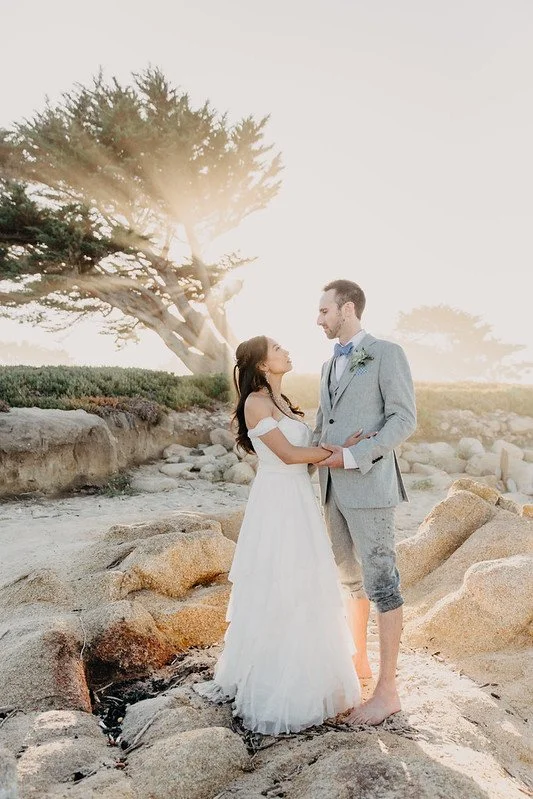
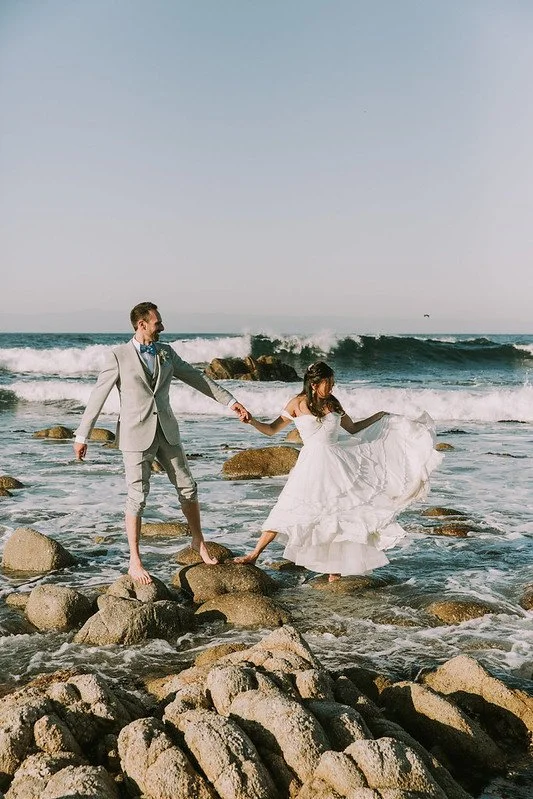
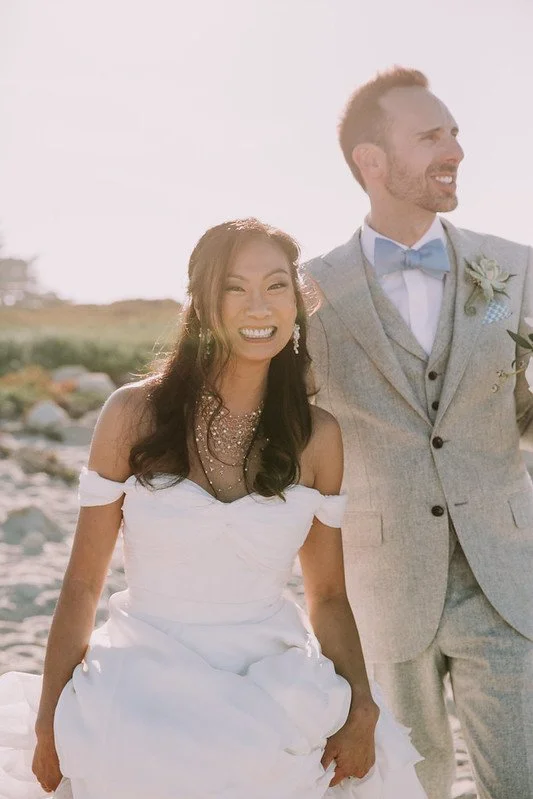
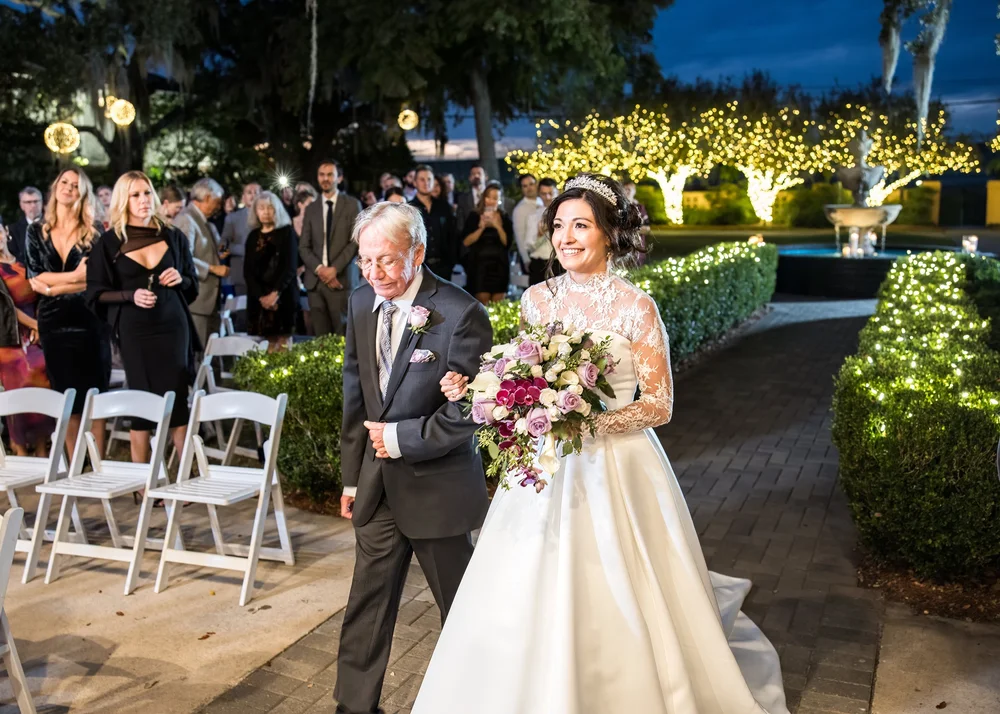
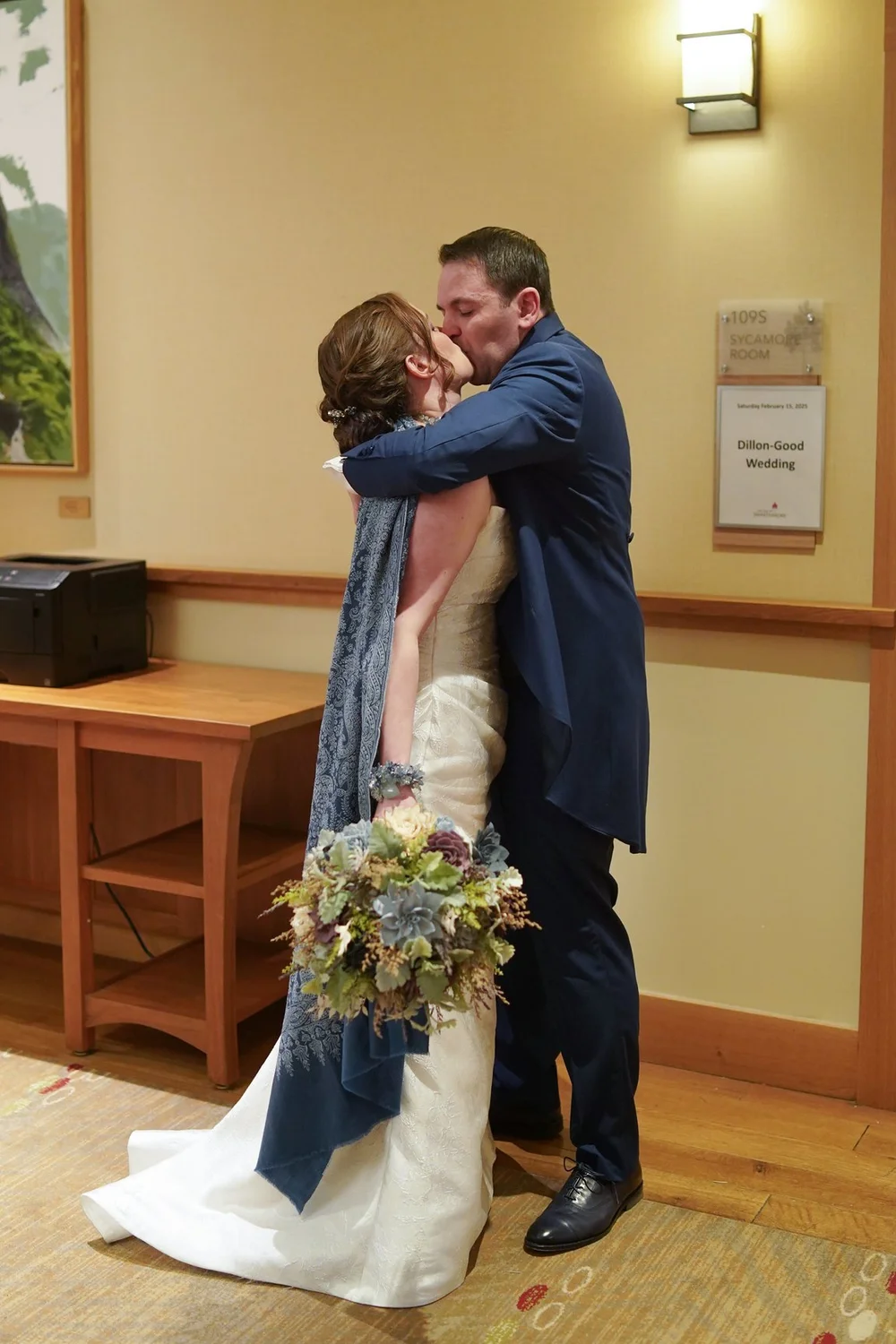
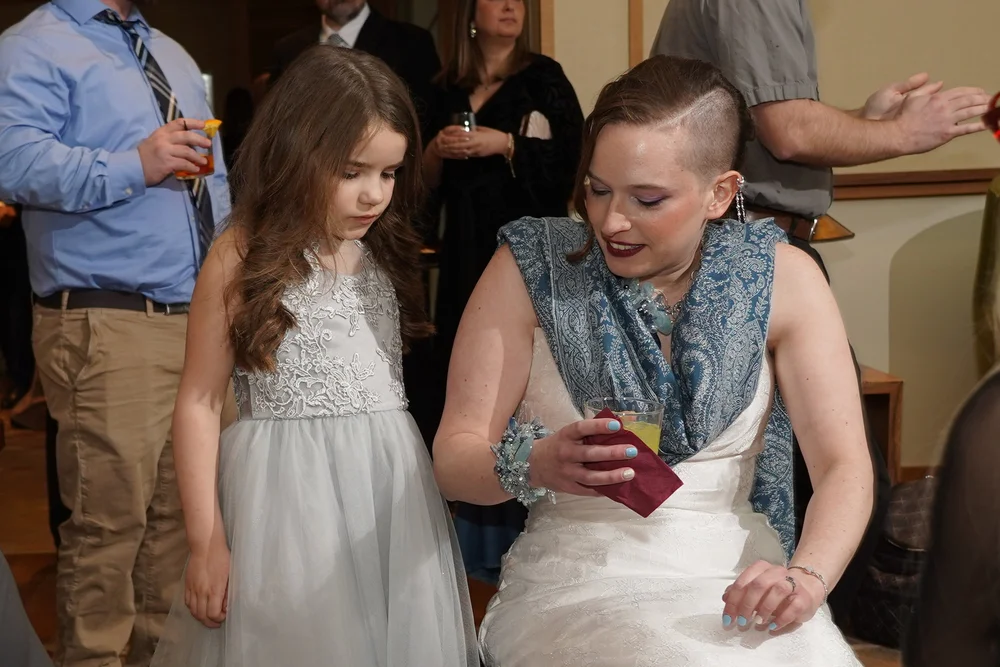
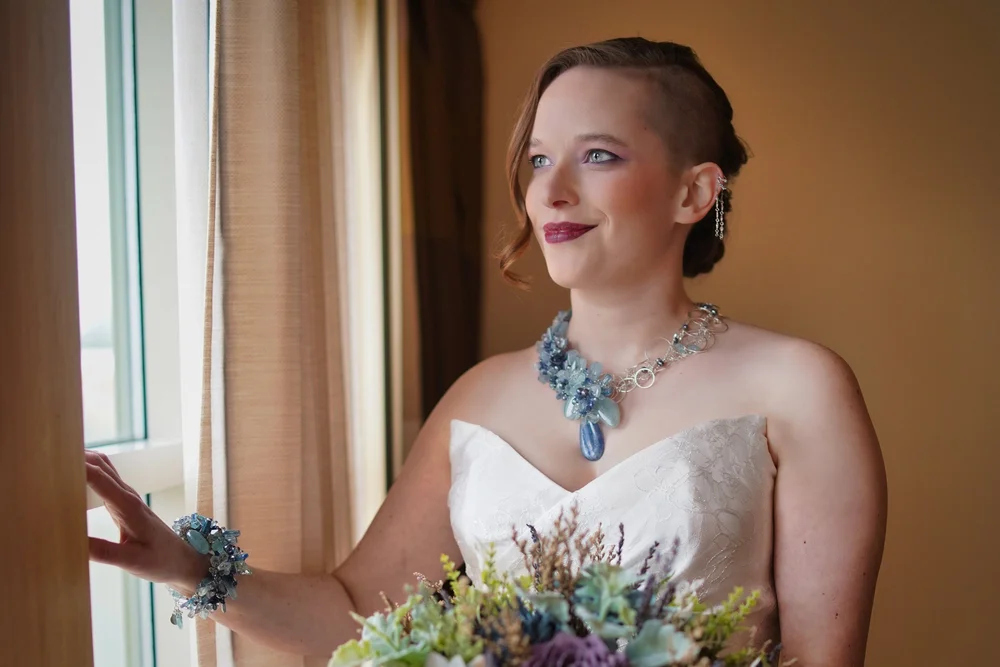
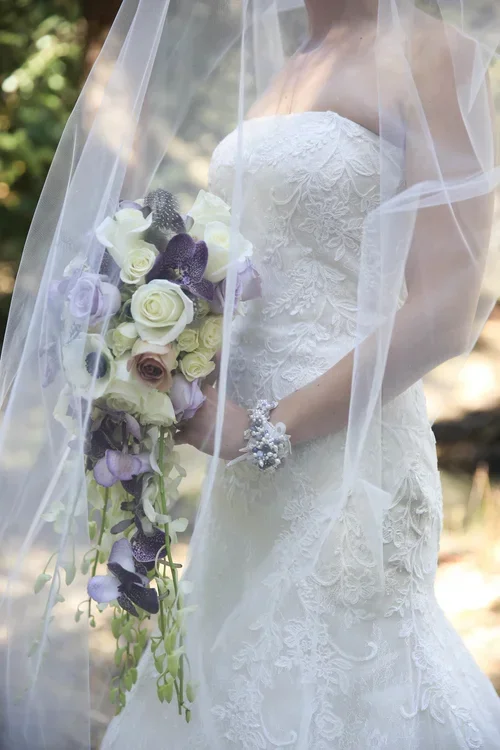
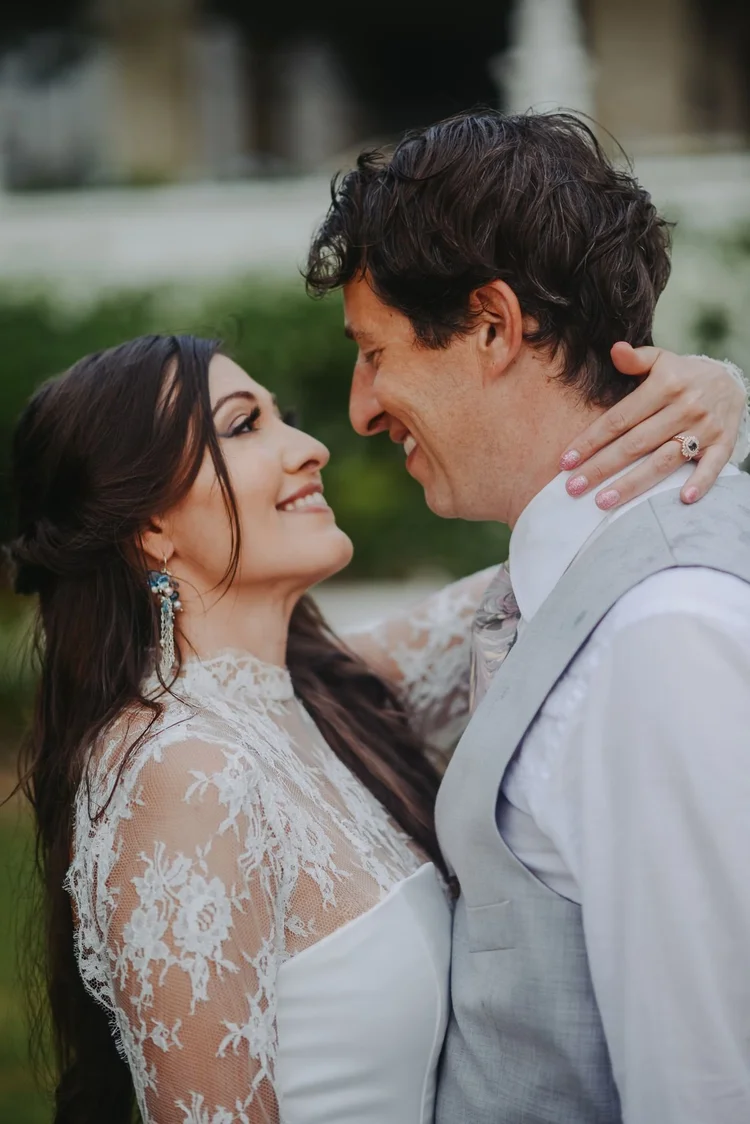
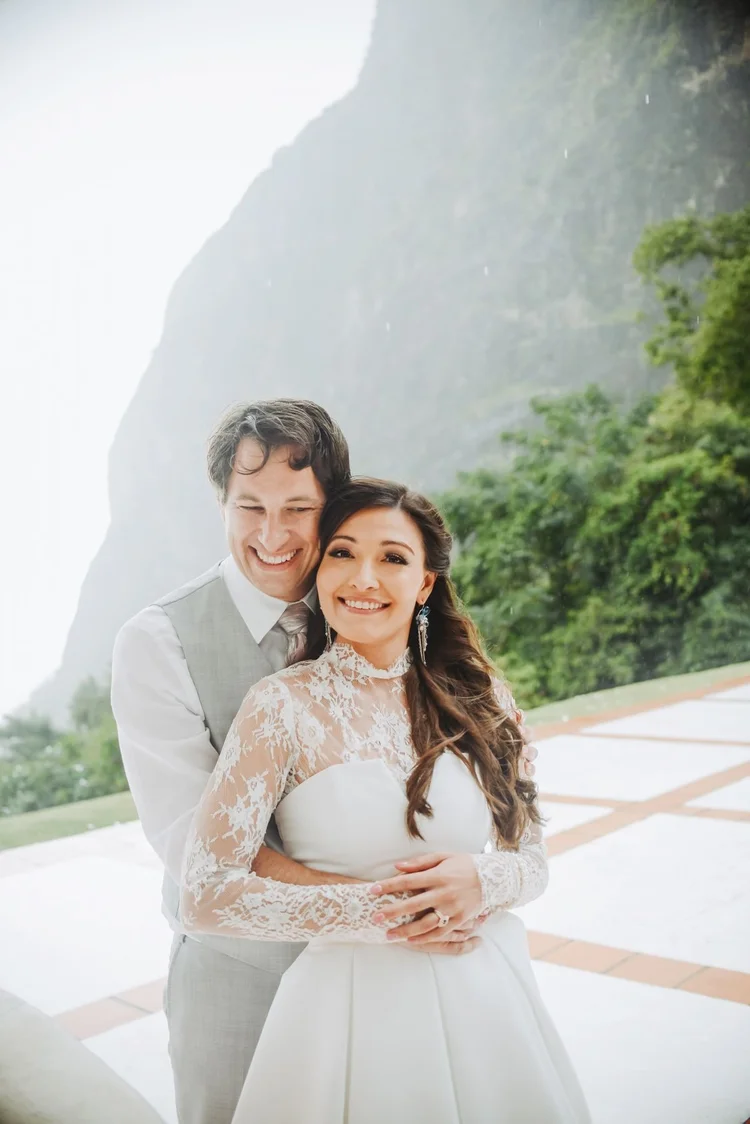
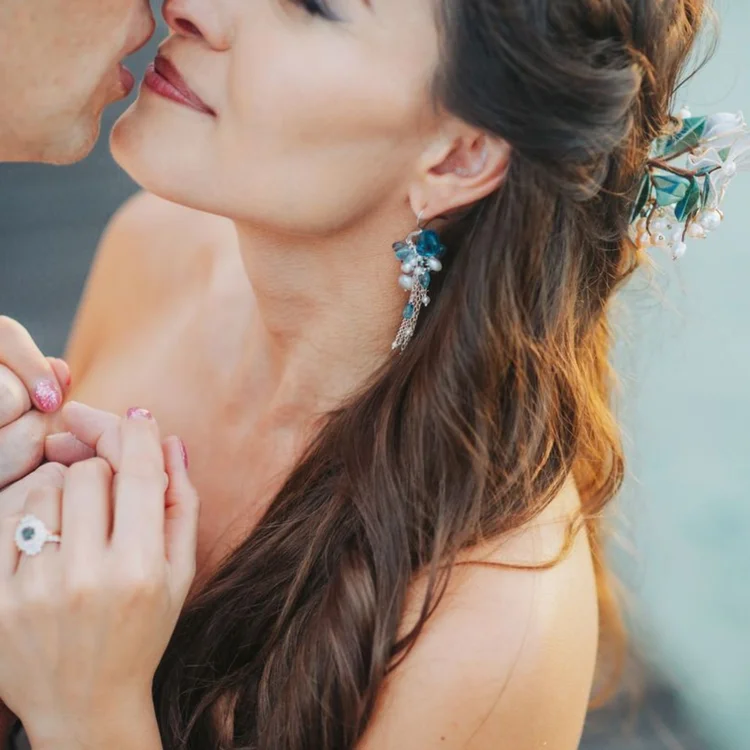
Real pieces, real weddings, real photographs
Frequently Asked Questions
01What gemstones photograph best at weddings?
Aquamarine, moonstone, tourmaline, and pearl are consistently the strongest performers across wedding lighting conditions. Aquamarine is the most versatile: its pastel blue reads true in daylight, golden hour, flash, and candlelight without color shifting. Moonstone is the most dynamic, with its internal glow responding differently to every light source. Tourmaline's saturated body color holds up under harsh flash. Pearls are nearly impossible to photograph badly. The best choice depends on your specific wedding setting: use the lighting scenario tool above to see recommendations for your venue type.
02Do diamonds photograph better than gemstones?
Not necessarily. Diamonds are excellent at catching and refracting light, but that same brilliance can create problems in photographs: hot spots, blown-out highlights, and distracting sparkle that pulls the eye away from the wearer. Gemstones with strong body color (tourmaline, garnet, amethyst) or internal optical effects (moonstone, labradorite) create visual interest without overwhelming the frame. For jewelry that's meant to be part of a larger composition (bride, dress, venue, bouquet) colored gemstones often photograph more cohesively than diamonds.
03Should I tell my photographer about my gemstone jewelry?
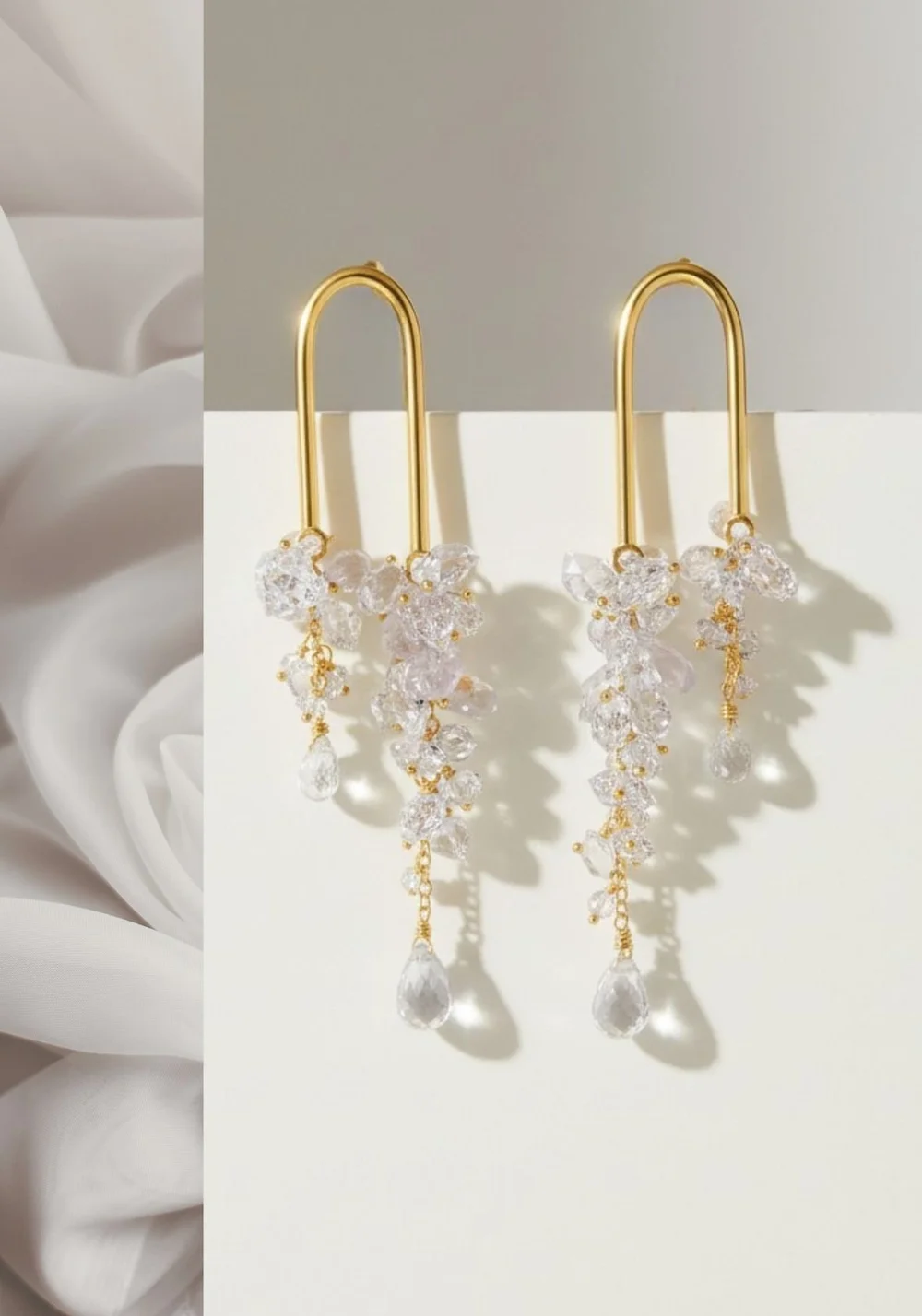
Yes. A good wedding photographer will adjust their lighting and angle to work with your jewelry, but only if they know it's a priority. Mention the stones specifically. If you're wearing moonstone, your photographer can angle for the adularescence during golden hour. If you're wearing labradorite, they can catch the spectral flash. The detail shots (ring on bouquet, earring close-up, wrist with cuff) are planned: give your photographer a reason to plan them around your jewelry.
04Which gemstones should I avoid for wedding photography?
There isn't a gemstone that "can't" be photographed well, but some require more favorable conditions. Opaque stones without strong color (gray agate, plain jasper) can read flat in photographs. Very pale stones without optical effects (clear quartz, light citrine) can disappear against a white dress. And highly reflective faceted stones can create glare under direct flash. The solution isn't to avoid these stones: it's to understand what light they need and plan accordingly.
05Can Andrea help me choose gemstones based on my wedding venue's lighting?
Absolutely. Andrea considers how the stones will look in both natural light and indoor lighting when making recommendations for wedding clients. If you share details about your venue: outdoor vs. indoor, time of ceremony, reception lighting style: Andrea can guide you toward stones that will hold their color and presence in your specific setting. Start a conversation →
Your Jewelry Will Be in Every Photograph
Whether you're choosing from Andrea's existing one-of-a-kind pieces or commissioning something designed for your day, she'll consider the light before the design even starts. Every piece is handcrafted in 14k gold-filled, 14k gold, and sterling silver: built once, never repeated.
Start a ConversationBack to all wedding jewelry