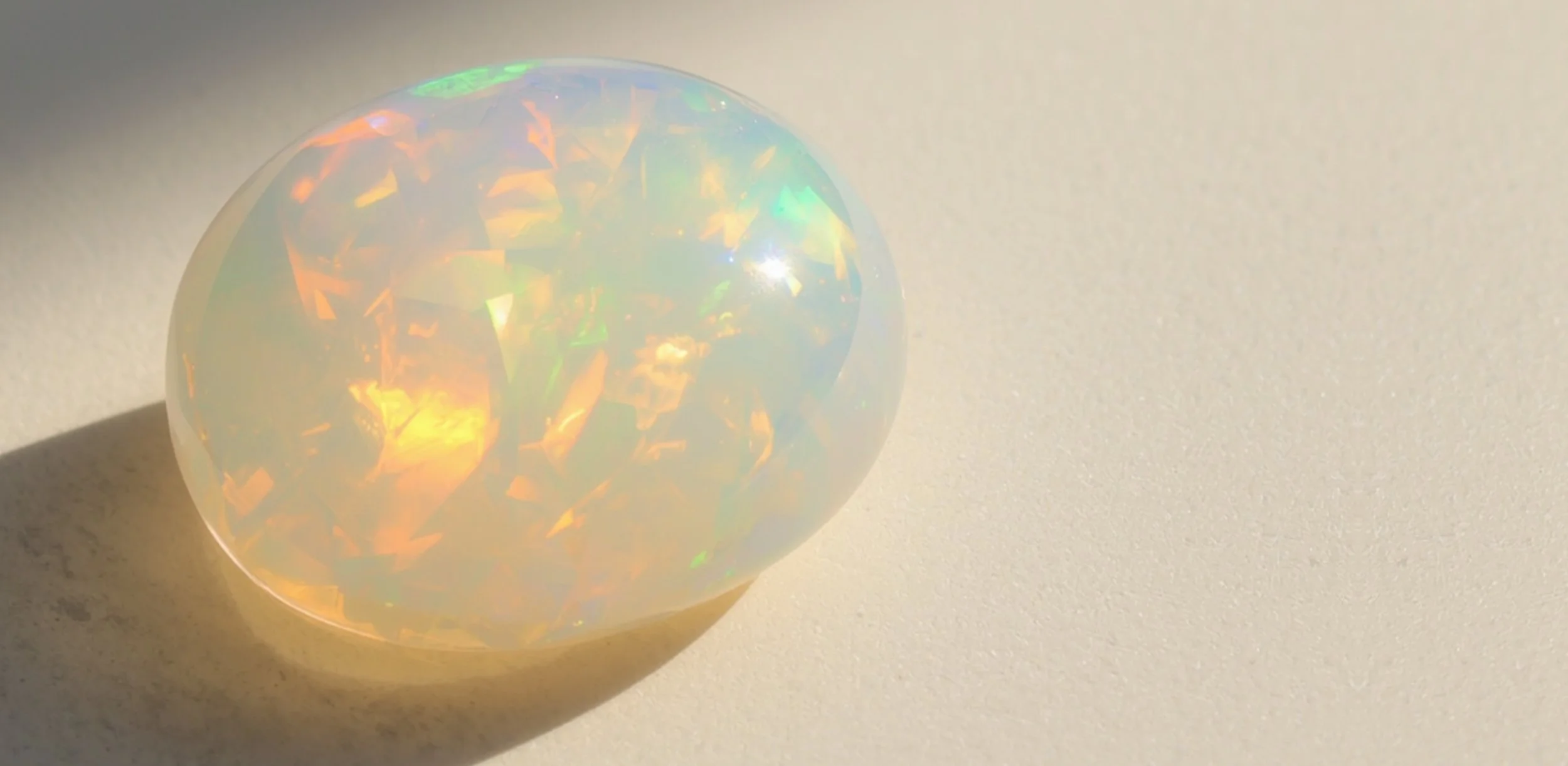
Opal
Gemstone
Guide
Opal · October Birthstone
Inside an opal's fire
Opal flashes with every color in the spectrum. Tap a marker to see where the fire comes from, and why it is the most delicate stone I set.
Opal
Tap a marker
No two opals flash the same way. Tap a marker on the stone to see what gives opal its color, what it is made of, and why it asks for such gentle handling.
Illustrative, not a photograph.
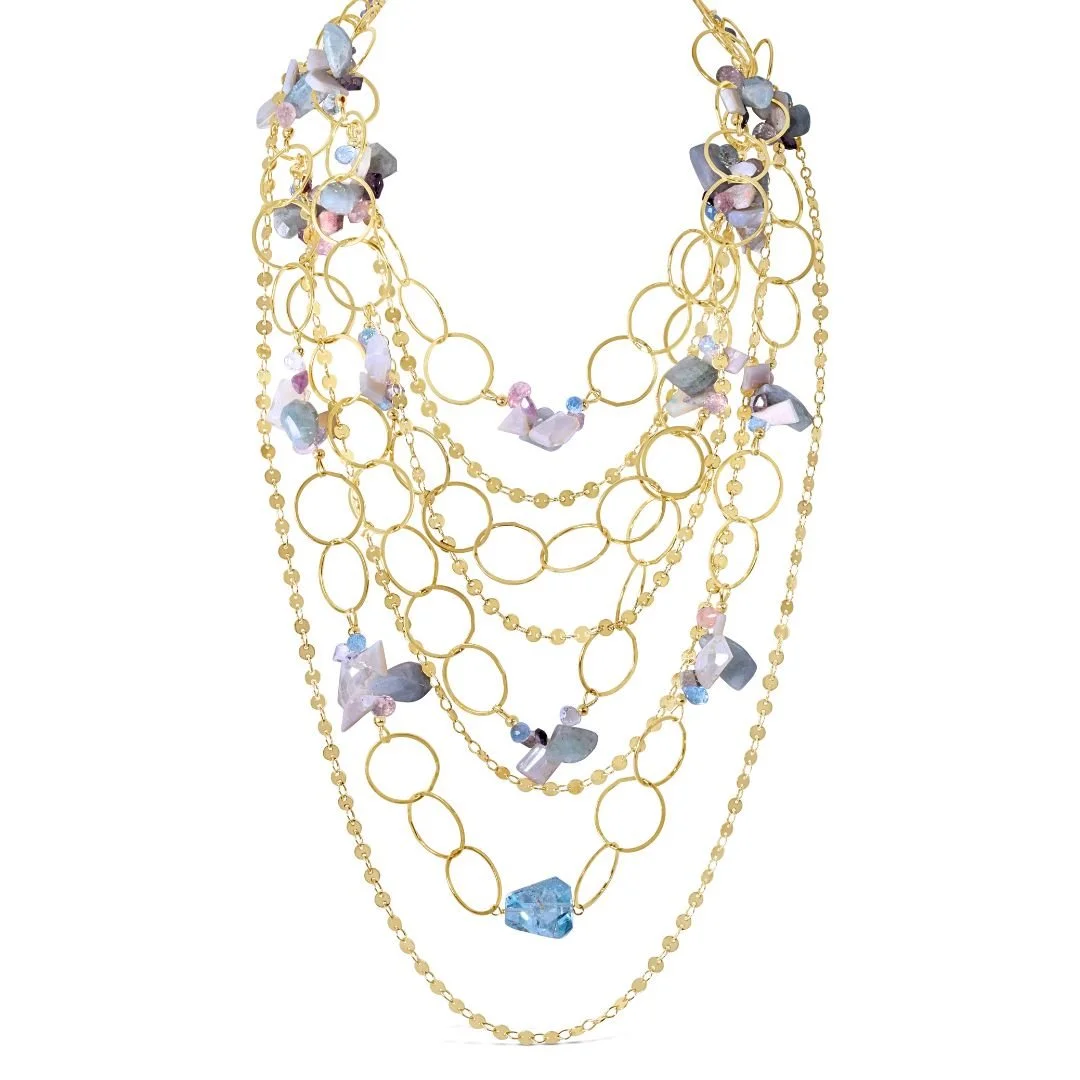

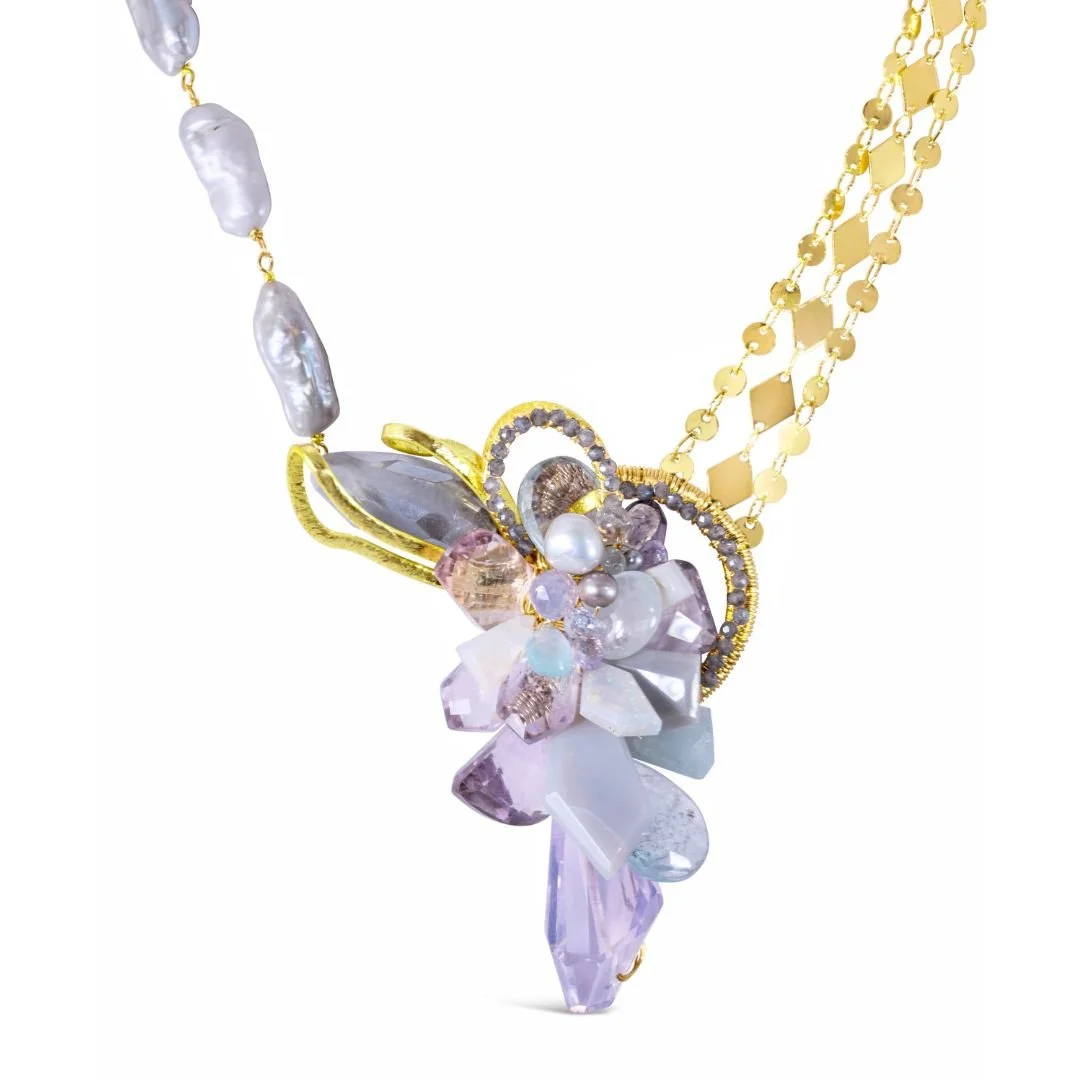
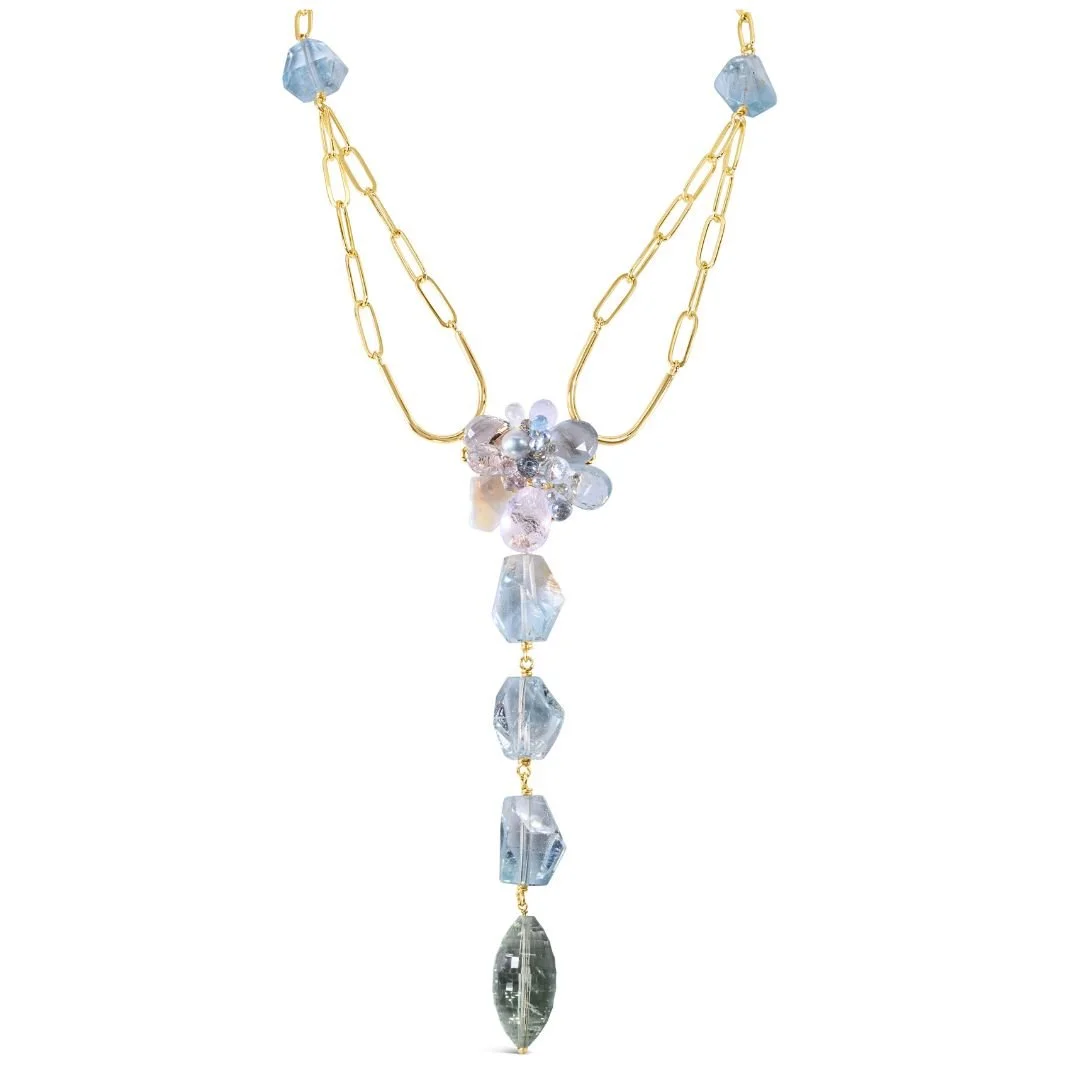
Andrea Li
Gemstone Profile: Opal
Types of Opal
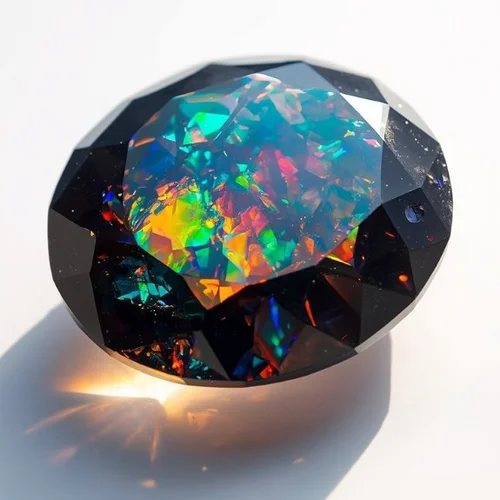
Black Opal
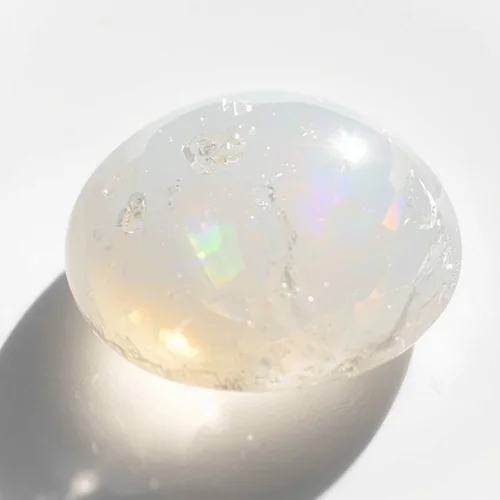
White Opal
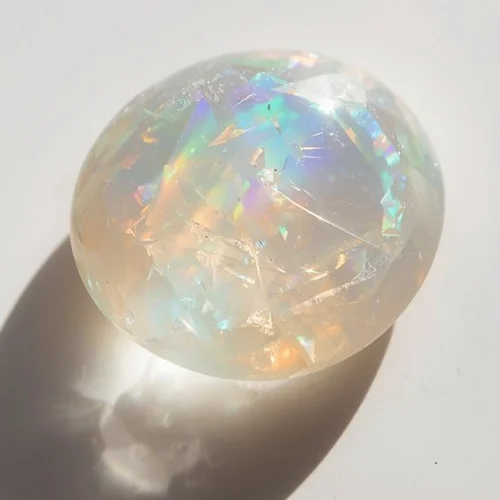
Crystal Opal
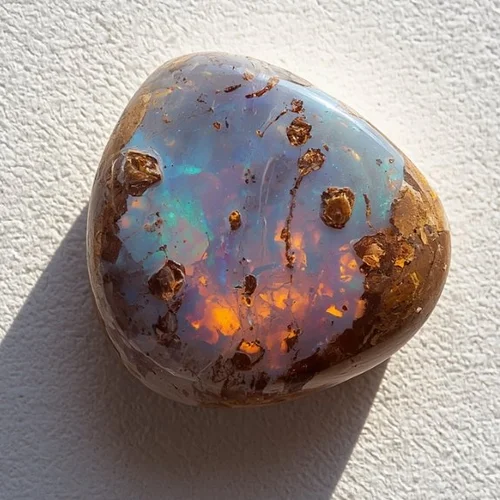
Boulder Opal
Play-of-Color
Diffraction of light
Internal silica spheres disperse light into a stunning spectrum, the flashing color you see when you tilt the stone.
Pattern and intensity
Value is set by the complexity of the colors and the brilliance of the flash. Red is the rarest of all.
Key Origins
Australia
Lightning Ridge, Coober Pedy, and Queensland. Known for black, white, and boulder opals.
Ethiopia
The Welo region. Known for high-grade crystal and Welo opals.
Value Factors
Color
Rarity of the color, with red the rarest, and overall vibrancy.
Pattern
Harlequin, pinfire, and ribbon, the unique arrangements of the flash.
Body Tone
A scale from light to black that sets how vividly the color reads.
Care & Handling
Avoid Intense Heat
Sudden heat and dryness can craze an opal. Keep it from both.
Keep From Chemicals
Protect it from perfumes, cleaners, and acids.
Handle With Care
Store it separately so harder stones cannot scratch it.
This stone is part of my pastel gemstone collection, one-of-a-kind pieces handcrafted in Denver.
Opal does not behave like other gems. It never grew into a crystal, it still holds water inside it, and it flashes with every color in the spectrum from a body that can be milky white, glassy, or midnight black. It is the most beautiful stone I work with, and the one I break the most. Here is what opal actually is, the kinds you will meet, and how to live with a stone this delicate.
What gives opal its fire
Hold an opal to the light and tilt it, and you see patches of color flash and shift across the stone: green, blue, violet, sometimes a rare and prized red. That is called play-of-color, and it is opal's signature.
It happens because opal is built from millions of microscopic spheres of silica, stacked in an orderly grid. When light passes through that grid, it bends and splits into its component colors, the same way a film of oil or a butterfly wing throws color without holding any pigment. The size and spacing of the spheres decide which colors you see. Tiny spheres flash blue and violet; larger ones reach all the way to orange and red, which is why red play-of-color is the rarest.
Not every opal does this. Plain opal with no play-of-color is called potch, or common opal. The stones I set are precious opal, the ones that catch fire.
The kinds of opal
Opal is really a family of stones, and they behave so differently they are almost separate gems.
That last property has a name worth knowing. Hydrophane opal, which most Ethiopian Welo is, is porous enough to absorb water and even oils. Get it wet and it can go temporarily transparent or shift color, recovering only once it fully dries. It can also drink in lotions, perfume, or dye and hold a stain, so a hydrophane opal asks for more caution than a stable Australian stone.
The most delicate stone I set
I will be honest with you: opal is the stone I break more than any other. It is soft, between 5.5 and 6.5 on the Mohs scale, and it is brittle, so it has very little tolerance for stress at a single point.
From the bench
My gemstone clusters have to be wound tight, because the tightness is what makes the structure stable. With most stones that is no problem. With opal, the act of tightening can put pressure on the delicate cut point of the stone, and it cracks. I lost an expensive black opal exactly this way, wiring it into a cluster with solid 14k gold wire, which is stiff and handles much more like steel than the softer wire you might expect. That opal is still in my bag of broken stones. So I changed how I work. Now I seat the opal into the cluster last, after the surrounding structure is already set and stable, so there are no neighboring stones whose tightening can stress it. I source my opals at the Tucson Gem Show, and I choose them the way I choose all my fire: I look for brilliancy, the most vibrant flash I can find. The more alive the color, the better.
This is also why you will not find opal in every collection I make. It currently lives in my Pastel collection, but it is not a staple the way amethyst, aquamarine, or sapphire are. When I use opal, it is a deliberate choice for a stone that earns its fragility.
Caring for opal
Opal needs more gentleness than almost anything else you own.
Keep it away from all heat and from sudden changes in temperature, which can shock the stone and cause crazing, the fine network of surface cracks opal can develop. Never put opal in an ultrasonic or steam cleaner. Keep it away from harsh chemicals, and with hydrophane opal, away from prolonged soaking, perfume, and lotion.
To clean it, I use the same gentle process I recommend for all my pieces: warm water, a soft toothbrush, and a drop of Dawn to lift away oils and dust, then the polishing cloth tucked into every order to bring the metal back. No heat, no chemicals, no shortcuts. Treated kindly, an opal will hold its fire for generations.
Wearing opal
Opal is the October birthstone, which makes it a meaningful choice for an autumn birthday, and it has long been a stone of imagination and individuality, fitting for a one-of-a-kind piece.
Because it is delicate, opal is happiest in pieces that live a gentler life: earrings, a pendant, a brooch, a ring saved for occasions rather than everyday knocks. If you are drawn to a stone that is genuinely unlike any other, that holds a whole spectrum in a single cabochon, opal is for you. No two ever flash the same way.
From the bench · Andrea Li
Just how fragile opal is, ranked against what I set next to it
A note from Andrea Li, who sets opal by hand in her Denver studio.
People lump opal and moonstone together as the delicate stones. They are not in the same league. Opal is by far the more fragile of the two. I only learned how fragile when I started working it regularly, and I broke dozens of opals making my Pastel collection before it sank in.
That cost changed how I build. Now I never set opal the way I set everything else. With most stones I wind a cluster tight, because the tension is what makes the structure stable. With opal I do the opposite on purpose: I do not fully tighten the cluster. I leave intentional empty spaces, finish the surrounding structure first, and then set each opal last, individually, by hand, so nothing around it can stress it as it goes in. It is slower, and it is the only way I have found to keep October's stone in one piece.


Frequently asked questions
What is opal made of?
What is play-of-color in an opal?
Why do opals crack or craze?
What is a black opal?
What is Ethiopian or Welo opal?
Is opal too fragile to wear?
How do you clean opal jewelry?
Is opal a birthstone?
Discover
Jewelry that feels like you.
Two minutes. The quiz tells me how you want jewelry to feel in your life, and the messages that follow walk you through pieces I think you'll love.
Take the Style QuizTwo minutes. I take it from there.
Stay Close
Love what you see? Keep finding us.
Google now lets you choose your favorite sources so they show up labeled in AI search answers. If you enjoy discovering handcrafted gemstone jewelry here, add Andrea Li Designs and we'll be easier to find next time you search.
Add Andrea Li Designs as a Preferred SourceOne click. Works across Google Search, AI Overviews, and AI Mode.