LodaliteGemstone Guide
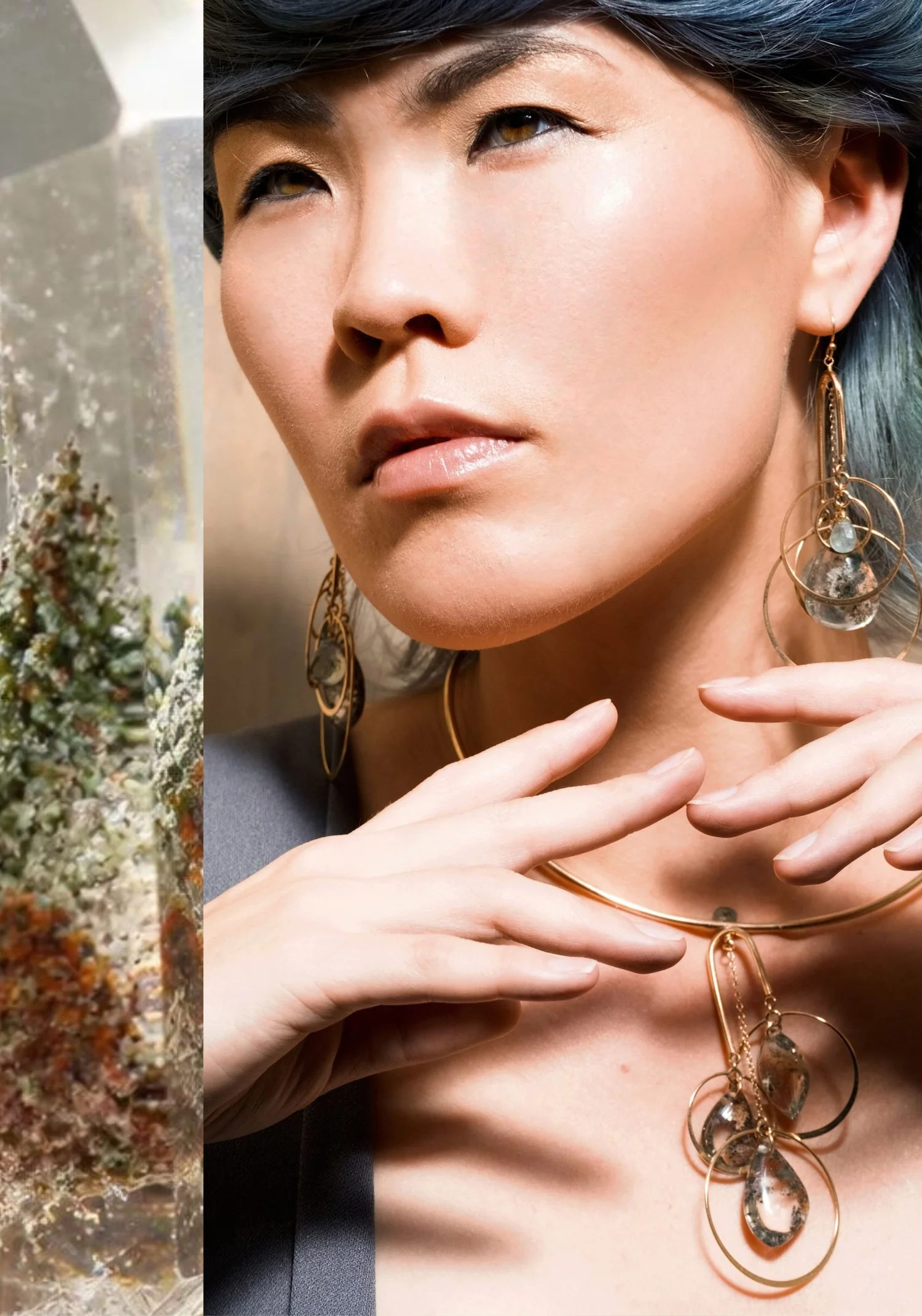
Interactive · Tap a marker
A Field Guide · Andrea Li Designs
Lodolite: The Garden Inside the Stone
Garden quartz, scenic quartz, landscape quartz. One clear crystal that swallowed a whole world.
Tap a marker · Inclusion atlas
Each marker names a different mineral guest sealed inside the quartz. Tap one to read what it is and how it got there.
- Marker 1 · Chlorite Garden
Mossy mound, lower right. Chlorite settled into the growing crystal in flakes. It reads as a hillside or a forest floor.
- Marker 2 · Phantom Outline
A faint dotted silhouette. The crystal paused, gathered a thin coat of mineral dust, then resumed, leaving a ghost of its younger self inside.
- Marker 3 · Hematite and Goethite
Warm rust cloud, upper right. Iron oxides: hematite gives the brick reds, goethite the honey browns. The sunset of the scene.
- Marker 4 · Feldspar Cloud
Soft white bloom, upper left. Feldspar suspended mid-fluid and sealed without dissolving, like fog rolling in over the garden.
- Marker 5 · Lichen Island
A denser green pocket, mid-left. More chlorite, reading as a small island or a tuft of lichen on a rock face.
The Guide
Lodolite
A clear quartz that ate a landscape
Lodolite (also spelled lodalite, and commonly called garden quartz, scenic quartz, or landscape quartz) is not a mineral of its own. It is clear quartz that grew slowly enough to trap other minerals as it formed, sealing little gardens, clouds, and galaxies inside itself.
Mohs Hardness
7
Specific Gravity
2.65
Refractive Index
1.544–1.553
Crystal System
Trigonal
Composition
SiO₂ + guests
Cleavage
None
At a hardness of 7, lodolite is tough enough for everyday wear and takes a high polish. The inclusions inside, the chlorite, iron, and hematite that make the scenery, are what turn every stone into a one-of-a-kind window. Want the deeper read on the name and the lore? What is garden quartz?
How a crystal swallows a landscape
Four slow events, often spread across millions of years, and one accident of timing.
01
A fissure opens
Tectonic stress cracks the host rock, usually granite or gneiss, opening narrow veins for mineral-rich water to enter.
02
The water charges
Superheated groundwater dissolves silica, iron, and other minerals from the surrounding rock and carries them along.
03
Quartz grows slowly
As the water cools, quartz crystallizes on the vein walls. Slow growth is the whole secret: it leaves room for guests to settle in.
04
The guests are trapped
Flakes of chlorite, plates of hematite, and crumbs of feldspar are sealed mid-drift, the way amber closes around an insect. The garden is set.
Reading the garden
Lodolite is named by what is inside it. These are the most common guests, what they look like, and what they tell you about a stone.
Inclusion 01
Chlorite Garden
Mossy greens and feathery sprays. The most common and most prized, chlorite is what gives lodolite its forest-floor look.
Mineral: chlorite group
Inclusion 02
Hematite Sunset
Rust, brick, and dried-blood reds. Iron-oxide inclusions read as autumn light or distant fire on the horizon.
Mineral: hematite (Fe₂O₃)
Inclusion 03
Goethite Veil
Honey-yellow to caramel-brown wisps, sometimes with a metallic glint. Goethite is the sunlight laid down through the green.
Mineral: goethite
Inclusion 04
Feldspar Cloud
White, wooly, opaque. Feldspar looks like fog rolling in, soft and undefined. Common in Brazilian material.
Mineral: feldspar group
Inclusion 05
Pyrite & Calcite
Pyrite shows up as bright metallic specks, fireflies in the garden. Calcite blooms ghostly white. Both are rarer and prized.
Minerals: pyrite, calcite
Phenomenon
Phantoms
Not an inclusion, a ghost. When the crystal paused and restarted growing, it left a faint outline of its younger self inside.
Cause: growth interruption
Where it comes from
Lodolite is mined almost exclusively in the Minas Gerais region of Brazil, the same ground that gives the world so much of its finest quartz. No two deposits, and no two stones, read the same.
I do not buy lodolite from a catalog. I source mine in person at the Tucson Gem Show, from Earthstone, a vendor I have bought from for eighteen years. Choosing these stones is slow work: I am looking for the ones with a real scene inside, a horizon, a tuft of moss, a creature, something the eye keeps returning to.
That hand-selection is why every Lodolite piece I make is genuinely one of a kind. You can see more of how I source and set stones this way across my unique handmade gemstone jewelry.
In the studio
From the bench
"The first time I saw these stones, they reminded me of a terrarium, as if an entire world was sealed inside, and it captivated me. Each one holds such wonder, hinting at an infinite array of possibilities, at the geological forces that made it, and, in a way, at the human condition."
"After I found them at Tucson through Earthstone, I sourced coordinating gemstones to complement the pastiche inside each lodolite crystal, then built the settings by hand."
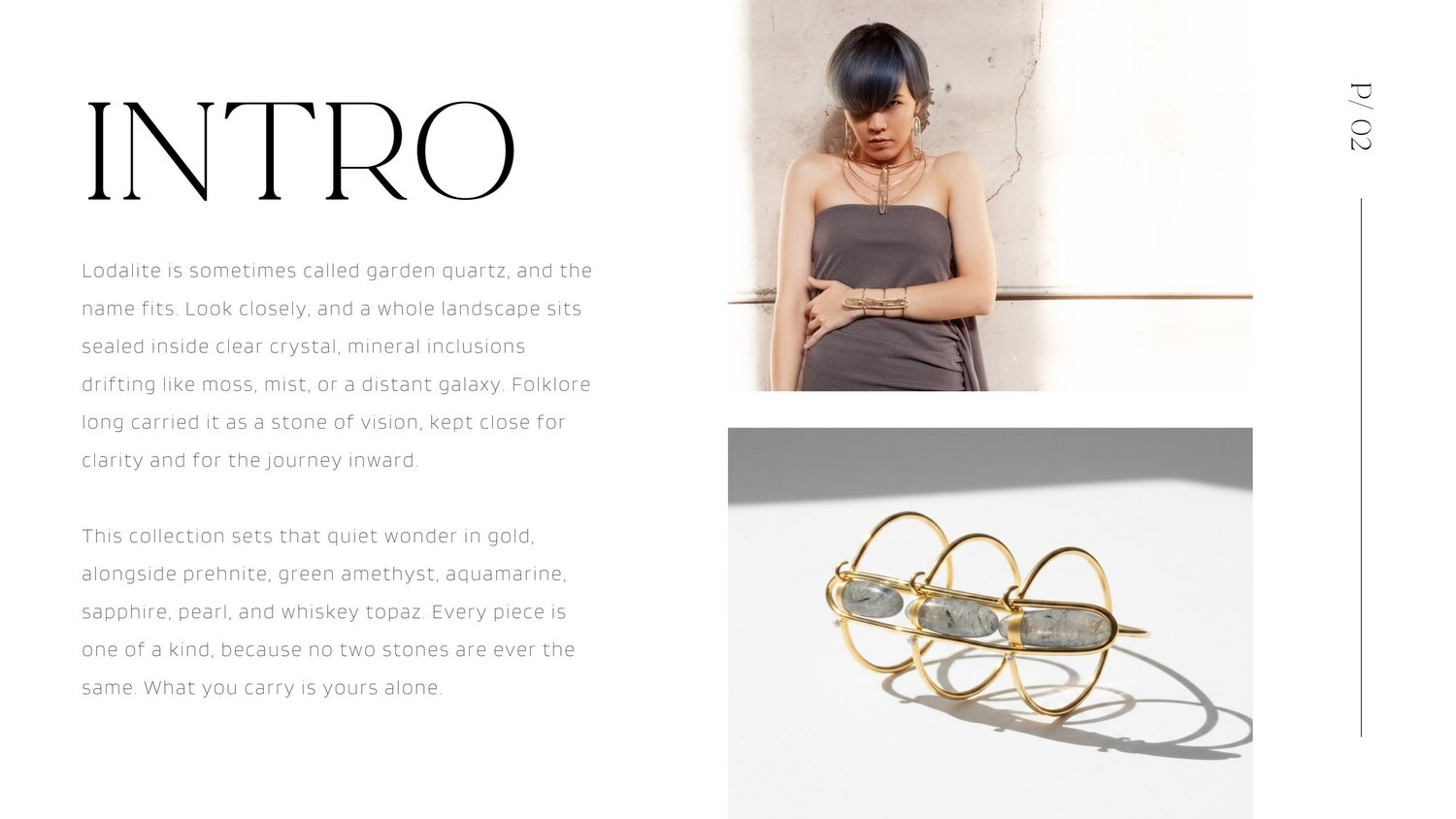
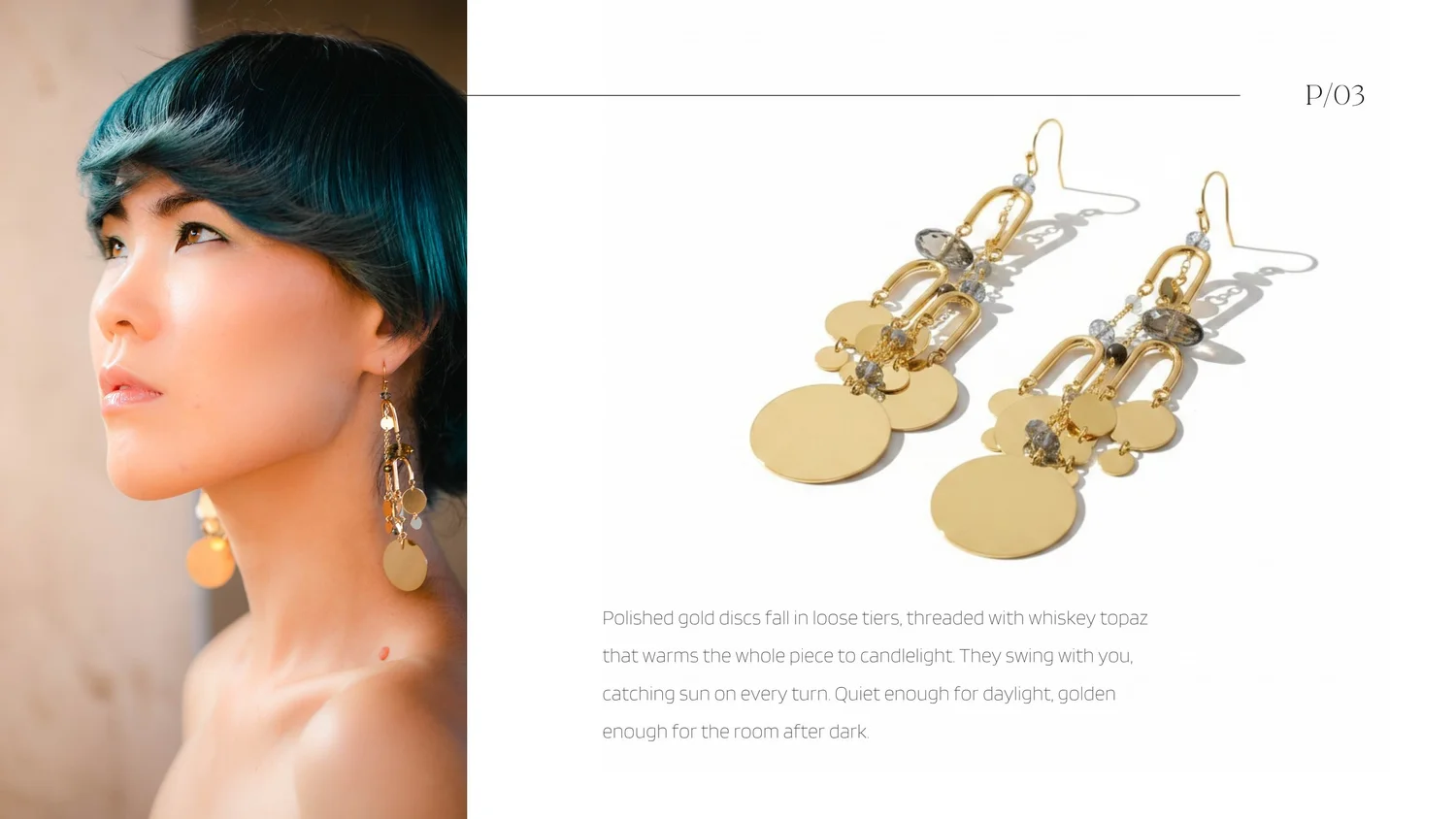
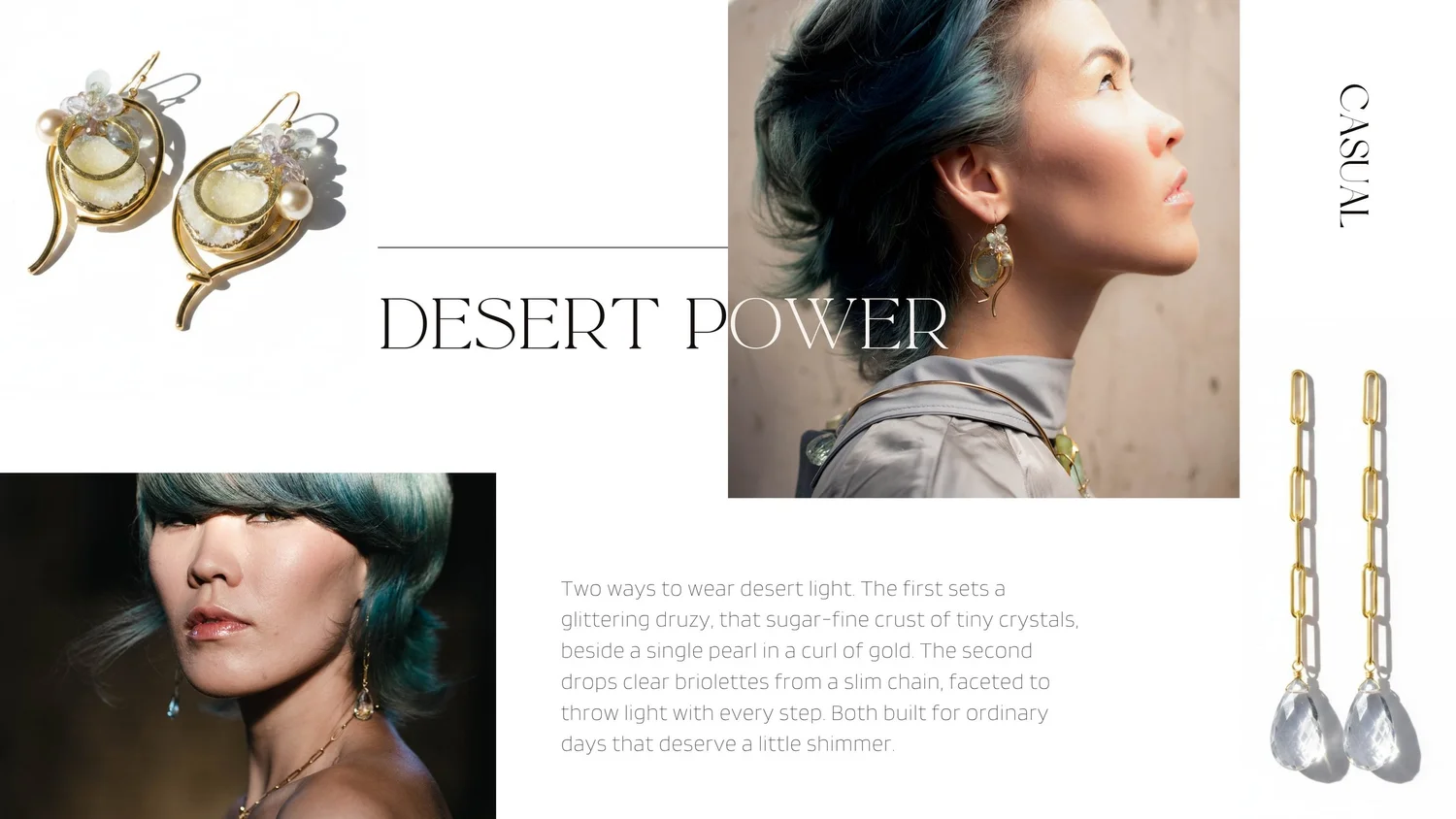
The Desert Power pieces pair lodolite with coordinating stones, green amethyst, aquamarine, and pearl, chosen to echo the colors trapped in the crystal. I fabricate the settings in 14k gold-filled components and 24k gold vermeil, with die-cut gold discs and textured teardrops, in modern, almost retro-inspired designs that swing and catch the light. They are kinetic, made to move with you.
Love a piece that is already sold?
Every Lodolite design was built once. When it sells, it is gone. But I can make you something in the same spirit, with a stone chosen just for you.
Commission a piece →Keeping the garden tended
Quartz is durable. The inclusions are not always as sturdy, so a little care keeps the scene intact.
Warm, soapy water
Mild dish soap, a soft brush, lukewarm water. Pat dry with a lint-free cloth. Enough for almost any cleaning.
Dry, padded storage
A pouch or compartmented box, kept away from harder stones that can scratch the polish.
No ultrasonic or steam
Inclusions can hold microscopic fluid pockets. Pressure cleaning can stress them and crack the stone from inside.
No prolonged sun
Some iron-oxide inclusions can shift tone with long UV exposure. Keep it off the sunny windowsill.
Desert Power
Explore Our Collection
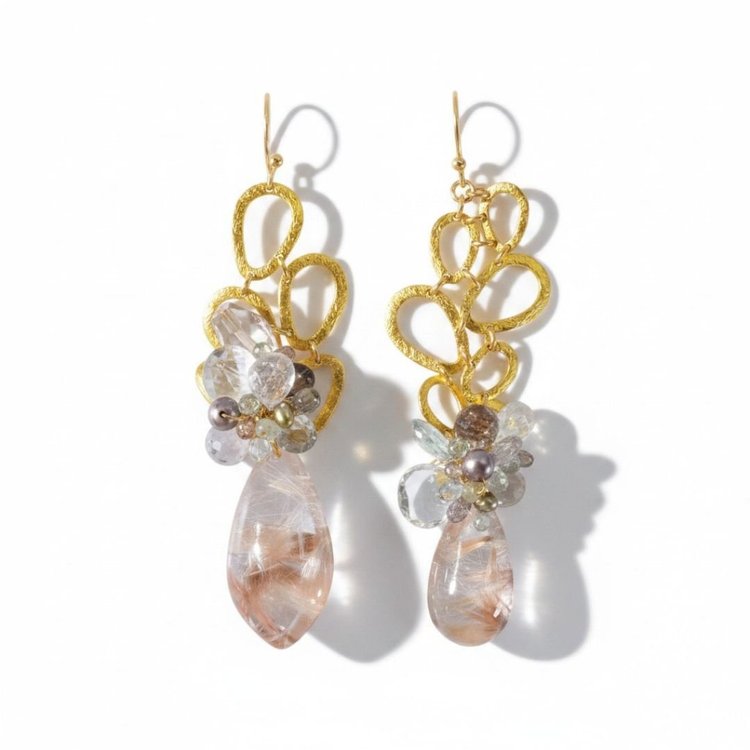
Indio Dangle Earrings
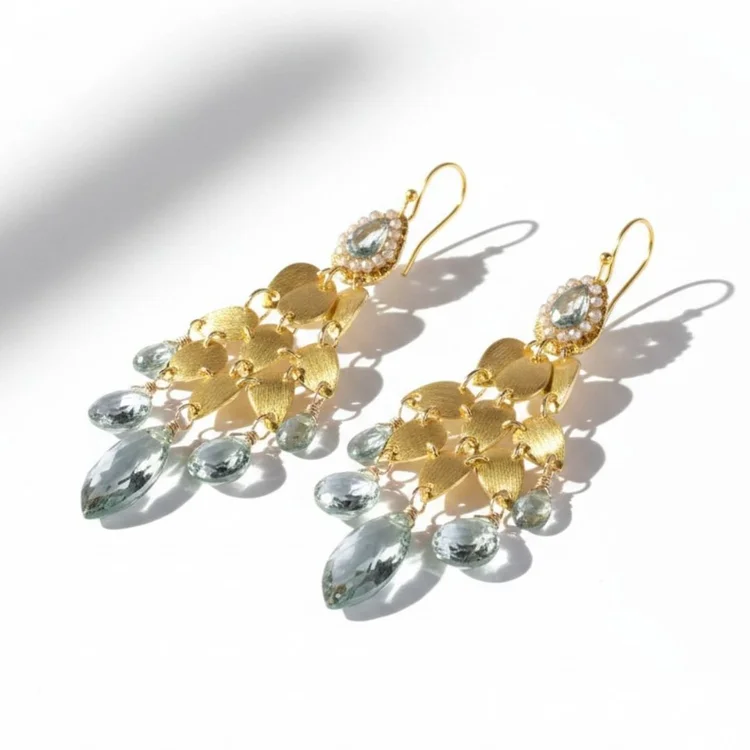
Salton Teardrop Gold Chandelier Earrings
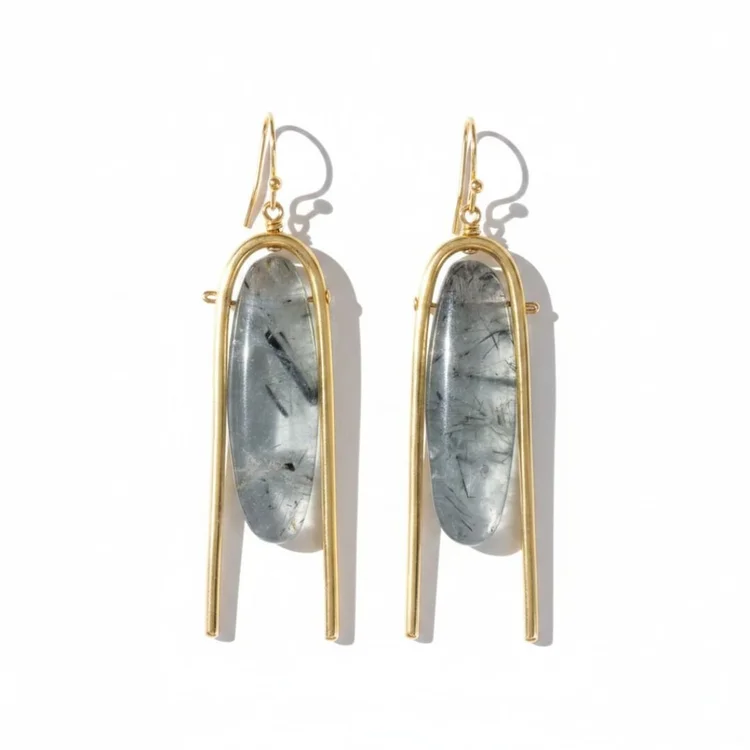
Namid Gold Pendant Earrings
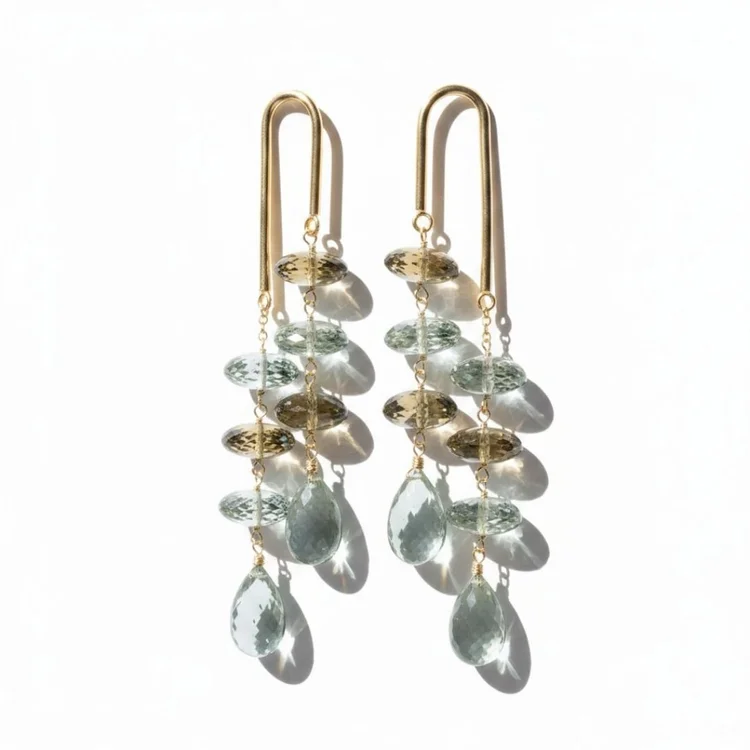
Gibson Multi-drop Gemstone Earrings
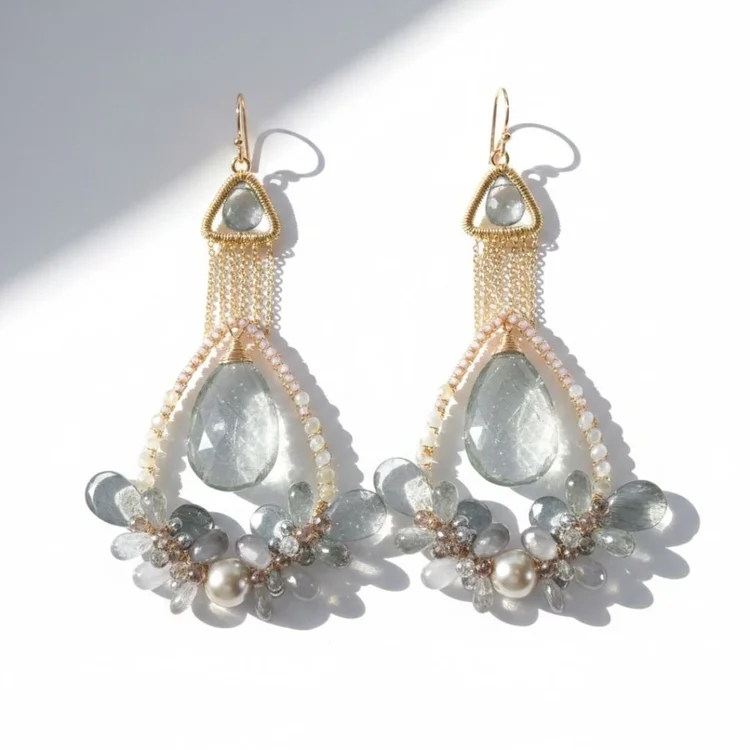
Euphorbia Statement Teardrop Earrings
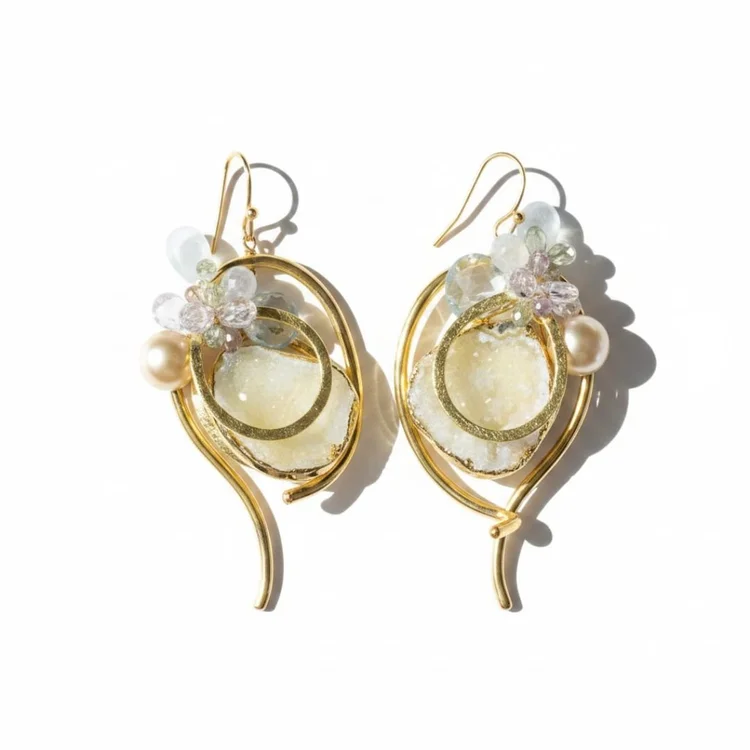
Negev Druzy Drop Earrings
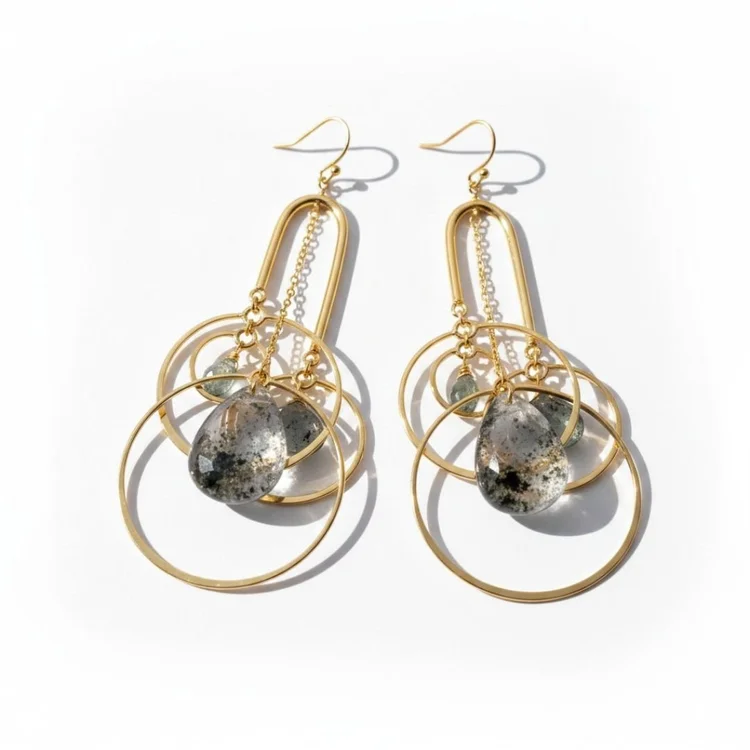
Kalahari Mobile Hoop Earrings
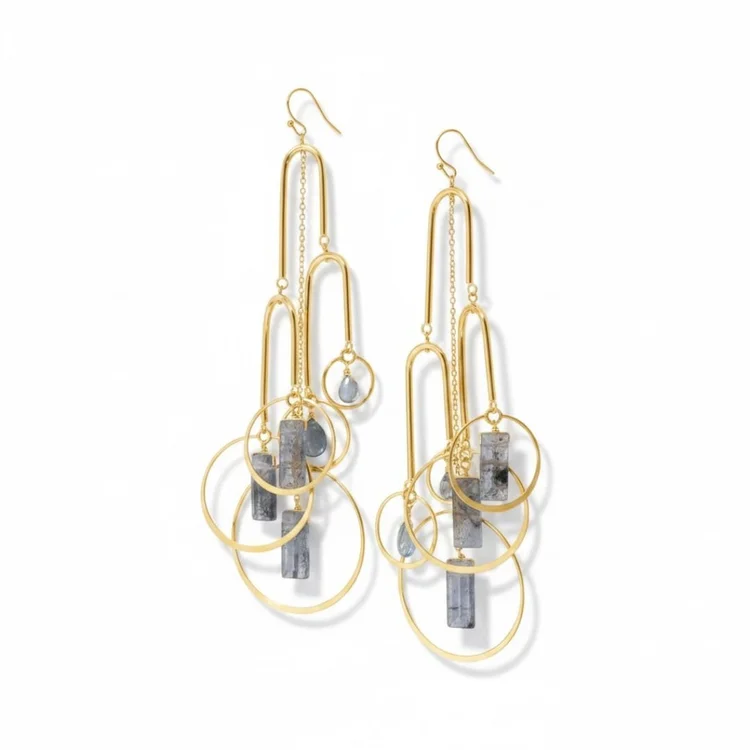
Taklimakan Mobile Hoop Earrings
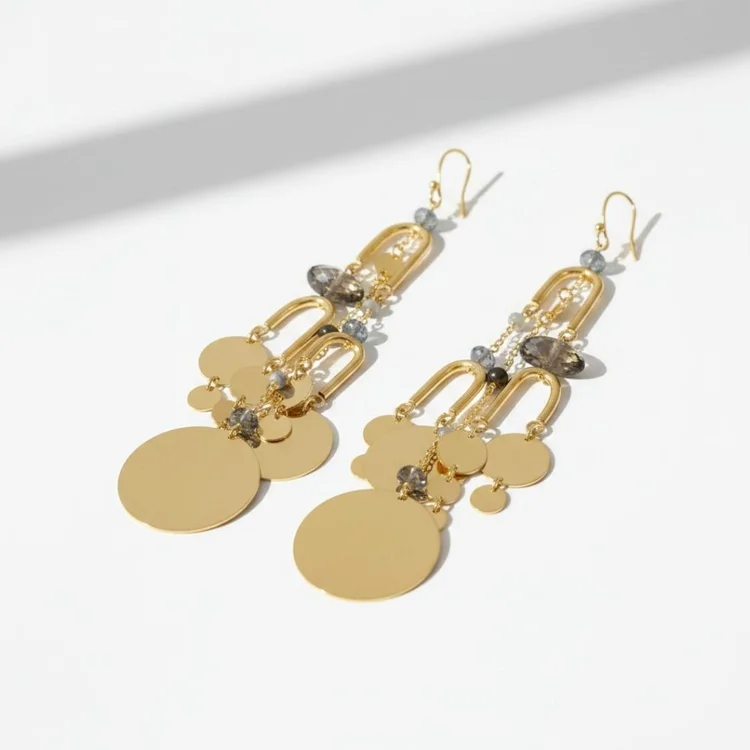
Gila Mobile Disk Earrings
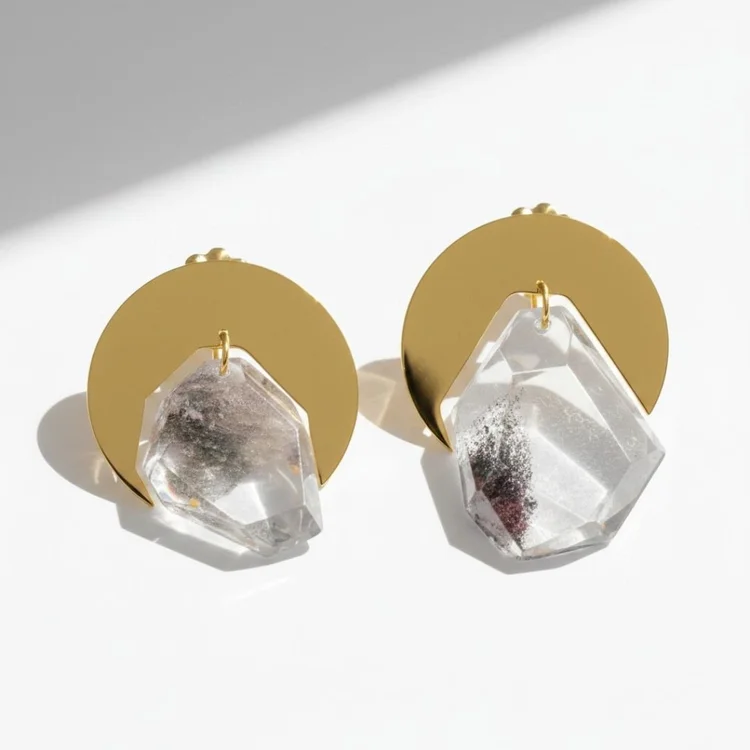
Kavir Round Disk Hoop Earrings
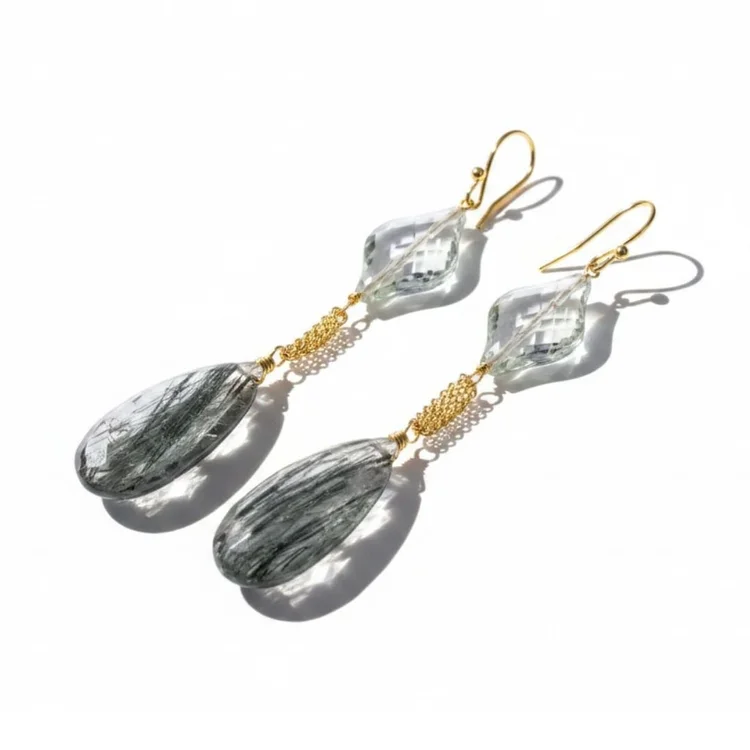
Sahara Drop Earrings
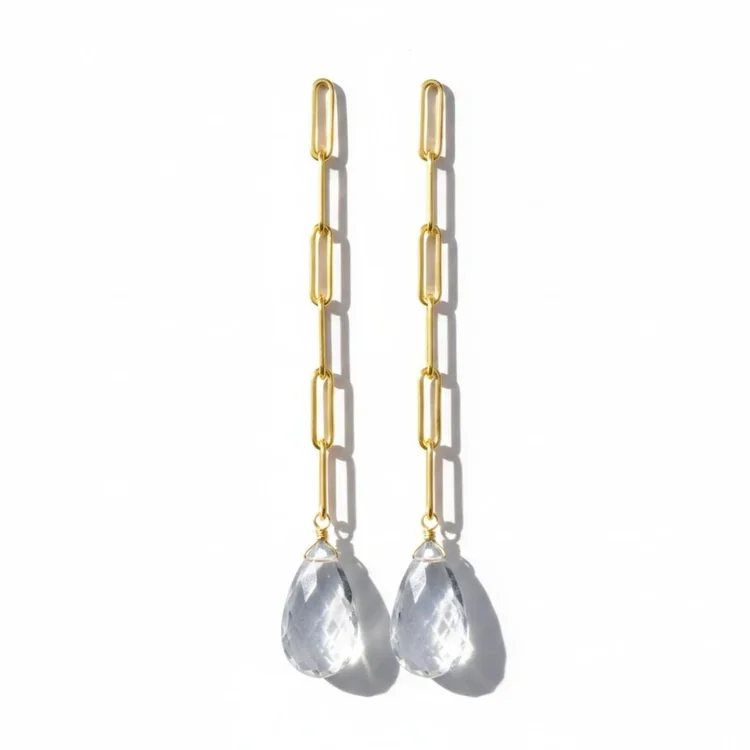
Tengger Paper Clip Chain Drop Earrings
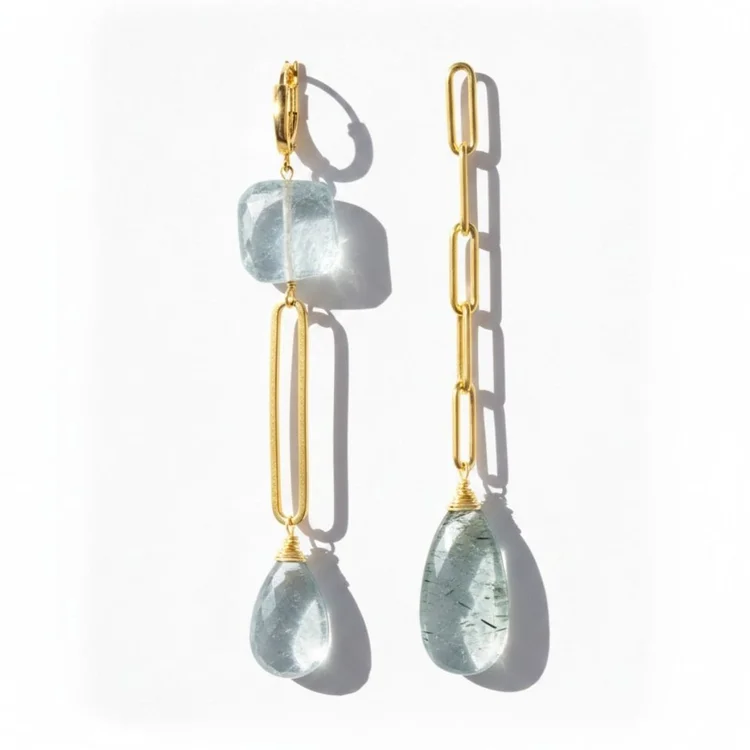
Sedona Mismatched Paperclip Chain Earrings
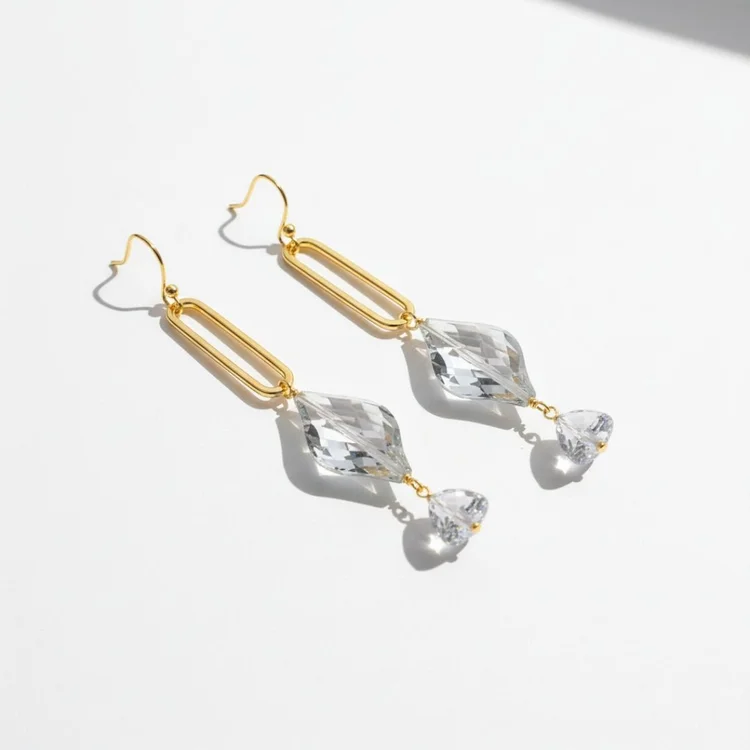
Nafud Dangle Earring With Gemstone Drop
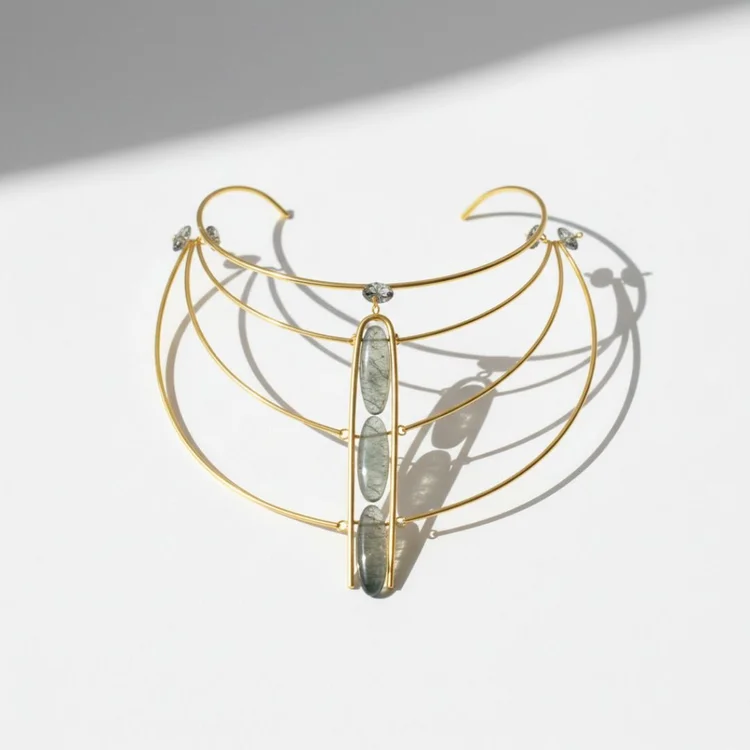
Atacama Gold Statement Bib Necklace
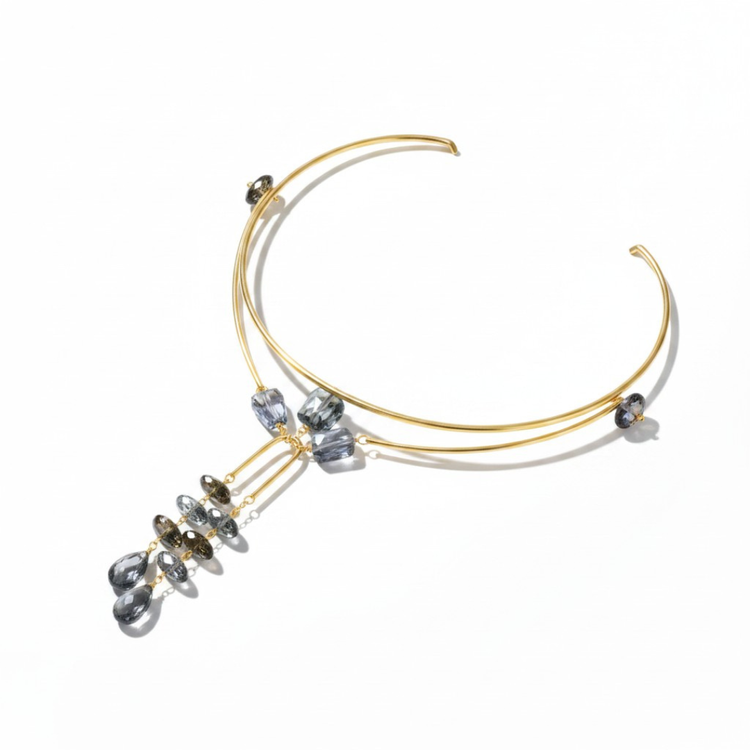
Nobia Gold Choker Necklace
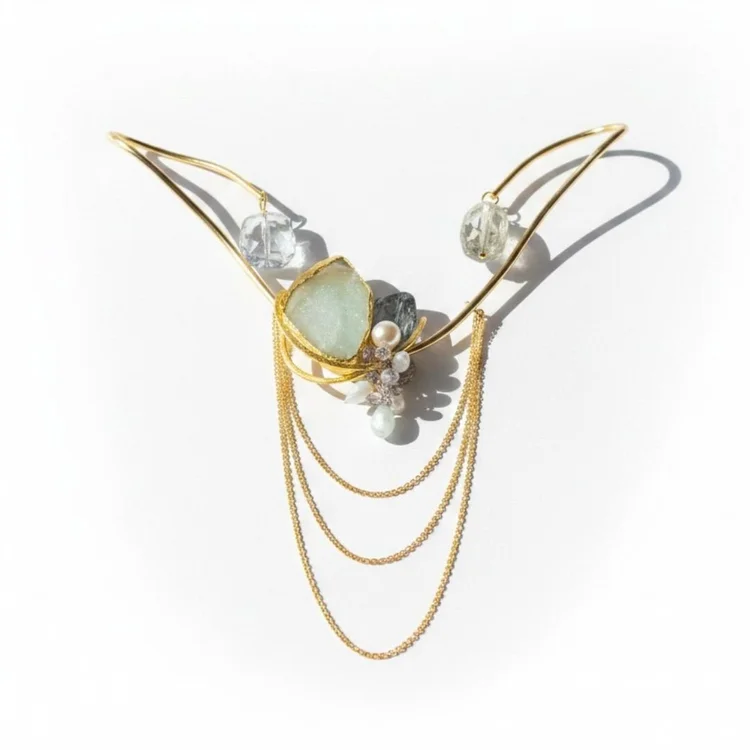
Dune High Collar Choker Gemstone Necklace
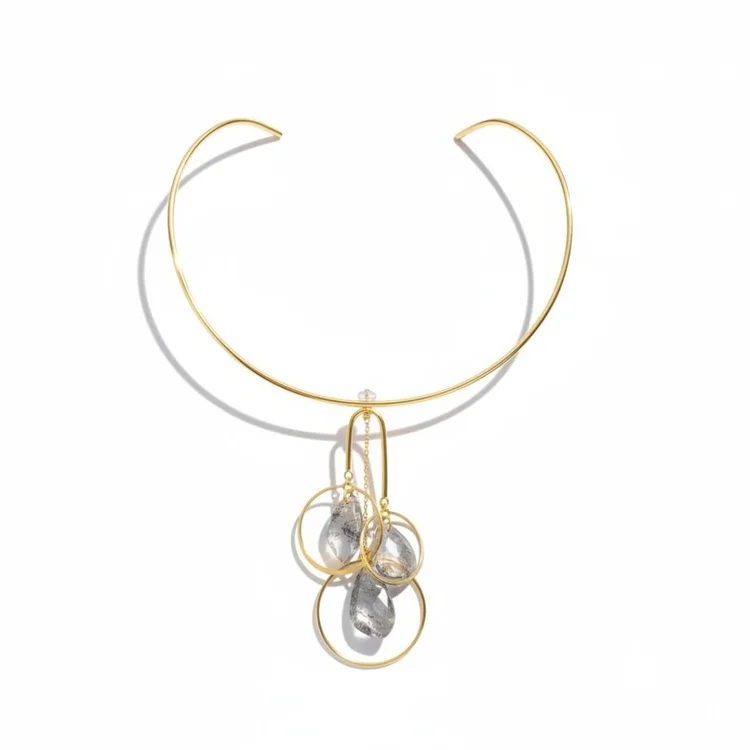
Savannah Necklace Choker Necklace
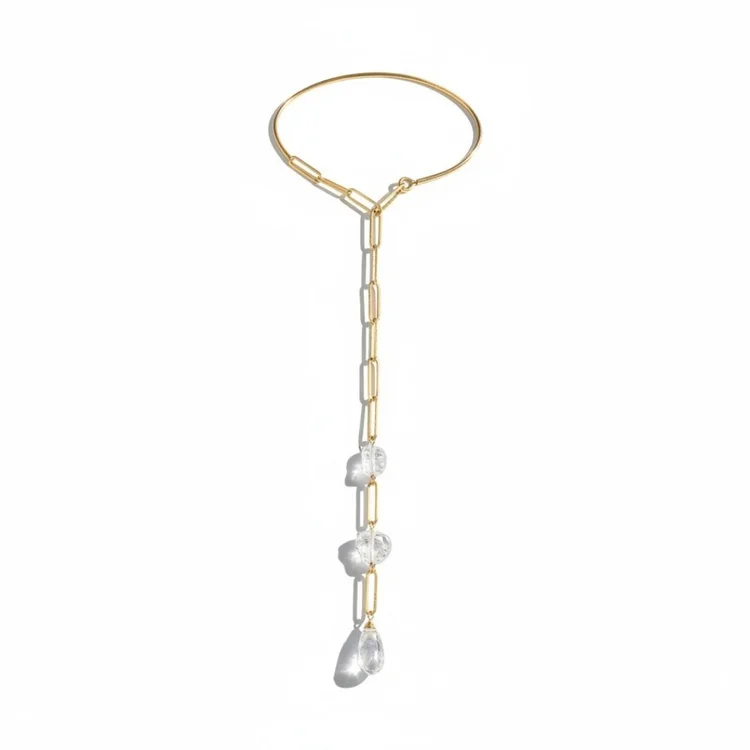
Sinai Choker Paperclip Chain Necklace
Coachella Rutilated Quartz Pendant Necklace
Sandstorm Gold Layered Necklace
Maricopa Multi Strand Necklace With Drop Pendant
Hamada Hoop Necklace
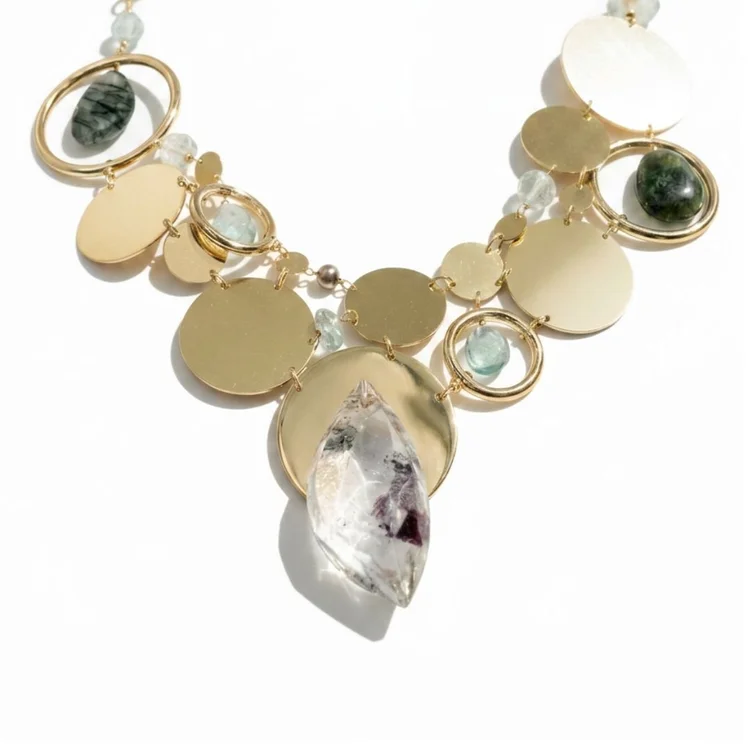
Xerophyte Multi Disk Statement Necklace
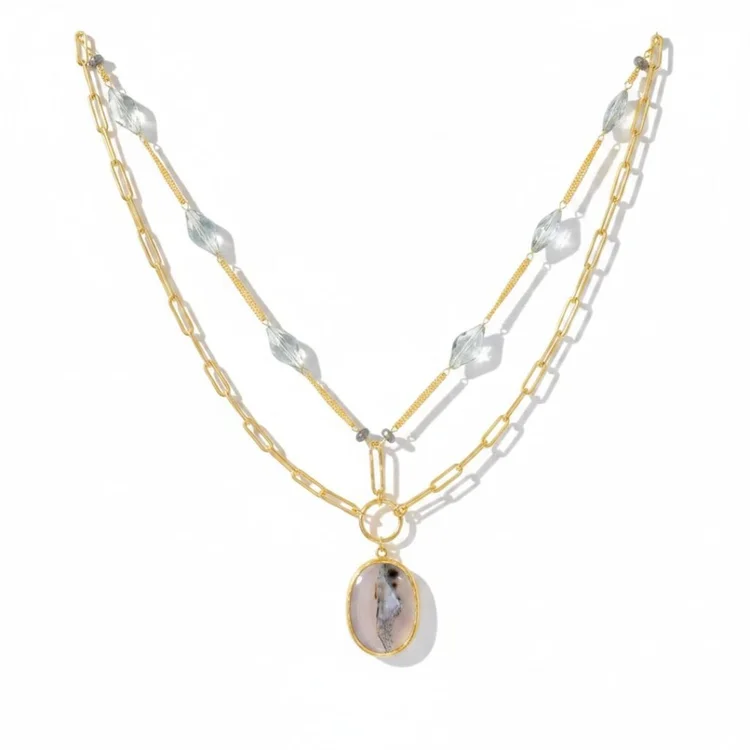
Mojave Double Layered Paper Clip Chain Necklace
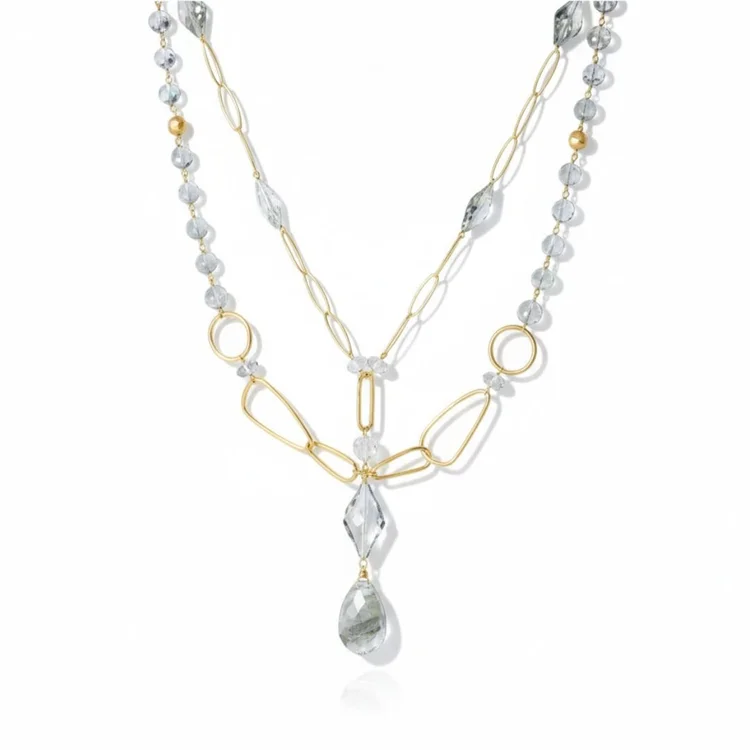
Canyon Double Layer Necklace
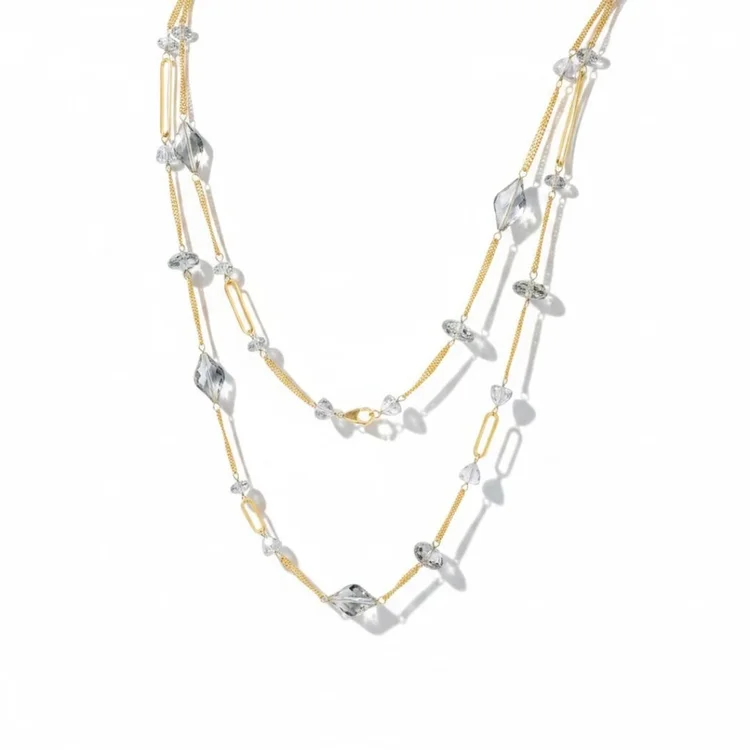
Andes Long Layered Necklace
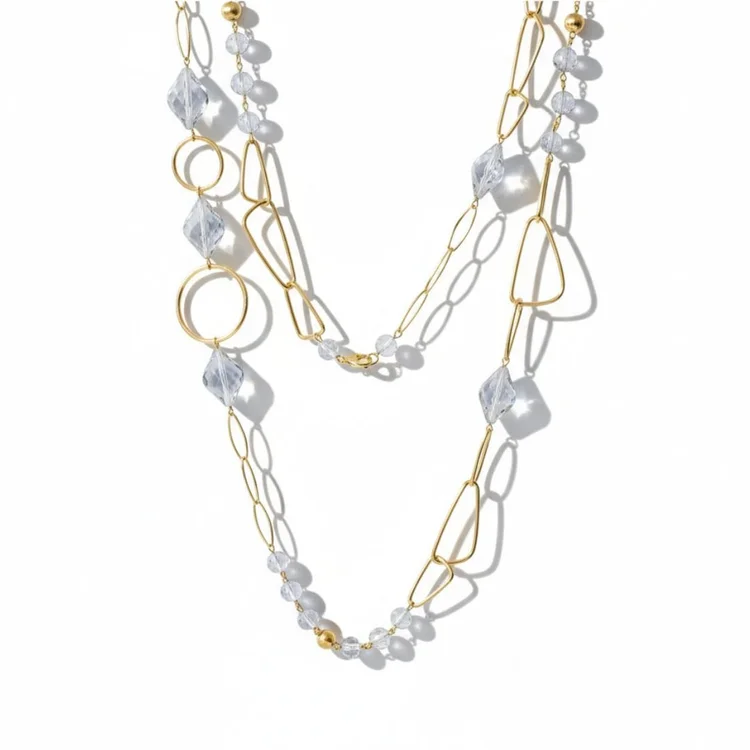
Maricopa Long Layering Necklace
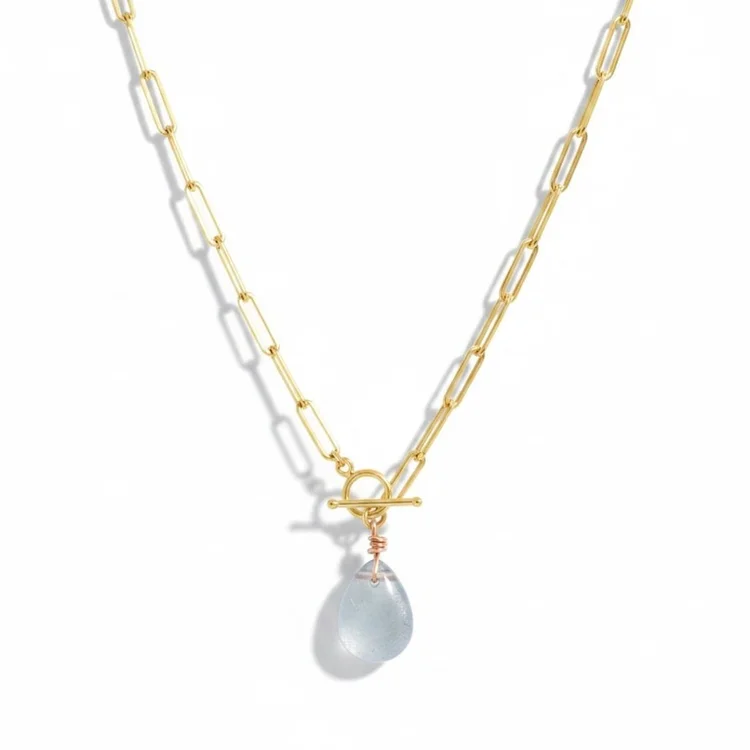
Albedo Paper Clip Chain Pendant Necklace
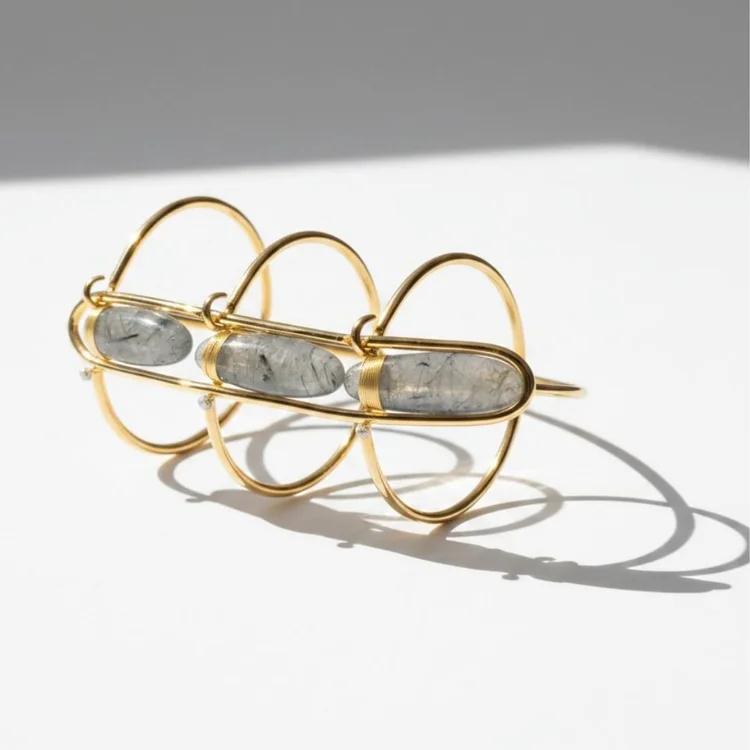
Gobi Gold Three-tiered Statement Cuff Bracelet
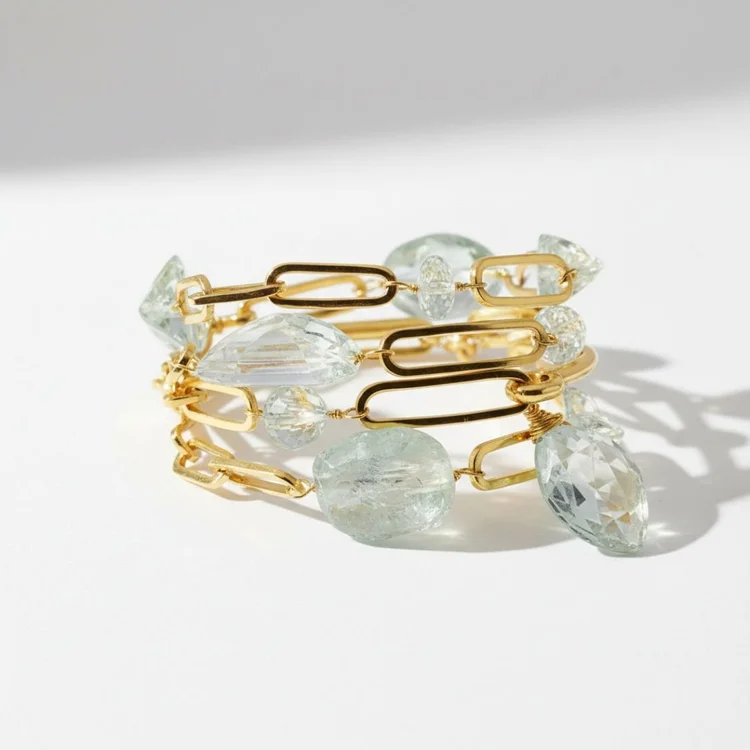
Sonorah Paperclip Chain Wrap Bracelet
The Lookbook
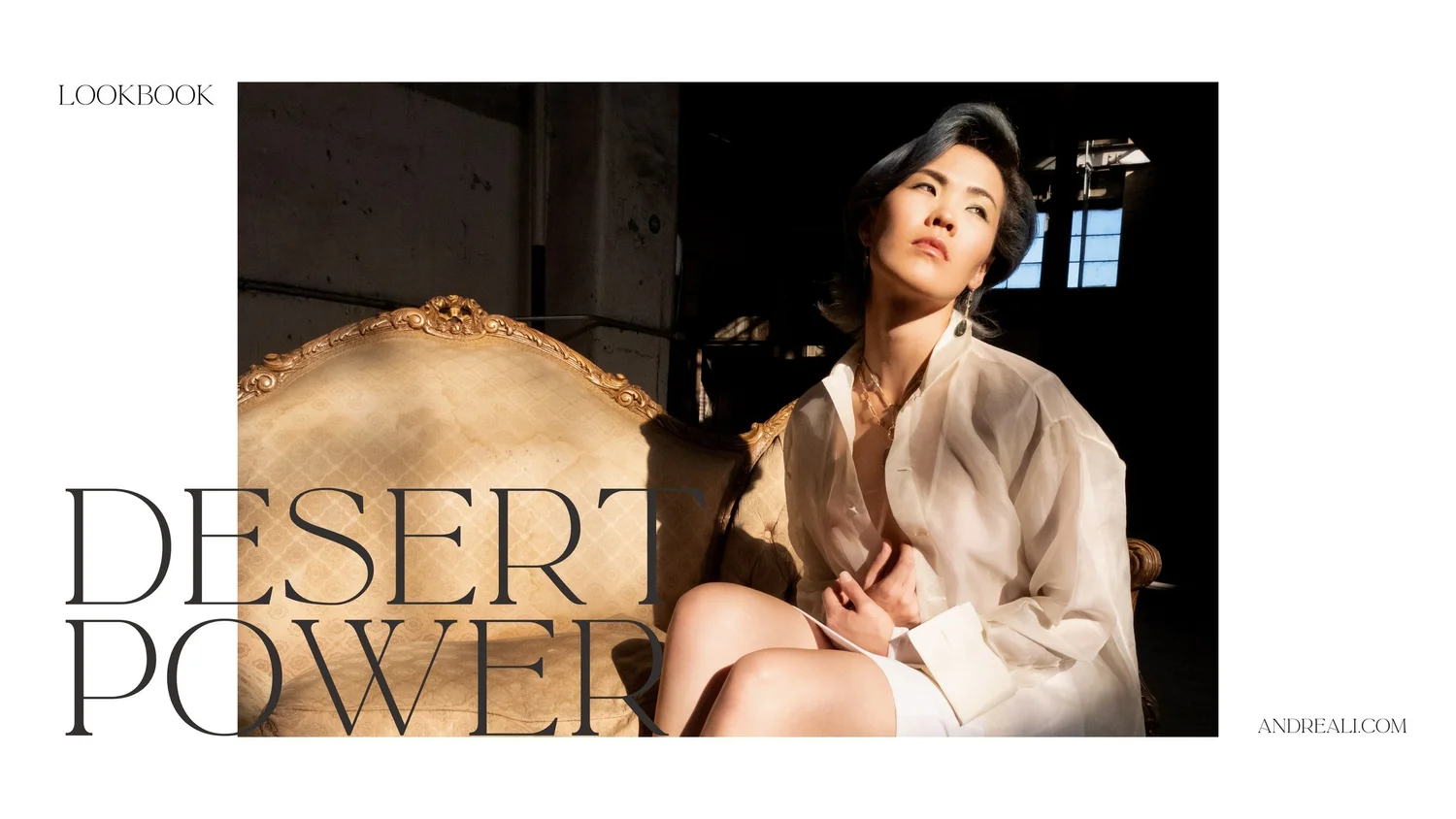
Desert Power
Photography Nicole Marcelli · Model Aidana Tokenova · Creative direction, styling and hair Charlie Price · Makeup Tia · Creative Credits
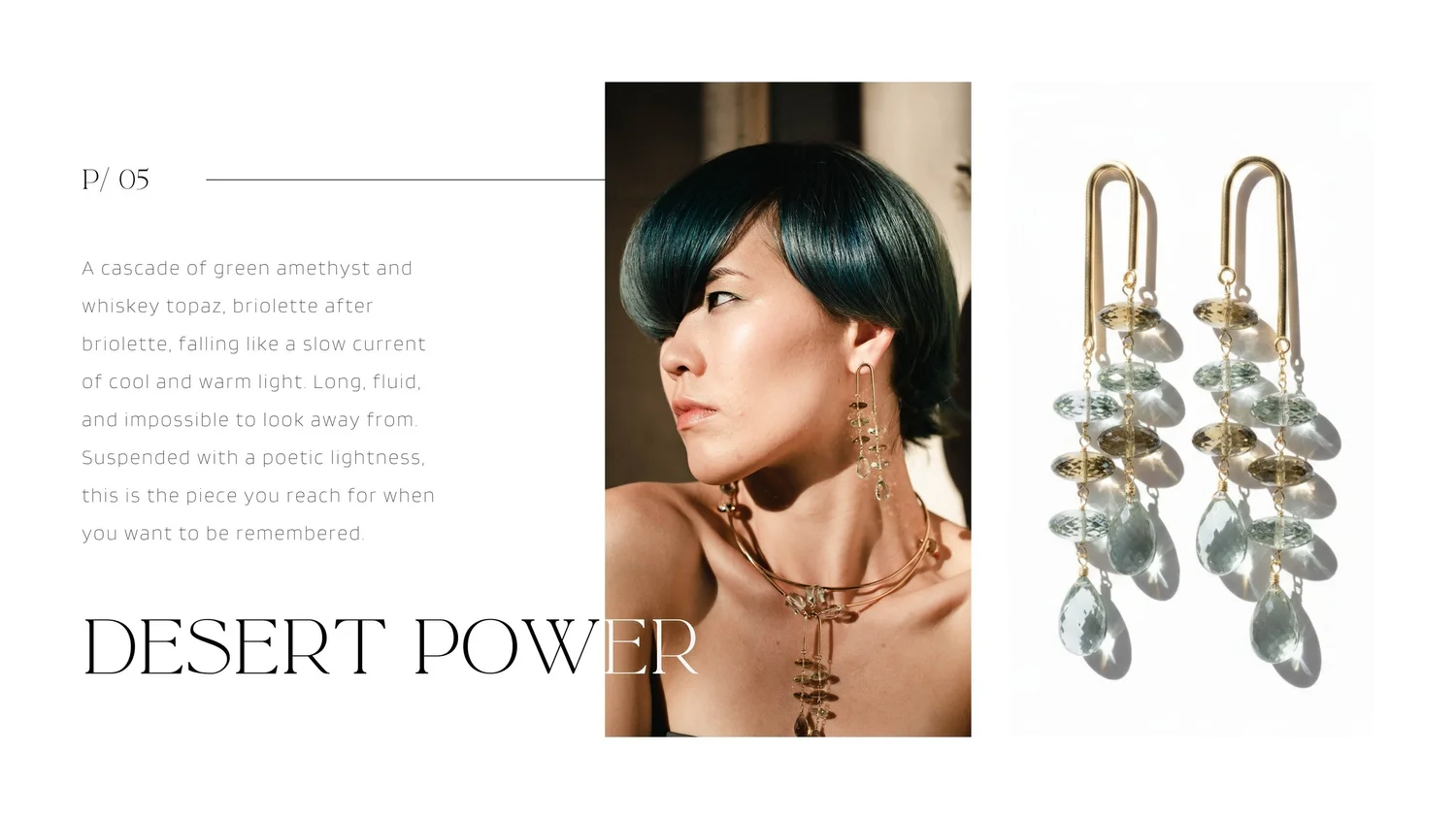
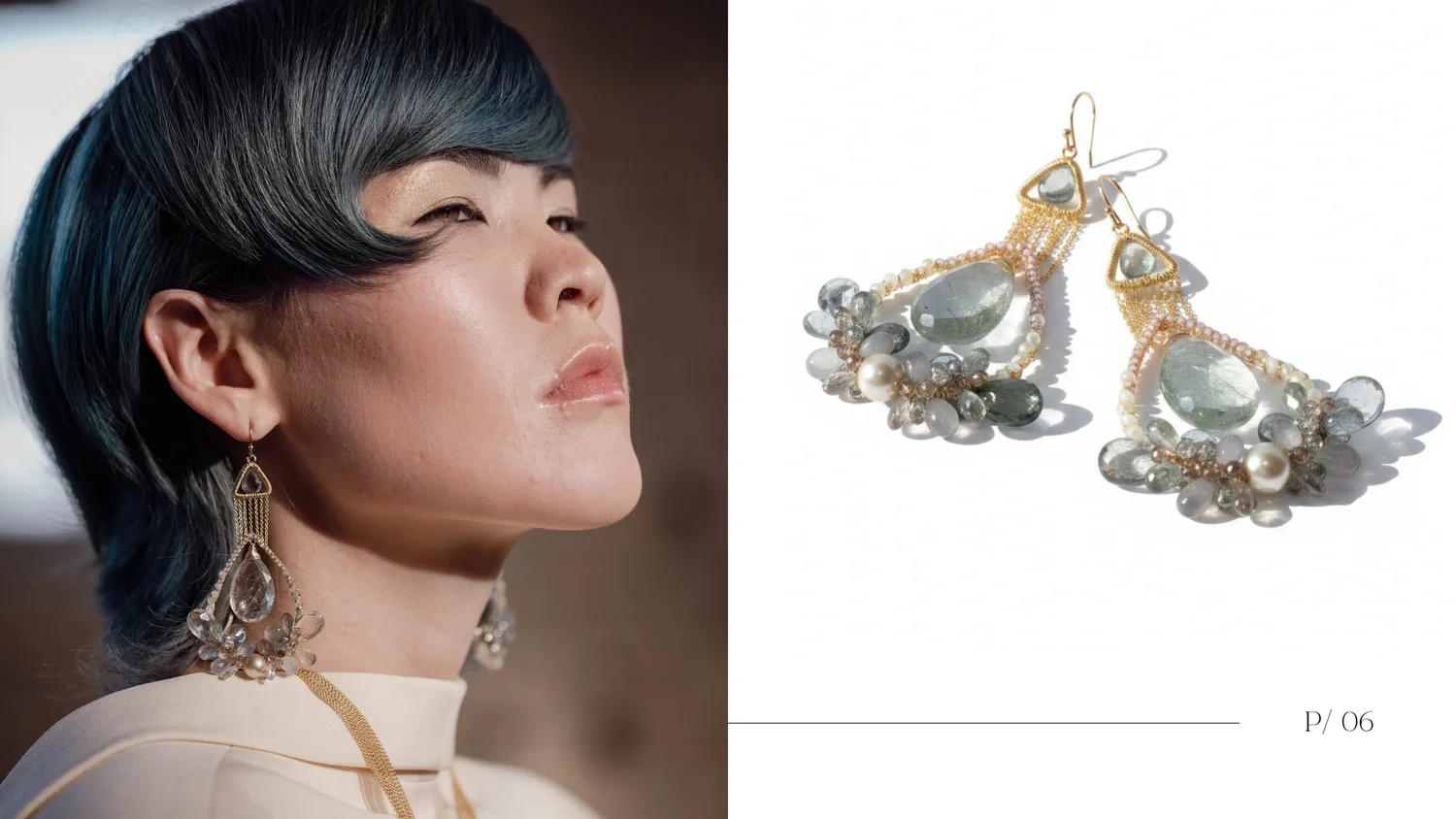
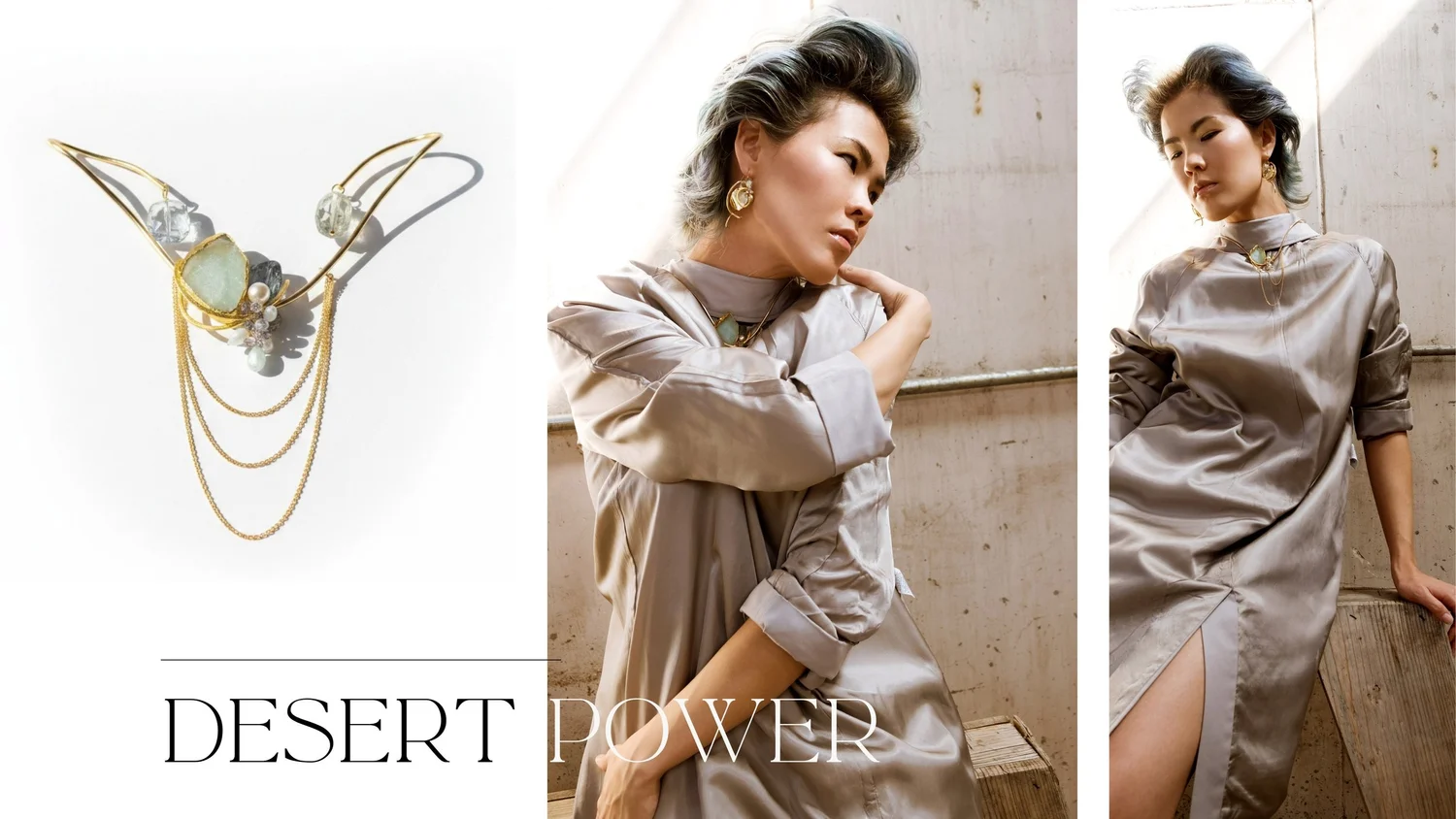
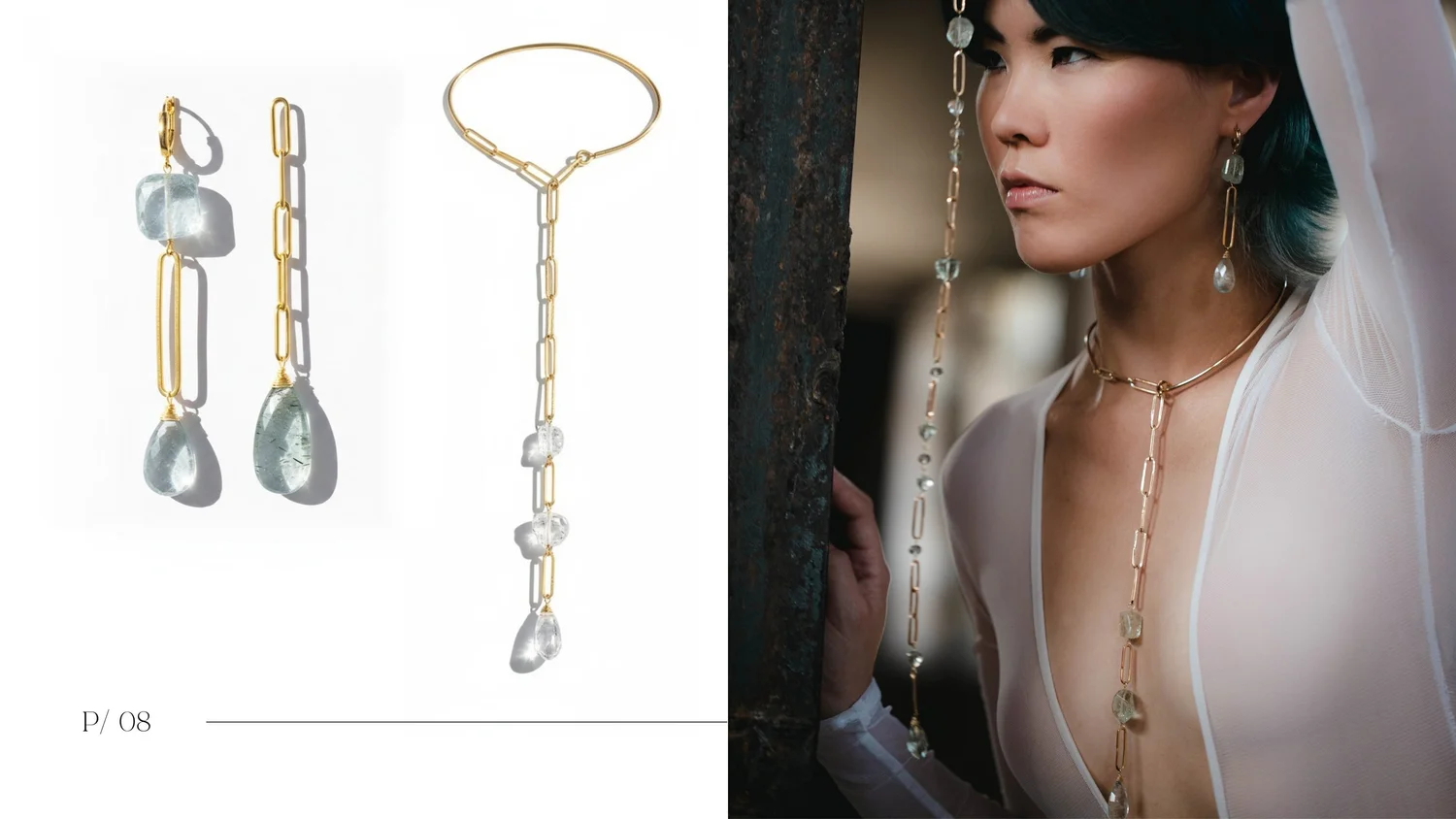
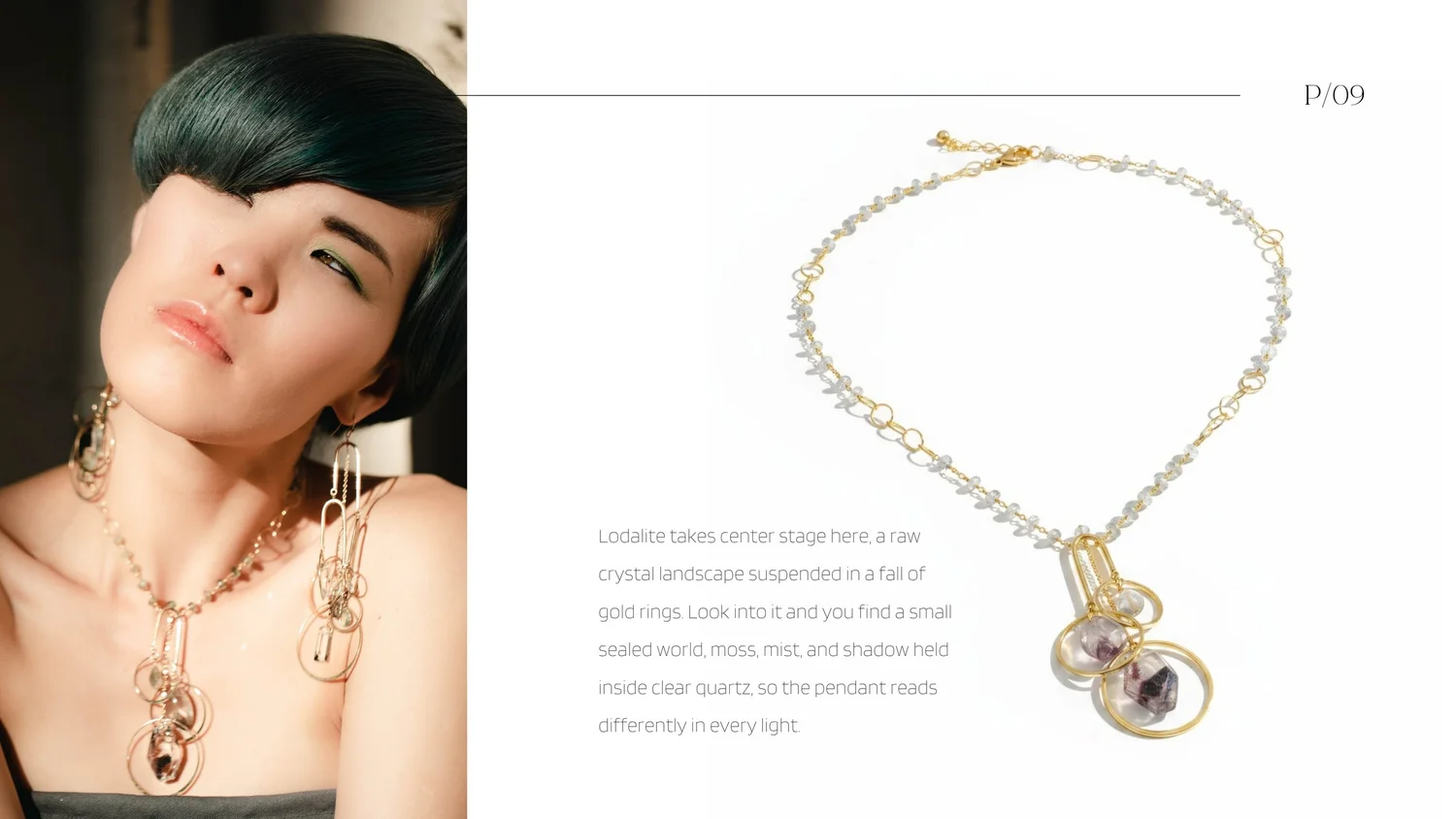
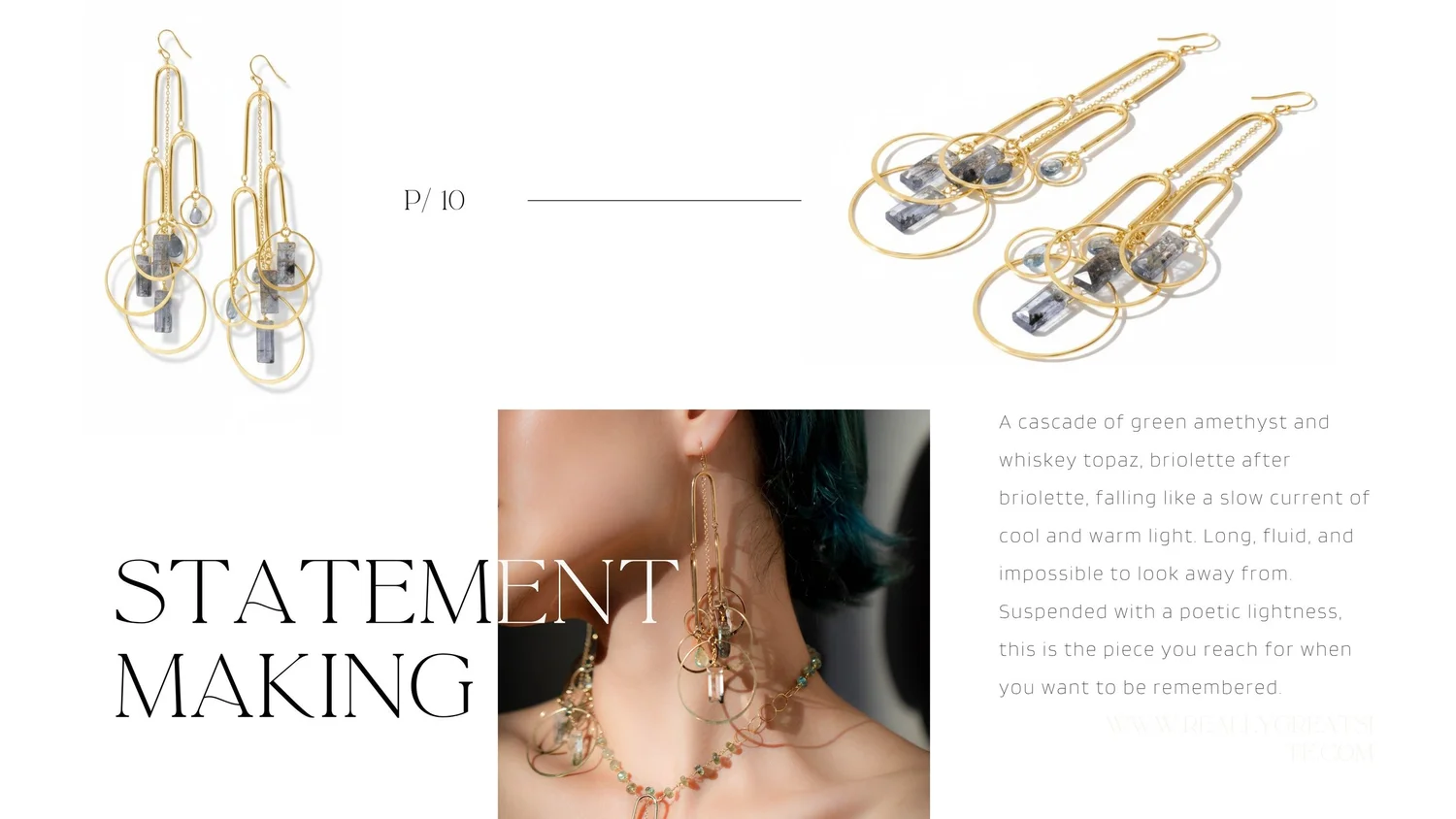
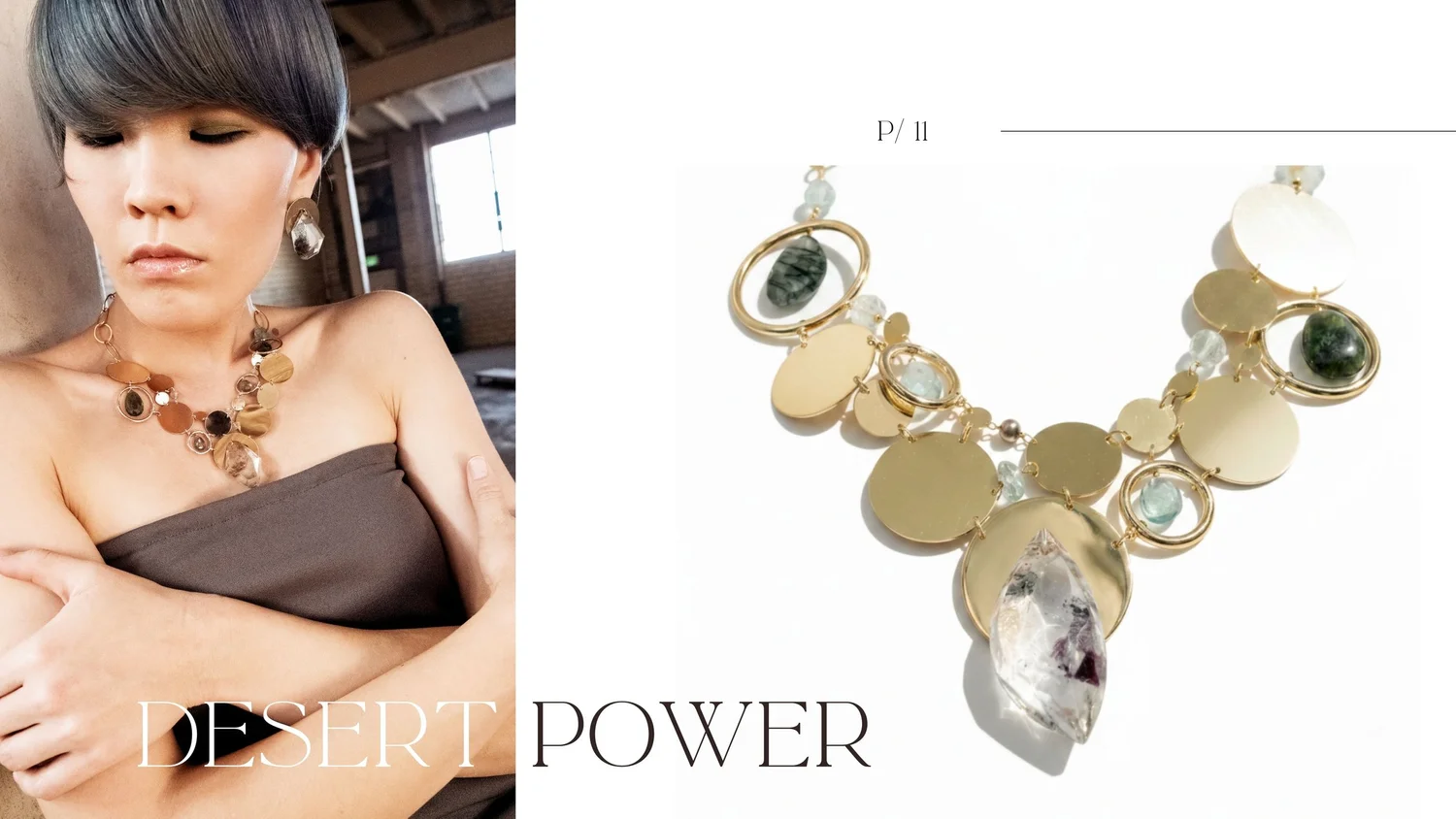
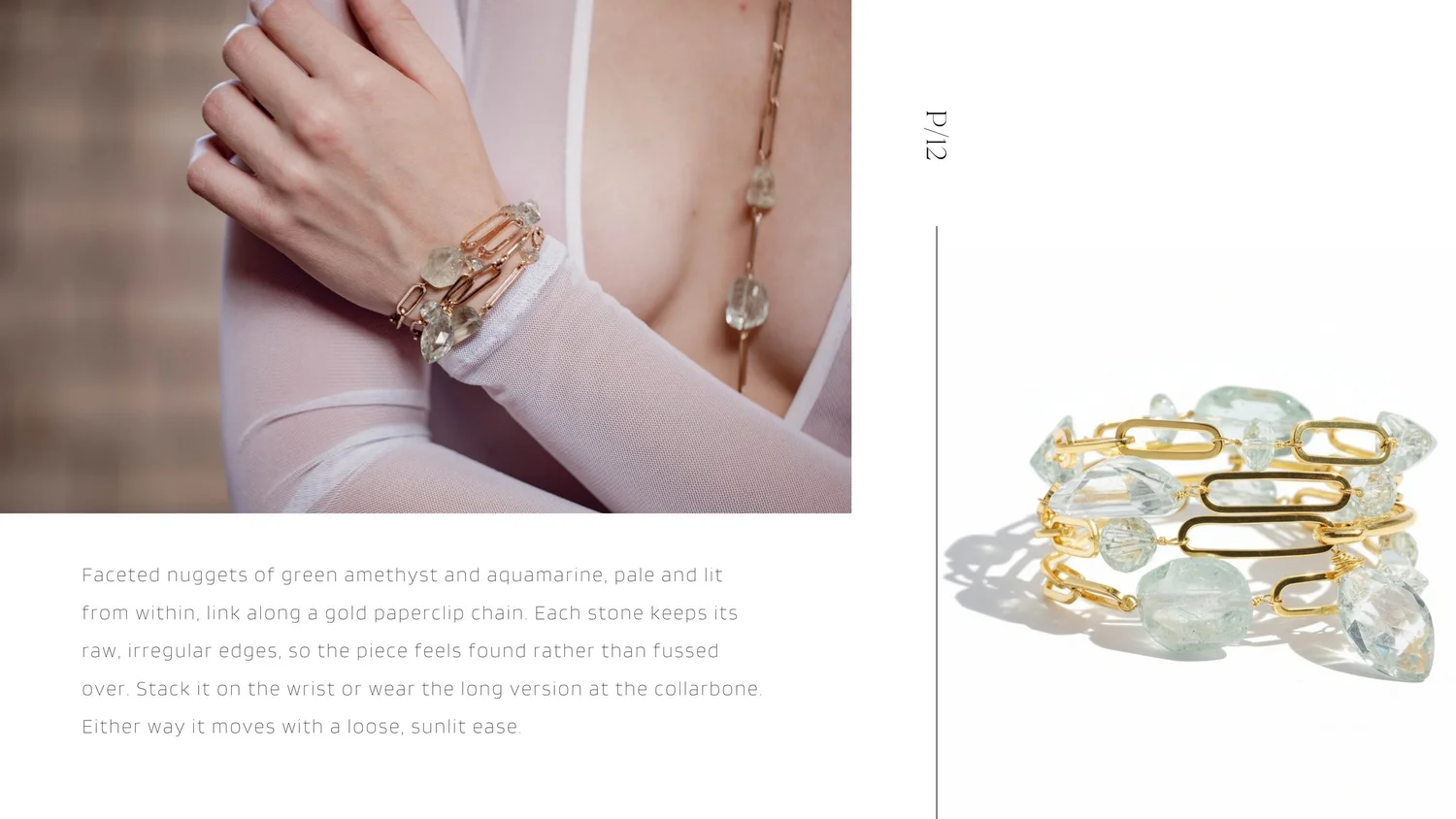
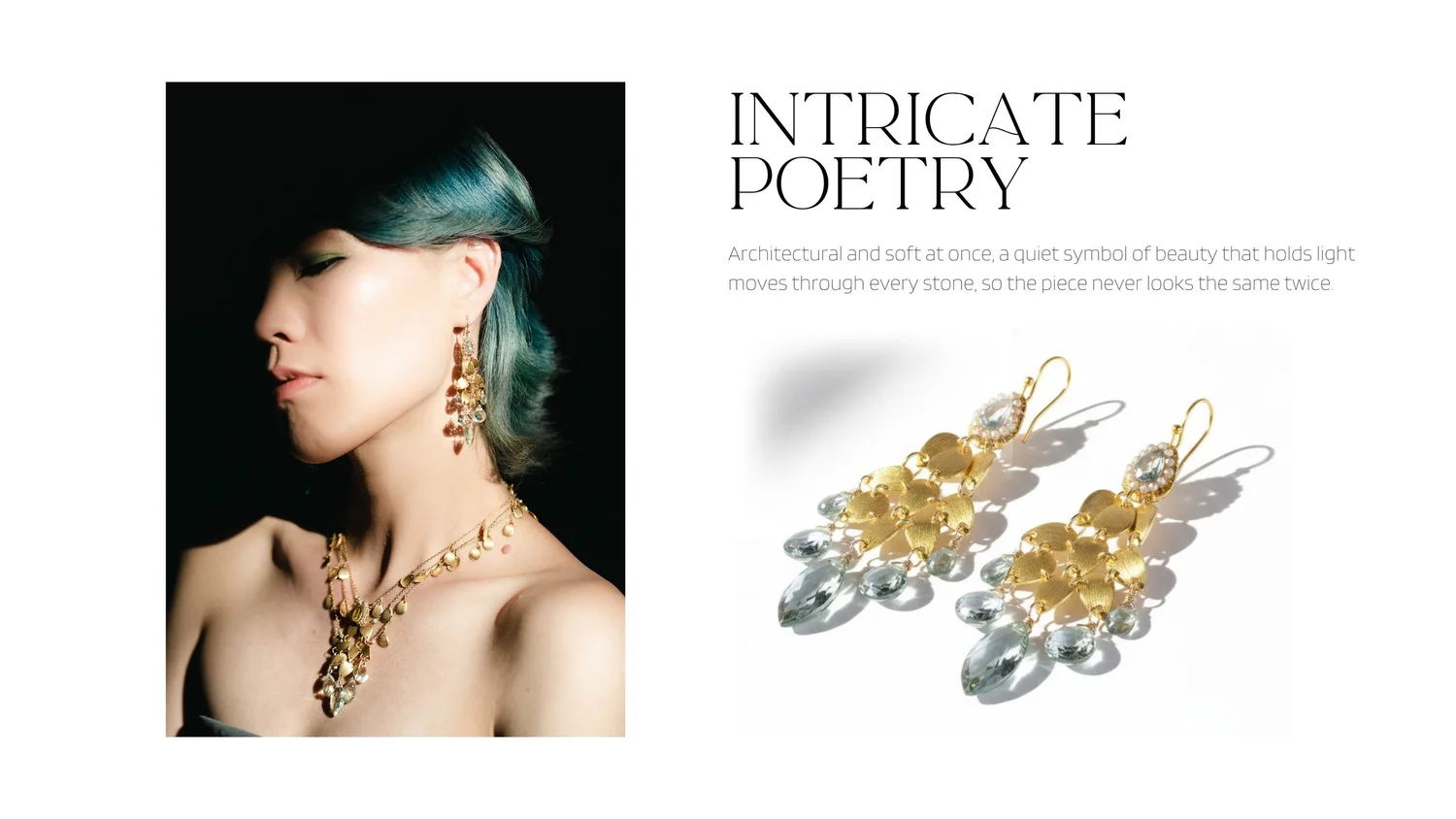
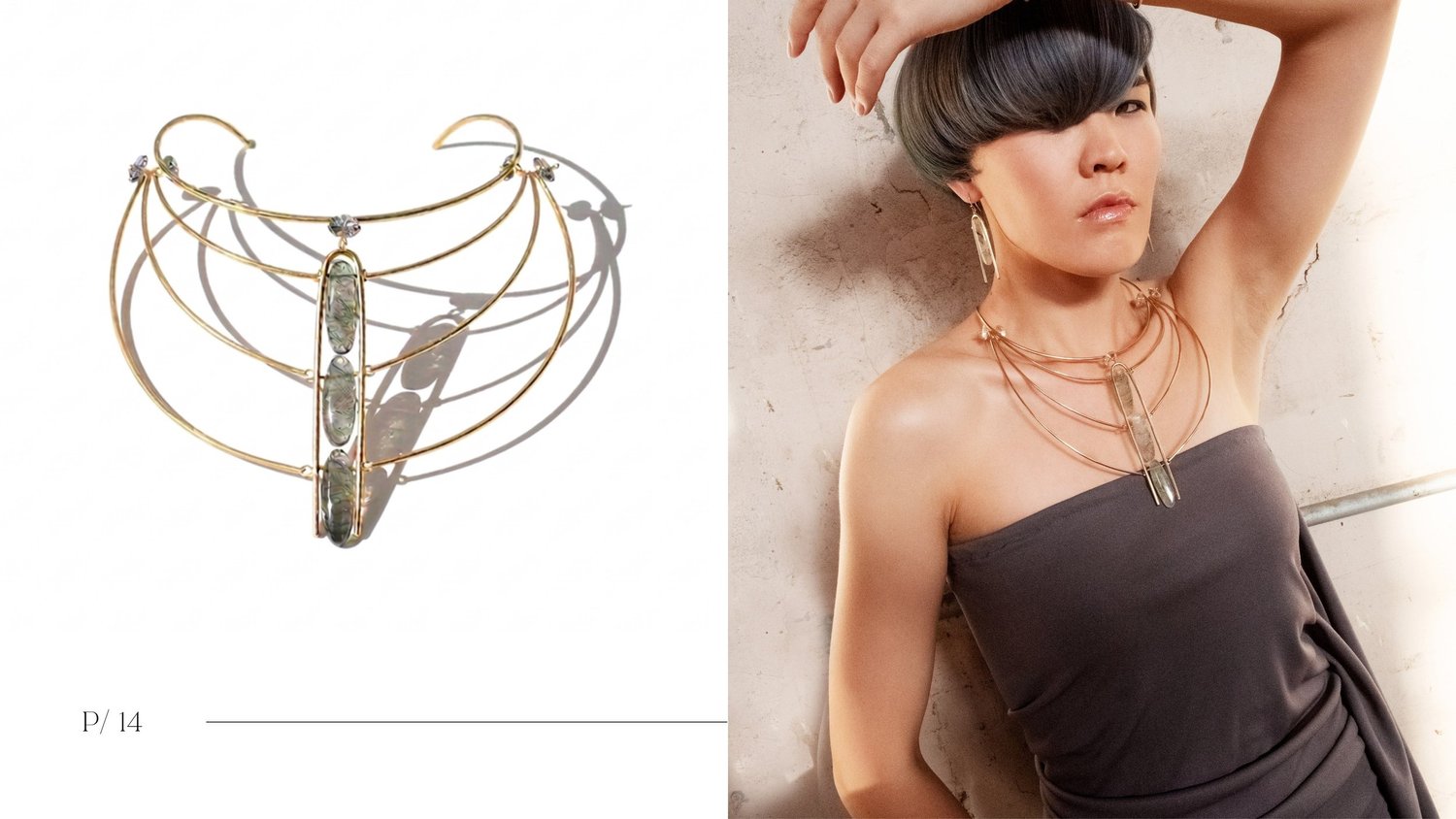
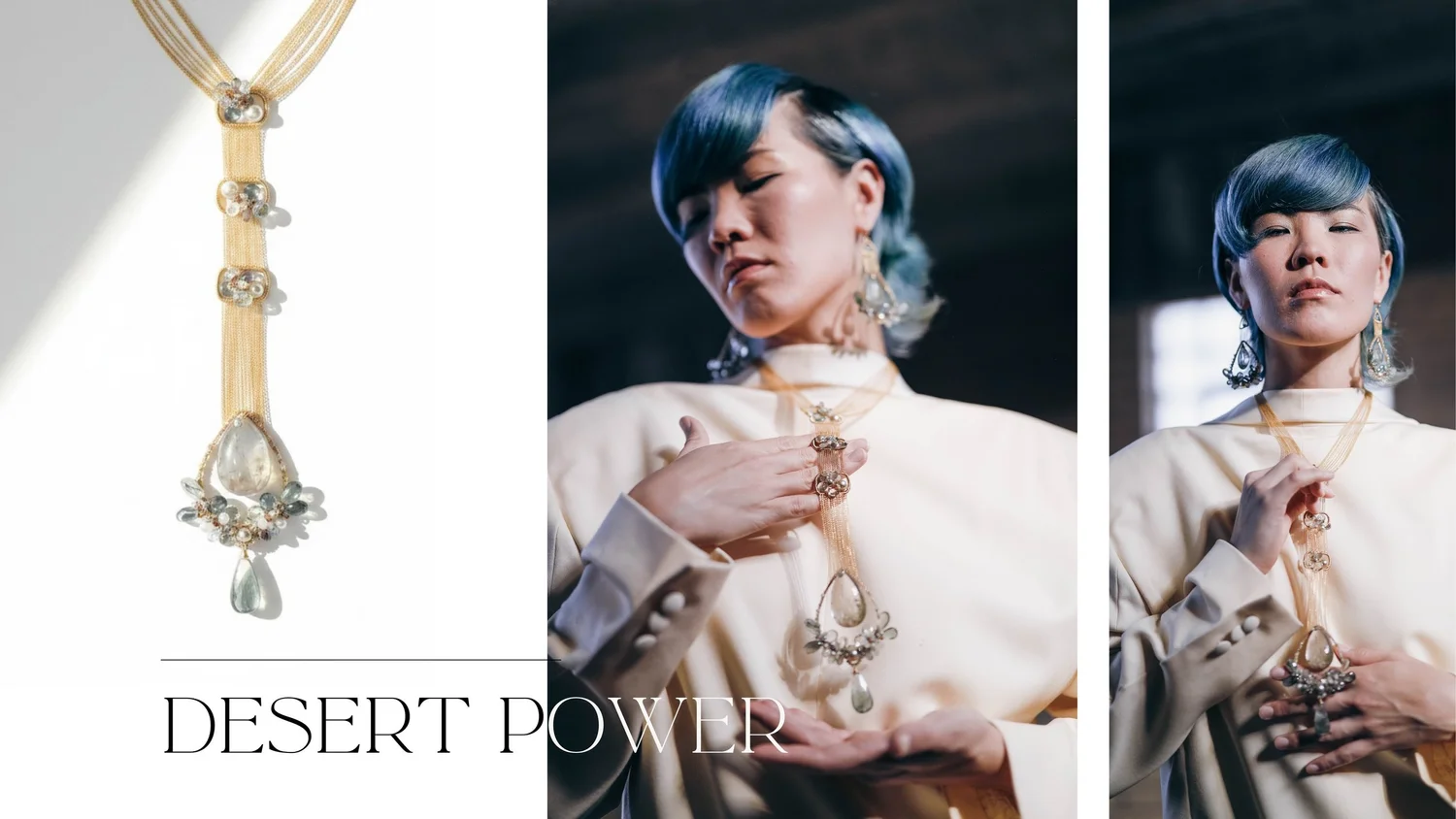
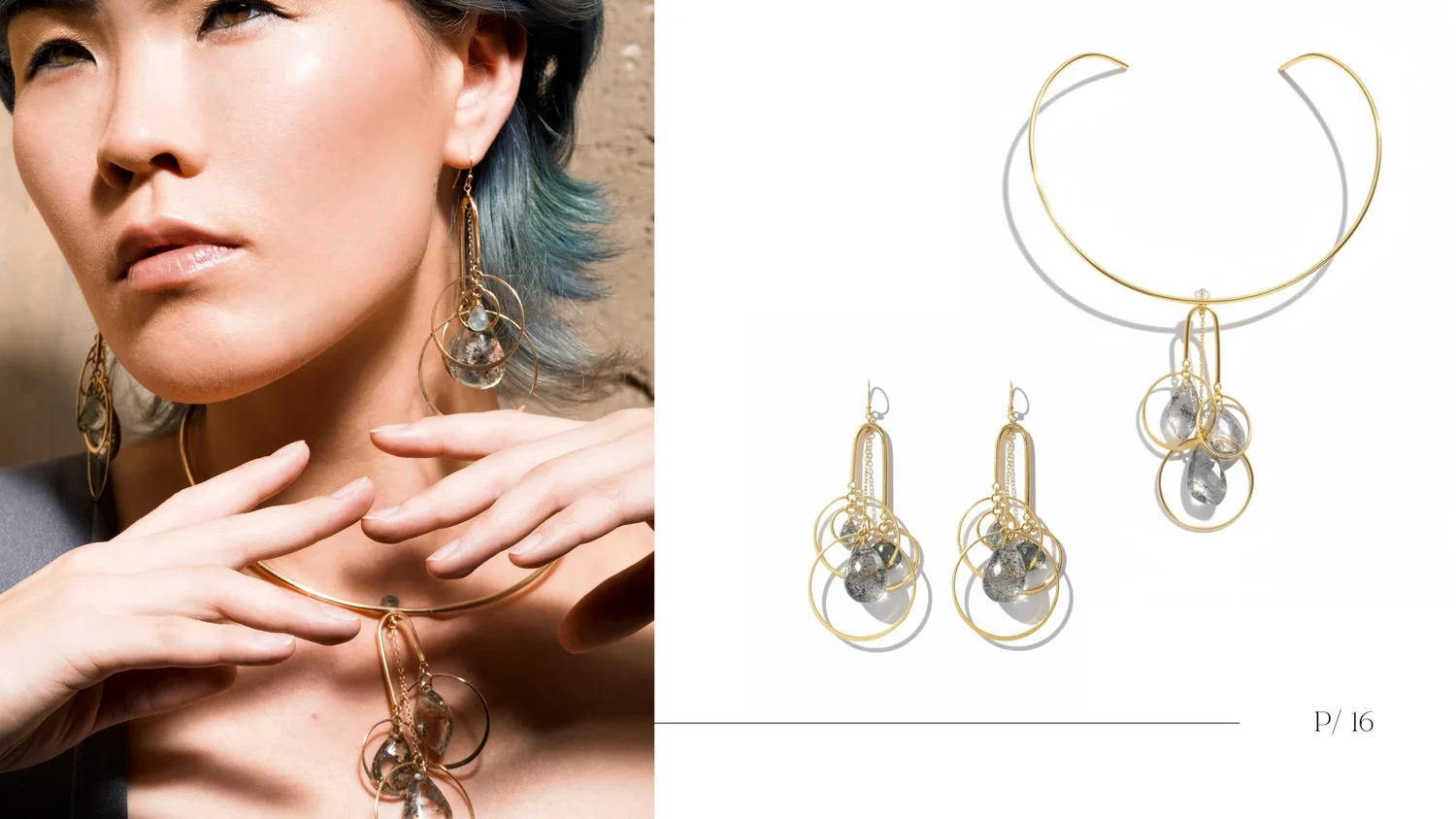
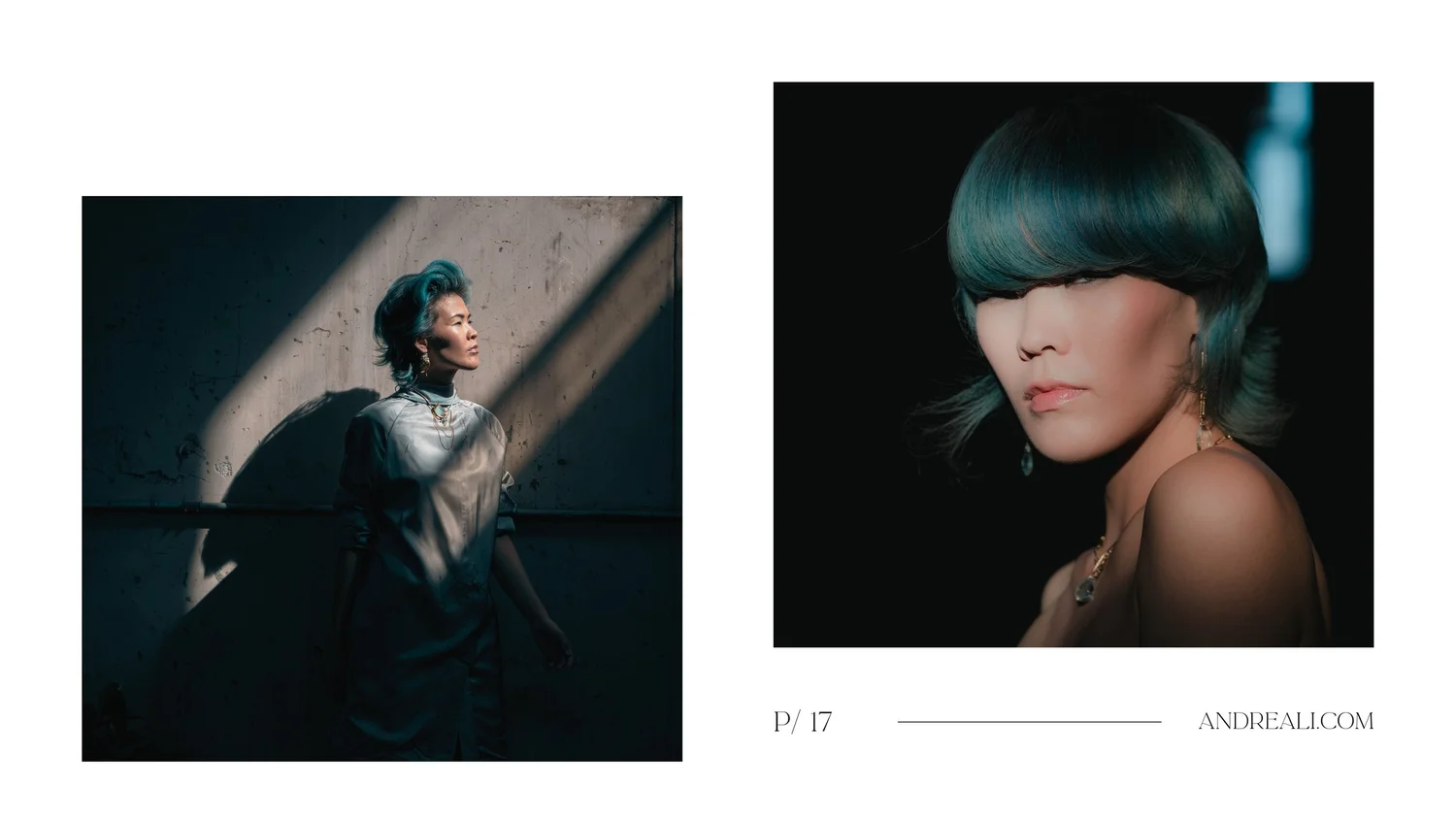

From the bench · Andrea Li
The stone that already holds its own weave
A note from Andrea Li, who set the lodolite in her Desert Power collection by hand in her Denver studio.
On the back of almost everything I make there is a weave, a web of wire where every connection is held under tension. People told me for years to hide it. I never could. It is the truest part of my work, the place where chaos gets turned into something more beautiful for having been endured. Lodolite is the one stone that made me set my weave down.
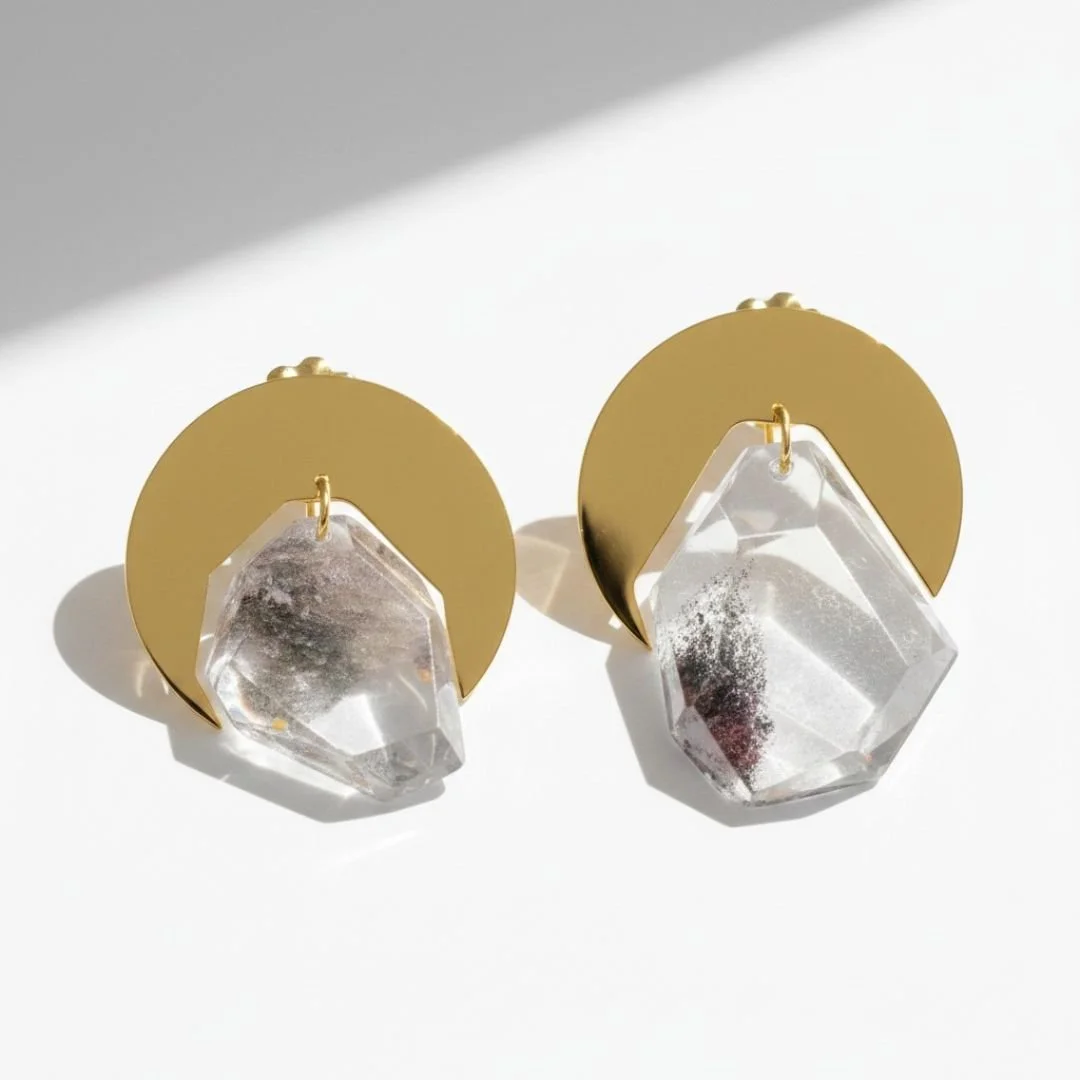
Look inside a lodolite and you find a whole landscape suspended in clear quartz: green chlorite gardens and rust-colored drifts the earth sealed in over a very long time. It is chaos, held still and made beautiful. It is, in its own way, already a weave. So when I built these for my Desert Power collection, I did something I rarely do with a center stone. I kept my hand quiet. Instead of surrounding it with my usual clustered wirework, I fabricated a clean, solid hoop and nestled a single lodolite crystal at its center, so nothing competed with the world already inside it.
Lodolite had already done the weaving. My only job was to get out of its way.
Across the rest of Desert Power my weave was everywhere, whole suites cold connected by threading wire through each tiny link so no heat ever reached a stone. Lodolite was the exception that proved the point. The throughline is the same whether the tangle is mine or the earth's: chaos, endured, and turned into something more refined for having come through it. On the back of my pieces you can watch me do it by hand. Inside a lodolite, you can watch the earth do it too.
Lodolite · Garden Quartz
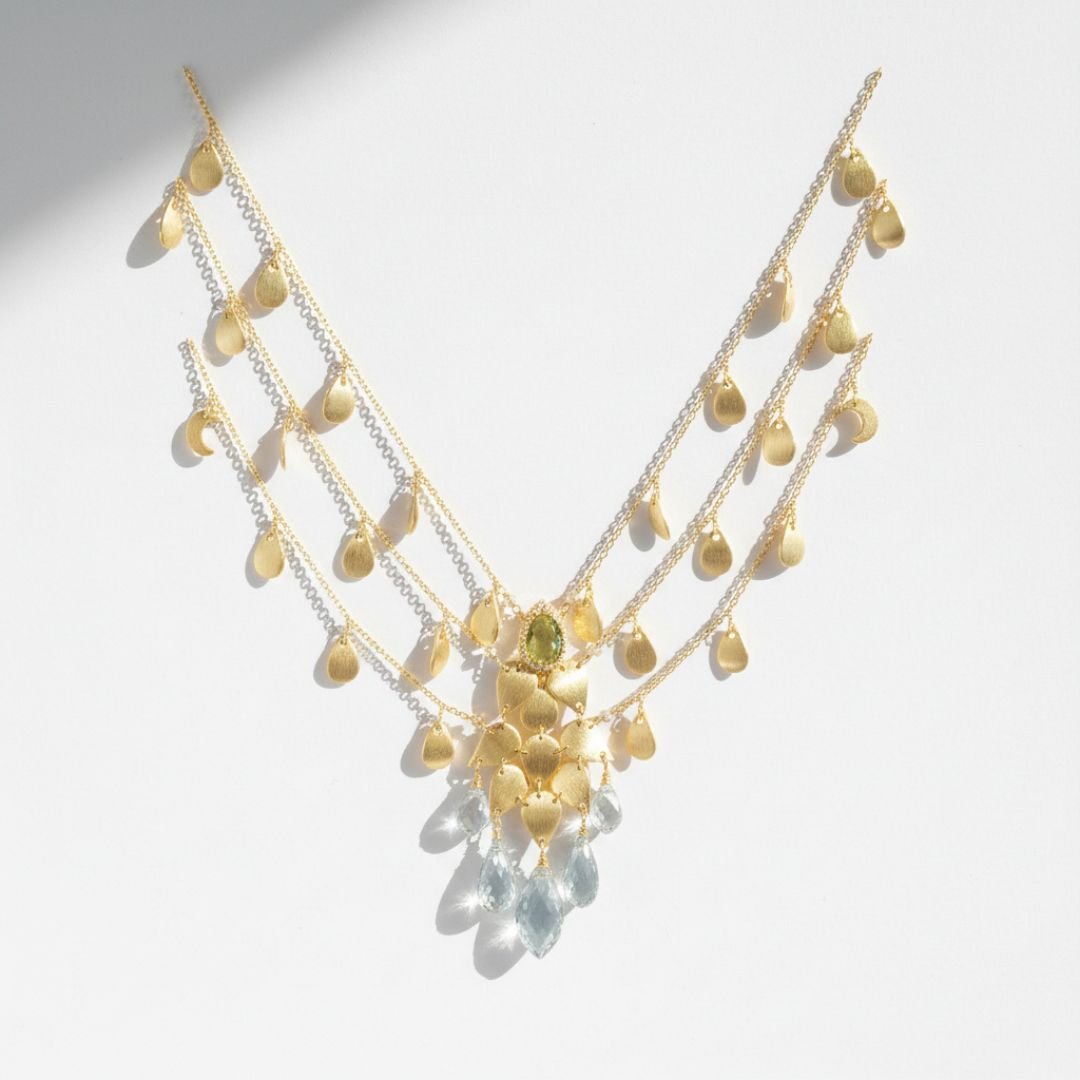
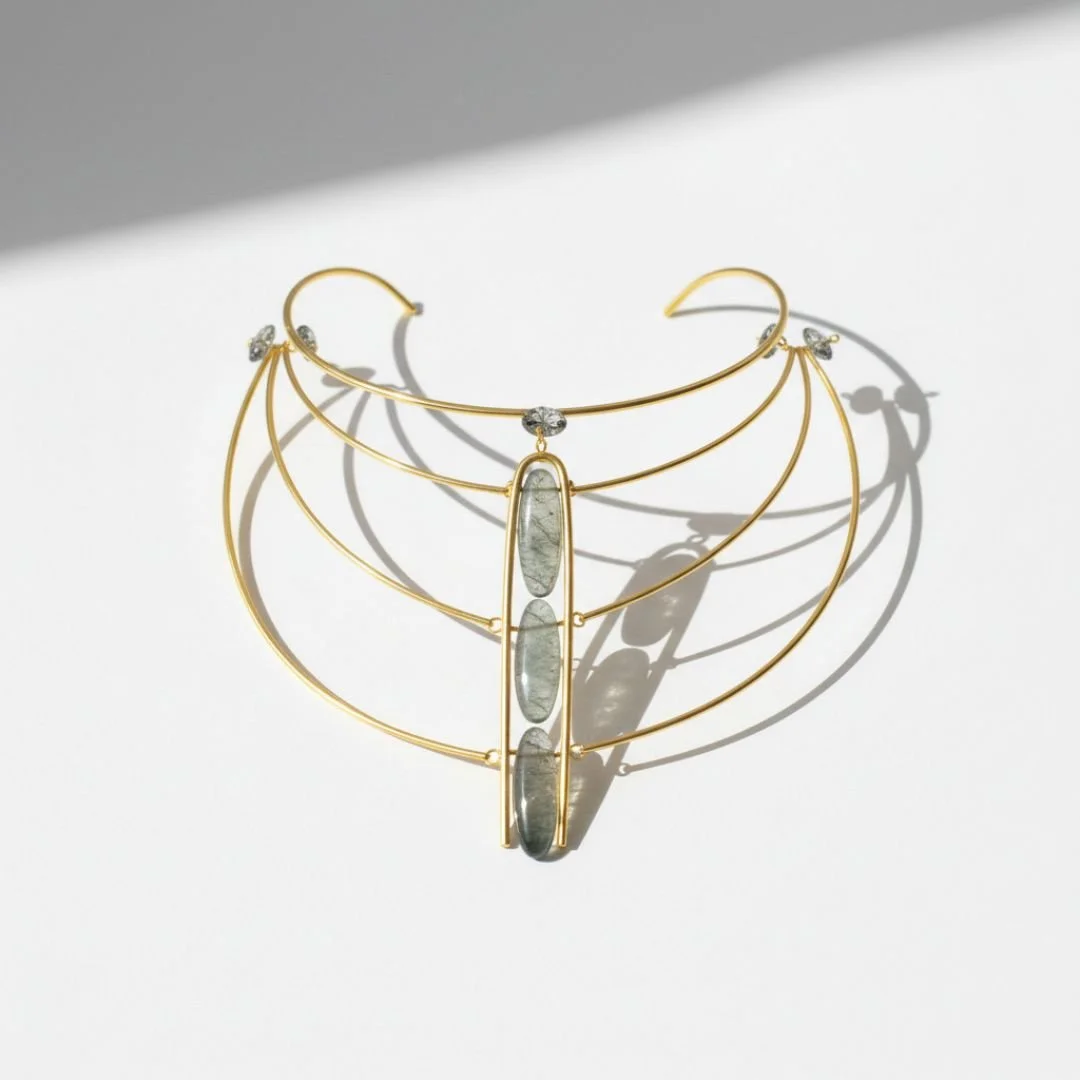
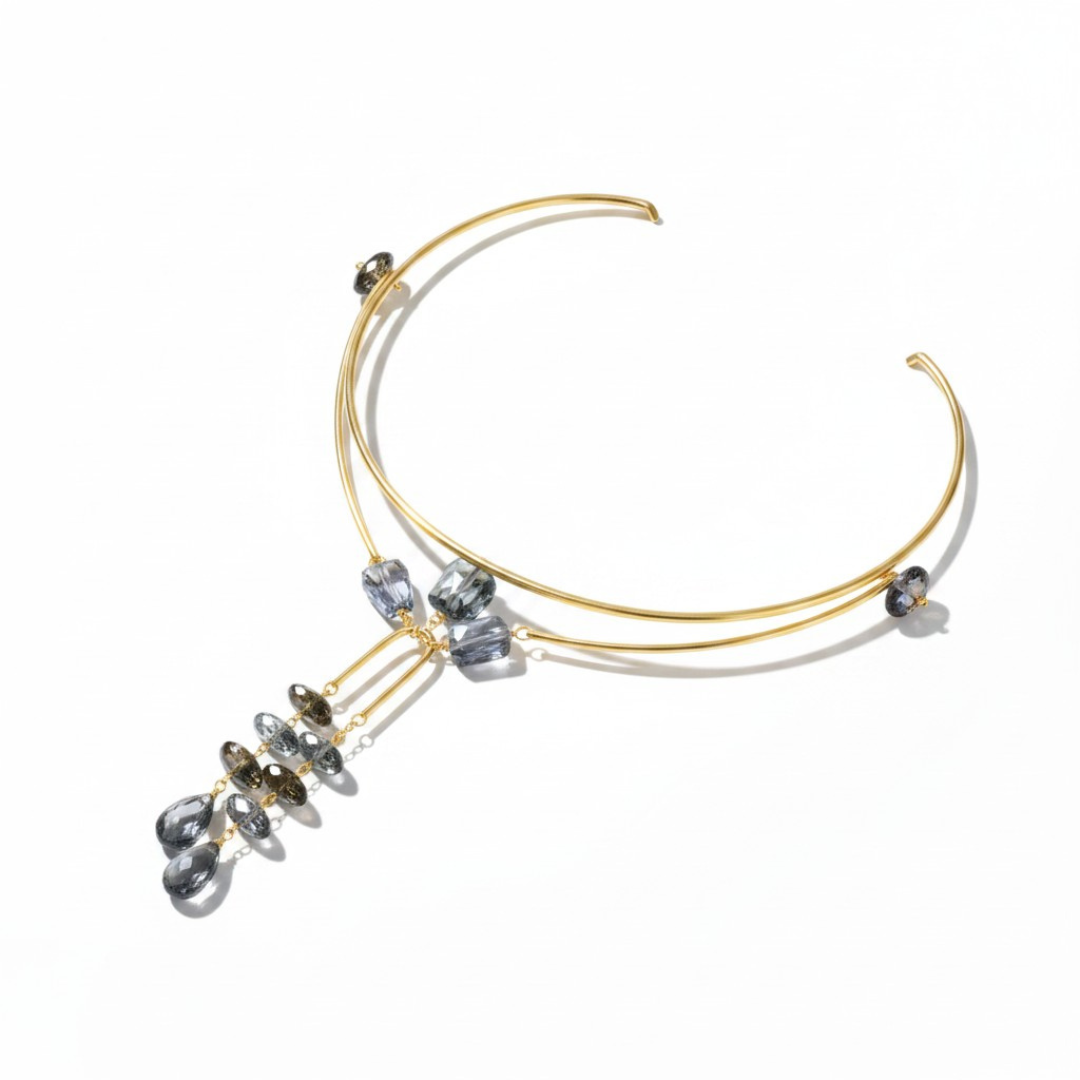
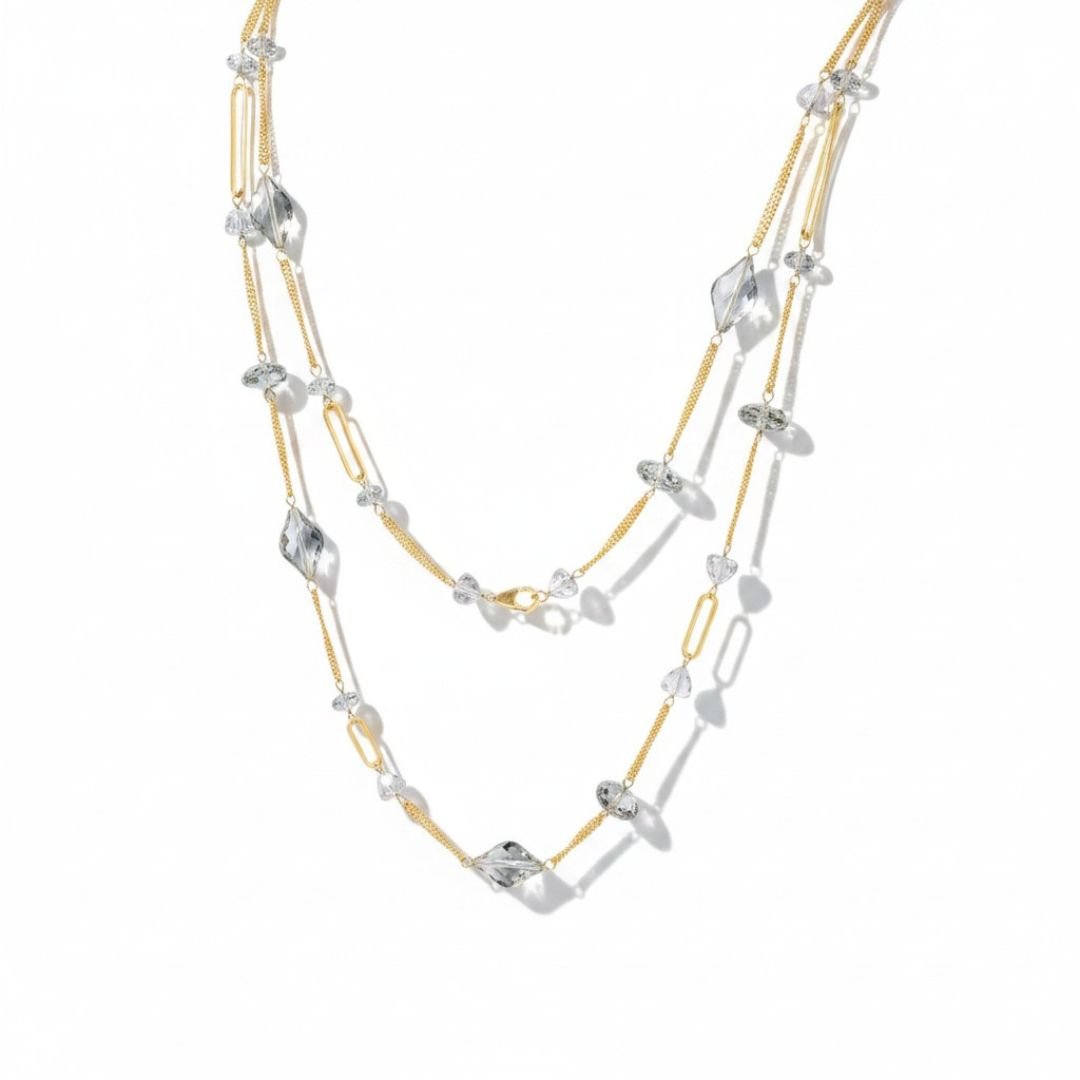
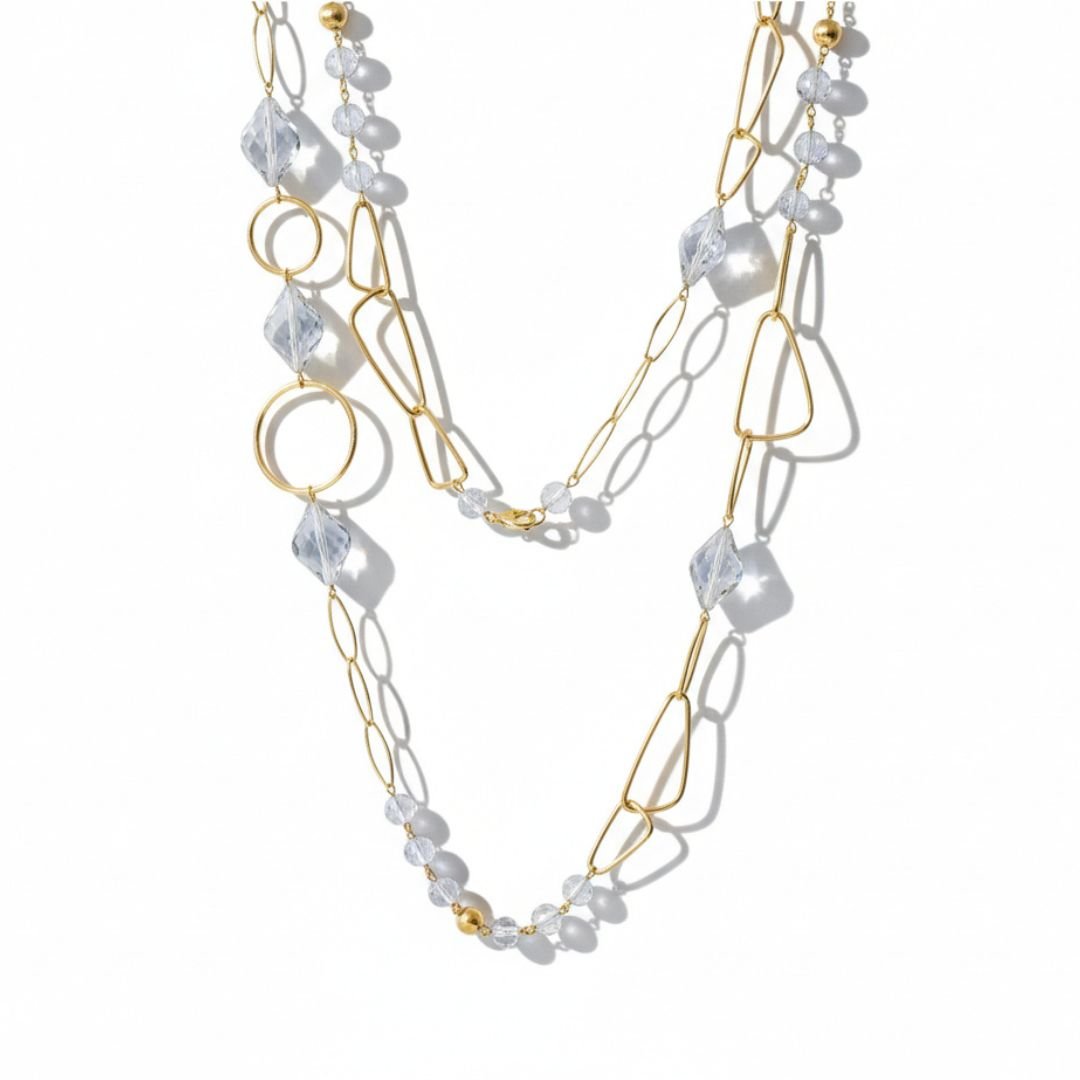
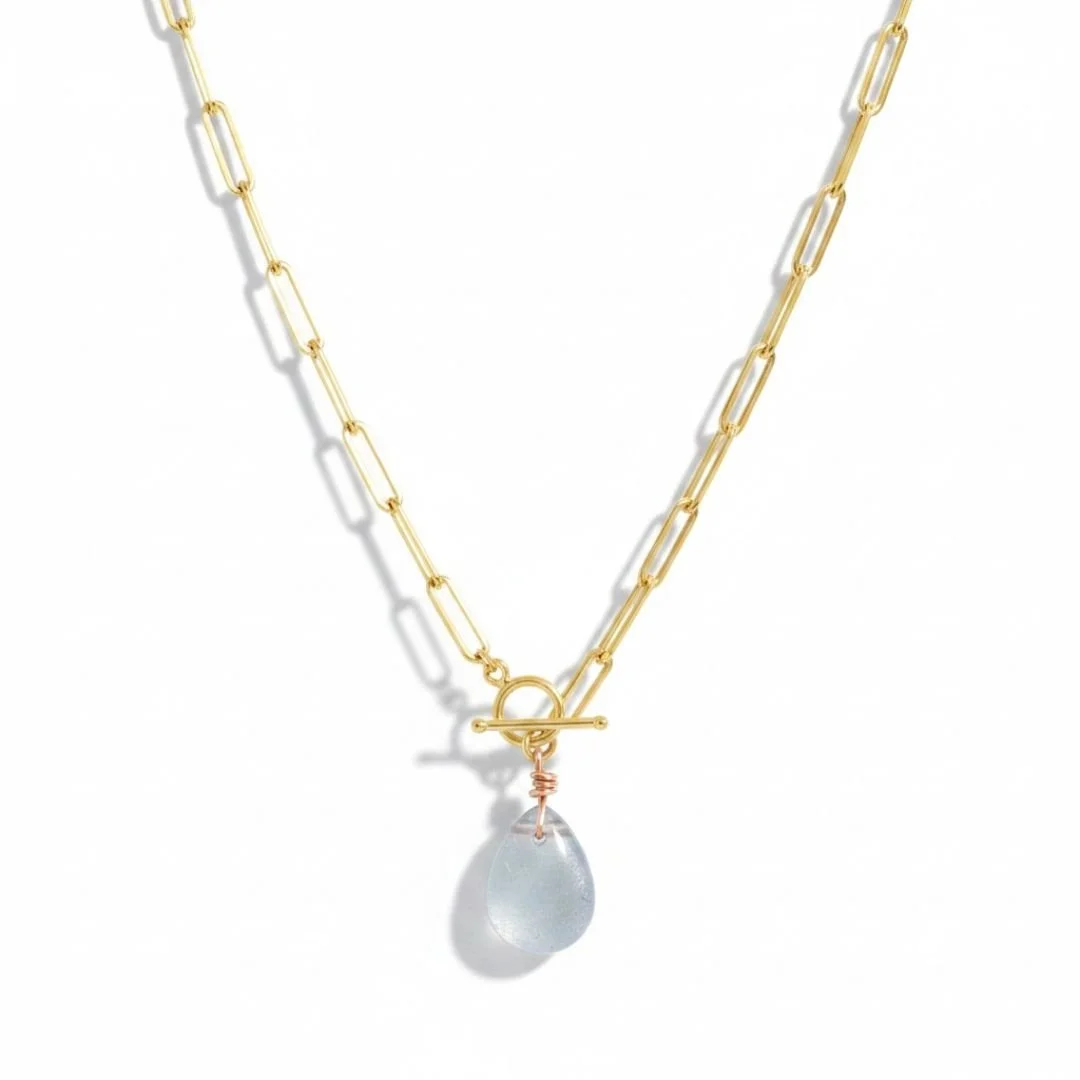
Necklaces
A whole landscape sealed in clear crystal, worn close. One-of-a-kind lodolite necklaces, hand-fabricated in 14k gold-filled and 24k gold vermeil, each built around a single stone chosen at the Tucson Gem Show.
One of a Kind · Built Once
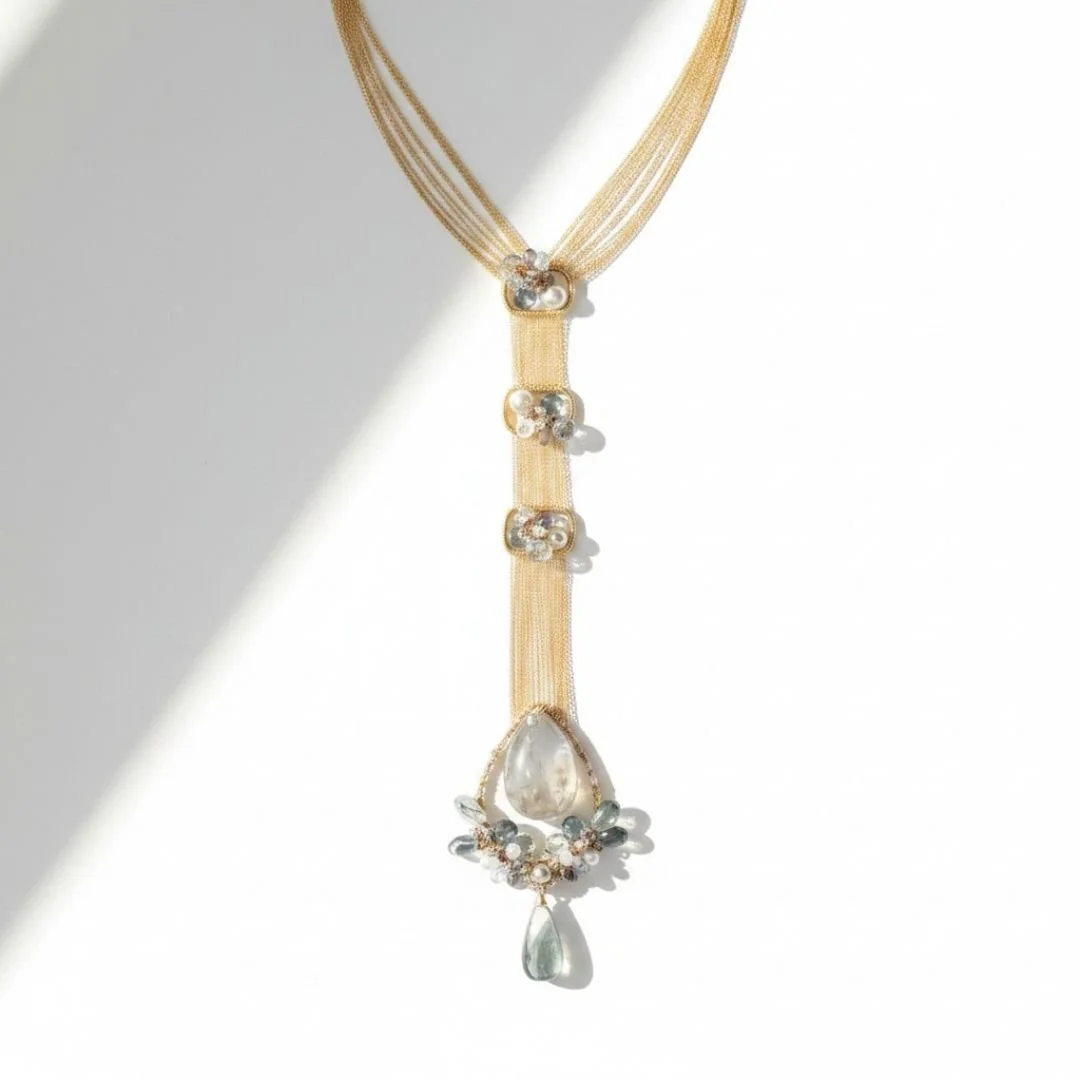
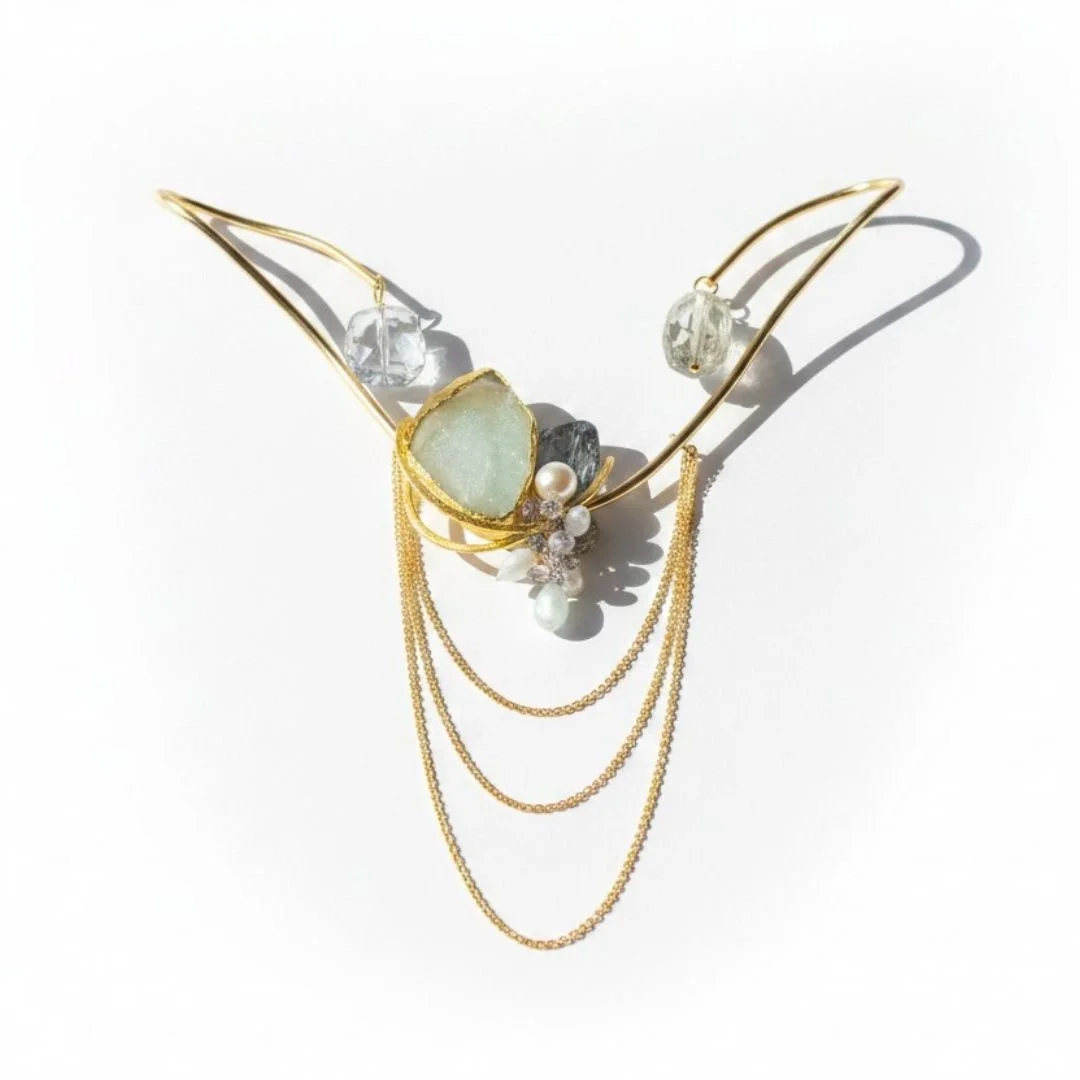
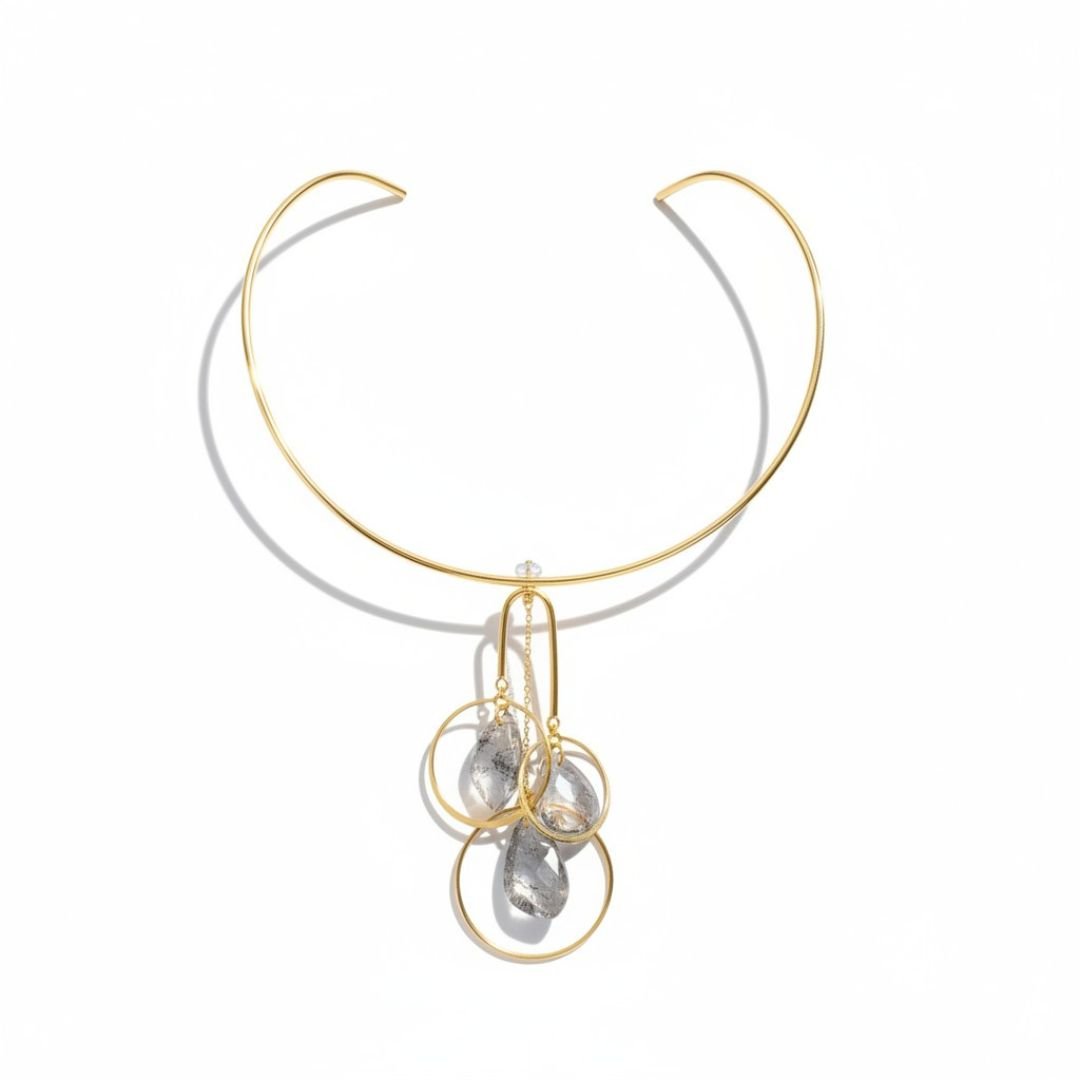
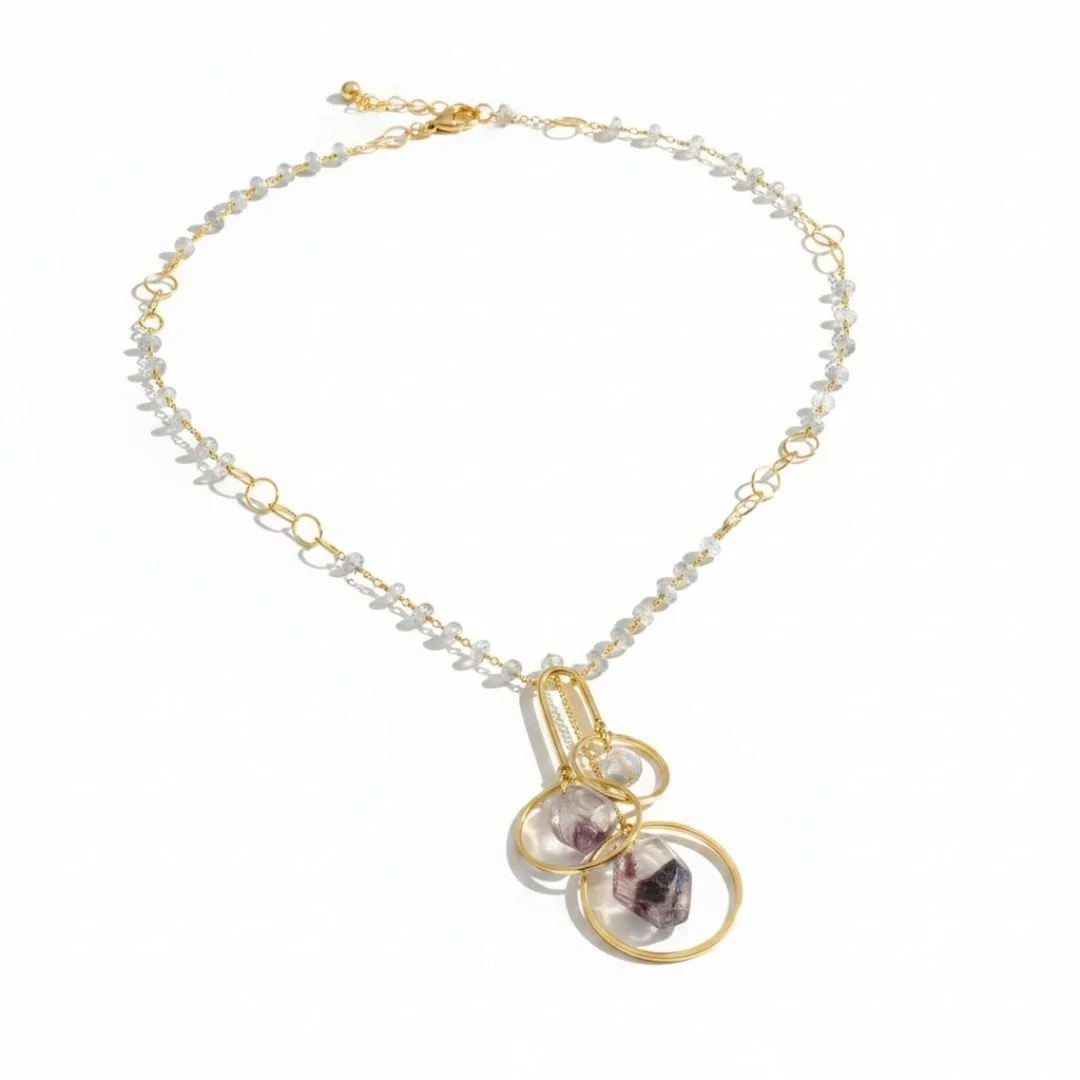
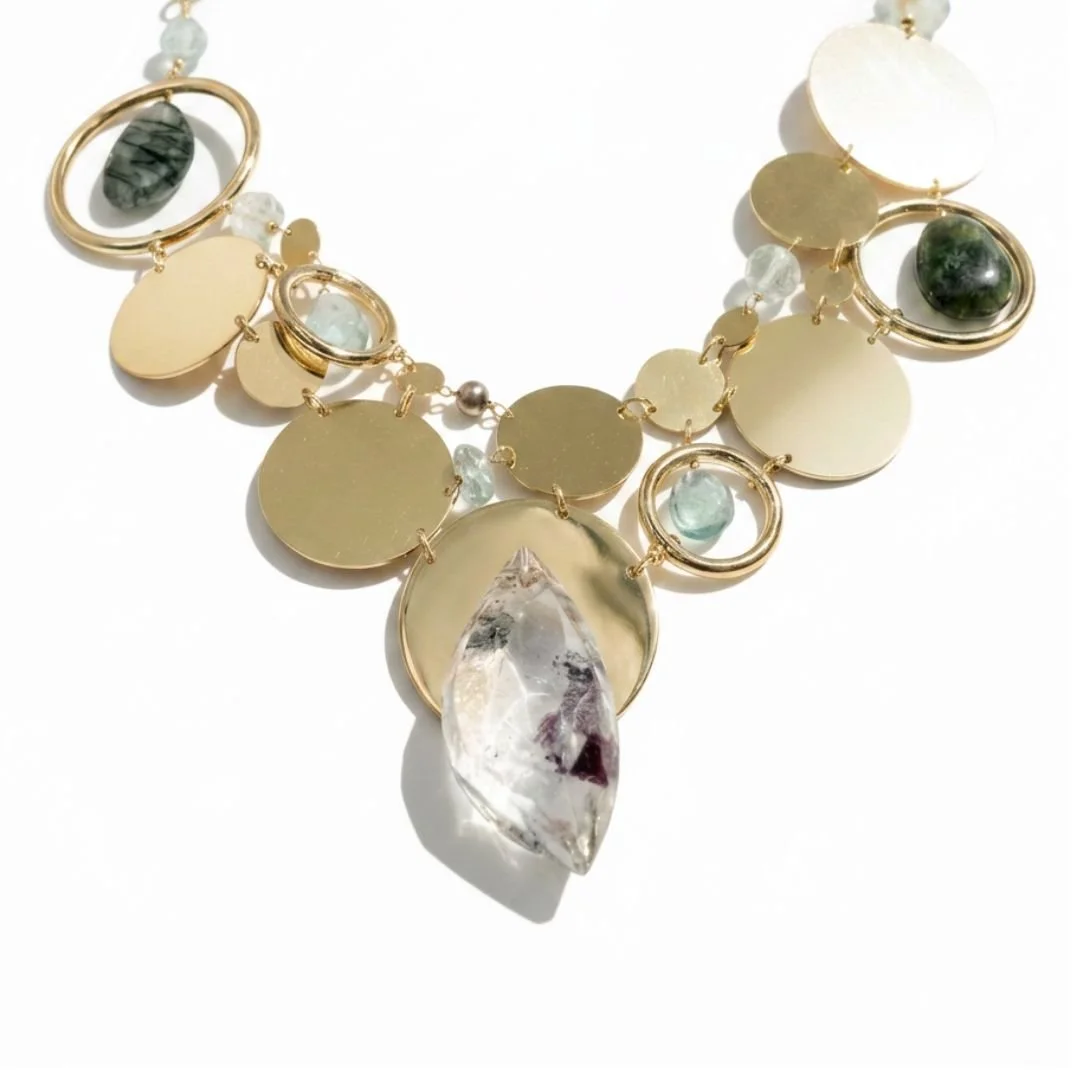
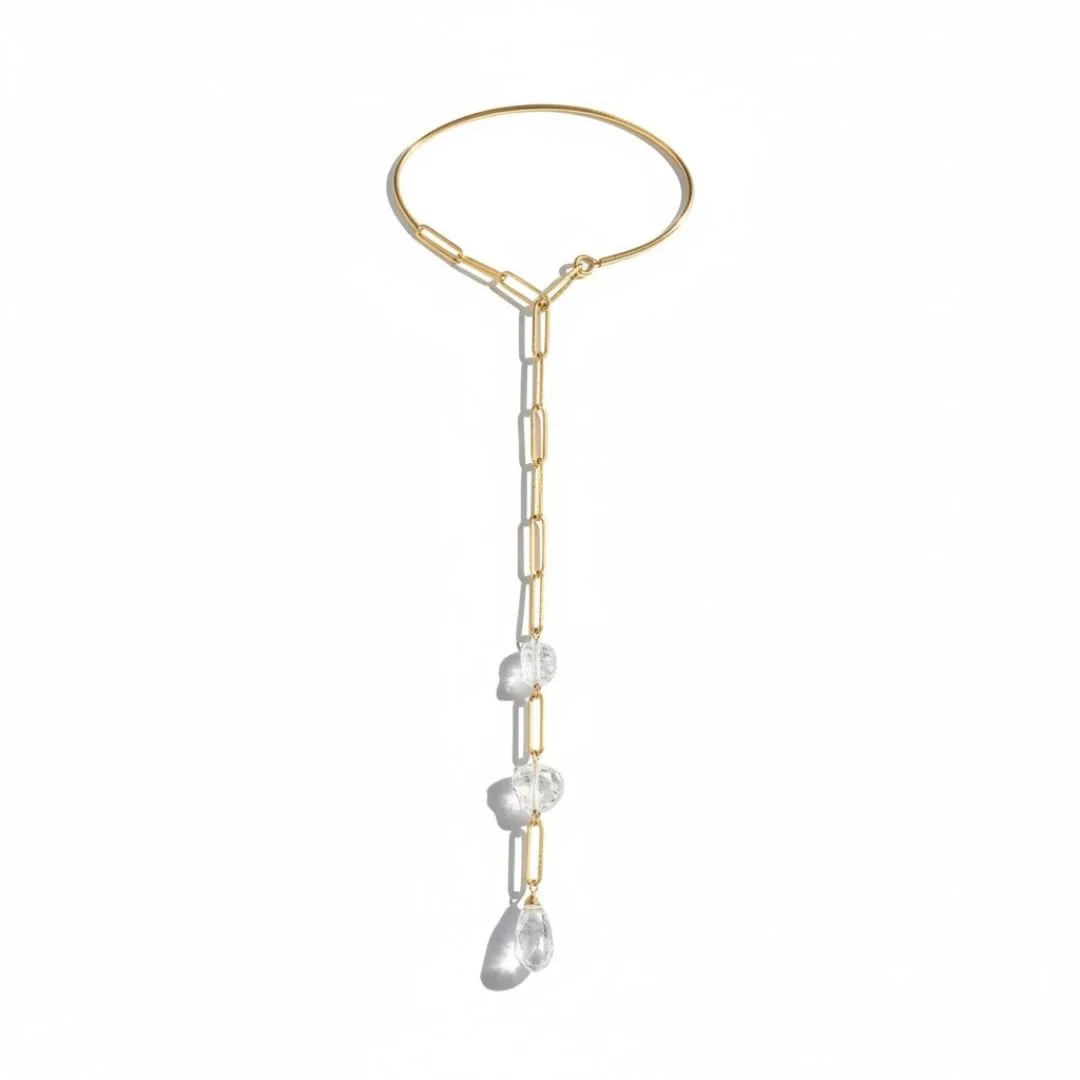
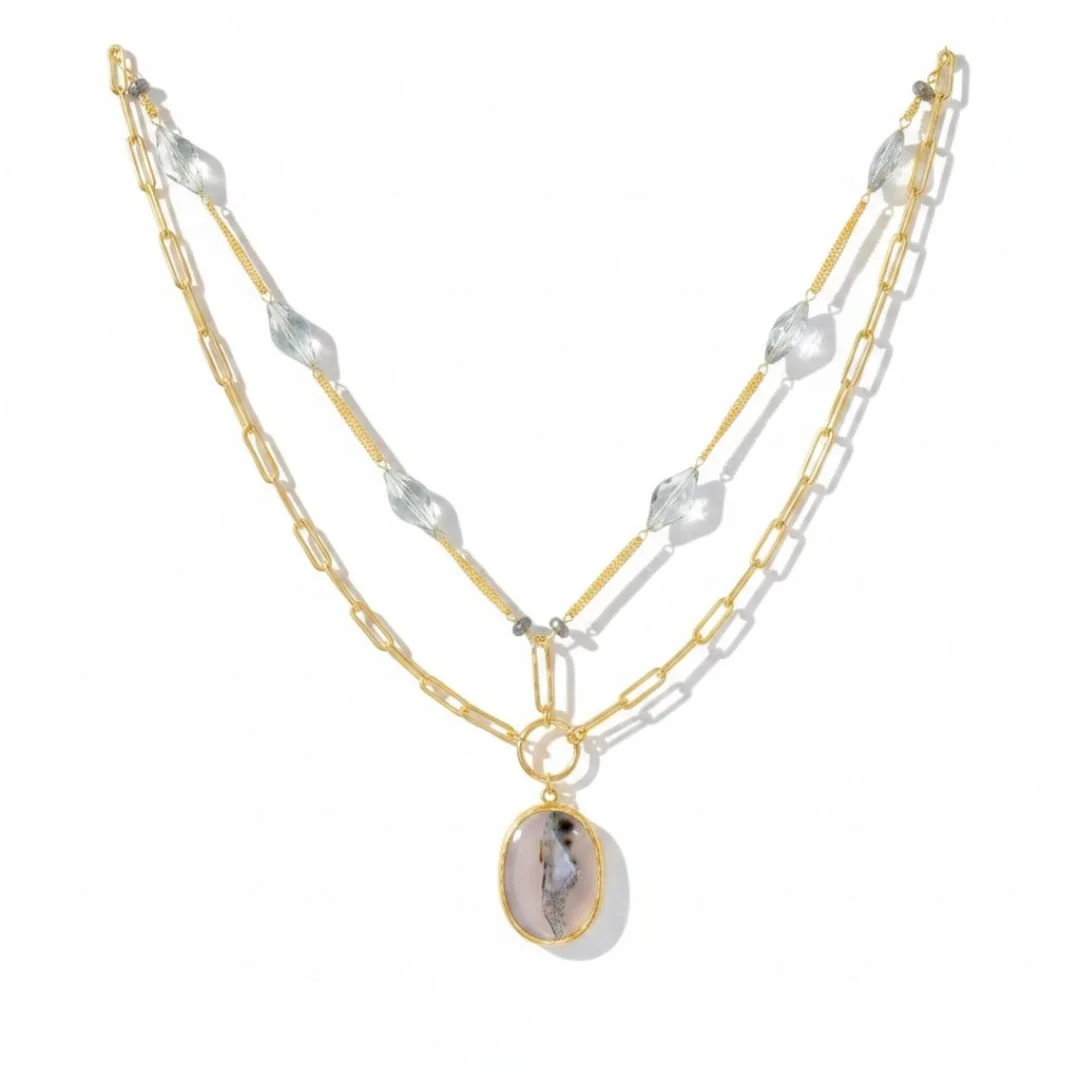
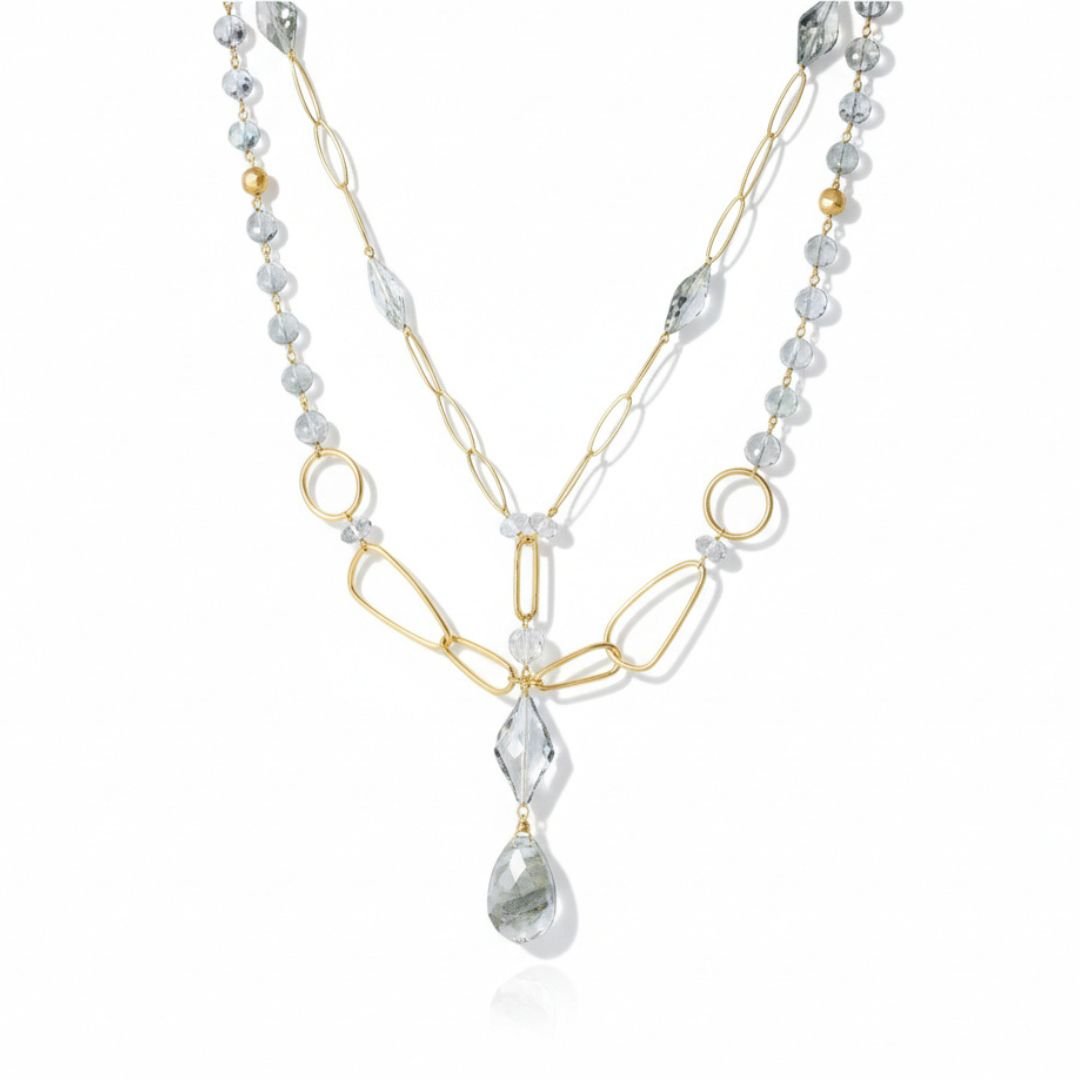
Lodolite · Garden Quartz
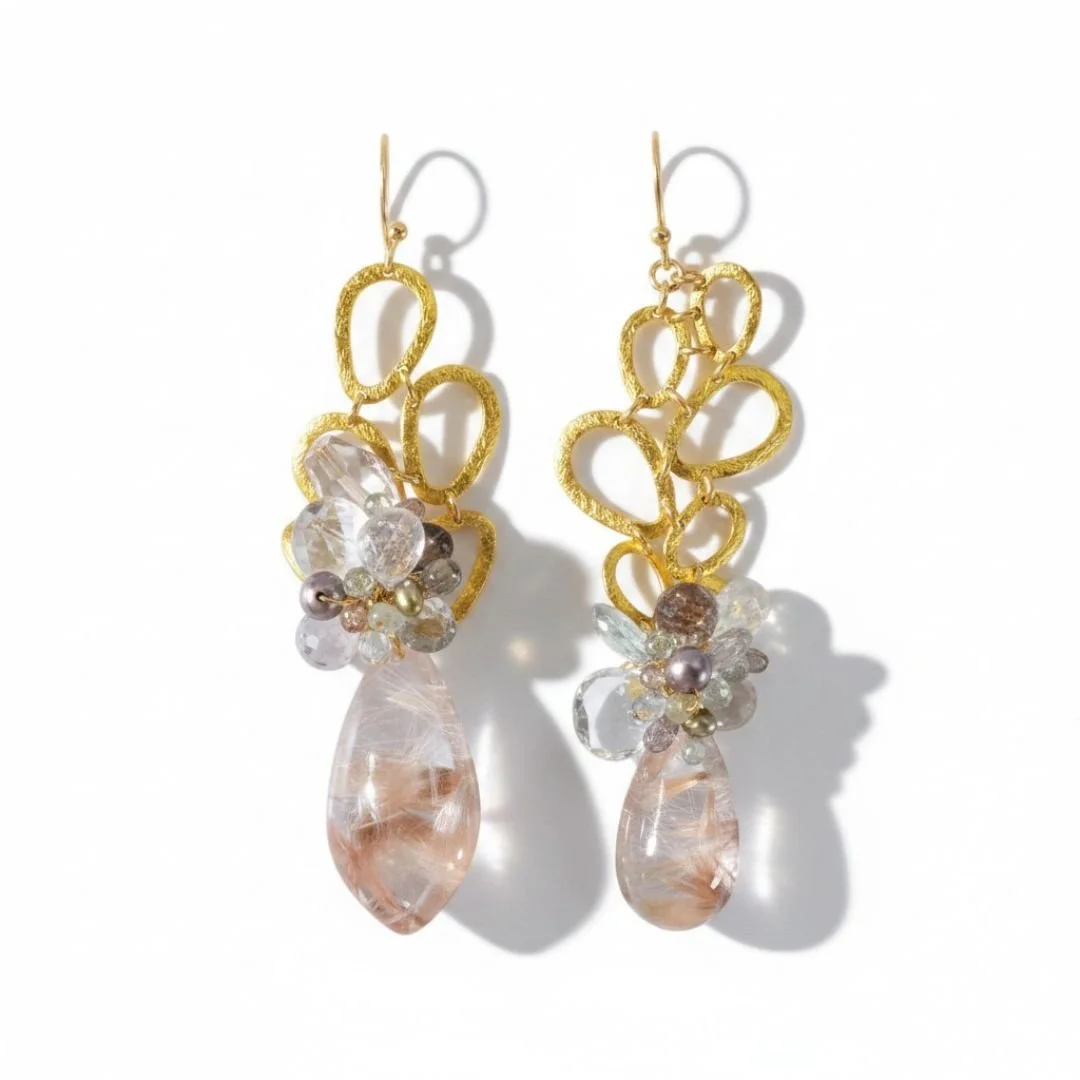
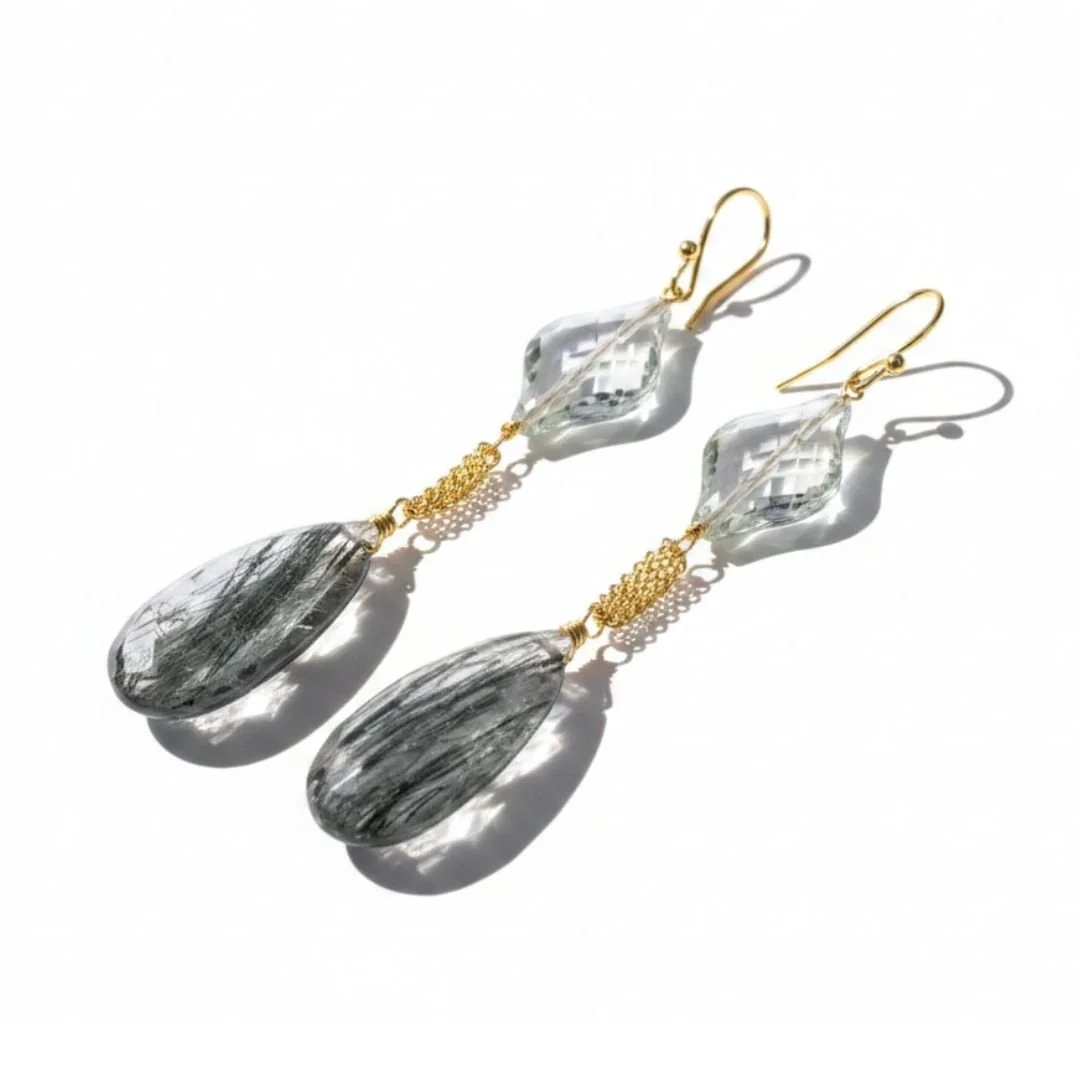
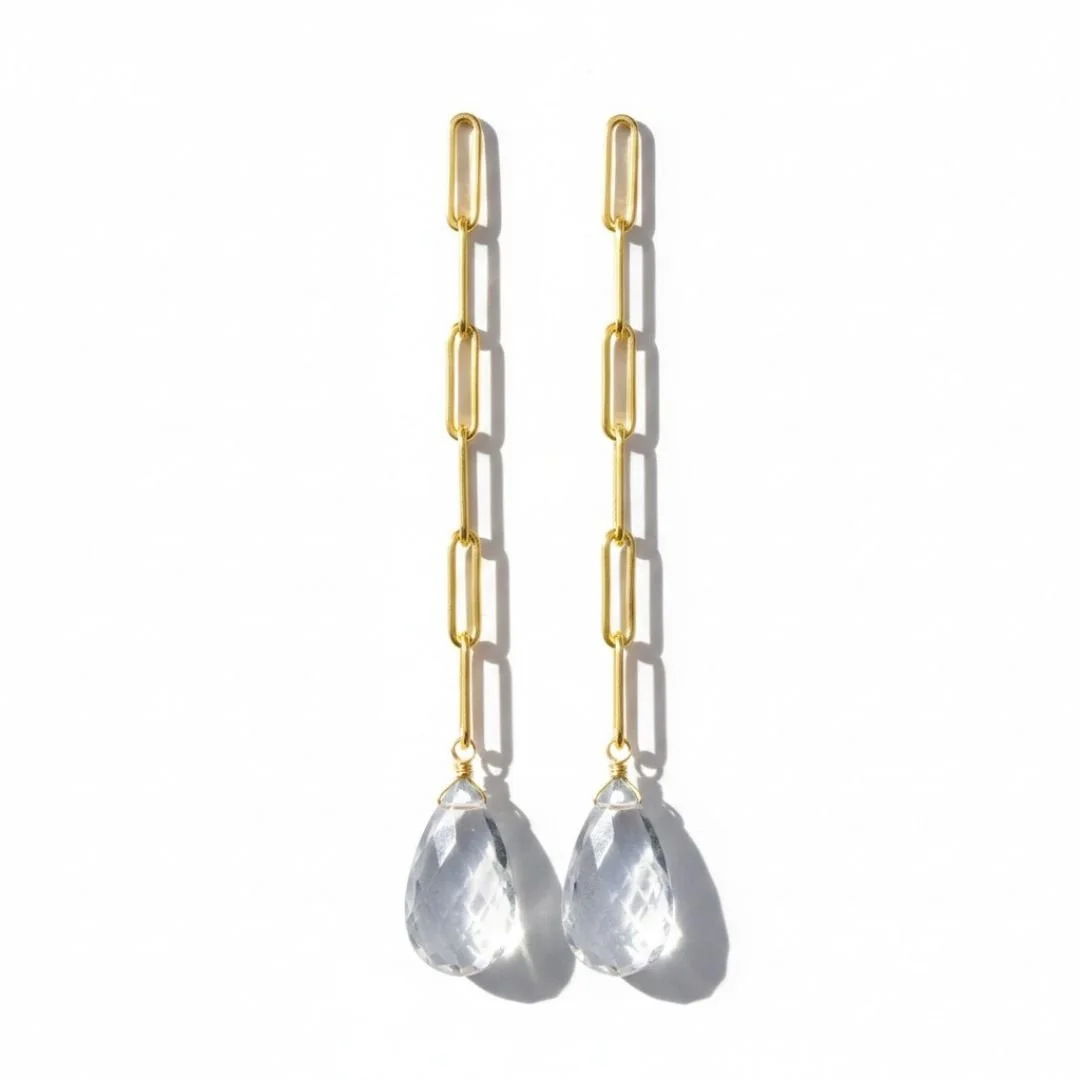
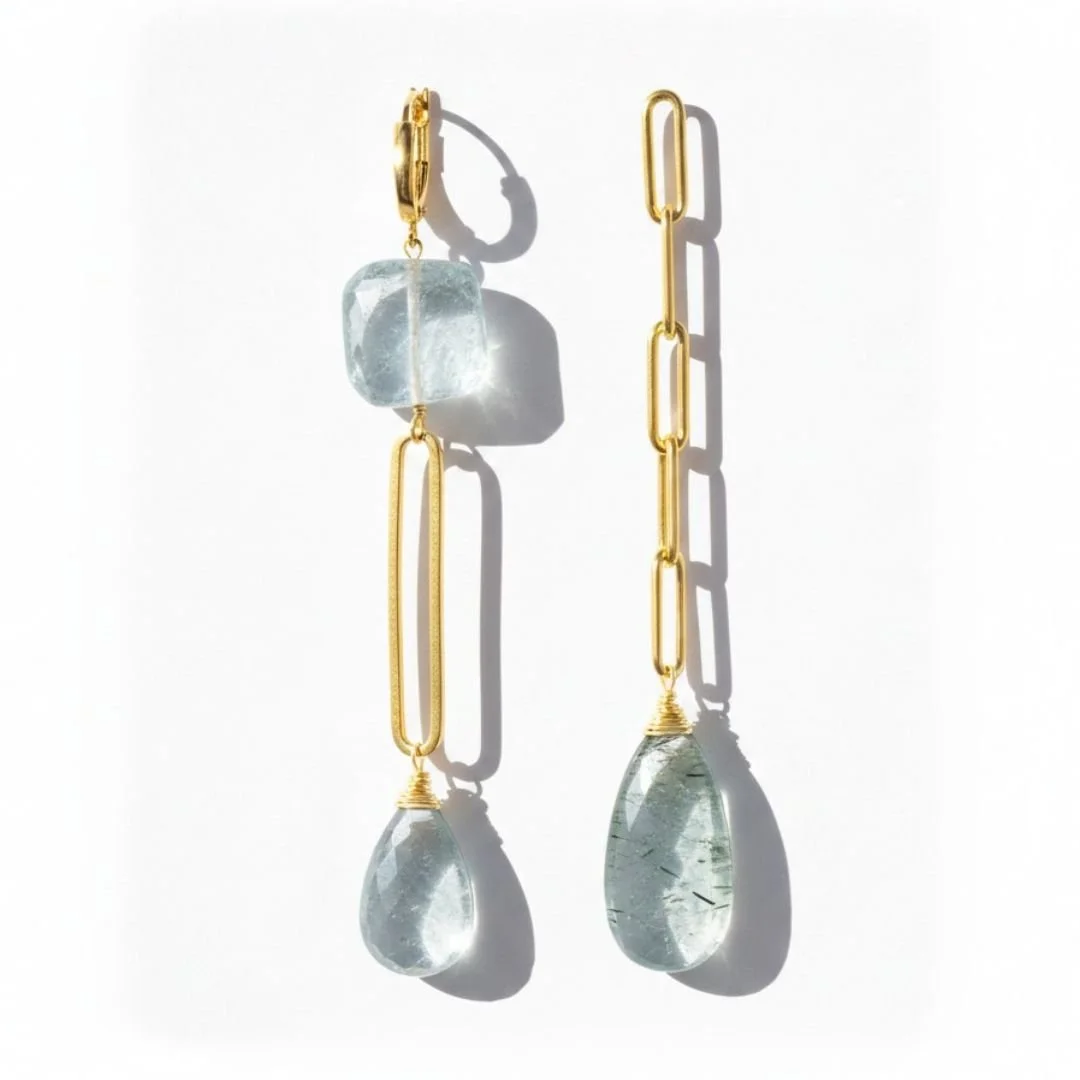
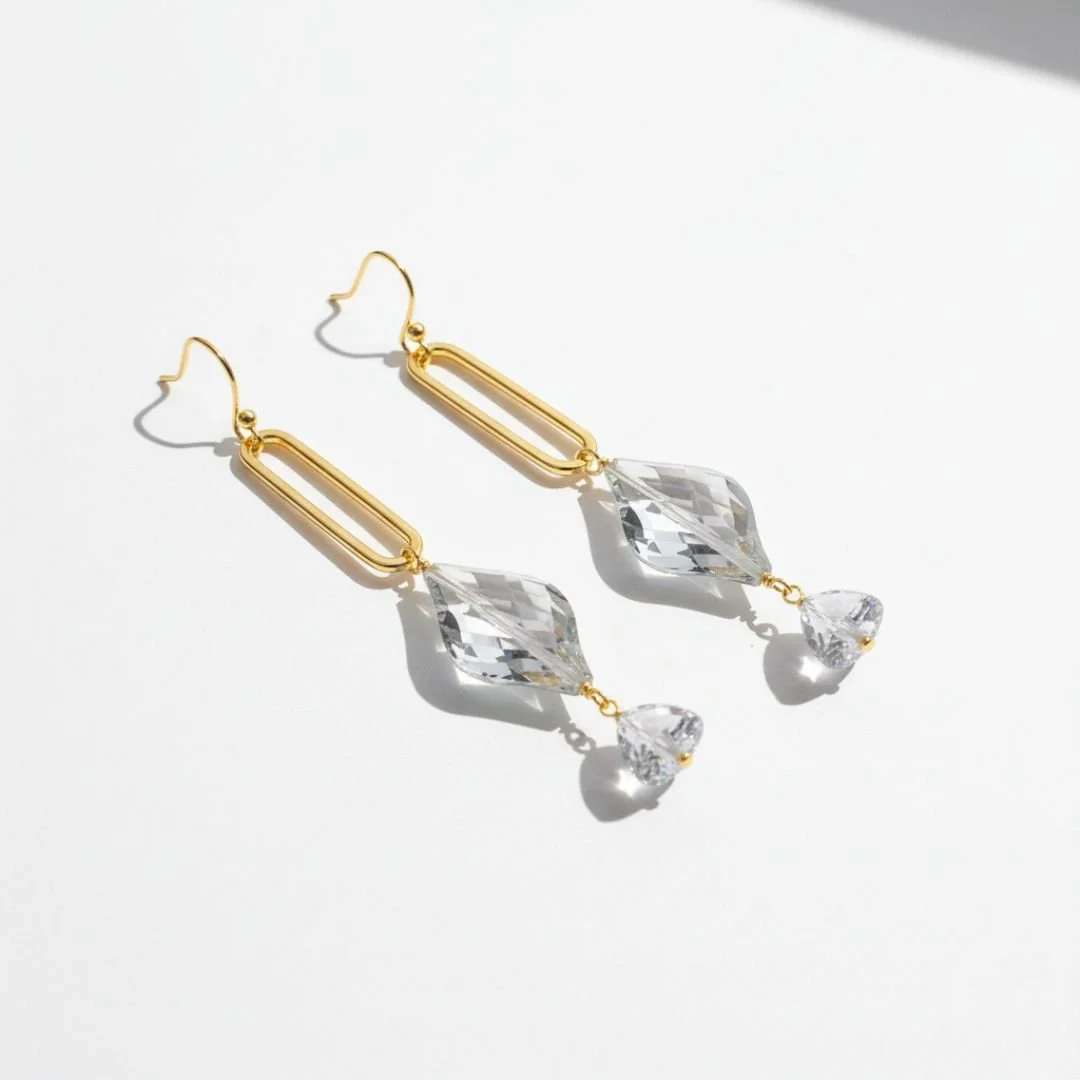
Earrings
Garden quartz set to swing and catch the light. Each pair of lodolite earrings is fabricated by hand in 14k gold-filled and 24k gold vermeil, kinetic by design, and no two are ever alike.
One of a Kind · Built Once
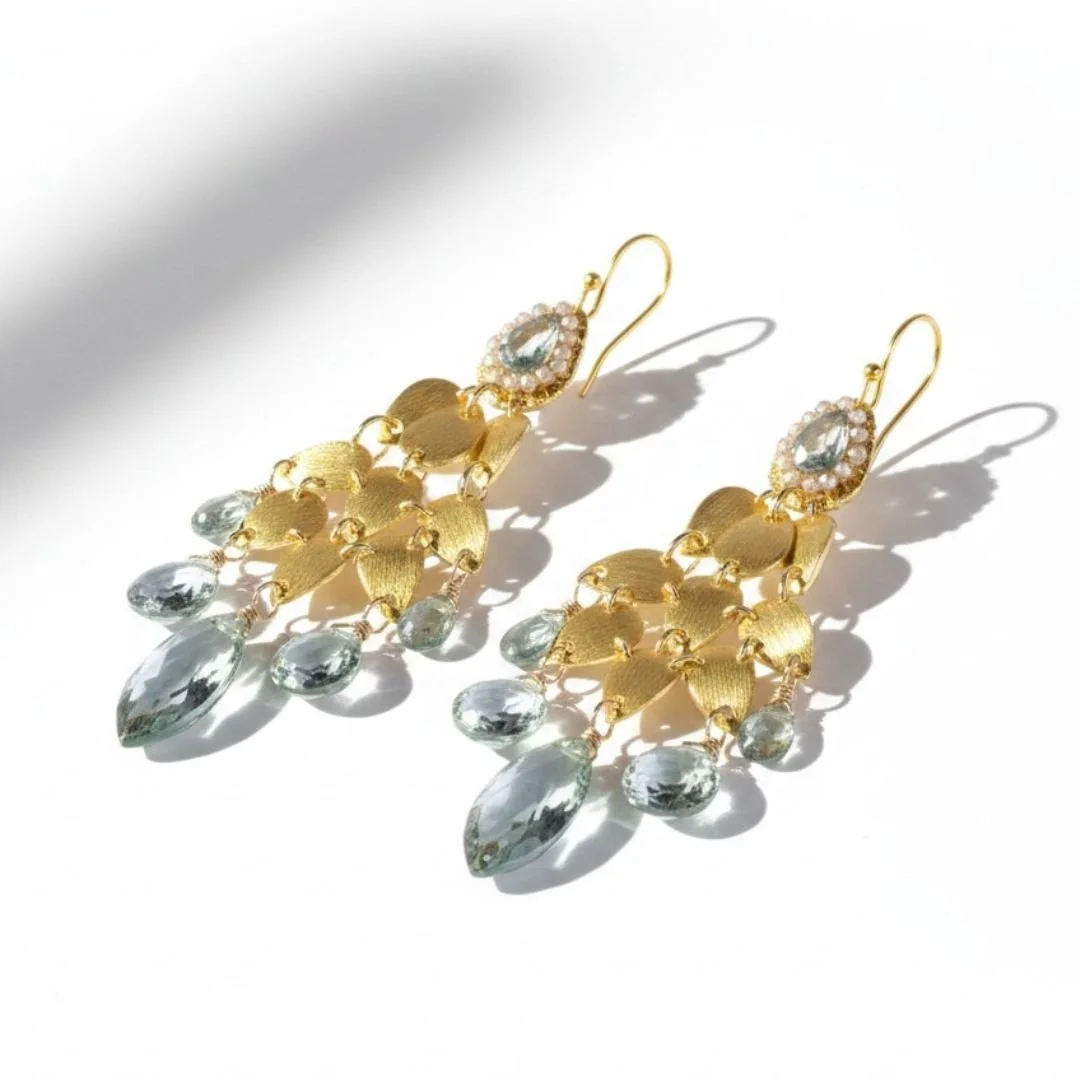
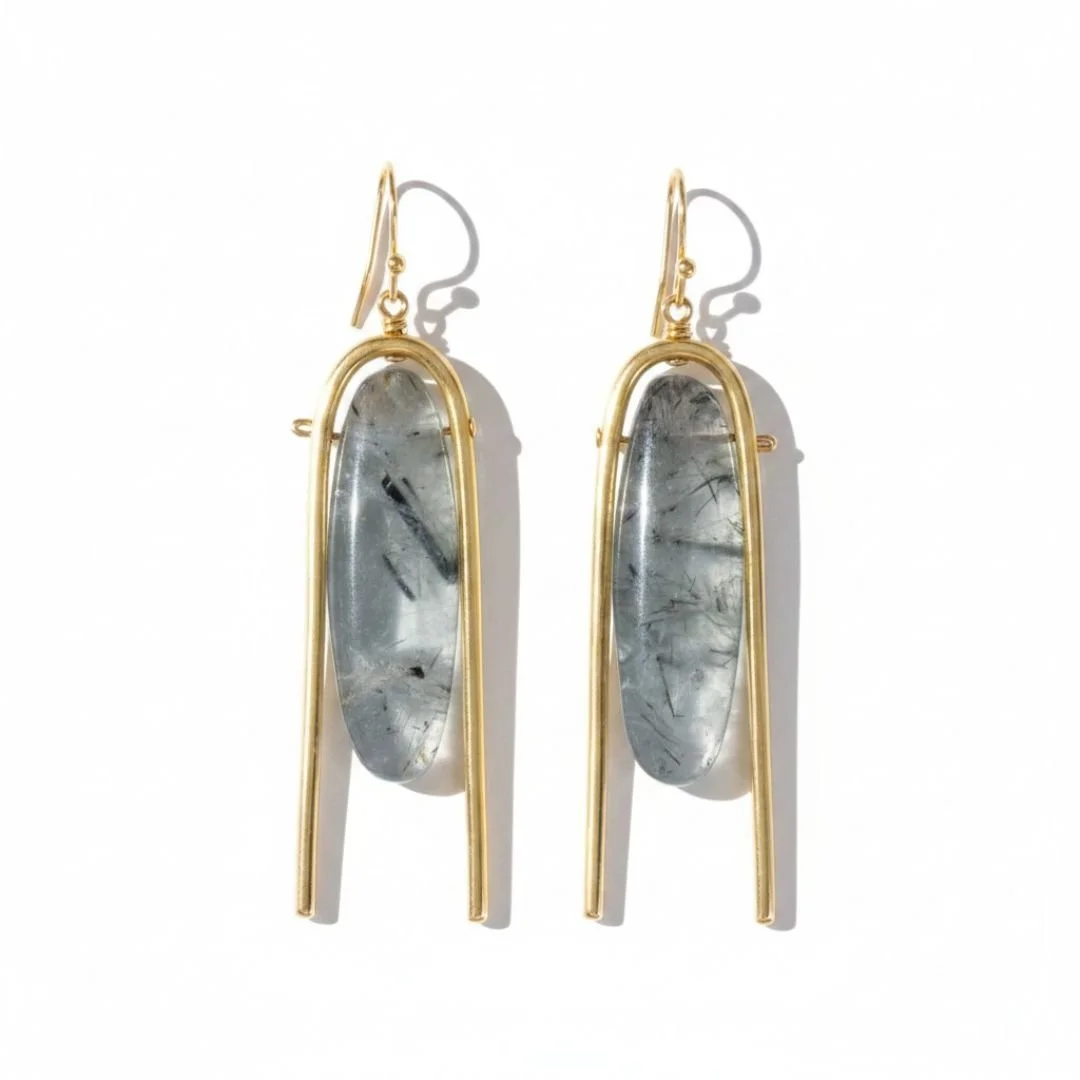
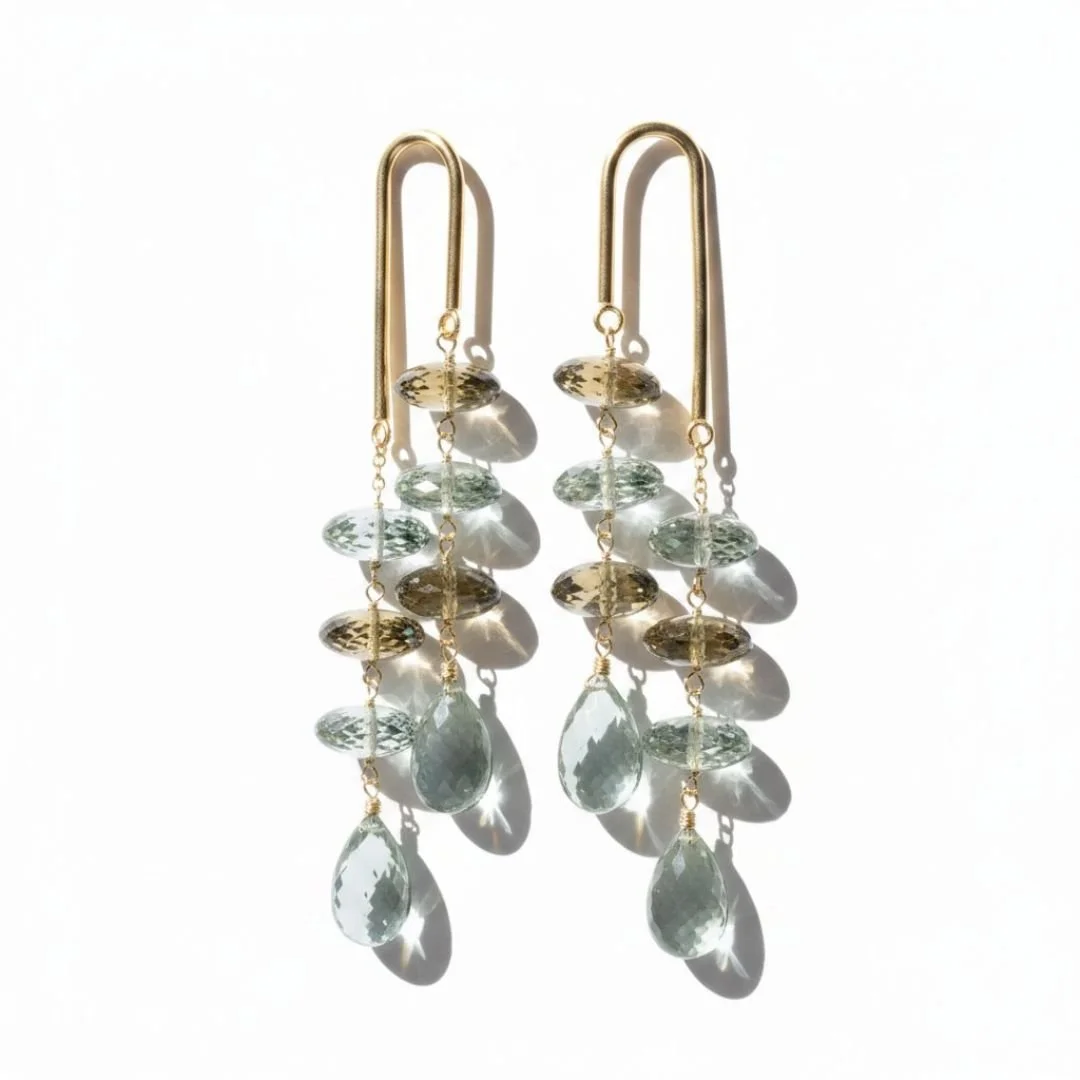
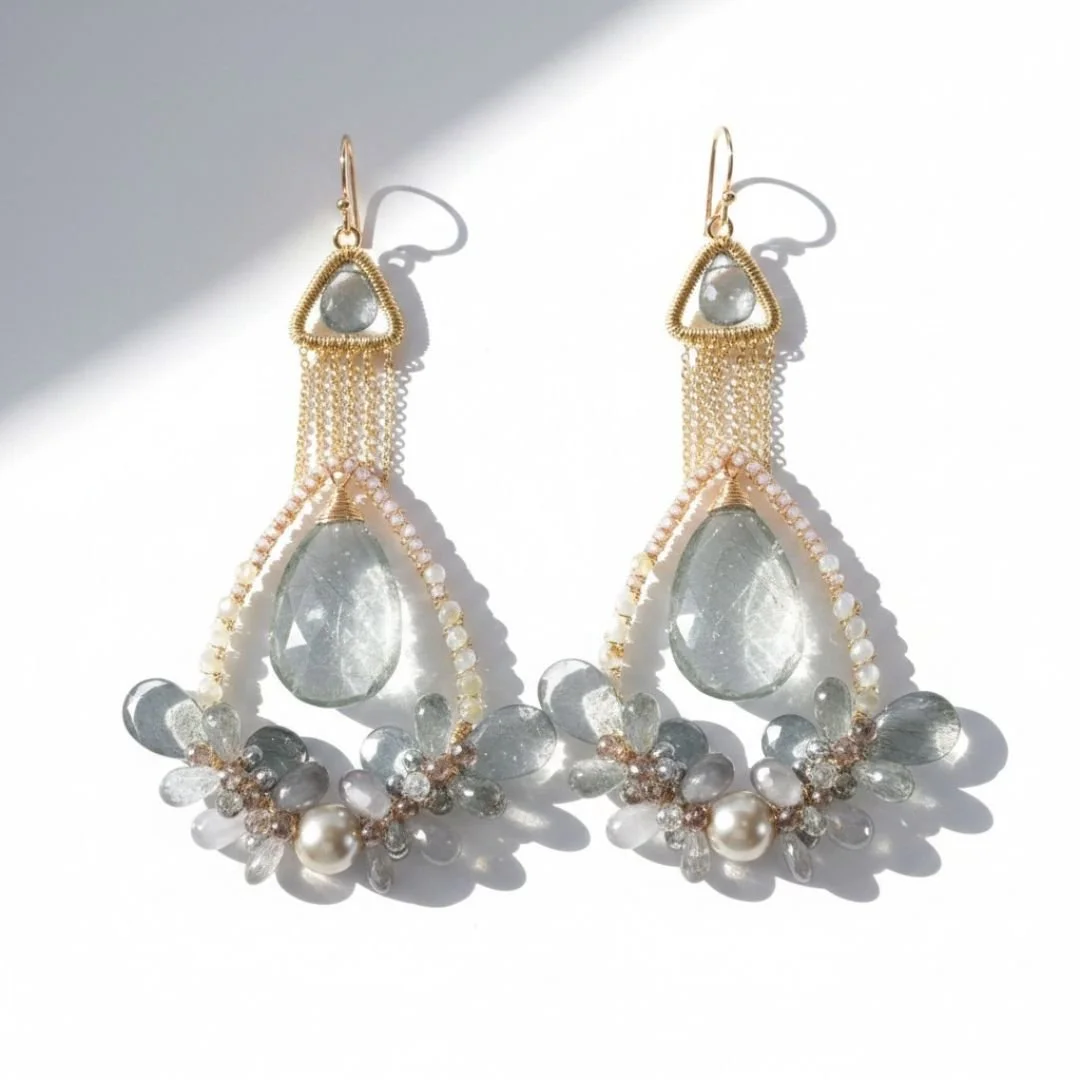
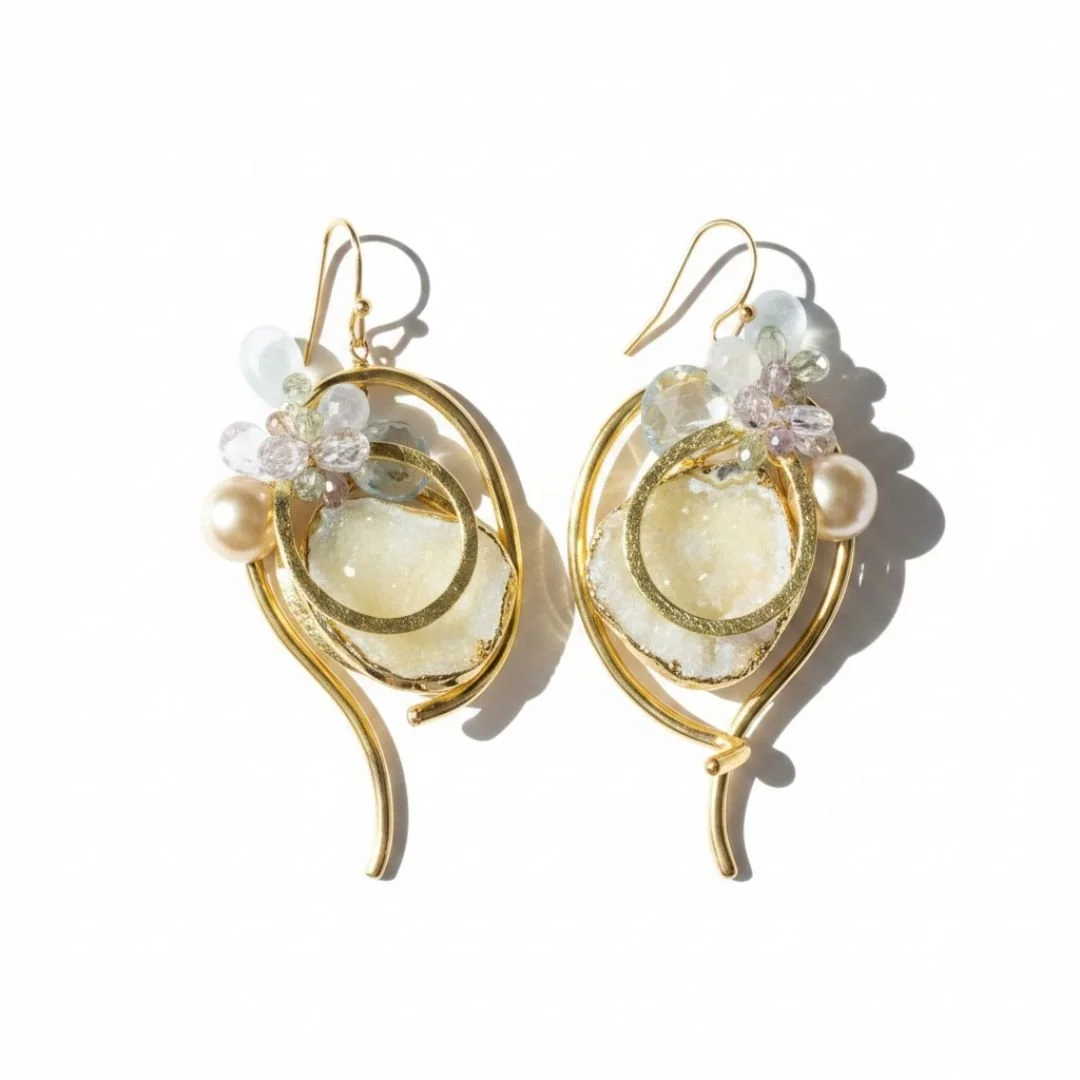
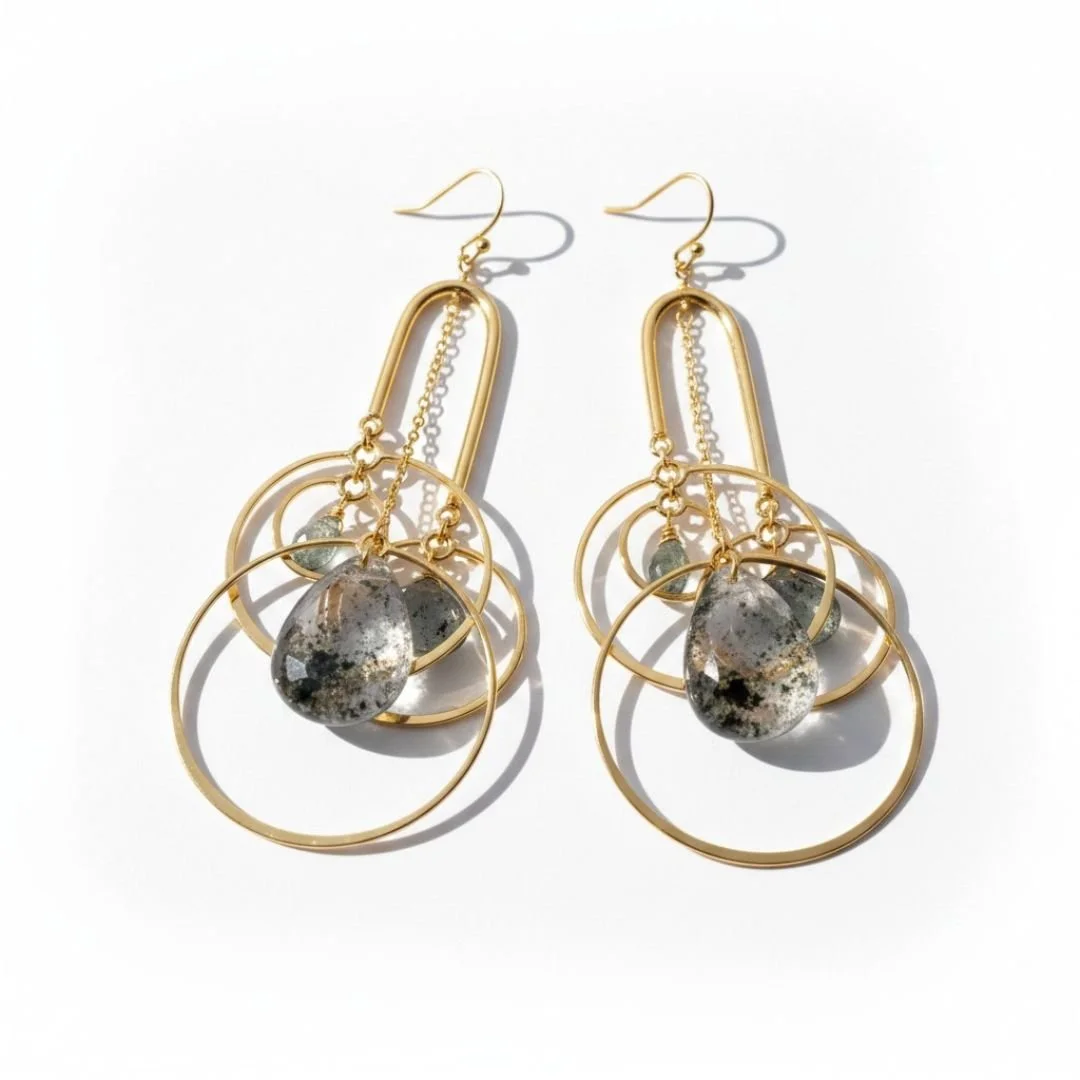
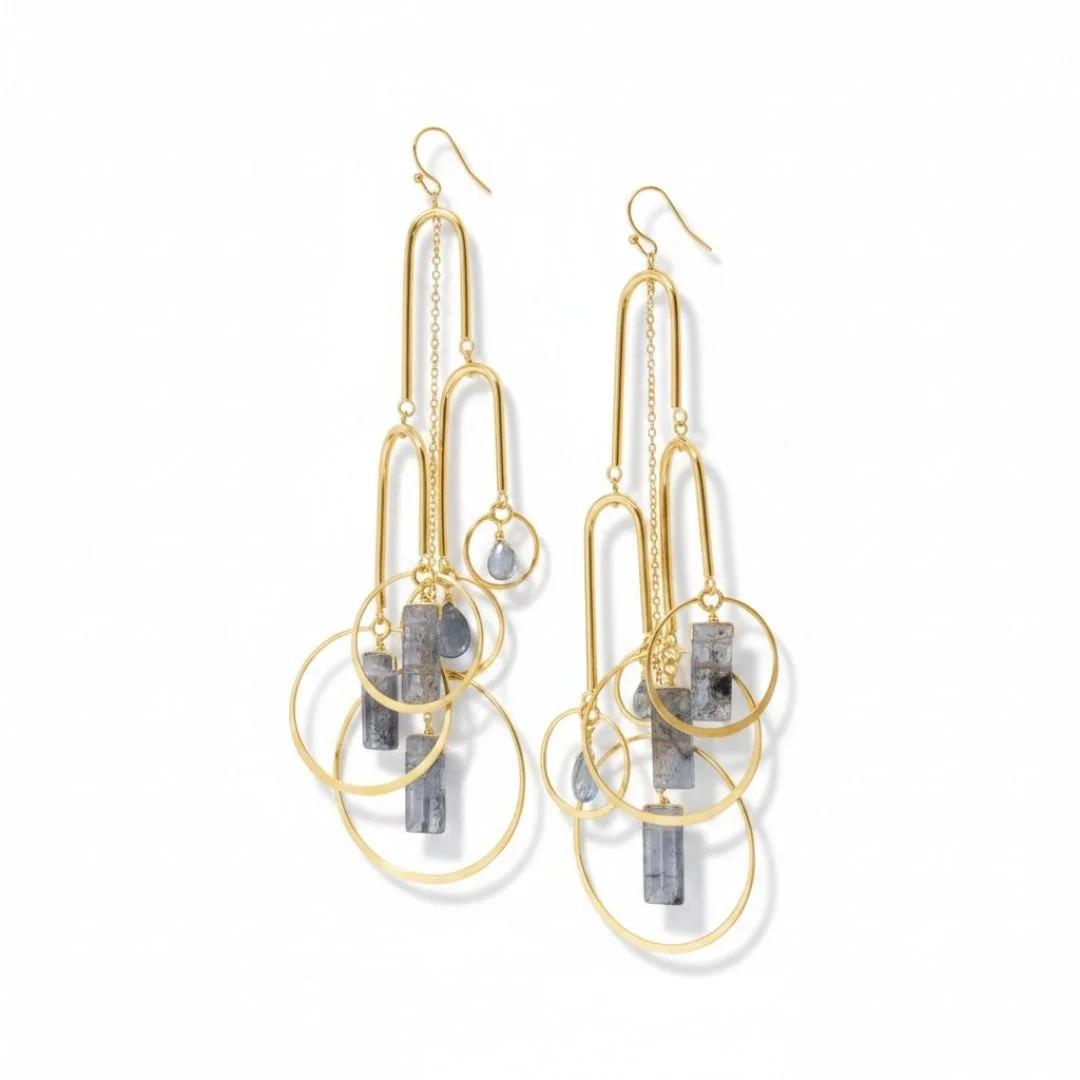
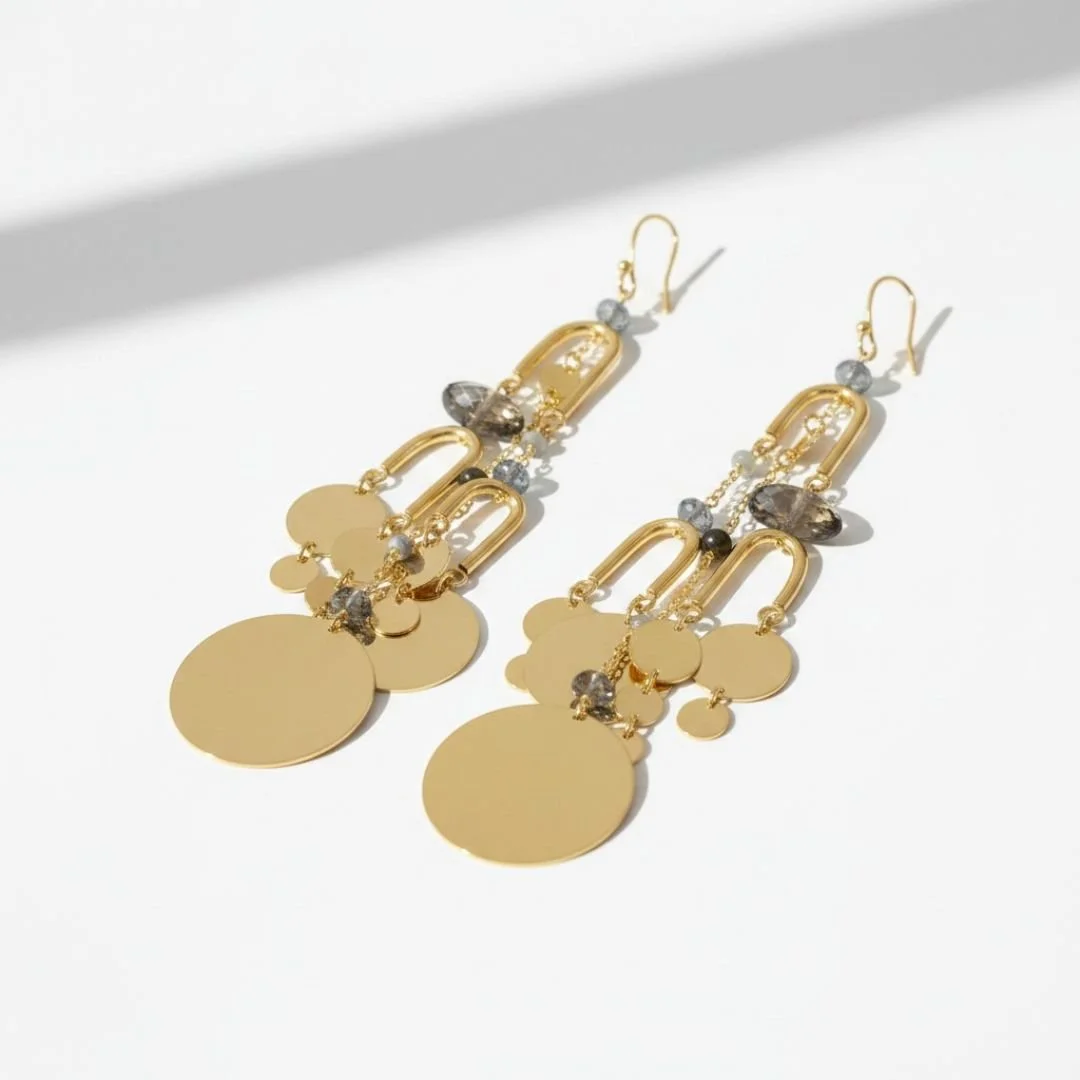
Lodolite · Garden Quartz
Chokers
A scenic-quartz statement at the collarbone. One-of-a-kind lodolite chokers, sculpted by hand in 14k gold-filled and 24k gold vermeil, architectural and soft at once.
One of a Kind · Built Once
Lodolite · Garden Quartz
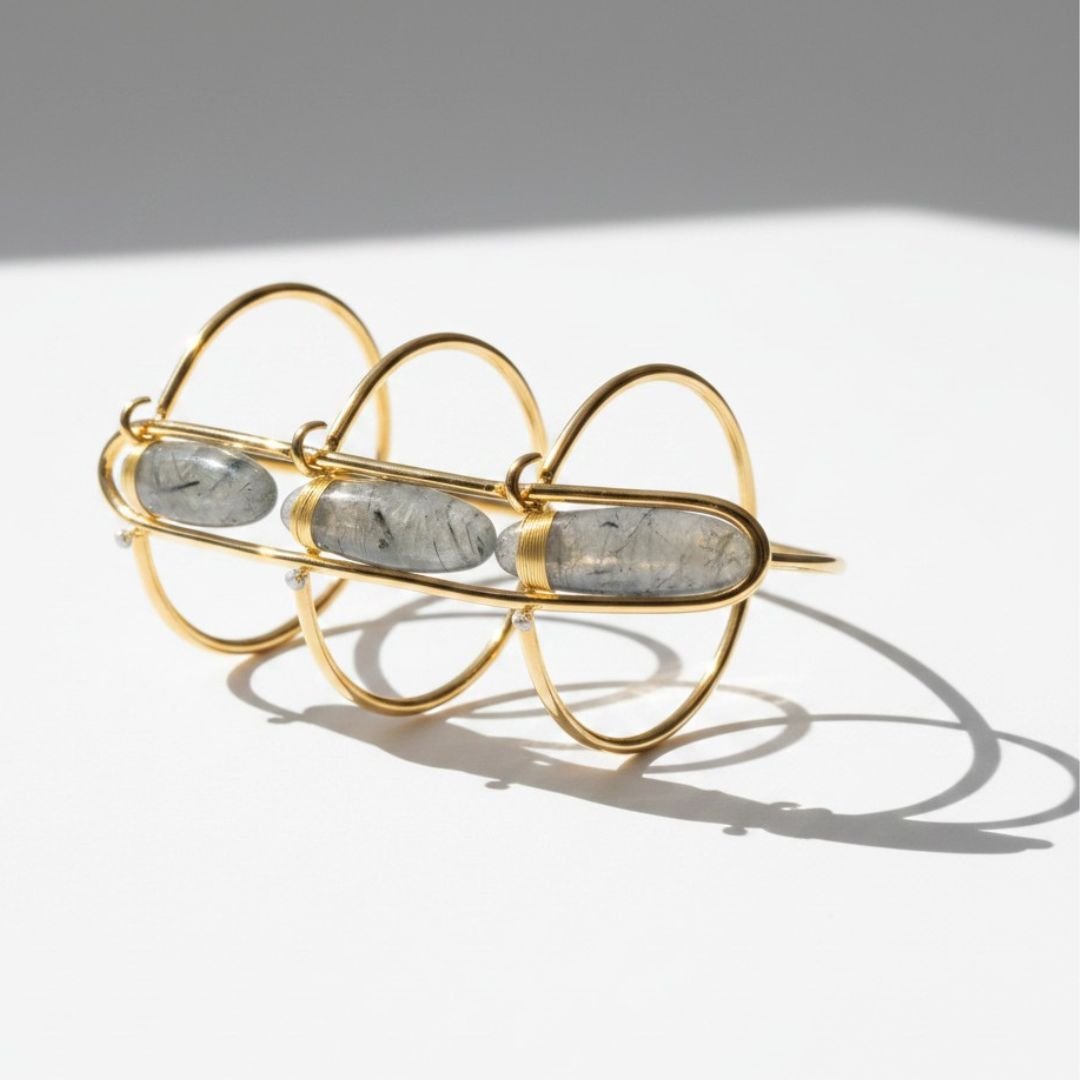
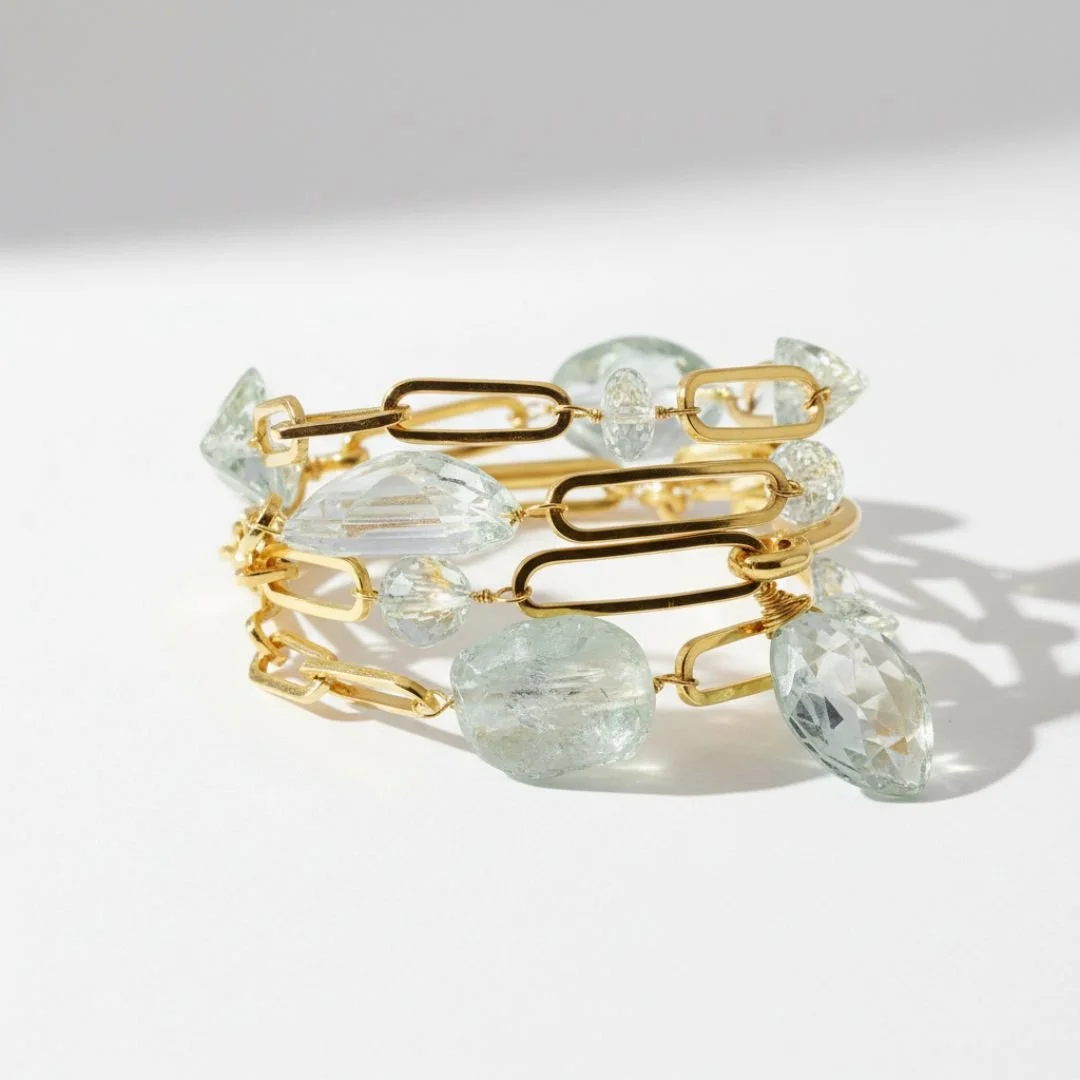
Bracelets
The garden, wrapped at the wrist. Handmade lodolite bracelets in 14k gold-filled and 24k gold vermeil, with raw and faceted stones that keep their own irregular edges. No two alike.
One of a Kind · Built Once
From the bench · Andrea Li
What I look for when I source a lodolite stone
A note from Andrea Li, who hand-selects every lodolite she sets in her Denver studio.
When I buy lodolite, I am not really shopping for a gemstone. I am shopping for a story. I look for the stone with the most interesting world sealed inside it.
Specifically, I am hunting for a variety of colors and the most interesting mineral formations in the inclusions, the little scenes that look like a mossy hill or a spray of red dust suspended in the clear quartz. And I look for unusual cuts, because the lapidary's shape decides how that interior scene reads. The rule I work by is simple: the more unique the stone, the more unique the finished piece. A one-of-a-kind necklace starts at the table where I choose the one-of-a-kind stone.
Lodolite, in plain terms
What is lodolite (garden quartz)?
Lodolite, also spelled lodalite and known as garden quartz, scenic quartz, or landscape quartz, is clear quartz that trapped other minerals as it formed. Inclusions of chlorite, iron, and hematite create tiny landscapes sealed inside the crystal. It is mined almost exclusively in the Minas Gerais region of Brazil.
Why does every lodolite stone look different?
The inclusions form by chance as the crystal grows, so no two lodolite stones are ever alike. That is why every piece Andrea Li makes with lodolite is genuinely one of a kind. When it sells, it is gone.
Is lodolite durable enough to wear every day?
Yes. Lodolite is a quartz with a Mohs hardness of 7, tough enough for everyday wear and a high polish. Avoid ultrasonic and steam cleaning, which can stress the inclusions, and clean it with warm soapy water and a soft brush instead.
Can I commission a lodolite piece if the one I love is sold out?
Yes. Many Desert Power lodolite pieces are one of a kind and already sold, but Andrea can create a new piece in the same spirit with a lodolite stone chosen for you. Start a commission at andreali.com/custom-shop.
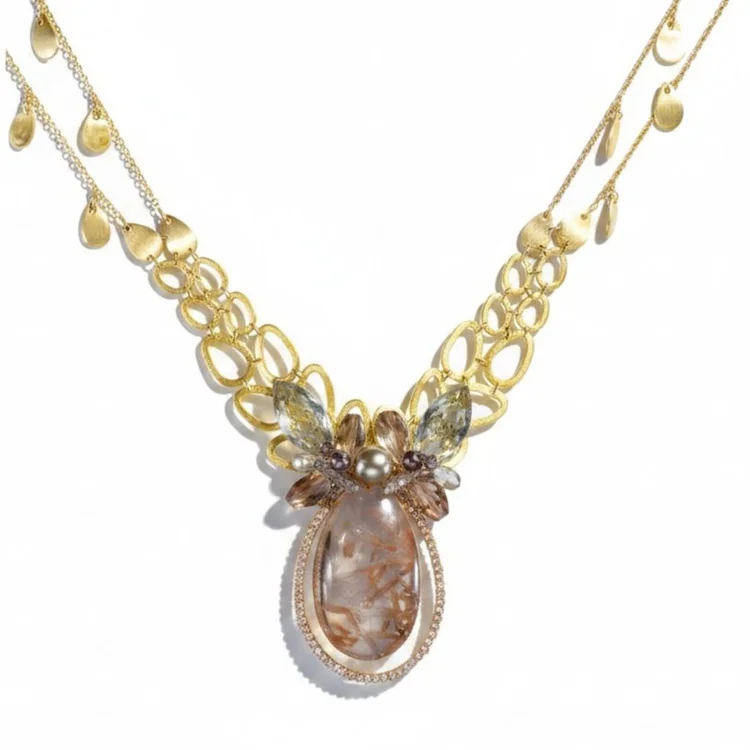
The Coachella Rutilated Quartz Pendant Necklace is a beautifully elegant statement piece.
Carefully linked 24k gold vermeil open teardrops create a rich tapestry of gilded details that melt into the body like chain mail.
A substantial Rutilated quartz pendant sits at the center. Golden mineral strands playfully run throughout the crystal clear quartz that begs a second glance to take in the unique textures.
A lush gemstone cluster unites all the elements made of sparkling sapphires, color-changing garnet, green amethyst, zircon, yellow aquamarine, cat’s eye, sunstone, and lustrous pearls.
Confidence tested, fashionista approved.
Product Specs -
• Large Rutilated quartz pendant 1 1/2’’ long and 1’’ wide
• Gemstone cluster featuring marquis cut green amethyst, AAA quality Oregon sunstone, yellow aquamarine briolettes, zircon, color-changing garnet, and lustrous pearls
• 24k gold vermeil teardrop frame edged with tiny sparkling zircons
• 24k gold vermeil open link teardrops, solid teardop chain, and clasp
• Total length 17’’, pendant length from the top 2 1/4’’